
3D mammography advances breast cancer detection
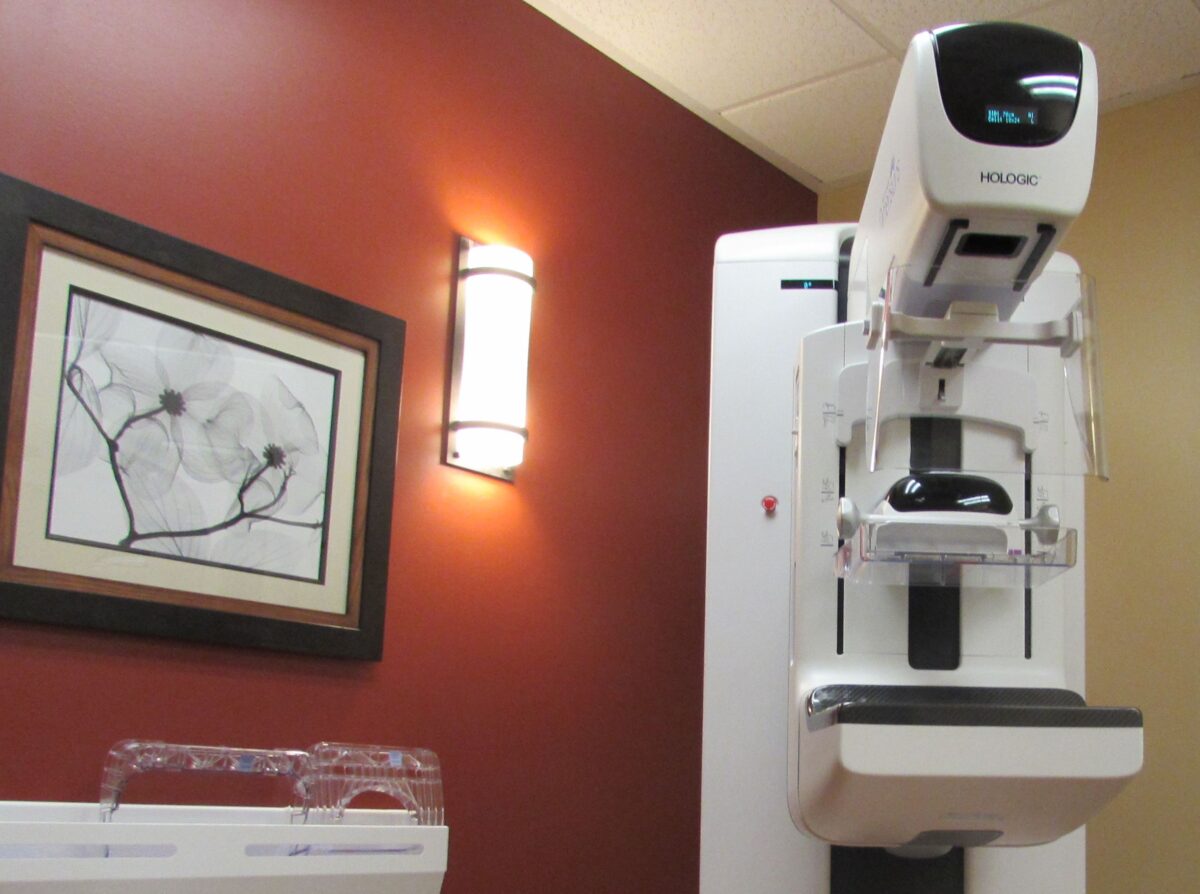
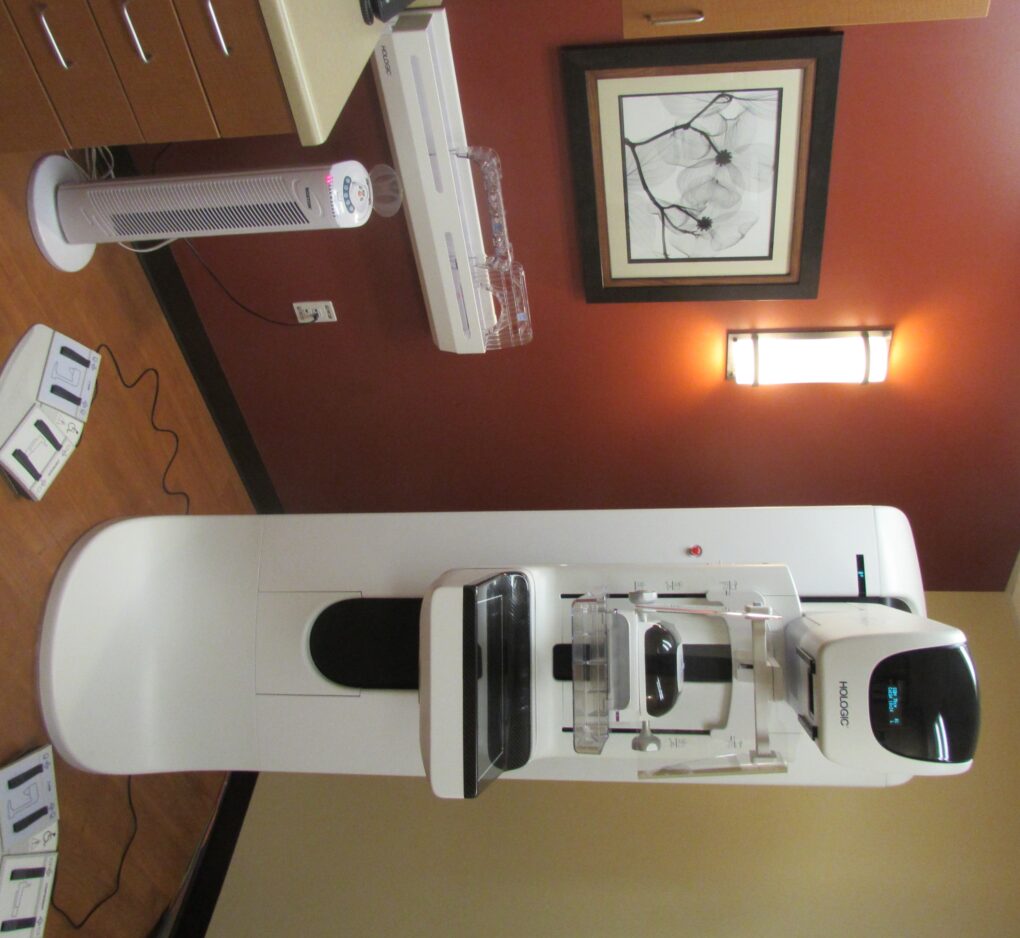
3d mammography machine

2D vs 3D mammography views

Doctors at Davis Hospital and Medical Center and McKay-Dee Hospital are now using fairly new technology to detect breast cancer.
The 3D mammography, or tomosynthesis, takes a 3D picture which allows physicians to look at the breast in several different slices. The tool can also be used in conjunction with 2D digital mammography.
“During the 3D portion of the mammogram the x-ray tube sweeps in a slight arc over your breast, taking multiple images,” said Cindy Stewart, Davis Hospital and Medical Center’s medical imaging manager. “The computer then produces 3D images of your breast tissue in one-millimeter slices that look very similar to images obtained during a CT scan.”
When viewing a 2D image of the breast, tissue can overlap, causing normal tissue to appear abnormal, Stewart said. Looking at the tissue in one-millimeter slices separates the tissue, allowing the radiologist a clearer view.
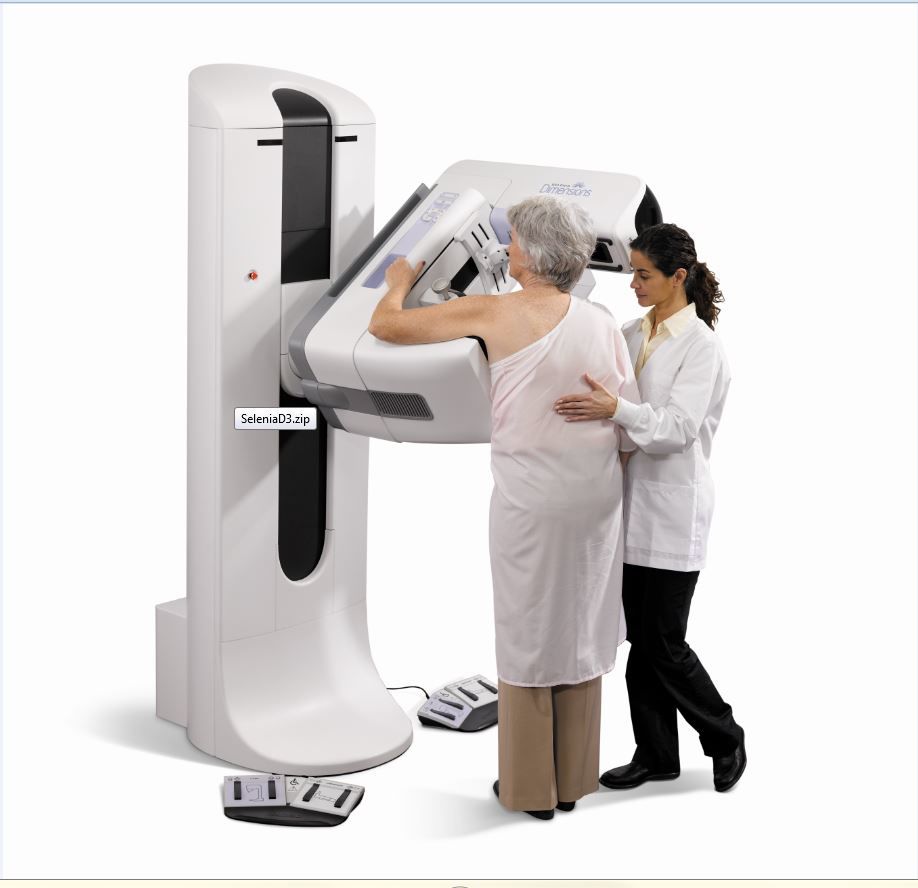
“The 3D mammography machine looks very similar to our digital mammography machines and the patient is positioned the same way. A 2D and 3D image are produced at the same time, so there is no additional compression and it takes only a few seconds longer for each view,” Stewart said.
Stewart also said studies have shown 3D mammography provides better visualization of masses, distortions and asymmetric densities, which can reduce the chance of the patient being called back for additional views. Studies also demonstrate more than 25 percent improvement in overall cancer detection rate, finding 40 percent more invasive cancers than conventional 2D mammography alone.
Christi Layton, women’s imaging manager at McKay-Dee Hospital, said if you think of your breast as a loaf of bread, 3D makes it so the radiologist can look at each slice individually.
“For those with dense breast tissue, it can help detect a cancer when it is barely visible, or a much smaller lesion than can be seen on the regular 2D images,” Layton said. “There is no additional radiation, as the newest equipment has radiation dose-limiting technology.”
Anyone is eligible to have a 3D mammogram, but it would be most beneficial to baseline patients, patients with extremely dense breast tissue and those with a personal or family history of breast cancer, Stewart and Layton said.
There is no additional cost for the 3D mammogram.