Meat inspection records show major violations at two Utah shops
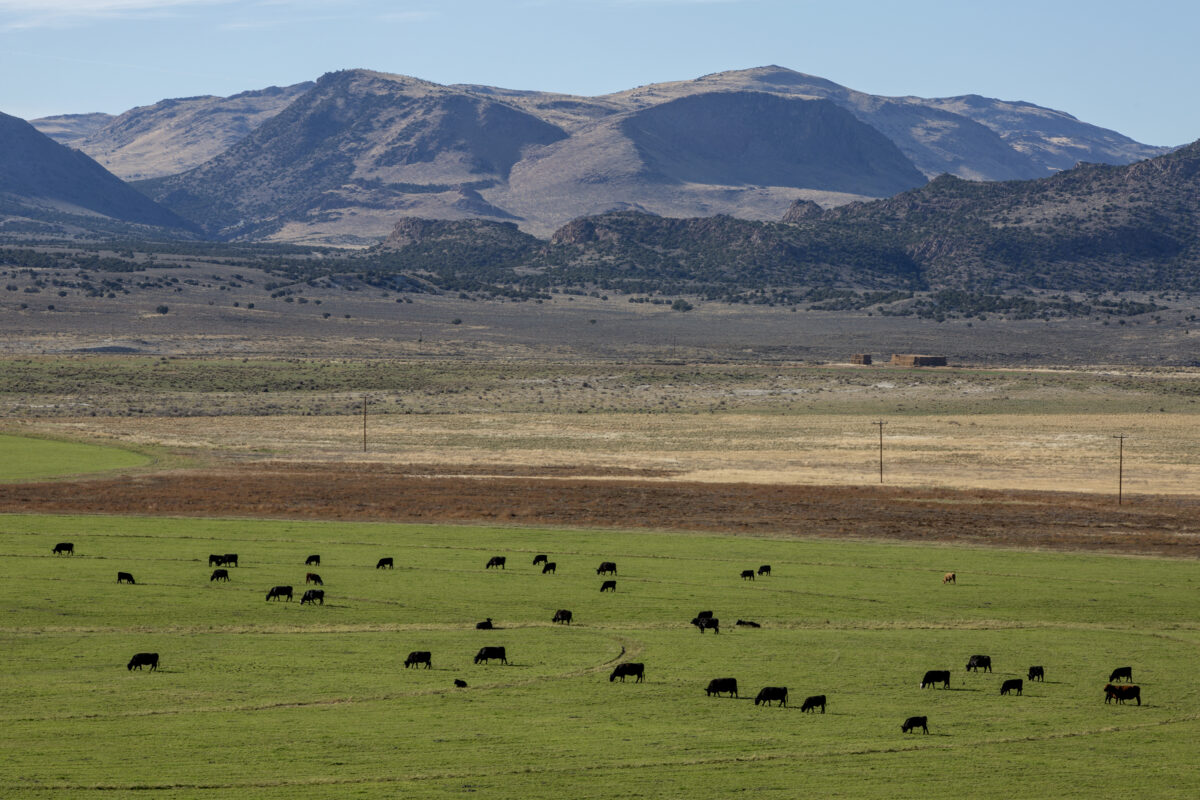
Cattle graze around Grouse Creek on Wednesday, Oct. 14, 2015, in far northwest corner of Utah.
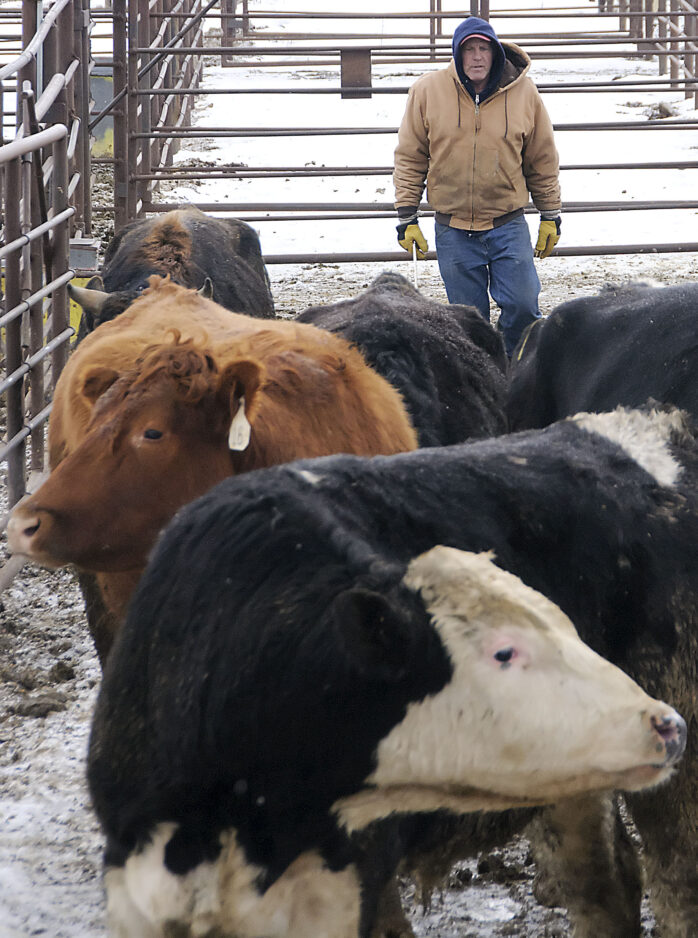
ADVANCE FOR WEEKEND EDITIONS - In this Monday, Feb. 22, 2016 photo, Alan Hansen works to load the last cattle from the Smithfield Livestock Auction into a truck in Smithfield, Utah. The livestock auction officially closed after 57 years in business. (Eli Lucero/The Herald Journal via AP) MANDATORY CREDIT
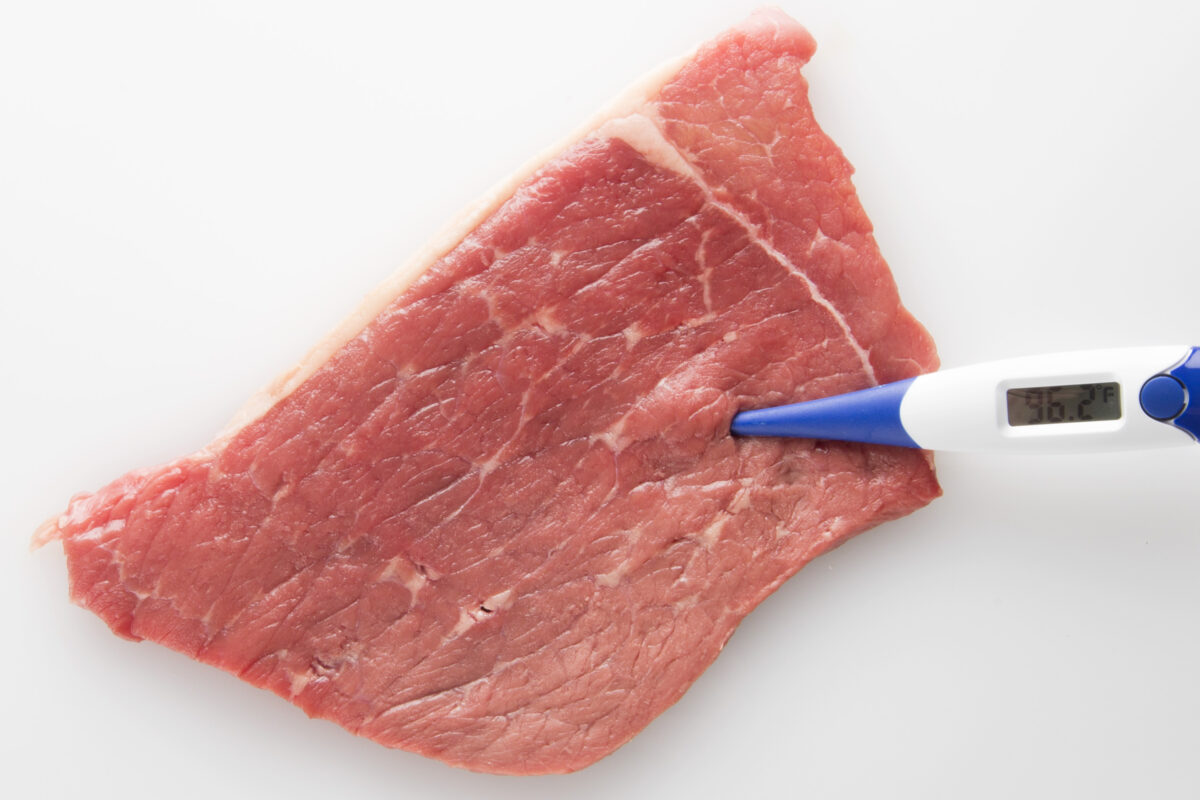
Food safety illustration in Ogden on Saturday, April 23, 2016.
SALT LAKE CITY — Two custom slaughter shops in Box Elder County committed major food safety violations, records of state-conducted meat inspections in 2015 show.
State officials suspended the license of MB Meats in Tremonton after a July 20, 2015 inspection found critical violations, including rust and slaughter residue on contact surfaces of a grinder and saw, deterioration of the slaughter area’s ceiling and walls and dead flies in a light cover.
The violations were so severe that adulterated food was certain to reach consumers if the problems were not corrected, a Utah Department of Agriculture and Food inspection report showed. MB Meats later went out of business.
In a February 2015 inspection, slaughter residue was found on contact surfaces of the main table and saw at HW Meat Processing in Willard, a state document indicated. Two beef carcasses in the cooler were contaminated with hide and hair and were not tagged as prohibited for sale, the report said. The problems were corrected, it said.
The two butcher shops were described by state law as ”farm custom slaughter shops” and are among more than 40 around Utah. Such shops slaughter, skin and prepare livestock and poultry brought in by customers. The meat is packaged and returned to the animal owner. The products are for the customers’ consumption only and resale is prohibited.
Custom shops also handle a lot of big game brought in by hunters during the fall.
Carla Berry, manager of Davis Custom Meat in Weber County, said her business processes and packages beef, pork, lamb and game such as elk, deer and moose.
Davis is one of seven licensed custom meat shops in Weber, Box Elder, Morgan and Davis counties.
In response to an open records request, the state meat and poultry inspection office reported that 120 routine inspections of custom shops were conducted in 2015. Eighty-two inspections resulted in acceptable outcomes, 33 listed minor problems, and the two Box Elder cases were responsible for four major and one critical violation.
Noel McSpadden, inspection program manager, said inspectors find critical violations “very, very seldom, and usually that situation is taken care of.”
If necessary, the state can issue warning letters, impose fines or suspend a business’ license, as had occurred with the Tremonton shop. Most minor violations involve labeling or paperwork, not contamination of food, he said.
McSpadden’s office also responds to reports from the public of potential problems at so-called custom-exempt shops. Inspectors recently looked into a report that meat from horses and old cattle may have been processed at a custom shop, but the report was unfounded.
The state also is responsible for inspecting dozens of major meat processing plants in Utah, those whose products are sold to consumers.
The meat inspection office denied a request for more detailed data of meat processing plant and custom-exempt shop inspections from recent years, saying easily searchable electronic databases are not kept and that compiling the data for public review would cost hundreds of dollars.
Story continues below photo.

In this Monday, Feb. 22, 2016 photo, Alan Hansen works to load the last cattle from the Smithfield Livestock Auction into a truck in Smithfield, Utah.
The state’s inspections of the major processing plants are done in accordance with U.S. Department of Agriculture requirements and standards, and the federal agency periodically reviews and re-certifies the state operation, said Larry Lewis, UDAF spokesman.
Most meat processors like to keep a low profile, sometimes because of potential attacks by animal rights activists.
“We got hit by ALF a few years ago,” Berry said, referring to the Animal Liberation Front. She said the vandals slashed tires and shot the building.
Members of the ALF and similar groups have reportedly vandalized animal industry plants in Utah over the years, and a Summit sheriff’s search for suspects who broke into a mink farm investigated ALF.
Lewis said roughly once a year “we hear of activists doing physical harm to a meat plant or dairy or any kind of animal enterprise.”
You can reach reporter Mark Shenefelt at mshenefelt@standard.net or 801 625-4224.