Rise and shine with healthy cereal choices
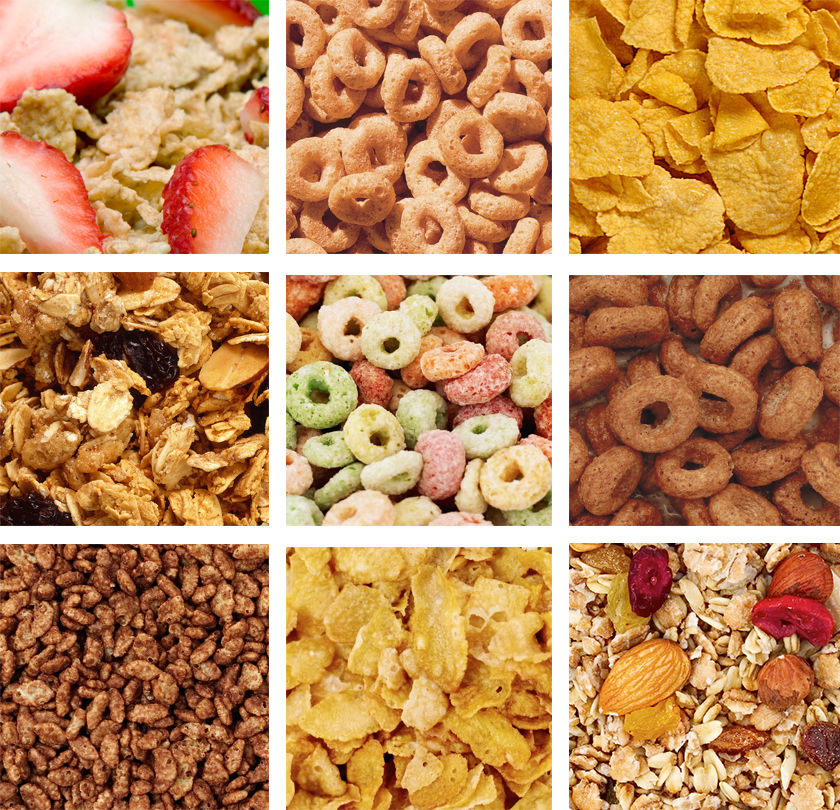
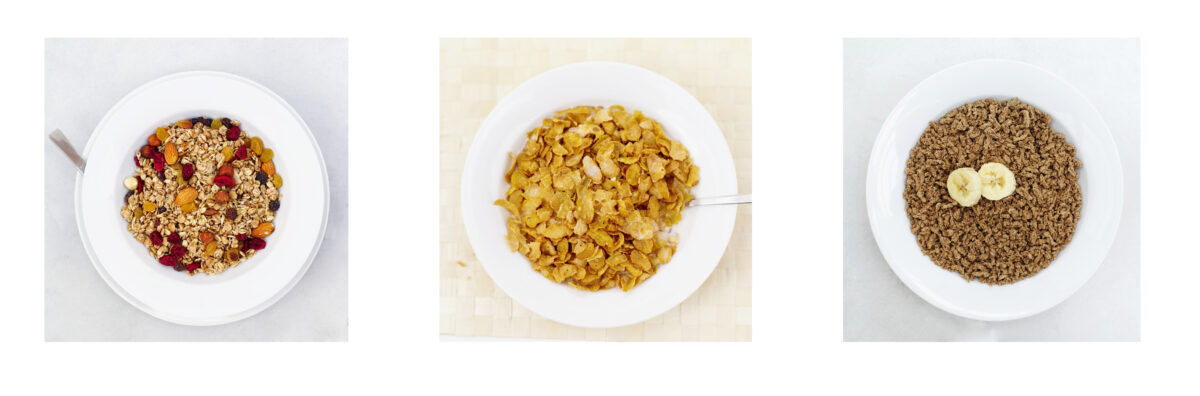
Sleepy, bleary-eyed folk struggle to feed their faces and re-charge their batteries morning after morning and what do they reach for?
Cereal.
Flaked or puffed, crisped or toasted, cereal is far and away the choice of the masses for the daily rise-and-shine meal.
But the sheer number of choices is overwhelming — as anyone who has ventured down the grocery store cereal aisle knows — and consumers must be discriminating to get the most from that morning bowl.
One recent survey attempts to sort out the shopper confusion by rating 301 breakfast cereals for their “healthiness” or “unhealthiness.”
The survey, conducted by DietDetective.com and Charles Platkin, of the Hunter College and City University of New York School of Public Health, evaluated cereals based on 19 criteria including fiber, sugar and sodium content, and total calories.
Topping the oh-good-for-you list are such products as organic millet puffs, shredded wheat, wheat biscuits, whole grain cereal puffs and good ol’ oatmeal. And coming in dead last were such kid-magnet choices as Monsters Boo Berry, Rice Krispies Treats, Fruity Pebbles and Chocolate Lucky Charms.
Since Americans eat a lot of cereal — more than 90 percent of household pantries contain cereal, the survey notes — making the most of those grains matters. We asked Top of Utah nutritionists to weigh in on how to make the best cereal choices.
Make it stick
Fiber is a key factor to look for; pick up a cereal with 5 grams of fiber or more per serving, says Amy Cain, a registered dietitian at the Ogden Clinic.
Fiber is more satiating and will ensure your breakfast sticks with you throughout the morning, Cain says, explaining, “It digests more slowly so people are more full for longer.”
Read the nutrition label to check the amount of fiber; unlike breads or pastas, cereals don’t often tout that they are 100 percent whole grain, she says.
Also, there’s no need to stick to trendy or “designer” fiber-rich cereals that are typically more expensive, Cain says. Many house brands or generic brands also feature high-fiber options.
Most Americans don’t eat enough fiber every day and breakfast cereal is a great way to add more to our diets, adds nutritionist Trish Brimhall, owner of a Kaysville nutrition consulting firm.
“We’re only getting about 50 percent of the recommended fiber intake,” she says.
If the idea of a high-fiber cereal sounds unappetizing, Brimhall recommends changing slowly and adding a healthier cereal to whatever you are already eating.
“Keep the Frosted Flakes and mix them with some Wheaties or some bran flakes,” she says. “Mix them half and half in your bowl.”
Curb the sweets
Choose a variety of cereal with five grams of sugar or less per serving, Brimhall suggests.
Joy Musselman, a dietitian at Ogden’s McKay-Dee Hospital, agrees, saying, “Breakfast cereal contributes quite a lot of sugar to the American diet.”
Cain says 4 grams of sugar are equal to 1 teaspoon, so a cereal with 16 grams of sugar per serving, for instance, has 4 teaspoons. It can add up quickly, she says, when the American Heart Association’s recommendation is that women consume no more than 6 teaspoons, or 25 grams, or added sugar per day, and that men eat no more than 10 teaspoons or 40 grams daily.
Sugar has been linked to obesity, diabetes and heart disease.
“Americans are getting 16 percent of their calories from sugar,” Cain says. “If we can start off the day right, it kind of helps cut off that problem.”
For fans of granolas, the nutritionists caution that some types can be high in sugar and in fat, particularly trans fats. Be sure there are no hydrogenated or partially hydrogenated oils in the list of ingredients, Musselman says.
It is possible to find a variety of tasty cereals that meet the low-sugar and high-fiber requirements, Musselman says.
“Instead of looking at Honey Nut Cheerios, you’re going to look at the plain Cheerios, and you’re going to look at the plain bran flakes and the plain shredded wheat,” she says.
You can always add a little honey or sugar to a less-sweet cereal at first, Musselman says. “Sometimes it helps to go gradually,” she says. “Your taste buds do become used to eating things that aren’t as sweet.”
Beyond breakfast
Also, keep in mind that cereal in and of itself doesn’t make for a balanced breakfast, Cain says, so perhaps add some nuts, for protein, or a piece of fruit.
Be sure to eat enough total calories for breakfast, at least 400 to 500, so that the meal makes you feel full, Cain adds; otherwise, you’ll be tempted to eat unhealthy snacks by mid-morning.
The Rule of Five — as in the desired grams of fiber and sugar — may seem too strict to some cereal lovers, especially to families with children, Brimhall says.
“That significantly narrows the playing field and it kind of leaves you with what my son calls ‘twigs and bark’ in your shopping cart,” she says.
So, if you want to “relax” the requirements a bit, Brimhall says aim for at least 3 grams of fiber in cereal and no more than 9 or 10 grams of sugar. Once in awhile, she says, it is even OK to purchase a “sugar bomb” cereal as a treat, as long as it’s not routine.
And cereal isn’t just for breakfast, Brimhall adds. If you’ve got teenagers, “the bottomless pit has to be filled with something,” she says, and a bowl of cereal with milk and fruit can be a healthy anytime snack.
Contact reporter Becky Cairns at 801-625-4276 or bcairns@standard.net. Follow her on Twitter at @bccairns or like her on Facebook at www.facebook.com/SEbeckycairns.
Health

Ask Dr. Steve: School’s out for summer — Now what?: Helping kids thrive (not just survive) the unstructured months ahead
Ask Dr. Steve: Online Gambling’s Predatory Playbook: How apps like FanDuel hook young people using drug-dealer tactics