Me, Myself, as Mommy: Utah’s measles outbreak highlights frustrating times
-

- For years, Utah’s early childhood vaccination rates have been declining.
-
- Meg Sanders
Utah parents decided this wouldn’t just be the Year of the Fire Horse, last seen in 1966. Instead, it’s the year of the measles outbreak — not seen since the introduction of the vaccine in 1963.
Utah is currently making national news thanks to our more than 300 cases of an illness that can be avoided simply by believing in science instead of a man who works out in jeans. At the recent state wrestling championship, athletes not only competed for first place but also for a case of measles. Of the 300 diagnoses, most are coming out of southern Utah, a fact as shocking as water being wet.
The concern isn’t because measles has a high risk of death for older children; it’s just another example of the frustrating timeline we’re living in, where public distrust of the government is seeping into our healthcare. According to the National Library of Medicine, kids who lived through a pandemic are now procreating and engaging in “vaccine hesitancy.” The drop in parents vaccinating their children has been supported by the U.S. Secretary of Health and Human Services, Robert Kennedy Jr., who never went to medical school, studied disease and recently admitted to sniffing cocaine off a toilet seat, using it as a reason to not fear communicable diseases.
As he continues to perpetuate the conspiracy theory that autism is caused by vaccines, he has also revised the childhood vaccine schedule. Fifteen states filed suit against these changes just this week, saying Secretary Kennedy circumvented federal law when downgrading recommendations for six vaccines, including major ones: rotavirus, meningococcal, hepatitis A and B, and RSV.
Even with the restructuring, the measles vaccine, which is 97% effective, is still recommended for all children — and yet here we are in the midst of a measles outbreak. Ironically, it’s those of us who vaccinate our children protecting those children whose parents elected to ignore statistical data. We’ve proffered them herd immunity but it’s slowly chipped away.
Speaking with Amy Carter, a nurse from the Weber-Morgan Health Department, she said she sees the trend of vaccine hesitancy happening in our own community.
“In Utah, we have seen the trend of more parents choosing vaccine exemptions go up and vaccination numbers go down over the past five years at a fairly concerning rate,” said Carter. “This trend has been seen across all of Utah, including locally in Ogden, Weber, and Morgan schools.”
The transparency of seeing how many parents are opting out of vaccinations is right at our fingertips on the Utah Department of Health and Human Services’ (DHHS) immunization dashboard. Having information at our fingertips is a double-edged sword. It allows us to track statistics, but access to data doesn’t mean people understand it. That’s a big reason vaccination rates are dropping: parents think the research they do on Google is the same as a medical degree or scientific research experience.
While the DHHS highlights that most of the population is vaccinated, exposure is still happening, due in part to mild cases where people still go to school, church, or an important wrestling tournament, exposing peers, parents, and grandparents. There are things those concerned about exposure can do to protect themselves.
“We have safe and effective vaccines available that can provide protection and benefit through all stages of life, from young to old,” explained Carter. “From everyday protection to shorter, specific time frames, such as traveling, working certain jobs, or living with medical or non-medical conditions that can put a person at higher risk for certain diseases.”
I also learned, speaking with the Health Department, that those born before 1957 are generally considered immune to measles due to childhood exposure. It was a paltry 2.6 million people who died from measles each year before the vaccine. Maybe the anti-vaccination crowd is playing 3D chess, trying to create that same line of future immunity by getting us all sick in this outbreak.
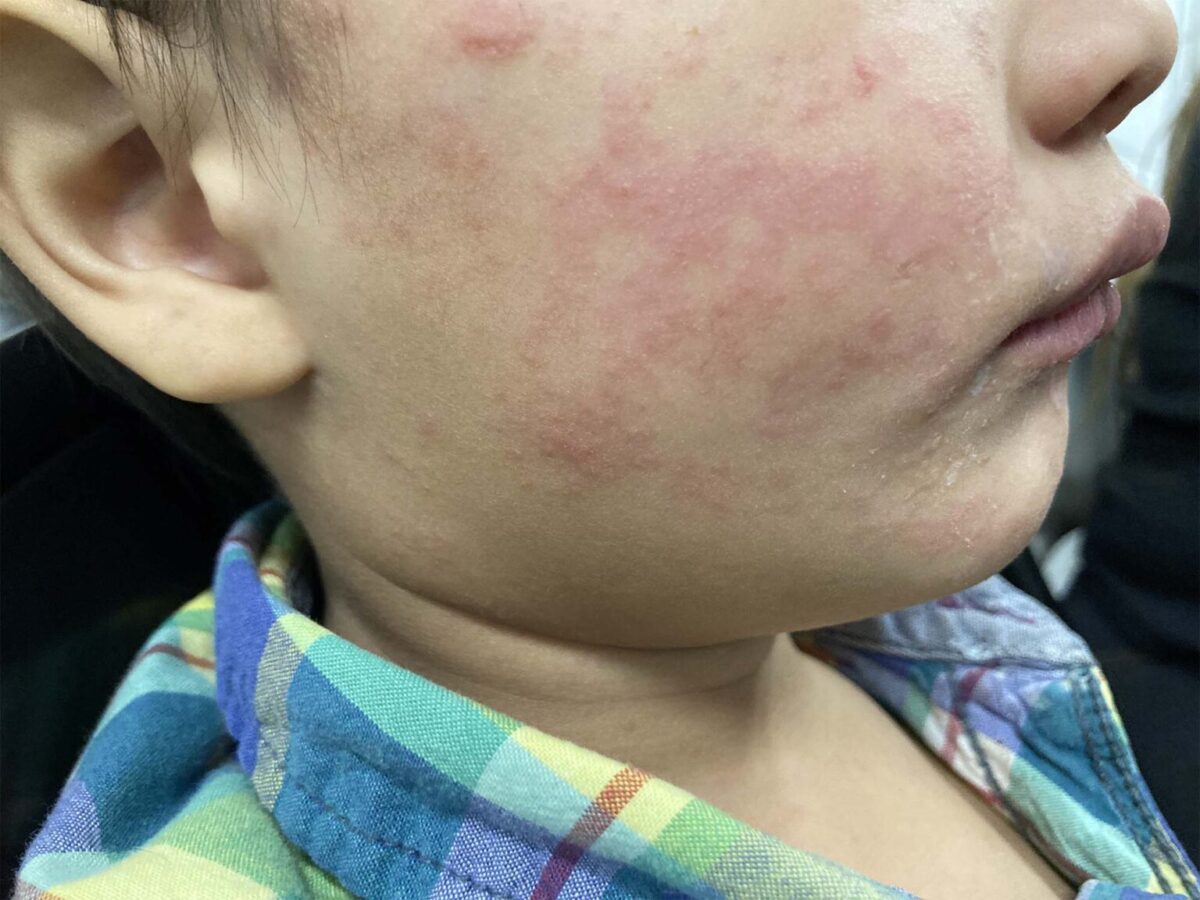
If you’re unsure of your vaccination status, contact your doctor or local health department. They can help locate records, administer the MMR vaccine if needed, or perform a blood test to check for immunity. The best way to keep our community from getting measles, especially if a parent has opted out of vaccinations, is to keep your child home if he or she is sick with a fever, rash, sore throat, or cough. Measles can spread before symptoms even fully appear.
The last time the Year of the Fire Horse appeared, it was 1966. Before that, it was 1906 — the year typhoid fever spread widely across the country. I try not to be superstitious, although I’ll admit to researching (Googling) how to sage an entire year. We survived a pandemic and we’ll most likely survive a measles outbreak, but it’s the larger implications of parents opting out of life-saving vaccinations that are more concerning. We must learn from previous research so we don’t see a repeat of 1906, 1918, and 2022.