Me, Myself, as Mommy: Suicide prevention begins with talking openly about the realities of mental illness
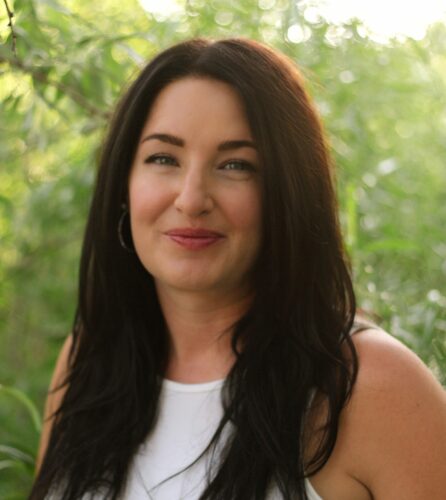
Courtesy photo
Meg SandersWarning, this column discusses mental health issues and suicide.
September has always been my mother’s birthday, the return to a school-year routine and the solemn reminder of 9/11. But for the past 12 years, it has also carried another meaning: It is the month I think about my uncle Matt Musgrave, and the way mental illness can change the course of a family. It is National Suicide Prevention Month.
Twelve years ago, my family lost a father, brother, uncle and friend to suicide, after years of living with mental illness. As shocking as it was to experience, the layers of emotion reverberating years later are still that intense when I think of my uncle. I can still hear his distinct laugh, speech pattern and his squinty eyes from smiling, like mine.
Matt loved fishing. It was something he did with my uncles, our great-grandfather and, sometimes, my grandpa. At his funeral, someone read a passage from A River Runs Through It. Those words have stayed with me through the years of reflection:
“Eventually, all things merge into one, and a river runs through it. The river was cut by the world’s great flood and runs over rocks from the basement of time. On some of the rocks are timeless raindrops. Under the rocks are the words, and some of the words are theirs. I am haunted by waters.”
Losing him was a great blow to my entire family, even years later when I talk to my kids about the very real battle they may need to fight in the year to come with their own mental health. It hurts.
Suicide prevention begins with talking openly about the realities of mental illness, recognizing warning signs and making sure people know where to turn for help.
First, mental illness is real. It’s not weakness, it’s not attention-seeking and it’s not a choice. Just as a heart can get diseased, a kidney can shut down or lungs can fill with fluids, the brain can experience health problems, too. Mental health conditions can affect the way a person thinks, feels and functions; they can have many contributing factors, including biology, genetics, trauma and life circumstances. The happiest person in the room can be smiling while also living with depression. Both can be true.
Second, anyone can get smacked with a mental health crisis. Your teacher, your co-worker, your religious leader and your partner. All will need support navigating through that crisis. According to the Centers for Disease Control and Prevention, more than one in five adults in the United States experience a mental illness. Half of all lifetime mental illness begins by age 14 and three-quarters begins by age 24.
The most startling number– 720 people here in Utah lost their battle with mental illness last year.
Third, there is help.
Severe mental illness doesn’t have to be forever. I’ve watched several people I love, struggling with their mental wellness, to the point where they didn’t want to be here anymore, work towards health. It took time. It took resources. It took real discussion and work, but they’re still here and doing better.
Here in Utah, we have resources like the 988 Suicide & Crisis Lifeline, which provides free, confidential support 24/7 for anyone in distress, 211 through the United Way of Northern Utah, Hope Squads and counselors in our schools and NuHope Utah.
Fourth, you are not alone. There is a community of survivors and supporters who aren’t afraid to talk about mental illness, suicide and recovery. You can find those people this Saturday, Sept. 19 at the 19th annual NuHope Suicide Awareness Walk in downtown Ogden starting at 10am.
This is a space where one of the biggest issues is recognized out in the open– where we trade silence for solidarity. This will be my fourth year of attendance, with my daughter who is invested in the discussion of suicide prevention and mental illness because of its close connection in her life. All my children are aware of the 300 mg of Wellbutrin I take each day.
I’ve had my own low points with mental health, and it was because of the discussions I’d had with my mom that I knew it was time to seek help. I hate to use the word “brave” because it shouldn’t take courage to say out loud our brain needs help but because I grew up in a space where we could talk about the brain and depression, I knew it was time to take the steps to find help. It took time to find the right medication, dosage and then recognizing when it was time to change it up. But it helped.
My kids were five, three and one when we lost Uncle Matt, the man who would hold them at Cherry Days or harass them when his kids babysat mine. He is not only the person who led us to the clear reality of just how much mental illness can hurt, but the person who showed us how to live to the fullest, so when we think of him it’s with smiles and stories.
If you are struggling, or you know someone who is, reach out. Start the conversation. Ask for help. And remember: Things can get better.
I know our family gets the greatest comfort seeing his amazing children, my cousins, succeed and create beautiful lives.