Deseret Peak: A wilderness story of the West
Deseret Peak Wilderness
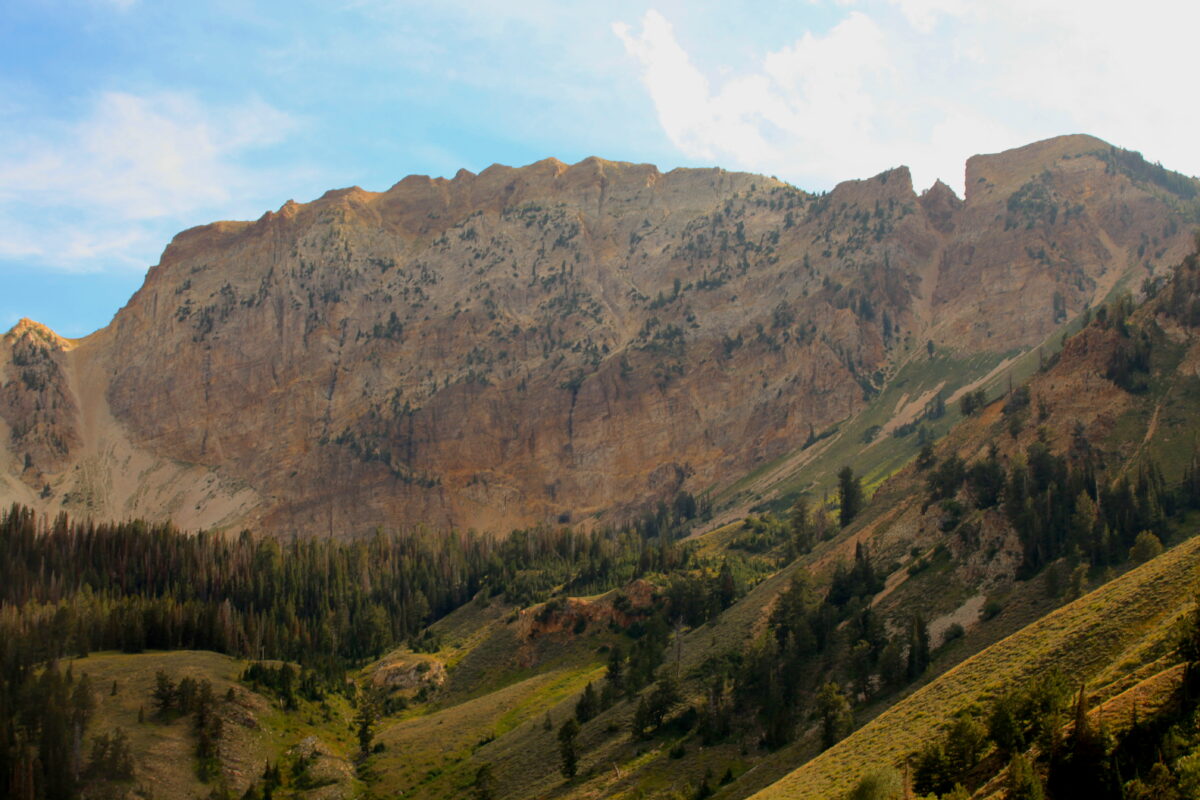
The Deseret Peak Wilderness, located in Utah's west desert near Grantsville, was designated by Congress in 1984. The wilderness is named for the highest point in the Stansbury Mountains, Deseret Peak, and the word "deseret" is a Book of Mormon term meaning "honeybee."
Deseret Peak Wilderness
Deseret Peak Wilderness
Deseret Peak Wilderness
Deseret Peak Wilderness
Deseret Peak Wilderness
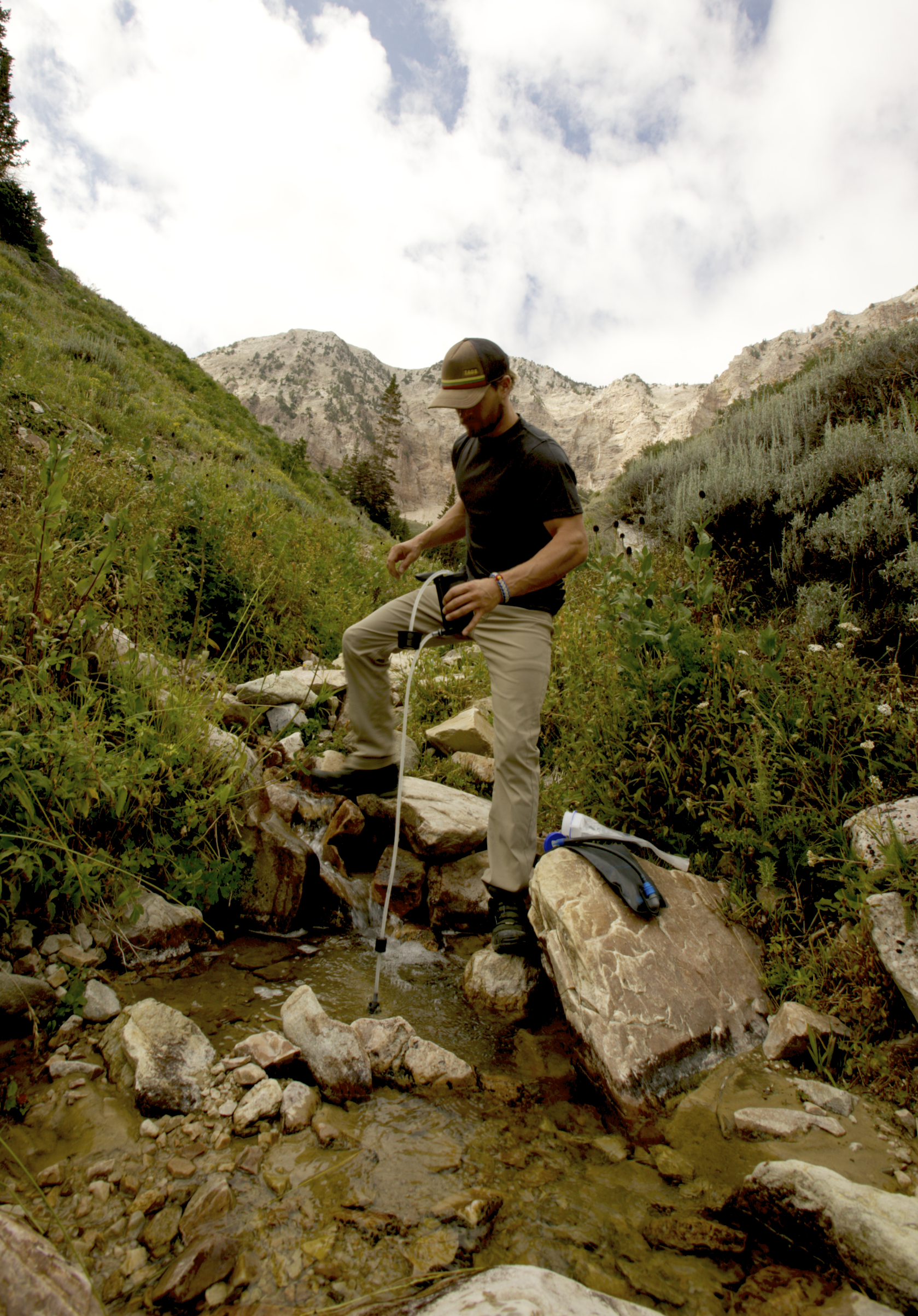
Spencer Priest filters water from a stream in the Deseret Peak Wilderness on Aug. 23, 2014.
Deseret Peak Wilderness
Deseret Peak Wilderness
Deseret Peak Wilderness
Deseret Peak Wilderness
Deseret Peak Wilderness
Deseret Peak Wilderness
”We did not think of the great open plains, the beautiful rolling hills, and winding streams with tangled growth, as ‘wild.’ Only to the white man was nature a ‘wilderness’ and only to him was the land infested with ‘wild’ animals and ‘savage’ people … When the very animals of the forest began fleeing from his approach, then it was that for us the ‘Wild West’ began.”– Chief Luther Standing Bear, 1933
Exploring the Deseret Peak Wilderness and its surrounds is like traveling through the pages of a history book. The steep, carved peaks and scooped valleys tell of a time of ice and glaciers, before people were around to give natural features names.
The first name granted in the area, or at least the first that stuck, was the Stansbury Mountains, which served as a tribute to the first European-based settlers to survey the region. The highest point in that range is Deseret Peak, usually accessed by driving past Grantsville on the Mormon Trail Road. Those names bear testimony to the faith-based culture to first settle the surrounding land year-round.
If you access the wilderness by road, there’s plenty alluding to the area’s mining past along the way. South Willow Canyon has a mining fork. The most recent USGS topographic maps mark hiking trails and water sources for visitors, but they also indicate the locations of old mining prospects. Even older topographic maps, mostly from the 1950s, show the names like “Monarch Mine,” “Silver Drum Mine” and “Coal Pit Spring,” clues to the locally prospected materials.
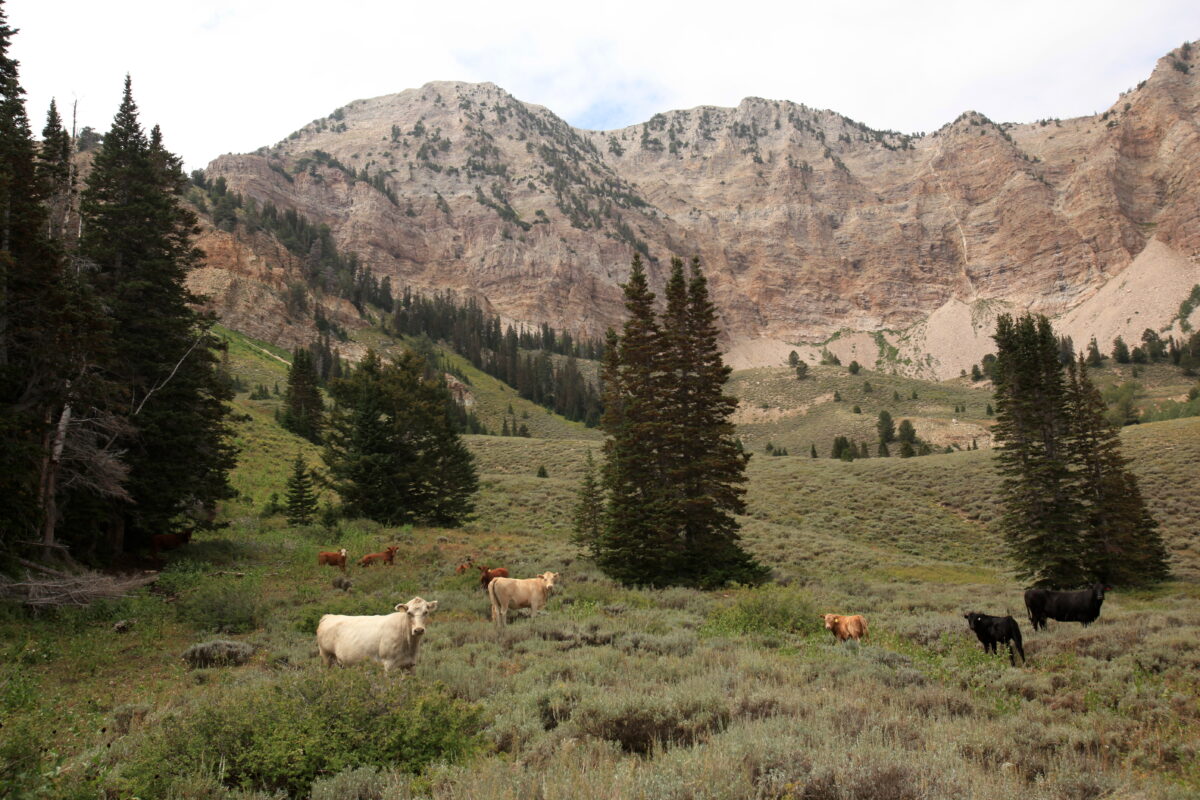
Those abandoned mines and mining roads, along with herds of cattle still grazing below Deseret Peak, are a tribute to the some of the values early settlers placed on the land. Simple wooden signs humbly delineating wilderness boundaries show how those values have since evolved.
A land unbound
The story of Deseret Peak Wilderness isn’t so different from the story of wilderness throughout the West, especially in the way it reveals our evolving human relationship with the land.
“I think you could argue that, initially peoples’ reaction to the wild in nature was one of fear,” said Sara Dant, a history professor at Weber State University who specializes in Utah, the West and the environment. “There were all kinds of frightening things in nature. There’s a reason why there’s a Big Bad Wolf in the forest and the Brothers Grimm fairytales are so grim.”
In his book, “Wilderness and the American Mind,” the environmental scholar Roderick Nash also noted our culture’s dubious relationship with wild land. The Christian paradise, after all, was a manicured Garden of Eden. In Roman mythology and medieval folklore, the uncultivated forests held dark magic and unbound danger.
European-based settlers took those notions with them to the New World as they colonized the East and homesteaded the West. Notions like “Manifest Destiny” and “rain follows the plow” highlighted these settlers’ relationship with the land and the value placed on civilizing the wild.
“The taming of the wilderness gave meaning and purpose to the frontiersman’s life,” Nash wrote.
According to Dant, transforming nature from “wild” to a profitable resource dominated the Western psyche.
“The primary attitude toward the West for much of 19th century was that it was a resource base from which the nation could create tremendous wealth and power,” she said. “Factories were in the east, but the raw materials, like timber, ores, fish and furs, came out of West.”
The rise of wilderness
Those notions, of course, weren’t shared by all. Naturalists like Henry David Thoreau, John Muir and Fredrick Law Olmsted wrote eloquently about the natural beauty and solitude found in unexplored landscapes. From those ideas sprang movements, and Americans began to find their own unique identity within those wild places.
“By late 19th century, a number of people and organizations began to say, ‘wait a minute, we don’t have unlimited natural resources, and if we’re not careful, we’re going to run out,'” Dant said.
The story, of course, continues for volumes from there, and according to Dant, there’s plenty to be said about Utah’s own controversy with wilderness. Even more could be examined with the native and impoverished populations driven off lands to preserve the desire of places without people.
Ultimately, however, emerged the notion of preserving landscapes as part of our national psyche. First came national parks like Yellowstone and Yosemite. Then, in 1964, came the Wilderness Act, designed to preserve places “where the earth and its community of life are untrammeled by man, where man himself is a visitor who does not remain.”
According to Dant, saving superlative natural areas purely for their scenic and primitive qualities set the United States apart from much of the world, and particularly our European forbearers.
“We had the great advantage of having started early, while there were still wild places that could be protected,” she said. “It’s been called ‘America’s best idea.'”
Today, around five percent of the United States is protected wilderness, or around 109.5 million acres. In Utah, over one million wilderness acres are protected on U.S. Forest Service and BLM lands. Still, urbanization and industrialization have eliminated wild areas to the point where they’re a novelty, and no longer the norm.
“The whole idea of things becoming valuable once they’re rare, that’s very true with open spaces,” Dant said, “Now you don’t have to go out and interact with nature, except on your own terms. You can leave after three days, or a week, back to running water and toilets.”
As a result, wild lands no longer feel like a threat to our daily survival like they did to the pioneers and frontiersmen who chiseled and plowed a living in the region, establishing our current cities and states. That, perhaps, is what made us feel just comfortable enough to offer them our protection.
“In America, wild places came to seem like something exotic and wonderful,” Dant said. “They’re a place to escape, a respite from the problems the city and factory seem to embody.”
A place of solitude
My partner Spencer Priest and I liked the idea of exploring the Deseret Peak Wilderness after our research of the area continually turned up words like “solitude” and “devoid of crowds,” especially given its proximity to urban areas on the Wasatch Front. We were also drawn to the anomaly of its setting.
The foreboding Skull Valley lies to the west, followed by salt flats and the immense Dugway Proving Ground. The Deseret Peak Wilderness area, however, is like an alpine oasis.
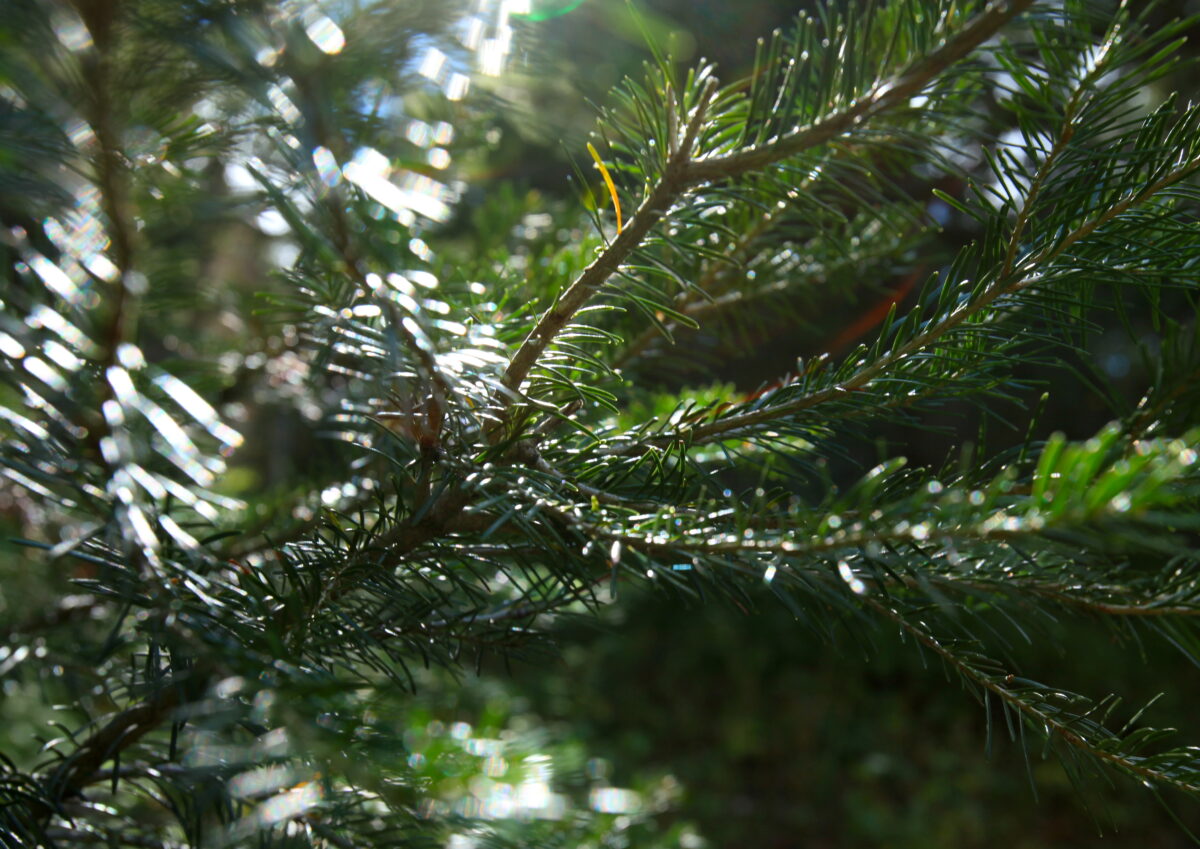
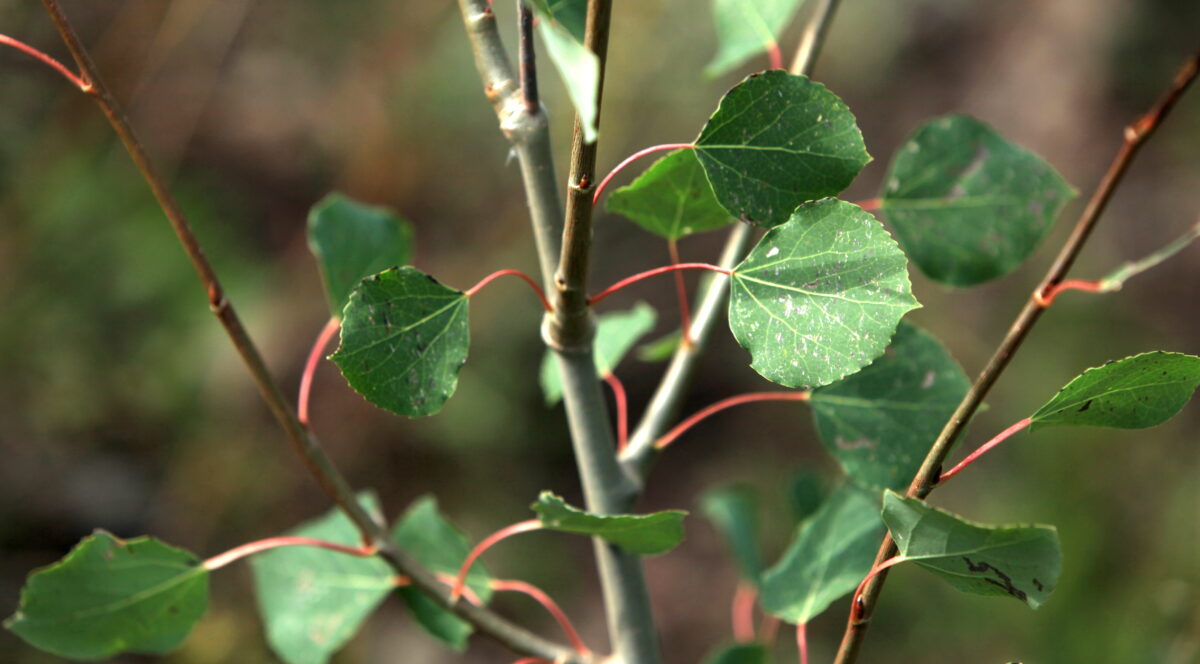
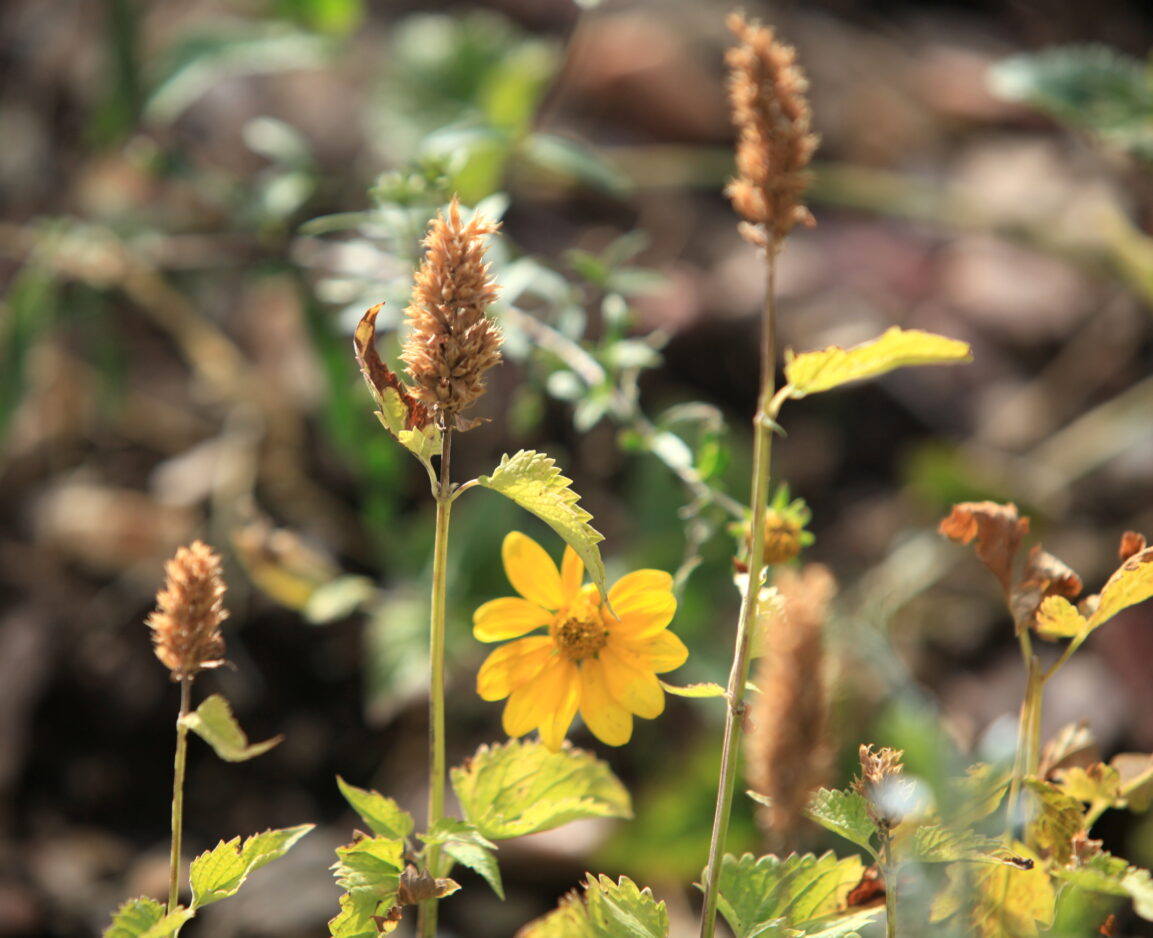
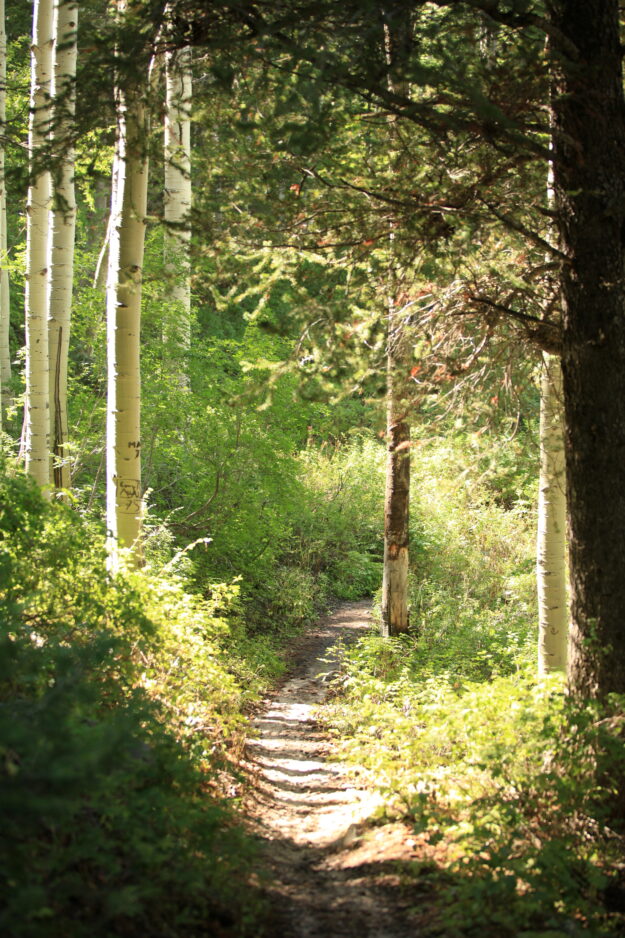
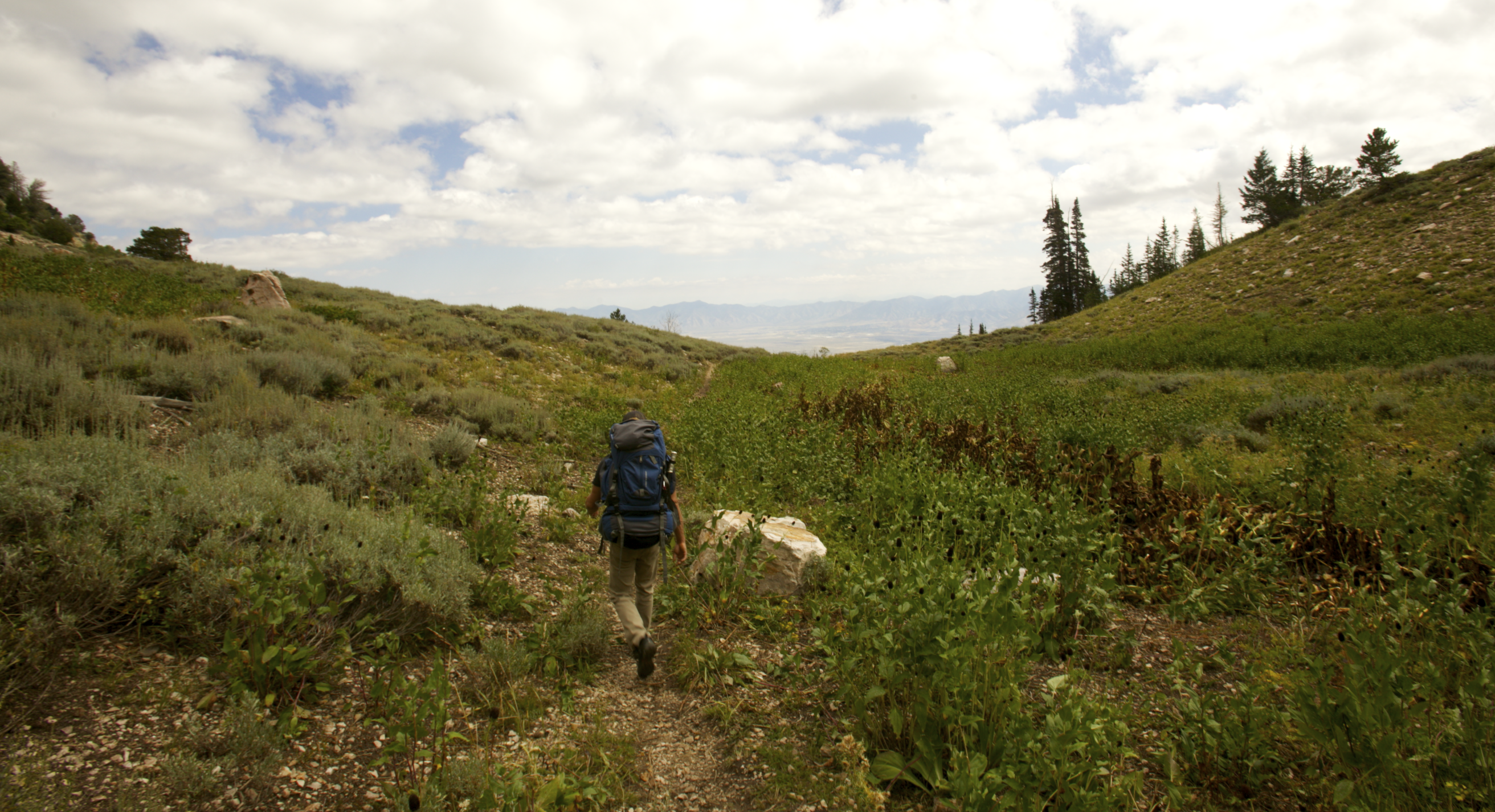
Even in late August, streams trickled and wildflowers blanketed slopes. Clusters of aspen and pine gave frequent shade on trails. Most visitors to this wilderness area opt for a day hike, but Spencer and I decided to stay overnight.
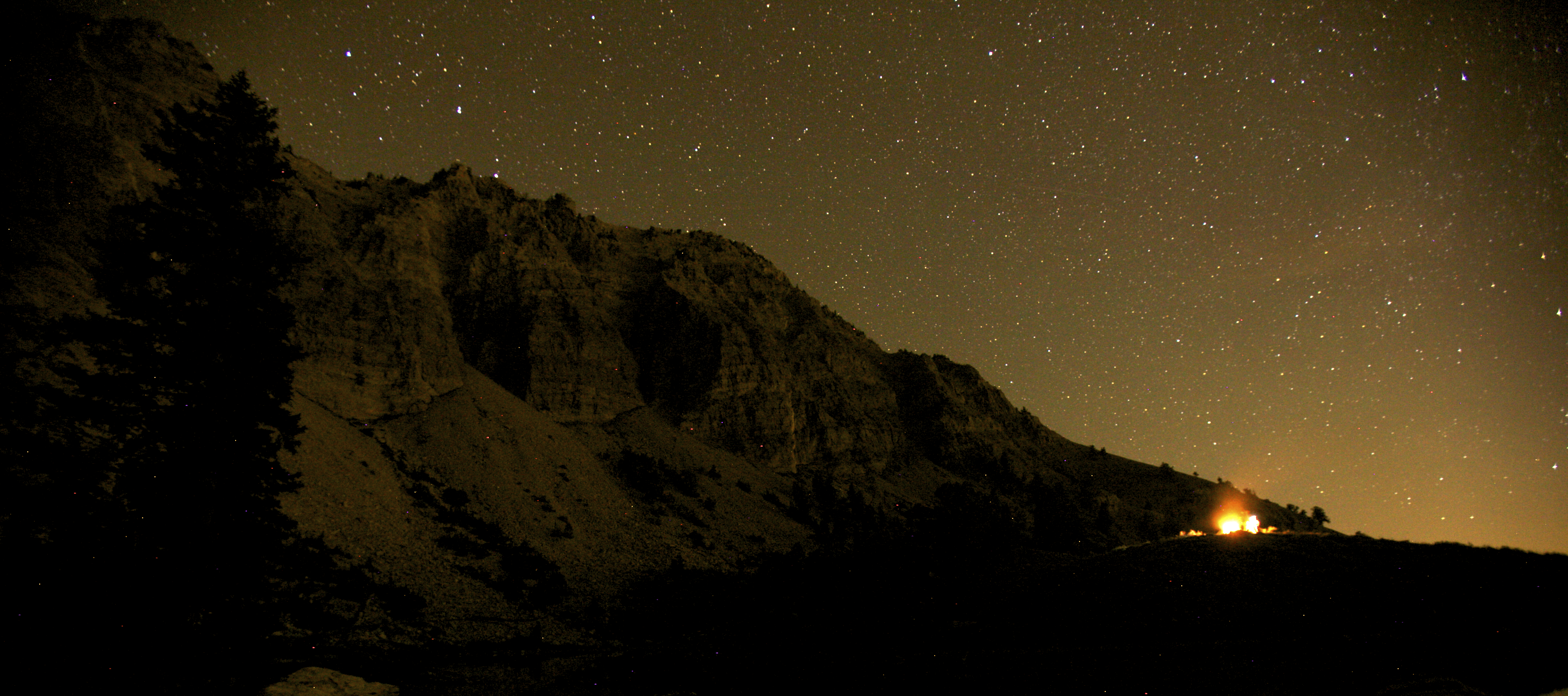
We set up camp near South Willow Lake, a small water body that’s cradled to the west by an unnamed cirque. As we watched the stars set over that cirque by night, then woke the next morning to the sound of rockslides sloughing down its face, it felt comforting to know that even in a refuge so close to home, surrounded by development and industry, there remained a place still unpopulated with features left unnamed.
Outdoor and Environment Reporter Leia Larsen can be reached at 801-625-4289 or llarsen@standard.net. Follow her on Facebook at facebook.com/leiaoutside or on Twitter @leialarsen.