Historic Cache Valley cabin connects forest enthusiasts to the past

The Blacksmith Fork Guard Station in the Cache National Forest, constructed in 1934, was recently repaired and restored. It opened to the public for nightly rentals in May 2015.

The Blacksmith Fork Guard Station in the Cache National Forest, constructed in 1934, was recently repaired and restored. It opened to the public for nightly rentals in May 2015.
The U.S. Forest Service has a long history in the West, and now that history can be part of enjoying the forest in Utah.
Tucked away up Cache Valley’s Blacksmith Fork Canyon sits a quaint, white and green cabin. It’s shaded by old box elder trees. The Lefthand Fork of the Blacksmith Fork River flows a stone’s throw away. The U.S. Forest Service built the guard station cabin in the 1930s, with help from the New Deal era Civilian Conservation Corps, as a seasonal home for the district ranger. The 1930s also marks a period when rangers throughout the Uinta-Wasatch-Cache National Forest began a new effort to encourage organized recreation on public lands, instead of mostly managing forest lands for fire suppression, livestock grazing and timber harvesting.
These days, after meticulous preservation efforts, The Blacksmith Fork Guard Station is open to the public for nightly rentals and a unique recreation experience.
“These places, they’re special for a lot of reasons. They represent Forest Service architecture, for sure,” said Rachelle Handley, a Heritage Program archeologist for the Uinta-Wasatch-Cache National Forest. “We want to preserve those for generations to come, so they can see them and enjoy them.”
Rent the Blacksmith Fork Guard Station
Location: Cache National Forest, around 11 miles east of Hyrum up Blacksmith Fork Canyon
Cost: $75 each night; $525 each week. There is a two-night minimum stay on weekends and holidays
Accommodations: Sleeps up to five people, with room for tents and RV parking outside.
Reservations: Visit recreation.gov or call 1-877-444-6777.
The U.S. Forest Service built guard stations throughout the forest, about a day’s horseback ride apart. Ranger districts were much smaller back then, although they took plenty of time to manage. The ranger would’ve spent his days on horseback — mending fences, repairing phone lines, surveying the terrain and scouting for signs of wildfire. But the rise of the automobile meant expanding forest district boundaries.
“Once you had the introduction of trucks, people were able to get around and do more work quicker, and you could expand the area they were responsible for,” said Logan District Ranger Jennefer Parker.
More cars also brought more people to public lands for picnicking, camping and hiking. But over the decades, the old guard stations were used less and less. They were vandalized. They fell into disrepair.
Story continues below images
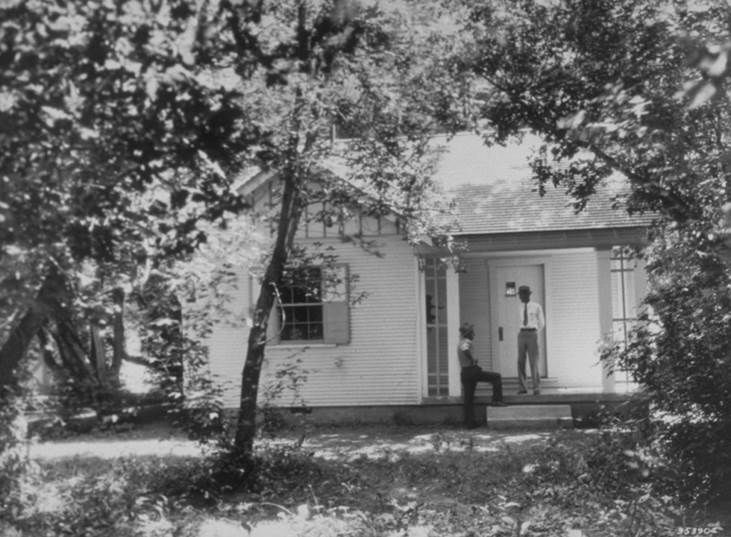
Courtesy U.S. Forest Service
A historical photo taken in the 1930s of the USFS guard station in Blacksmith Fork.
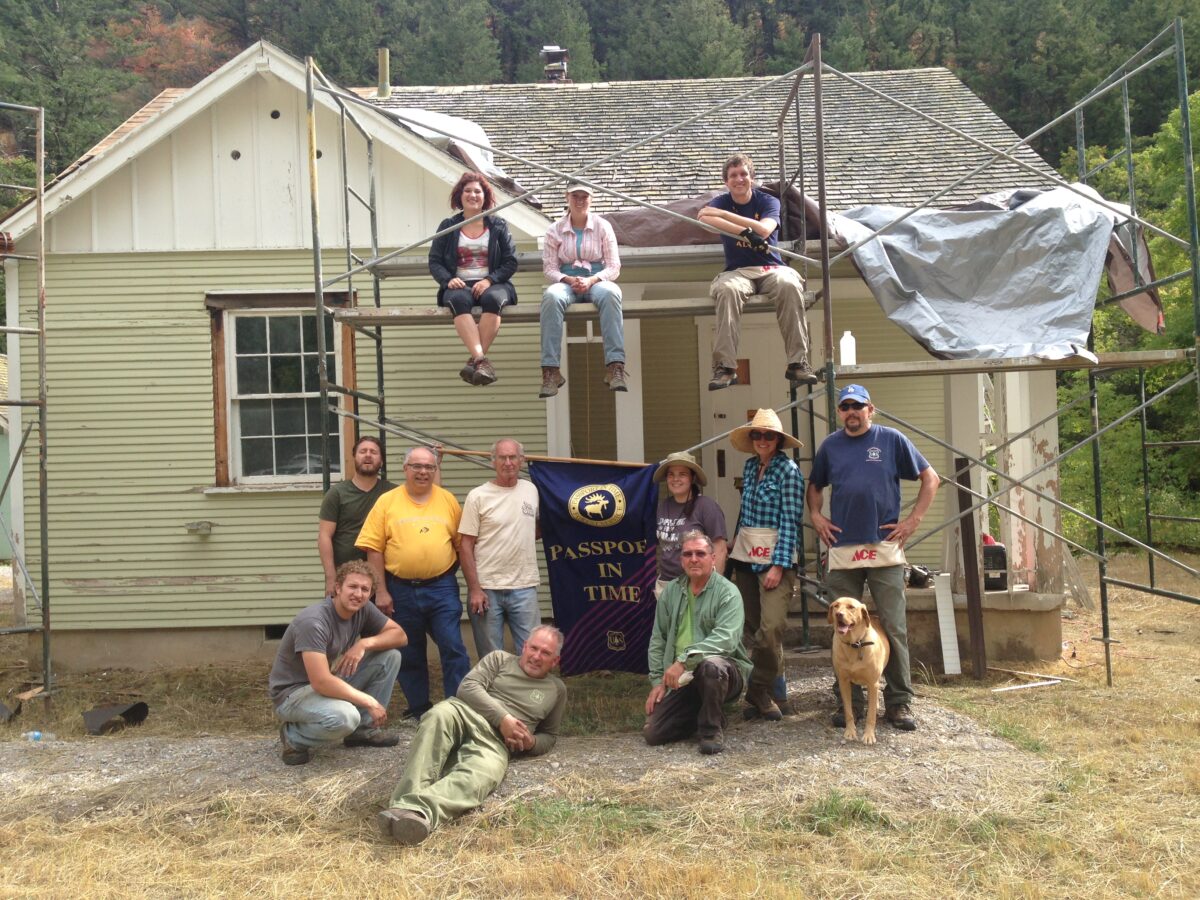
Courtesy U.S. Forest Service
A crew of volunteers through the U.S. Forest Service’s “Passport in Time” program helped restore the historic Blacksmith Fork Guard Station 11 miles east of Hyrum.
“So you once had permanent employees, then they eventually get turned over to summer, seasonal employees. Then something happens to them and they’re not livable anymore, so they sit empty,” Parker said. “Windows get shot out … that’s what you see when there’s not anyone having a presence there all the time.”
Nestled away from any major roads, but still among popular recreational draws, the Blacksmith Fork Guard Station took the biggest hit. That’s why crews with the Uinta-Wasatch-Cache National Forest made it their first big historical preservation project.
“It was on the verge of a tear-down,” said Charlie Rosier, a U.S. Forest Service recreation specialist who helps oversee restoration projects. “Doors had been kicked in, and people had kicked out a bunch of windows.”
Handley and Rosier studied historical photographs and old Forest Service architectural plans. With the help of volunteers throughout the nation from the U.S. Forest Service’s Passport in Time program, crews re-roofed the cabin with cedar shakes, repaired the leaded glass windows, repainted the exterior and refinished the old woodwork.
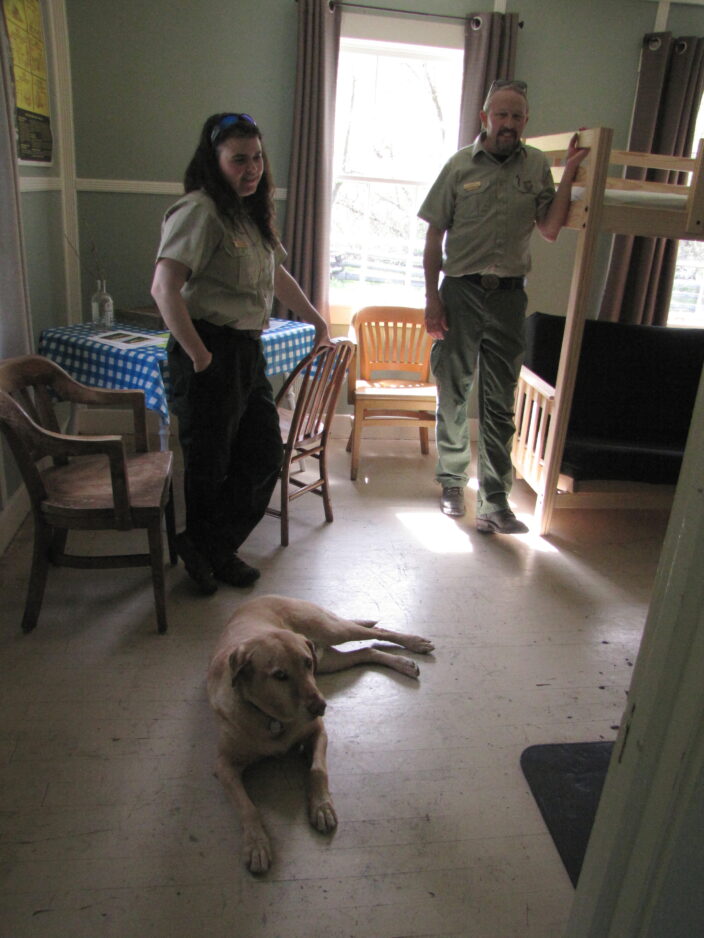
Leia Larsen, Standard-Examiner
Rachelle Handley, left, and Charlie Rosier with the Uinta-Wasatch-Cache National Forest’s Heritage Program, stand in the living room of the restored Blacksmith Fork Guard Station cabin. Along with their “unofficial mascot,” Leo the labrador, they’re working to restore historic guard station cabins at ranger districts throughout the forest.
It took three seasons, and with the Forest Service’s limited personnel and funding, Rosier and Handley said help from volunteers was the key to making the project a success.
“Any member of the public interested in historic preservation, or other archeology can apply for different projects like this across the nation, and play an active role in getting these buildings up and going for the public,” Handley said. “It’s an invaluable program, we couldn’t do it without these great people.”
The Blacksmith Fork Guard Station has officially been open to the public for a year this month. At $75, the cabin can sleep up to five people, with room for tents or RV parking outside. The accommodations are rustic. There’s no electricity or running water, but the guard station has a vault toilet, propane lights, a propane oven and a propane-powered refrigerator. A wood stove provides heat. Cell phones won’t get reception at the guard station, but a horseshoe pit, a stream full of fish and an extensive network or trails provide entertainment. Handley said visitors have booked the guard station throughout last summer and winter, and the feedback has been positive.
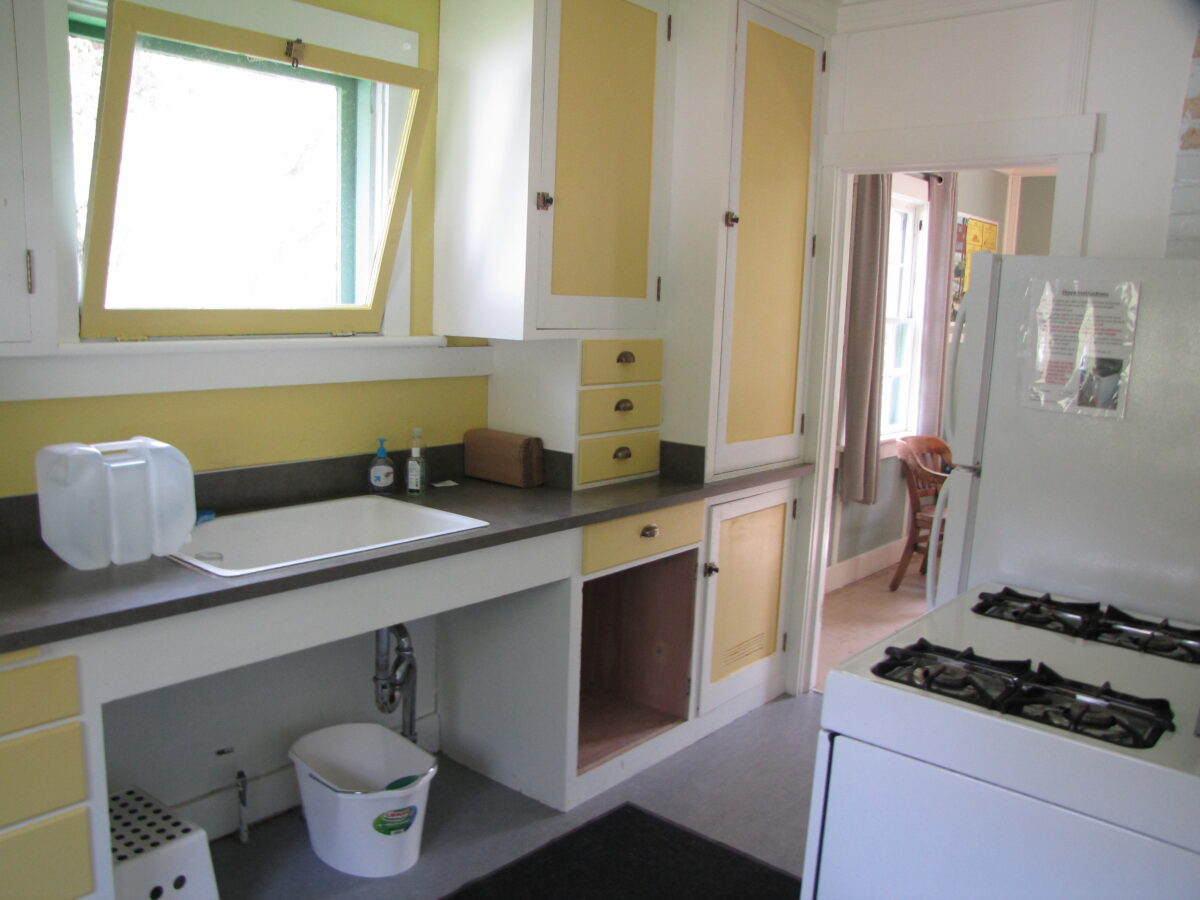
Leia Larsen, Standard-Examiner
The kitchen of the Blacksmith Fork Guard Station was restored to its original 1930s condition between 2012 and 2015. It has a working range and refridgerator, but no running water or electricity. The cabin’s propane fixtures provide light and a wood-burning stove provides heat.
And the restoration work has just begun. Guard stations are still standing in ranger districts throughout the Uinta-Wasatch-Cache, and Handley said she wants to restore all of them. The Blacksmith Fork cabin was the first project, but Handley and Rosier have since opened a guard station to the public at Payson Lakes in the Spanish Fork Ranger District. They’re currently working on guard stations in Logan Canyon and at Diamond Fork. As funding and volunteers become available, they might also restore one in the Monte Cristo area, too.
Guard station preservation projects in the Uinta-Wasatch-Cache National Forest:
Green pins indicate cabins open to the public, yellow pins indicate works in progress.
The intention is to make all the guard stations open to the public, continuing the U.S. Forest Service’s mission to get people out enjoying the forest, while also connecting them to the past.
“They’re great for families, couples, you name it,” Handley said. “It’s something new for people who … don’t have a tent or trailer. This is an option for them, at a reasonable price. They can come out, bring a minimal amount of equipment and still have a good time enjoying public lands.”
Contact Reporter Leia Larsen at 801-625-4289 or llarsen@standard.net. Follow her on Facebook.com/leiaoutside or on Twitter @LeiaLarsen.