ATV Adventures: Pakoon Springs and Tassi Ranch – desert destinations on an OHV
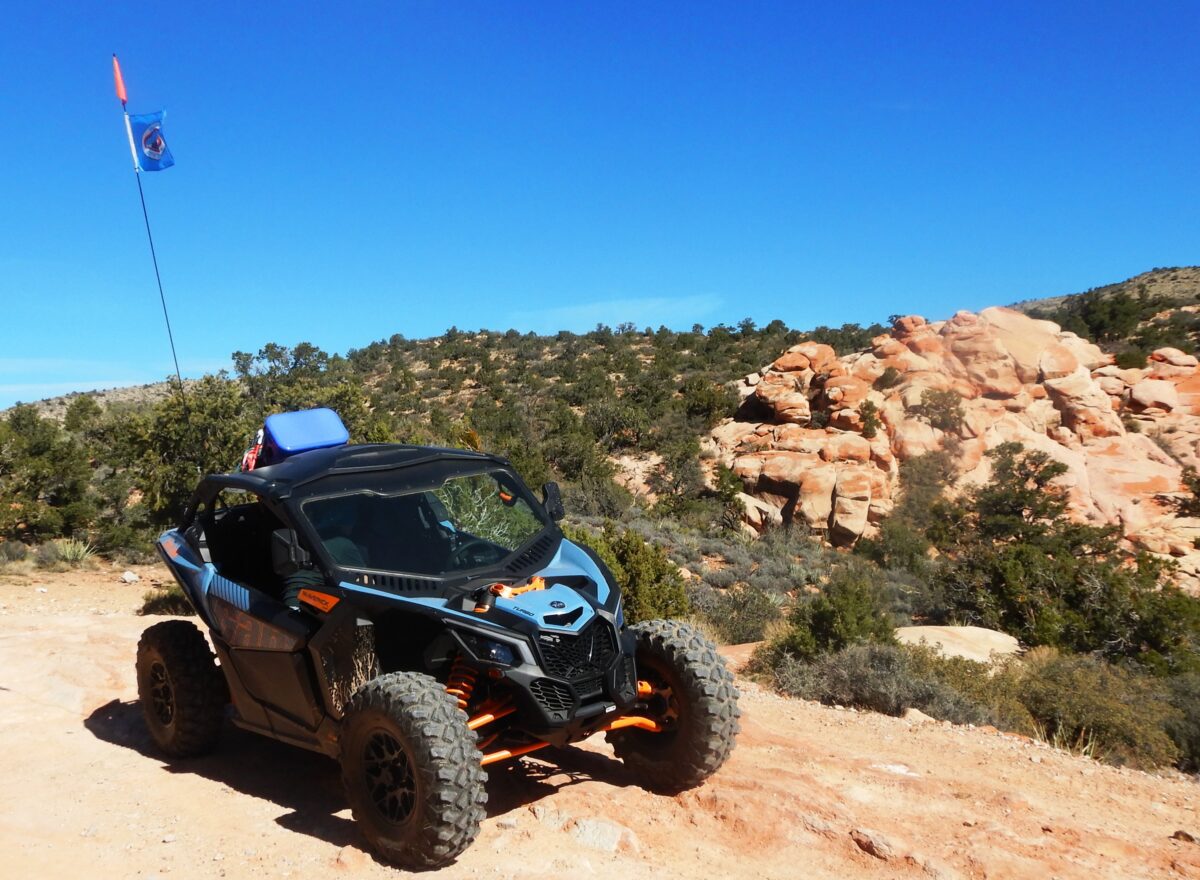
-
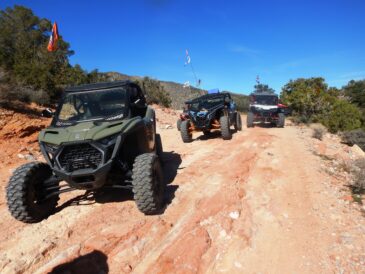
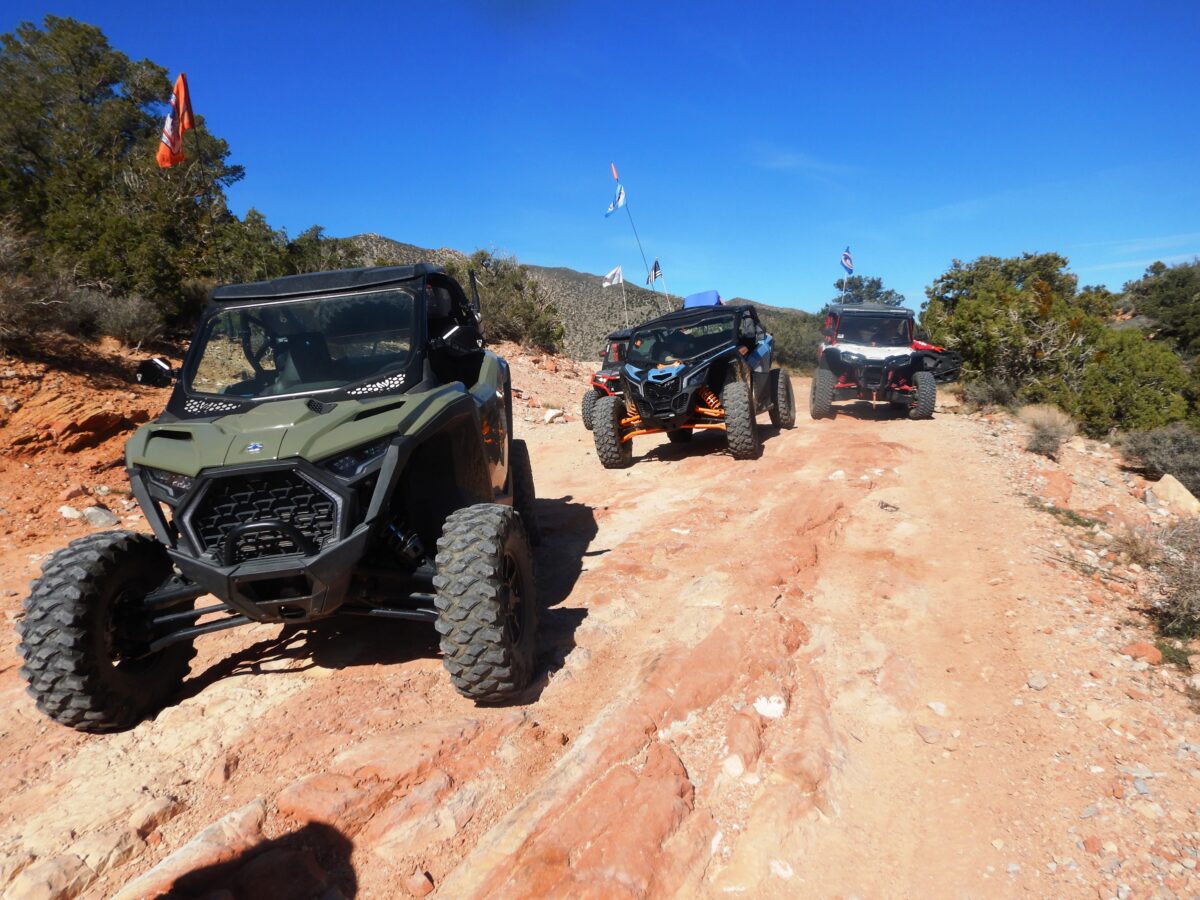
- Coming through Lime Kiln Canyon on our Mojave Desert ride.
-
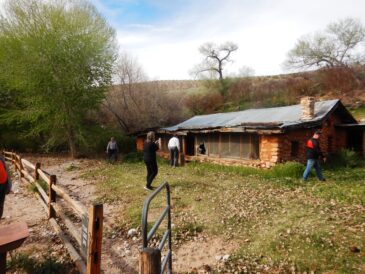
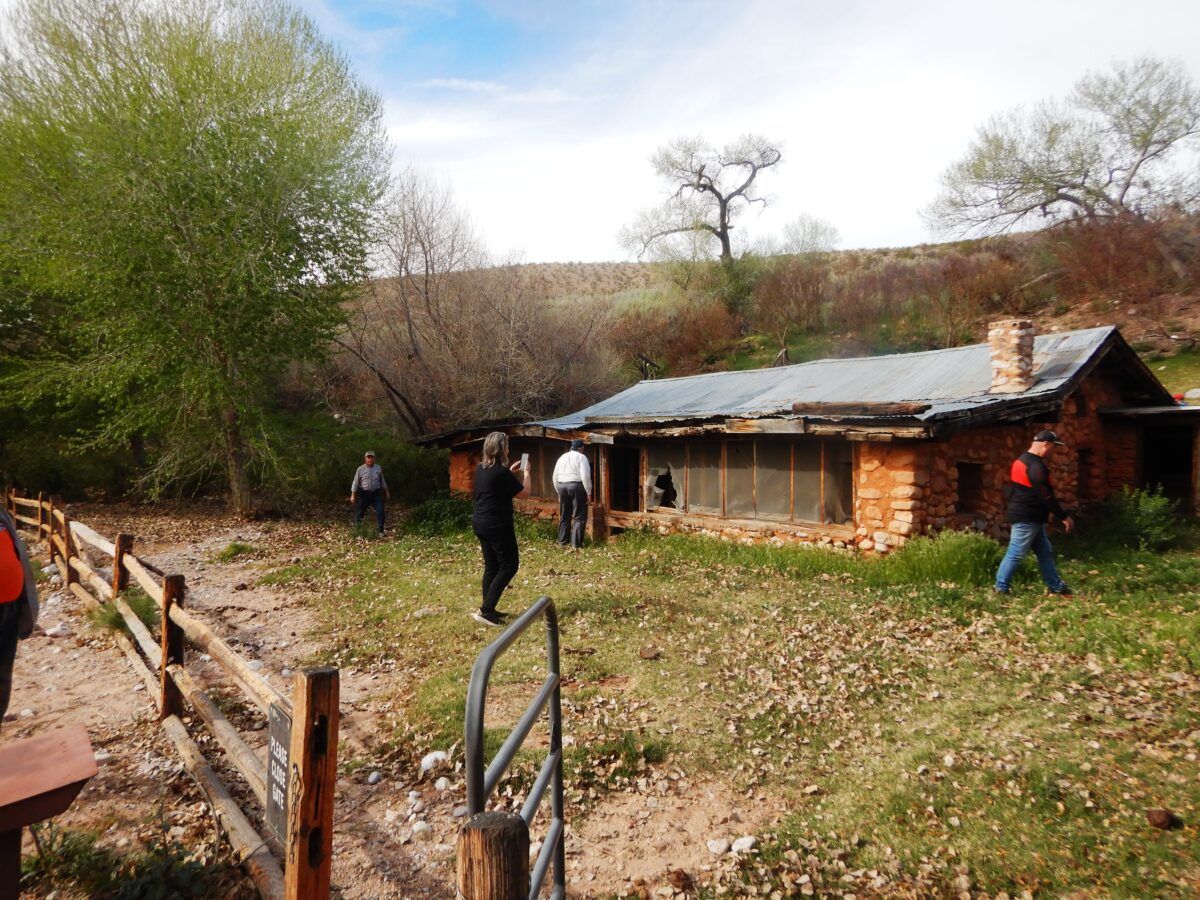
- Tassi Ranch
-
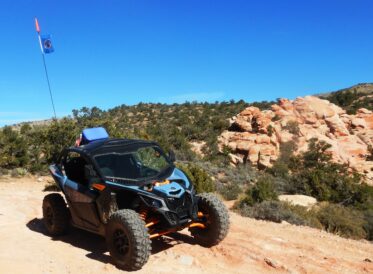
- Passing the beauties of the desert on our ride to Pakoon Springs and Tassi Ranch.
-
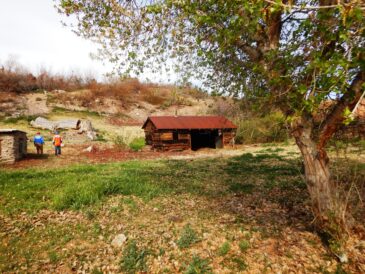
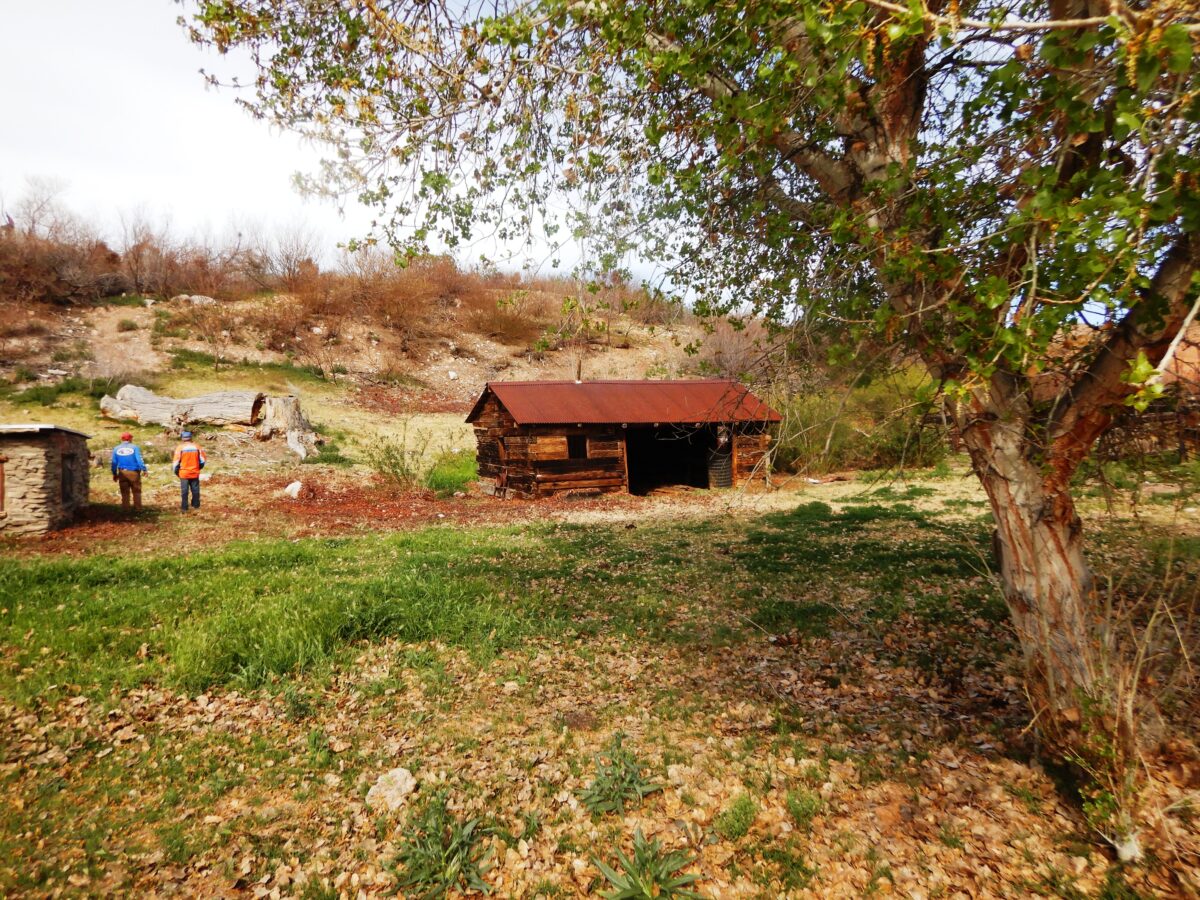
- Tassi Ranch
The directions to the staging area for this Mojave Desert ride, south of Mesquite, Nevada, were simple. “Cross the bridge over the Virgin River into Bunkerville, take a sharp left at the end of the bridge, and drive a short distance to the staging area on the left.” Well, who knew that there were two bridges into Bunkerville? Gathering 22 machines took a little extra time, but we were soon lined up and headed for adventure.
Our second challenge after the confusion of the morning was negotiating Lime Kiln Canyon. You can’t see how rocky the road is through the canyon on Google Earth. We saw it up close and personal as we crawled over each rocky section.
Once through the canyon, we had smooth sailing. The weather was beautiful with sunny skies and temperatures in the 80s. We were getting reacquainted with the desert foliage.
Barrel cactus is a favorite. I think it is because of where they choose to grow. Often, I see them sprouting up in rock ledges.
The Joshua trees were beginning to show blossoms. As with many desert plants, they just don’t seem very useful. They are not good for shade, and they are not comfortable to lean against. When they die and fall over, they look like sun-bleached grey bones on the desert floor. By the time we reached our first destination, we had seen many cacti.
Pakoon Springs, once a large pond covering several acres, fed by this desert spring, was used by its two previous owners to scratch out a living in the Arizona desert. Brought in a shoe box in the back of a station wagon as a gift in 1987 from the swamps of the Deep South, Clem the alligator was released into the pool.
Water from the spring kept the temperature at a constant 78 degrees. The owners fed Clem rabbits and chickens to supplement his diet. That extra feeding stopped when the ranch was sold to the government. When they finally fished him out in 2005, he weighed just 130 pounds. Clem has now resided at the Phoenix Herpetological Society in Scottsdale, Arizona, for some 20 years with his female friend, Fluffy, at a plump 600 pounds.
There is not much to see since the government removed the dams to restore it to its natural state. We found enough shade to enjoy a lunch break and talk about ole Clem. Satisfied with the trail cuisine we had with us, we prepared to continue our ride to the next piece of history on our agenda.
That took us further south into the Lake Mead National Recreation Area, where we entered Grand Wash. Grand Wash is so big and wide that we didn’t know we were in it. What water it gathers flows into Lake Mead.
Our trail ended at the Tassi Ranch. Named after the spring that still flows there, Tassi Springs was a popular spot in pioneer days. It was used by several different groups, but never truly settled until the 1920’s. The Hecklethornes used it as a base camp for a bootlegging operation during prohibition. The Nays were the only settlers who filed for legal ownership, but they abandoned it before the application was approved. It is so remote and rugged.
Ed Yates, a rough-and-tumble cattleman, staked a claim on Tassi Springs and kept it. He lived there with his daughter and son-in-law and built reservoirs, a new stone house, a barn and corrals, dug irrigation ditches, and planted cottonwood trees. There were green pastures, and a bountiful garden with tomatoes, corn, watermelon, casaba melons, chard, and even fig trees. This was truly a desert oasis.
We were ready to head back, and several people in our group were not interested in renegotiating Lime Kiln Canyon. We chose instead to take a route that took us by Devil’s Throat and Whitney Pockets. The first is a large sinkhole formed in 1908 that continues to grow, and the second is a bright Aztec sandstone formation that serves as a gateway to the Mojave Desert.
We made it back to our trucks, thoughts of dinner options running through our minds, having finished a ride of about 114 miles. It was the first official ride of the 2026 riding season for the NUATV Club, and it was deemed a success. When you go, take plenty of water, keep the rubber side down, and choose early spring or late fall for this adventure.
Lynn R. Blamires can be reached at quadmanone@gmail.com.