
Inside a giant tunnel through the Wasatch Front, the ‘backbone’ of Northern Utah’s water system
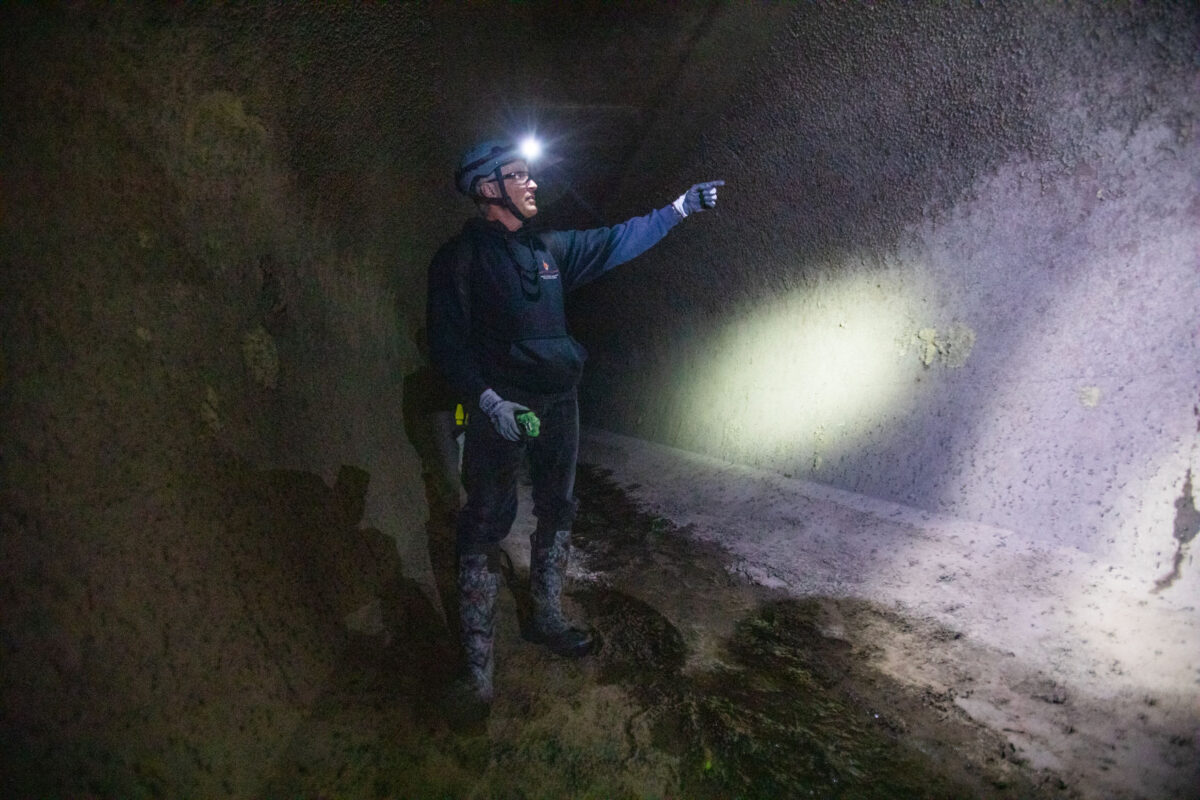
Smokin' Fire Productions rescue team member John Freeman walks through a tunnel that has been shut down by the Weber Basin Water Conservancy District for maintenance this week on Wednesday, Feb. 26, 2020, in Morgan County. The 3.3 mile long aqueduct runs through the mountains from Morgan to Davis County and supplies water to the Wasatch Front. The tunnel has not been shut down in a decade.
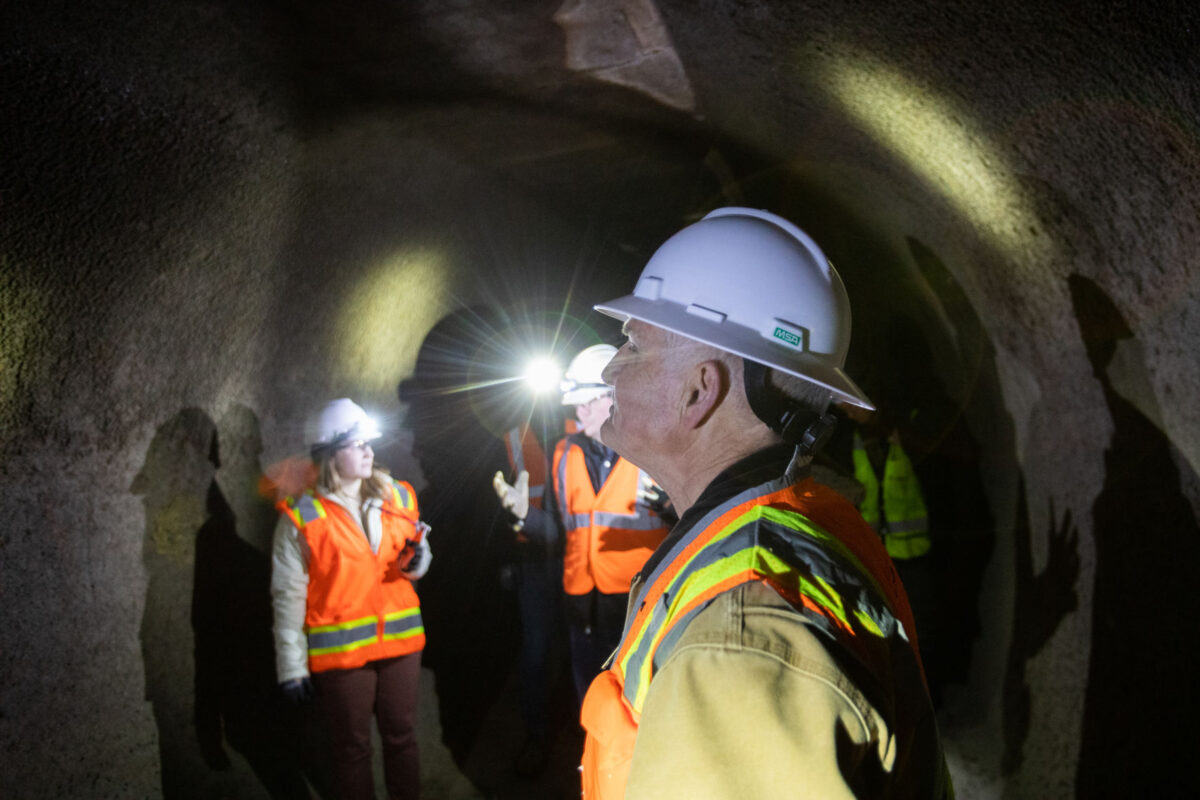
Chris Hogge of the Weber Basin Water Conservancy District stands in a tunnel that has been shut down for maintenance this week on Wednesday, Feb. 26, 2020, in Morgan County. The 3.3 mile long aqueduct runs through the mountains from Morgan to Davis County and supplies water to the Wasatch Front. The tunnel has not been shut down in a decade.
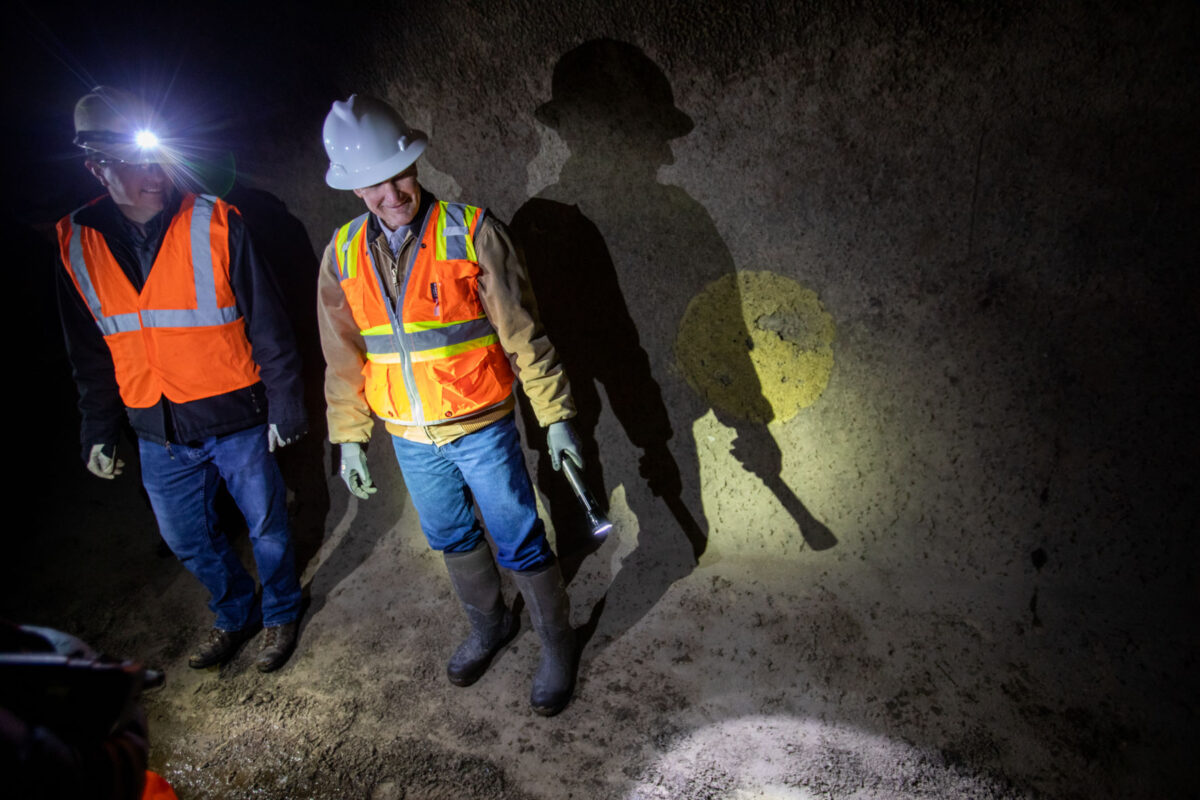
Daren Hess, left, and Chris Hogge of the Weber Basin Water Conservancy District stand in a tunnel that has been shut down for maintenance this week on Wednesday, Feb. 26, 2020, in Morgan County. The 3.3 mile long aqueduct runs through the mountains from Morgan to Davis County and supplies water to the Wasatch Front. The tunnel has not been shut down in a decade.
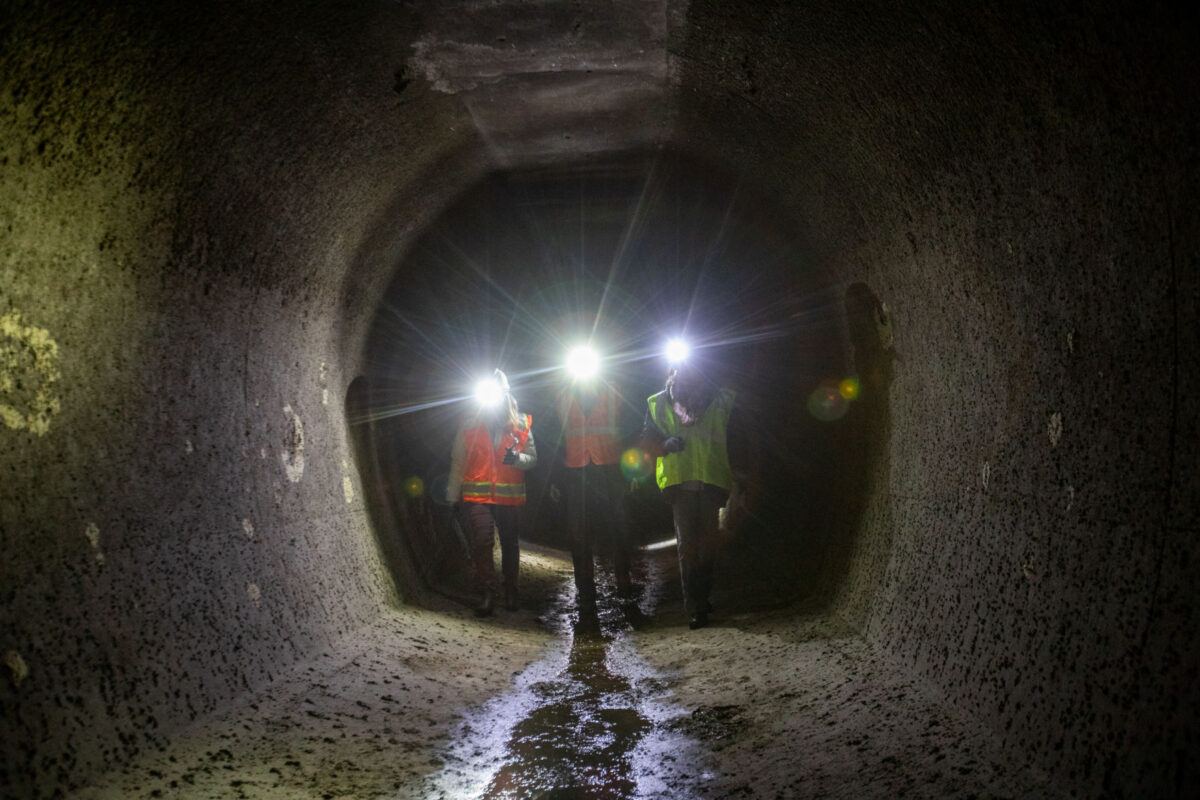
Members of the Weber Basin Water Conservancy District walk through a tunnel that has been shut down for maintenance this week on Wednesday, Feb. 26, 2020, in Morgan County. The 3.3 mile long aqueduct runs through the mountains from Morgan to Davis County and supplies water to the Wasatch Front. The tunnel has not been shut down in a decade.
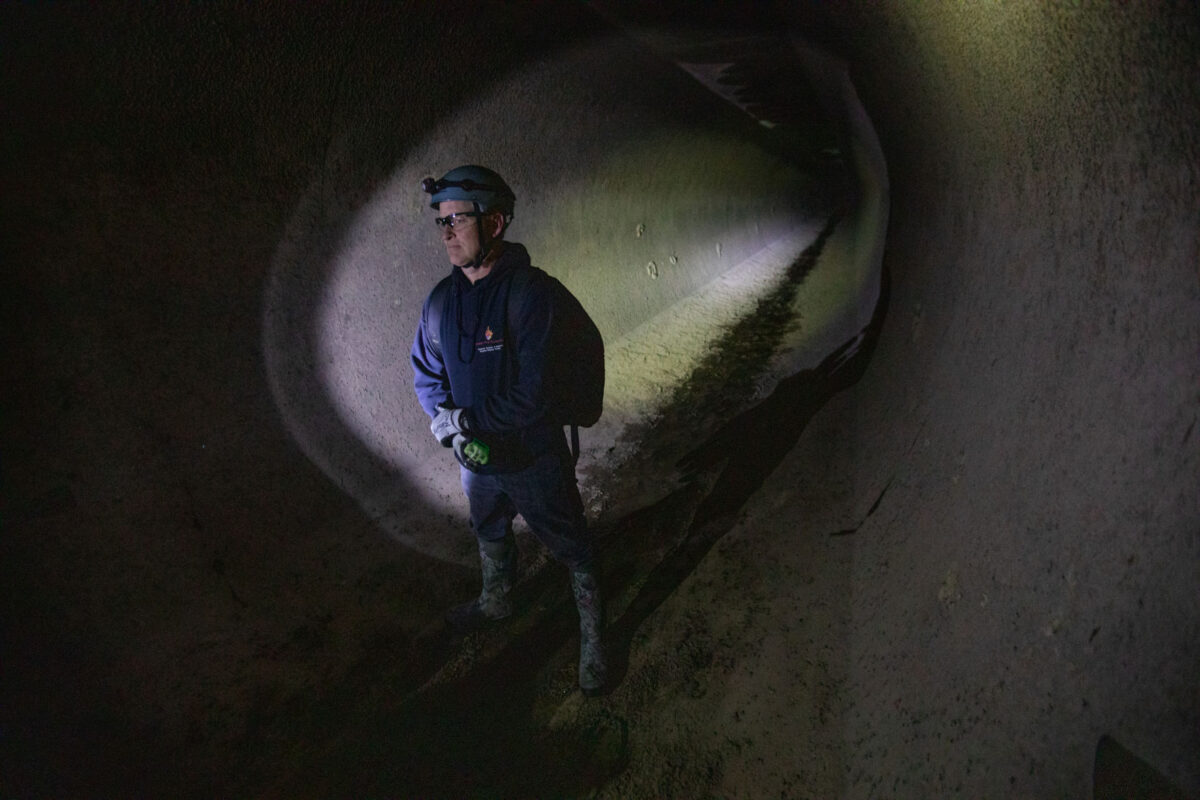
Smokin' Fire Productions rescue team member John Freeman stands in a tunnel that has been shutdown by the Weber Basin Water Conservancy District for maintenance this week on Wednesday, Feb. 26, 2020, in Morgan County. The 3.3 mile long aqueduct runs through the mountains from Morgan to Davis County and supplies water to the Wasatch Front. The tunnel has not been shut down in a decade.
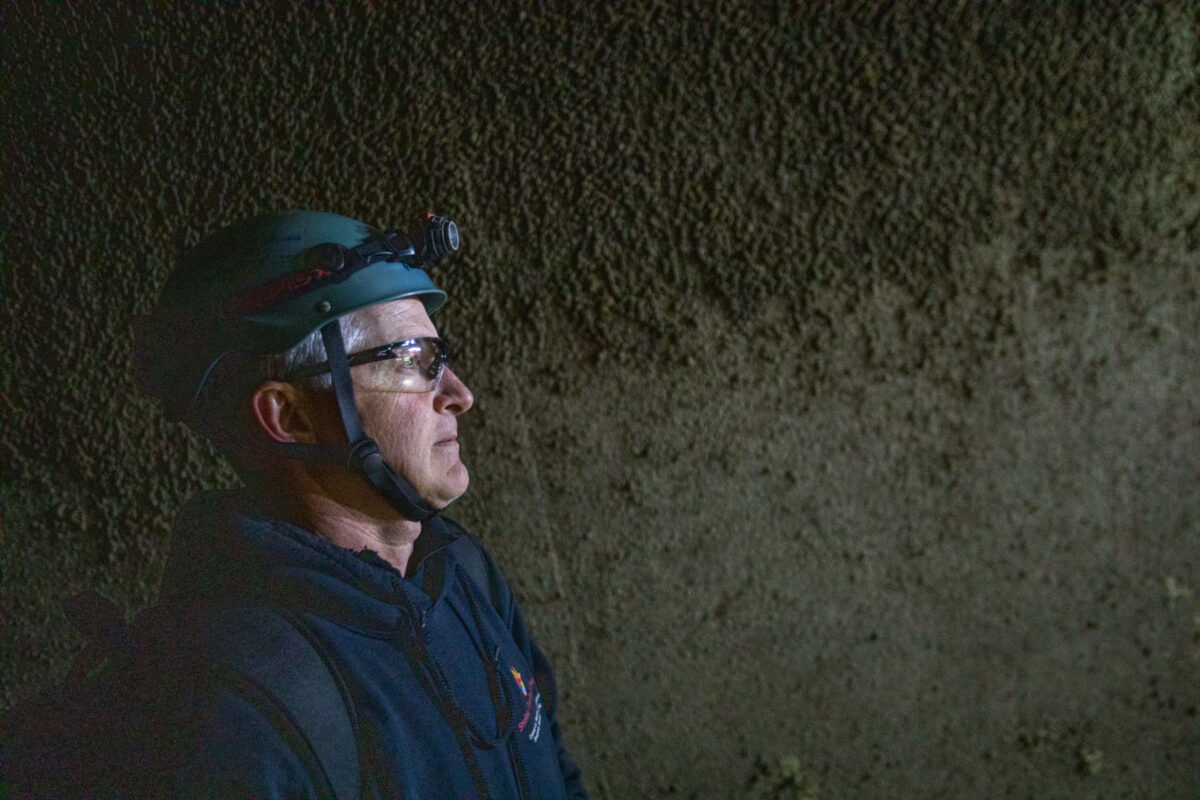
Smokin' Fire Productions rescue team member John Freeman stands in a tunnel that has been shut down by the Weber Basin Water Conservancy District for maintenance this week on Wednesday, Feb. 26, 2020, in Morgan County. The 3.3 mile long aqueduct runs through the mountains from Morgan to Davis County and supplies water to the Wasatch Front. The tunnel has not been shut down in a decade.
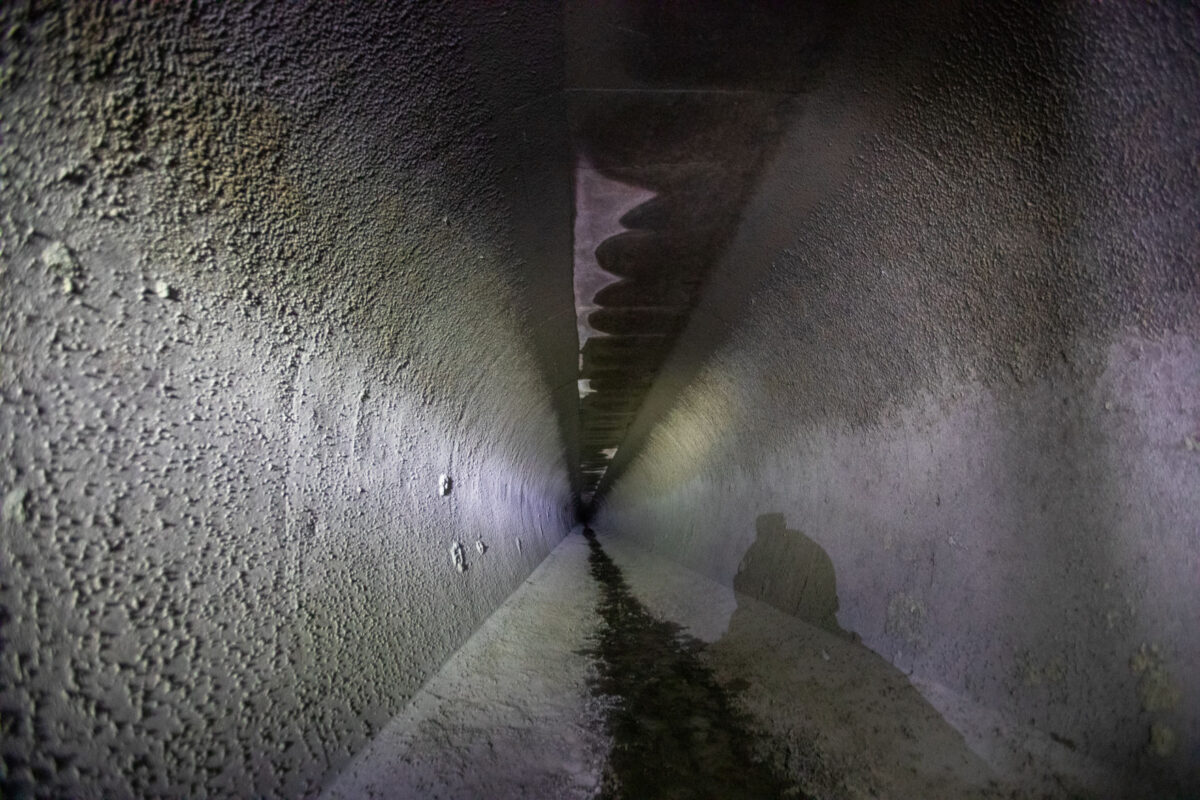
Members of the Weber Basin Water Conservancy District walk through a tunnel that has been shutdown for maintenance this week on Wednesday, Feb. 26, 2020, in Morgan County. The 3.3 mile long aqueduct runs through the mountains from Morgan to Davis County and supplies water to the Wasatch Front. The tunnel has not been shut down in a decade.
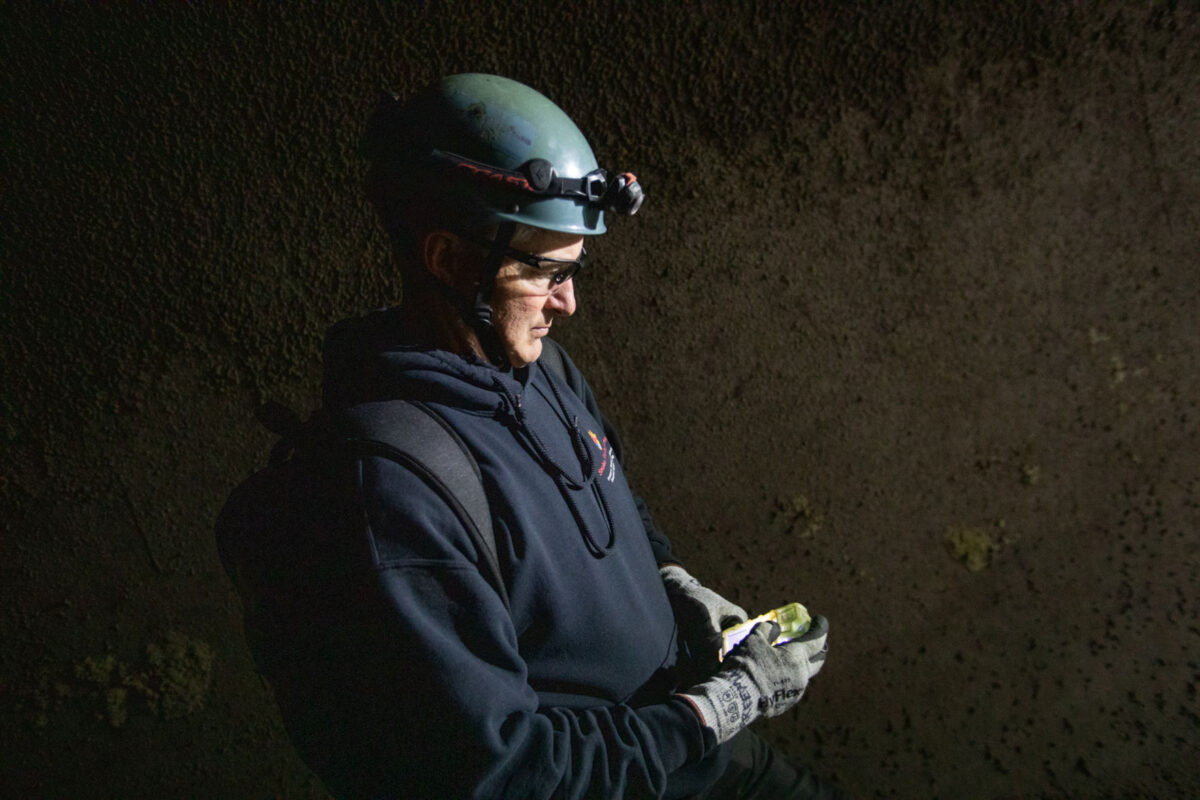
Smokin' Fire Productions rescue team member John Freeman stands in a tunnel that has been shutdown by the Weber Basin Water Conservancy District for maintenance this week on Wednesday, Feb. 26, 2020, in Morgan County. The 3.3 mile long aqueduct runs through the mountains from Morgan to Davis County and supplies water to the Wasatch Front. The tunnel has not been shut down in a decade.
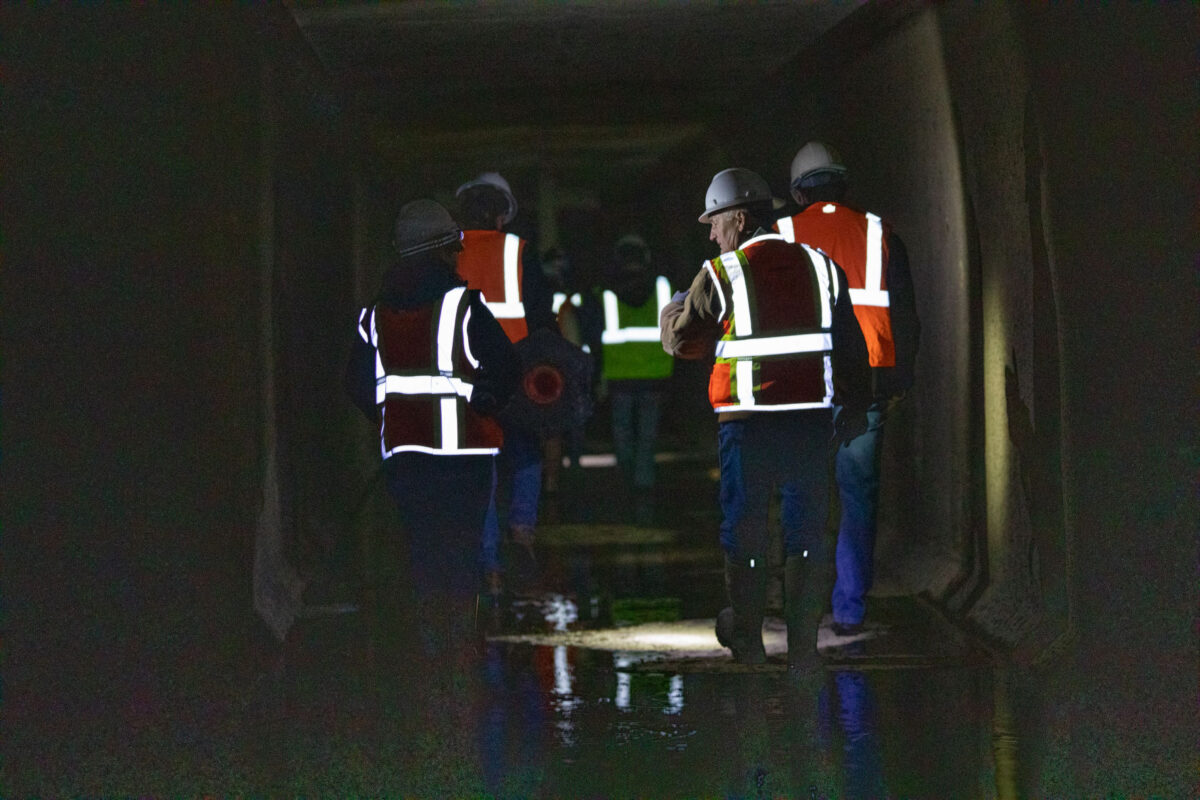
Members of the Weber Basin Water Conservancy District walk through a tunnel that has been shutdown for maintenance this week on Wednesday, Feb. 26, 2020, in Morgan County. The 3.3 mile long aqueduct runs through the mountains from Morgan to Davis County and supplies water to the Wasatch Front. The tunnel has not been shut down in a decade.
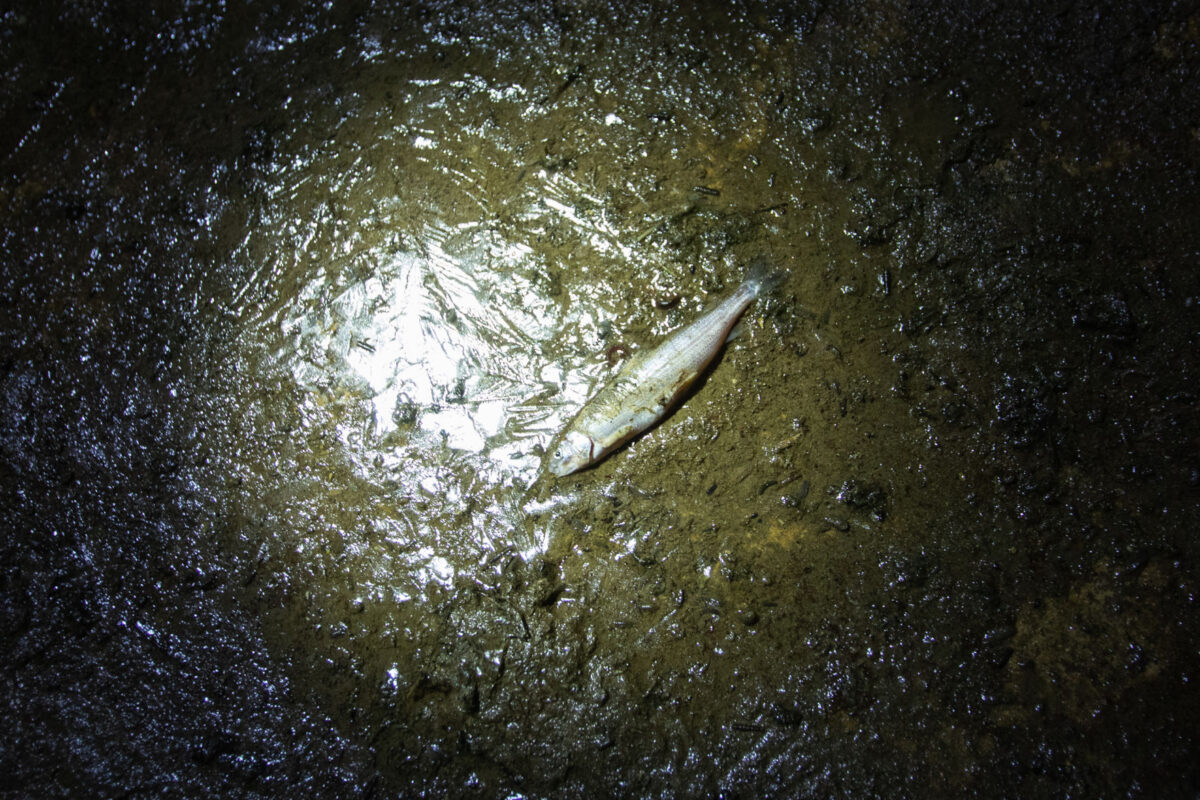
Members of the Weber Basin Water Conservancy District walk through a tunnel that has been shutdown for maintenance this week on Wednesday, Feb. 26, 2020, in Morgan County. The 3.3 mile long aqueduct runs through the mountains from Morgan to Davis County and supplies water to the Wasatch Front. The tunnel has not been shut down in a decade.
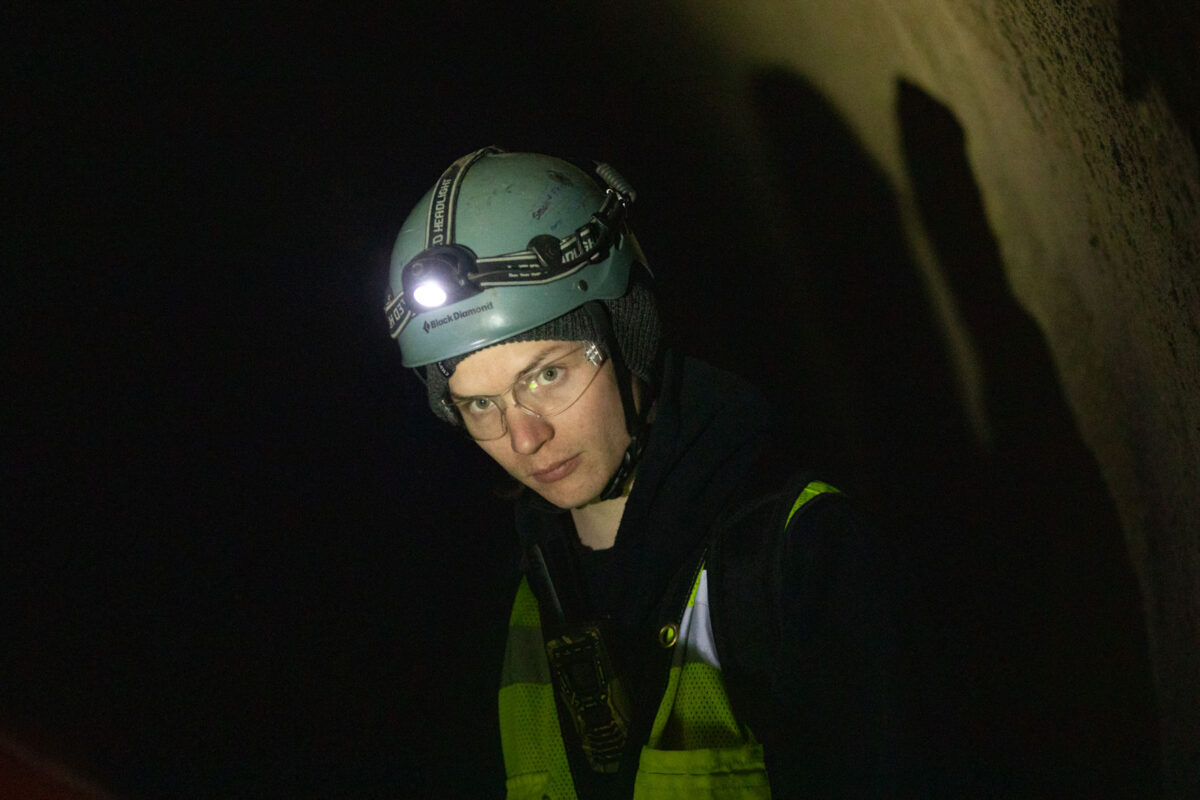
Members of the Weber Basin Water Conservancy District walk through a tunnel that has been shut down for maintenance this week on Wednesday, Feb. 26, 2020, in Morgan County. The 3.3 mile long aqueduct runs through the mountains from Morgan to Davis County and supplies water to the Wasatch Front. The tunnel has not been shut down in a decade.
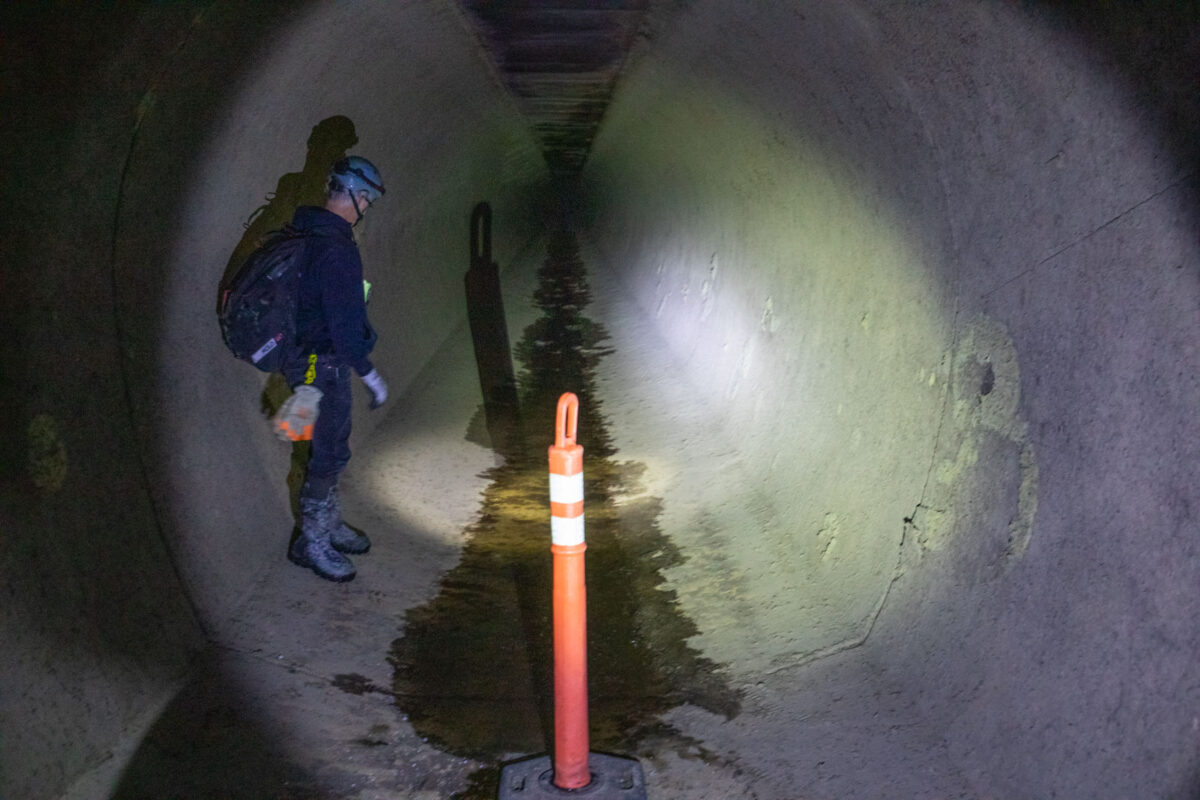
Smokin' Fire Productions rescue team member John Freeman stands in a tunnel that has been shut down by the Weber Basin Water Conservancy District for maintenance this week on Wednesday, Feb. 26, 2020, in Morgan County. The 3.3 mile long aqueduct runs through the mountains from Morgan to Davis County and supplies water to the Wasatch Front. The tunnel has not been shut down in a decade.
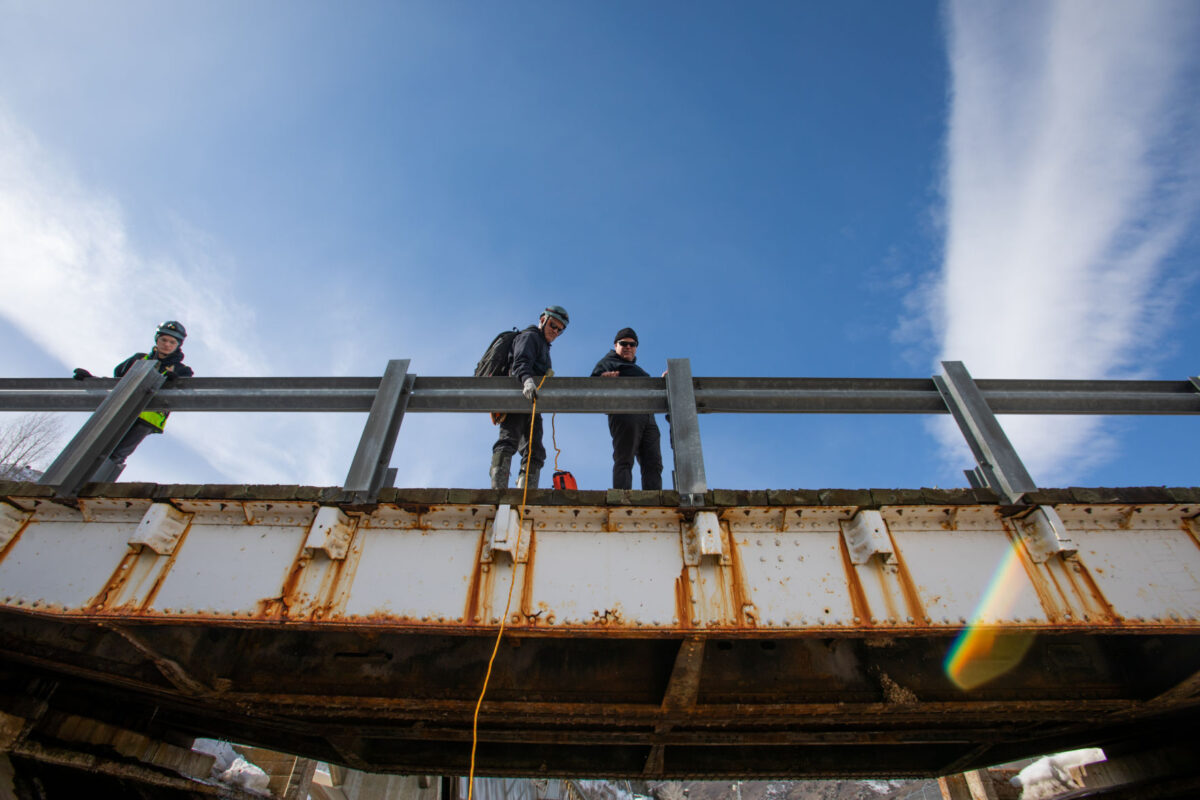
Members of the Weber Basin Water Conservancy District walk through a tunnel that has been shutdown for maintenance this week on Wednesday, Feb. 26, 2020, in Morgan County. The 3.3 mile long aqueduct runs through the mountains from Morgan to Davis County and supplies water to the Wasatch Front. The tunnel has not been shut down in a decade.
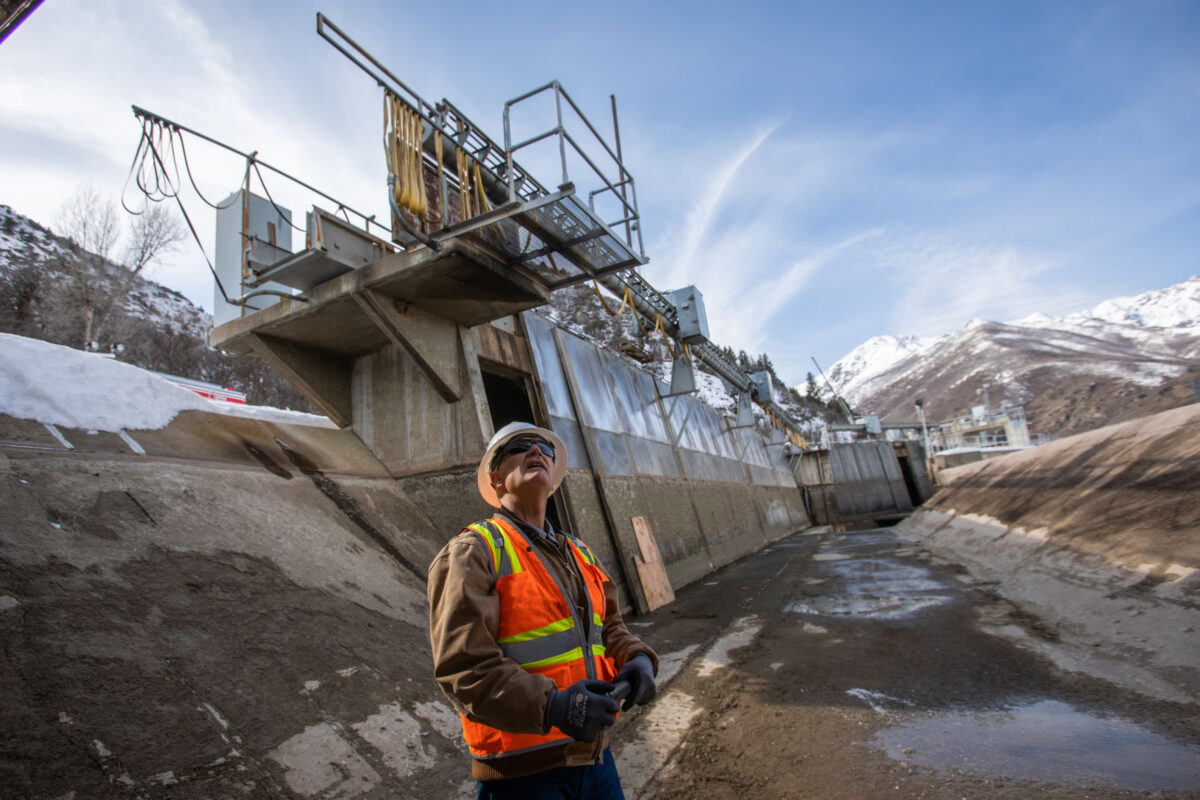
Members of the Weber Basin Water Conservancy District walk through a tunnel that has been shutdown for maintenance this week on Wednesday, Feb. 26, 2020, in Morgan County. The 3.3 mile long aqueduct runs through the mountains from Morgan to Davis County and supplies water to the Wasatch Front. The tunnel has not been shut down in a decade.
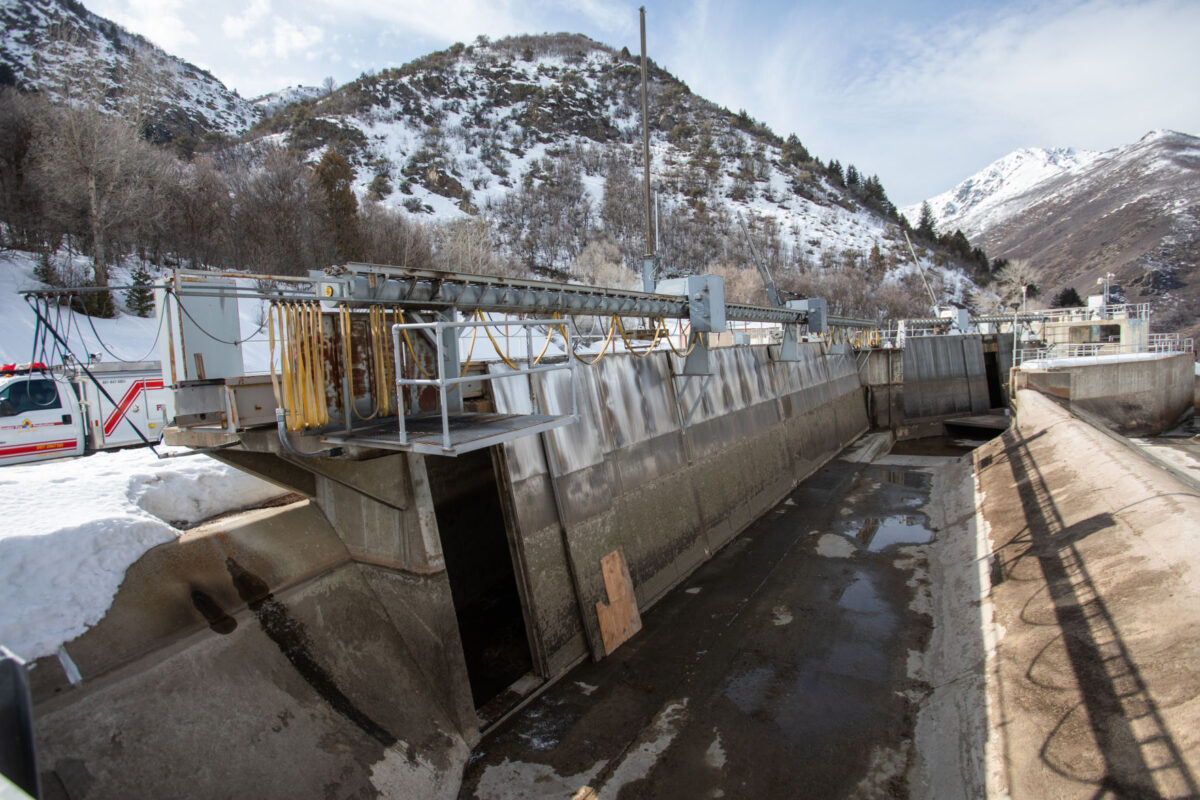
Members of the Weber Basin Water Conservancy District walk through a tunnel that has been shutdown for maintenance this week on Wednesday, Feb. 26, 2020, in Morgan County. The 3.3 mile long aqueduct runs through the mountains from Morgan to Davis County and supplies water to the Wasatch Front. The tunnel has not been shut down in a decade.
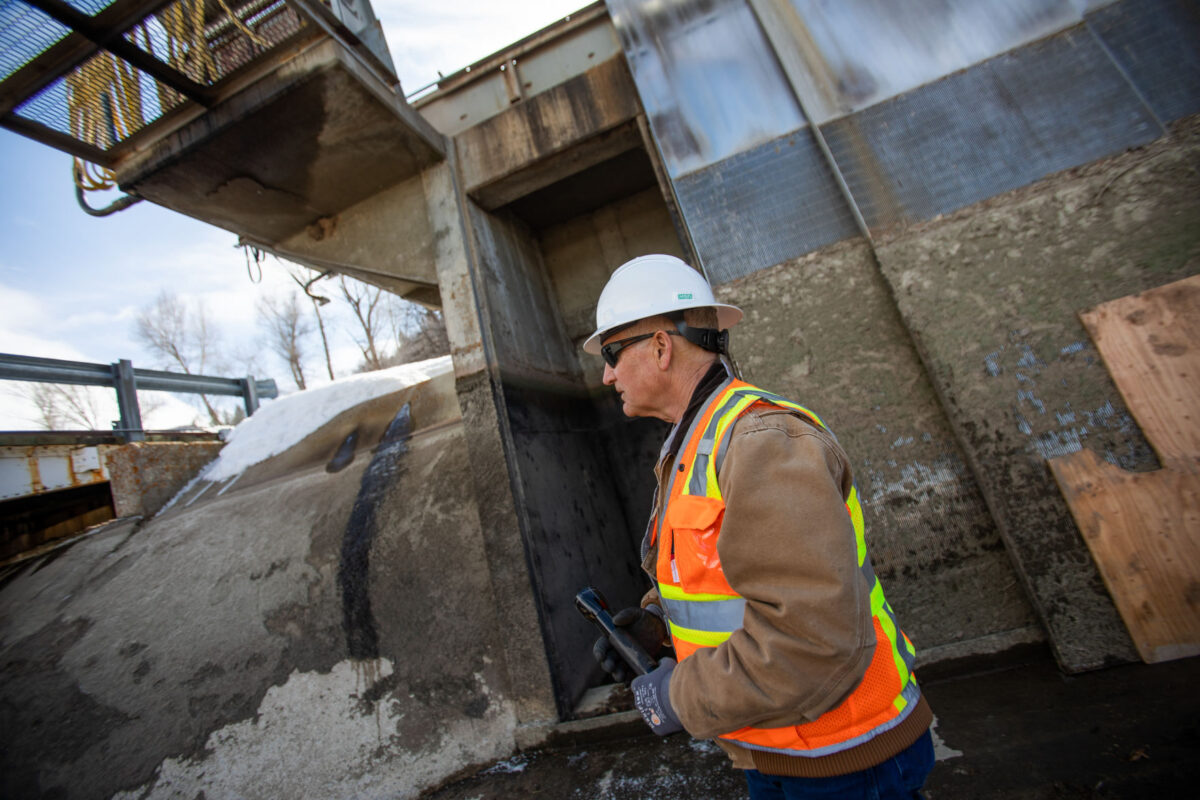
Members of the Weber Basin Water Conservancy District walk through a tunnel that has been shut down for maintenance this week on Wednesday, Feb. 26, 2020, in Morgan County. The 3.3 mile long aqueduct runs through the mountains from Morgan to Davis County and supplies water to the Wasatch Front. The tunnel has not been shut down in a decade.
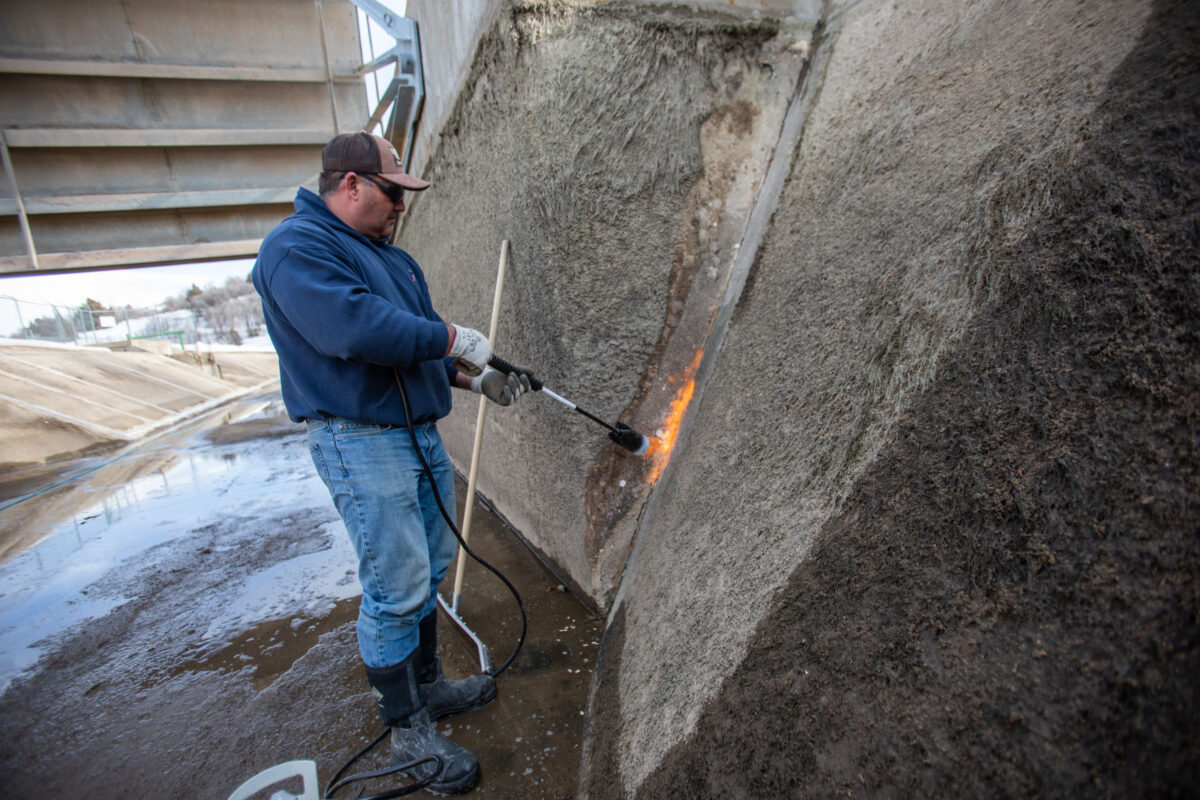
Lee Smith of the Weber Basin Water Conservancy District makes repairs to a canal that has been shutdown for maintenance this week on Wednesday, Feb. 26, 2020, in Morgan County.
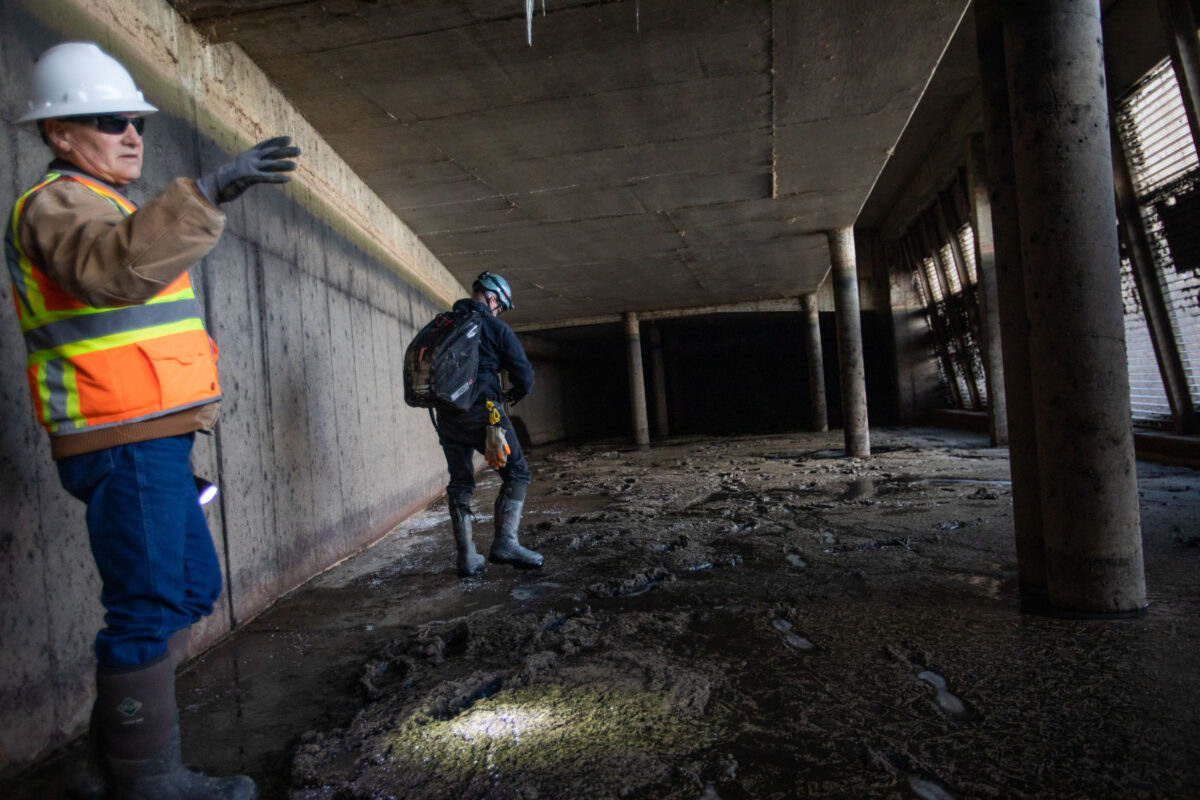
Members of the Weber Basin Water Conservancy District walk through a tunnel that has been shutdown for maintenance this week on Wednesday, Feb. 26, 2020, in Morgan County.The 3.3 mile long aqueduct runs through the mountains from Morgan to Davis County and supplies water to the Wasatch Front. The tunnel has not been shut down in a decade.

Members of the Weber Basin Water Conservancy District makes repairs to a canal that has been shutdown for maintenance this week on Wednesday, Feb. 26, 2020, in Morgan County.
MORGAN COUNTY — Once a decade, a major tunnel through the Wasatch Front that brings water to Northern Utah is shut down for maintenance.
The Gateway Tunnel, called “the tunnel” by Weber Basin Water Conservancy District staff, is an integral part of the water system in the region, said Darren Hess, assistant general manager of the district.
“The importance of this system to the Wasatch Front is significant,” Hess said. ” … I think it’s important to stress … how critical this infrastructure is for us, and that’s why we need to take it down from time to time and maintain it to ensure that it’s going to work properly for many years to come.”
The tunnel was built in the 1950s and is still going strong, Hess said. With the right maintenance, it could last another 100 years.
It’s 94 inches in diameter — almost 8 feet wide, Hess said. It runs for 3.3 miles through the mountain on the south side of Weber Canyon, starting on the east side of the mountain near Mountain Green in Morgan County and exiting near Weber Basin Job Corps, on the south side of the canyon’s mouth in northern Davis County.
The water is then split into two aqueducts, one running about 5 miles north into Weber County and a larger aqueduct running south to Davis County. The Davis aqueduct runs 21 miles, all the way to North Salt Lake, supplying some of the refineries in that area.
“That’s basically the backbone of the water that’s delivered … along the Wasatch Front, both Weber and Davis aqueducts,” Hess said.
At this time of year, when the tunnel is not shut down, water flows through it at a rate of 50-80 cubic feet per second (cfs), which translates to about 25,000 gallons per minute, Hess said. In the summer, the flow increases to as much as 350 cfs, about 160,000 gallons per minute.
A basketball is about a cubic foot, Hess said, so another way to understand this rate is to envision 350 basketballs running into or out of the tunnel every second. The tunnel can accommodate up to 435 cfs, though it usually runs at about 350-360, Hess said.
During the summer, about 280 of those water basketballs run from the tunnel into Davis’ aqueduct, and 65-70 run into Weber’s.
The tunnel is shut down only once a decade because that’s all that’s required to complete necessary maintenance, Hess said. The aqueducts are shut down every two to three years.
While the tunnel and aqueducts are shut down, the district pumps water from 22 deep groundwater wells in Wasatch Front communities, most of them in South Weber and Layton, Hess said. These wells are connected to the water distribution system and are typically used to supplement the water supply during the summer, he said.
The system’s reliance on these wells is another reason why the tunnel is not shut down very often.
“If our pumps go down, we don’t have any water for the whole Wasatch Front — Davis and Weber counties would be out of water,” Hess said. “… It’s a risk. It’s a big risk.”
Kaysville City, for example, receives 100% of its water from the district.
If the pumps failed, the district would need to stop maintenance immediately and send water through the tunnel, Hess said.
During this year’s maintenance, the primary goal is to install a large gate on the Davis aqueduct. Right now, maintenance on the southern portion of the aqueduct requires the entire aqueduct to be shut down, Hess said. The new gate will allow water from the Davis aqueduct to still flow to a treatment plant in Layton while stopping the flow to the portion of the aqueduct south of the gate.
Because they wanted to install this gate, and the tunnel was also due for maintenance, they decided to do all of it at once, Hess said.
The district also has plans to replace a stretch of the Davis aqueduct that runs over a fault, changing its location and putting in new technology that will help it withstand an earthquake, said Chris Hogge, power and irrigation manager for the district. The new gate will also help with the completion of that project, he said.
Unlike the Davis aqueduct, the tunnel is deep enough in the mountain that it would fare well in an earthquake, Hess said.
As part of regular maintenance, district staff will do a full inspection of the tunnel, looking for abnormalities in the tunnel’s concrete lining, like cracks or excess water seepage, Hess said. The district is also replacing guard gate valves where water is delivered off the Davis aqueduct, he said.
On Wednesday afternoon, staff were repairing cracks along the empty canal that usually carries water from the Weber River to the tunnel’s entrance on the mountain’s east side.
This maintenance is what has allowed the system to successfully function for 60 years, Hess said.
While the story of crumbling infrastructure across the United States is a common one, the story of the Gateway Tunnel and its two aqueduct offshoots is one of longevity.
“People … don’t see the infrastructure under the ground that’s delivering all the water necessarily, and so transportation a lot of times is at the forefront of their thoughts because it impacts them most directly,” Hess said. “I mean, how often is the water shut off at your house? You know, not very often. … We build a system that is fairly reliable.”