Be prepared for disasters: USU Extension encourages people to be ready with evacuation kit, plan
USU Extension encourages people to be ready with evacuation kit, plan

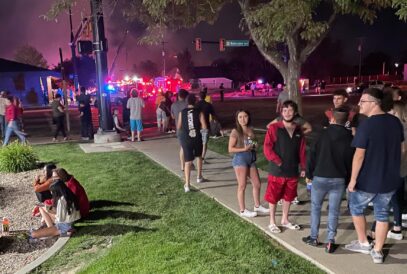
A fire late Monday, June 28, 2021, destroyed an apartment building that was being built in the 300 block of 28th Street in Ogden and destroyed three nearby homes. Here, onlookers watch firefighting efforts from afar at the corner of 28th Street and Washington Boulevard.
-
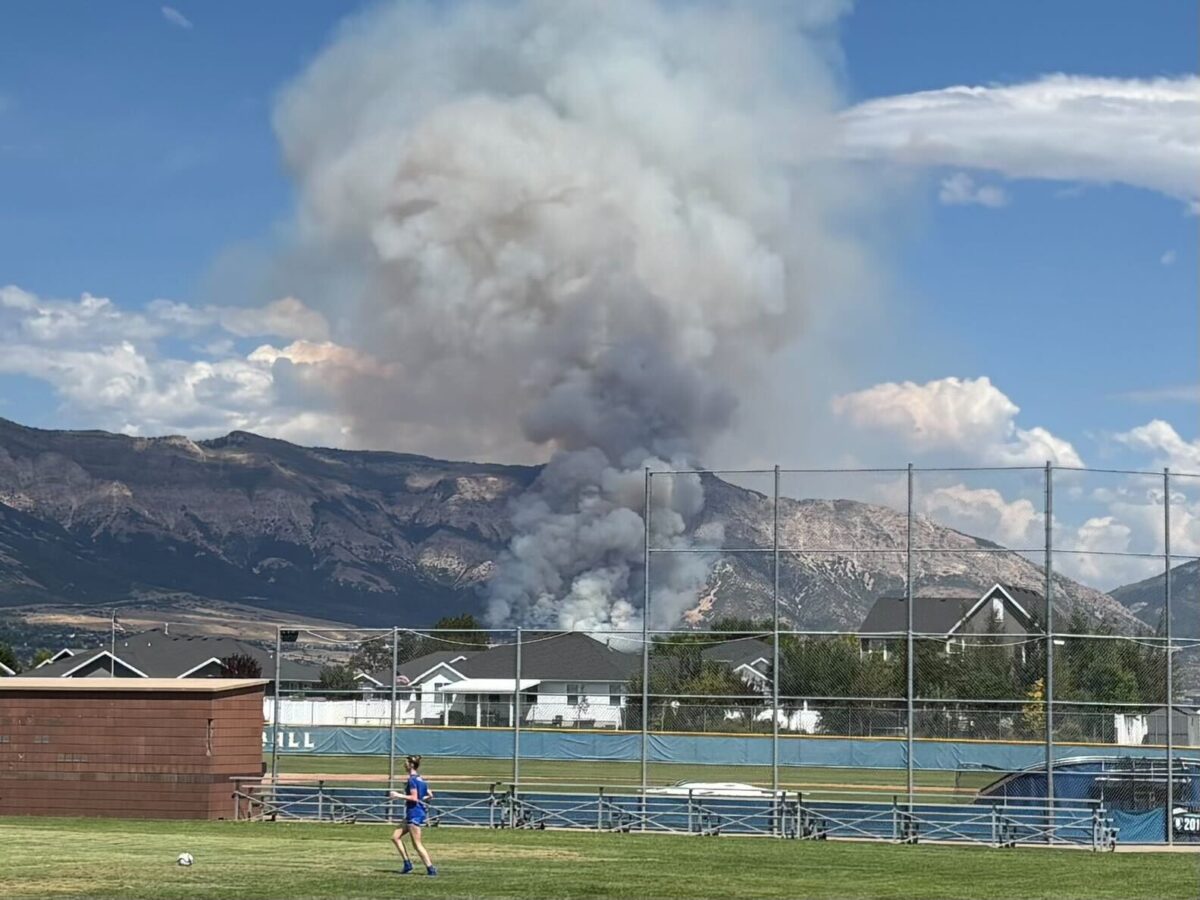
- Smoke from the Willard Peak Fire in North Ogden rises in the distance as a soccer match unfolds at Fremont High School in Plain City on Wednesday, Aug. 13, 2025.
-
-
A fire late Monday, June 28, 2021, destroyed an apartment building that was being built in the 300 block of 28th Street in Ogden and destroyed three nearby homes. Here, onlookers watch firefighting efforts from afar at the corner of 28th Street and Washington Boulevard.
Do you have everything you need to evacuate on short notice?
Active wildfire seasons the past couple of years have made hundreds of people statewide confront that question. Even locally, the Adams Fire, the Roy fire series and last year’s Willard Peak Fire led to many being forced to evacuate their homes with almost nothing in the way of preparation time.
This week, the Utah State University Extension sent out a press release to encourage people to put a focus on being prepared before a disaster happens.
“With wildfires threatening communities across the state, evacuation orders can happen with little warning,” the release said. “Preparing your household now can help you evacuate quickly and safely if it becomes necessary.”
Extension assistant professor Stephanie Carlson told the Standard-Examiner that having a 72-hour evacuation kit is crucial.
“Have a kit ready so that you can go at a moment’s notice, make sure that it has the items that are necessary,” she said.
According to the release, citing ready.gov, there are several items to have in such a kit, including:
- “Water – one gallon per person per day for three days for drinking and sanitation
- Food – at least a three-day supply of non-perishable food per person
- Sleeping bag or warm blanket
- Change of clothes
- Cash (small bills)
- Battery, solar, or hand-cranked radio
- Flashlight, extra batteries
- First aid kit
- Portable power bank or solar charger
- Whistle (to signal for help)
- Dust mask (to help filter contaminated air)
- Plastic sheeting, scissors and duct tape for sheltering in place
- Moist towelettes, garbage bags and plastic ties as well as soap, hand sanitizer, and disinfecting wipes
- Personal hygiene items
- Cell phone with chargers and a backup battery or solar charger
- Prescriptions and other medications
- Pet food, water, and supplies
- Infant formula, bottles, diapers, wipes, and other supplies
- A complete change of clothing for each person, including underwear and sturdy shoes
- Mess kits, paper cups, plates, paper towels, and plastic utensils
- Paper and pencil plus books, games, puzzles, and activities for children”
Carlson said there are a few items that people often neglect.
“One of the items that is regularly missed is the documents that, like your birth certificate, things like that, in a digital format so that they can just have it,” she said. “Cash that is in small bills — people sometimes will carry like $50s and $100s when they really need only a small amount and can’t gain access to smaller bills.”
She said that people also tend to overlook food and other needs for pets before leaving.
Carlson said that, at the very least, it’s critical to have the most important items together and ready to go and that a kit should be kept as current as possible.
“I always count the most urgent things as food, water, and shelter, clothing.,” she said. “So it’s recommended that you put together an absolute emergency one with the basics and have it right readily available somewhere like your front closet or something like that. And then to look at it periodically, like maybe once every year, especially if you have children, put in medication that needs to be rotated on a regular basis.”
She also suggests, for those who have children, to have a larger size of clothing in the kit in case it’s a lengthy wait before using the items.
“It’s easier to make them fit a smaller person through modifications rather than try and make it fit a larger person,” she said.
The release further adds several tips for being prepared to evacuate beyond just the 72-hour kit, including:
- “Ensure that a copy of your important documents, such as birth certificates, insurance policies, and financial records, is easily accessible.
- Identify emergency meeting spots and practice going there regularly.
- Make sure at least one family member knows first aid and CPR.
- Write down or memorize all family members’ contact information, including phone numbers and birthdates.
- Have a family communication plan. Review and practice the plan regularly.
- Be sure to involve children and youth in preparedness efforts. Research shows that youth who are involved experience less stress and anxiety during and after an emergency.”
Carlson said that making preparations for disasters such as wildfires is important for a simple reason.
“It can happen anywhere, at any time,” she said.