
How Regulators Are Responding to In-Game Purchases in Casino-Style Apps
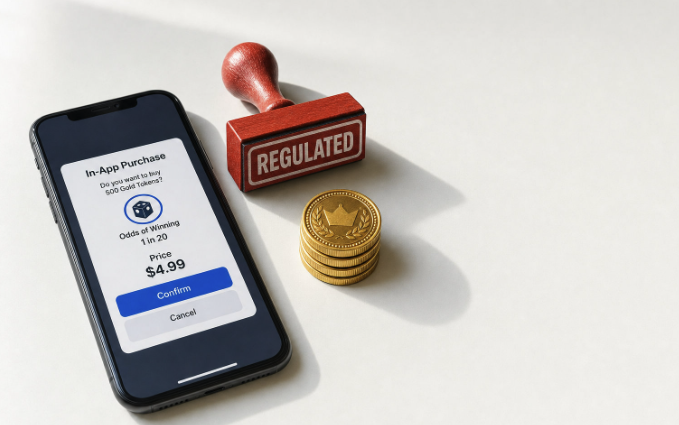
Casino-style apps have attracted increased attention from regulators as the prevalence of in-game purchases and changing consumer spending habits continue to grow. The demand for virtual items and additional play within these platforms is leading to heightened scrutiny of digital microtransaction mechanisms. Understanding current regulatory responses provides clearer insight into the protections and standards shaping the social gaming sector.
The rapid development of casino-style apps has brought in-game purchases to the forefront for consumer protection agencies and lawmakers, including offers that use Free Spins Casino style mechanics. Features such as virtual coins, special spins, and randomized bundles can prompt users to spend money within settings that closely resemble traditional casino games. This situation raises questions about transparency, access for younger users, and spending controls on digital platforms. Reviewing how regulations are developing in this area supports a better understanding among users, families, and industry stakeholders regarding risks and management approaches for virtual casino experiences.
Scrutiny increases with digital spending shift
Casino-style apps have benefited from the widespread use of smartphones, making traditional games of chance accessible to a broader audience. Rather than relying solely on one-time purchases, these apps often use a system of ongoing microtransactions, where users can buy virtual currency or items to enhance their experience.
This shift from fixed prices to continuous spending models has drawn regulatory attention because it may blur the line between entertainment and financial risk. With virtual items increasingly tied to in-game progress and rewards, consumers face new questions about the value and transparency of each purchase they make within casino-style apps.
Defining in-game purchases within casino-style platforms
In-game purchases in casino-style apps typically include options such as virtual currency, additional spins, time-limited offers, and randomized reward bundles. These mechanics are designed to extend gameplay or offer the chance for different prizes, and can encourage repeated spending over time.
Unlike traditional paid games where users pay once for full access, casino-style apps commonly rely on microtransactions to generate revenue. The use of randomized rewards, or “loot box” style features, introduces further concerns as users might spend money without clear knowledge of what they will receive.
Key consumer concerns and regulatory focus areas
Regulators prioritize ensuring that price transparency and clarity of odds are present, especially when randomized rewards are offered. When details about the likelihood of winning or the true cost are unclear, consumers may find it difficult to make informed decisions before purchasing in-game items.
Some casino-style apps have adopted frictionless spending techniques, such as one-click purchases and recurring prompts, which can lead to unintentional or excessive digital spending. For families, particularly when minors have access, these practices can increase the risk of unexpected household charges and loss of financial control. Regulatory frameworks may address these risks by introducing age checks, clearer information, and accessible complaint procedures.
How regulation and industry practice are evolving
Regulatory guidelines in various regions promote disclosures regarding odds, prices, and the characteristics of in-game purchases. Requirements can include age gating, parental control systems, and identity verification processes to help restrict access when appropriate and provide protection for young users.
App stores and platforms play a role in enforcement by setting approval standards and providing reporting mechanisms for unresolved complaints or policy violations. Although legal regulations differ between jurisdictions, platform-level rules frequently serve as an additional form of consumer safeguard, particularly regarding advertising practices and youth protections.
Emerging industry trends and implications for users
Industry responses to evolving regulatory expectations include making user experiences clearer and improving consent and spending summaries. Some developers make transparency reports available or undergo external audits to demonstrate alignment with changing standards for in-game purchases in casino-style apps.
As digital spending becomes a central part of social gaming, additional jurisdictions may update local guidance and legal frameworks to match market developments. Monitoring these regulatory trends can help users make informed decisions regarding in-game purchases, while also showing the importance of oversight and responsible practices within the casino-style app sector.
-->