
Utah Politicians United Over Prediction Markets and Sports Betting Despite Challenges
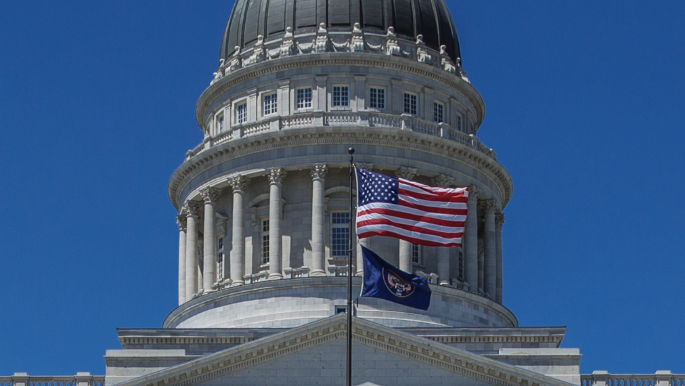
The sports betting market in the US is now worth tens of billions of dollars a year. Casino gambling is worth just as much, and the lottery business is even bigger than that. Yet just two states remain firm in not having any of it – Hawaii and Utah.
Utah’s reasons – cultural and religious views on gambling and a ban on gambling in the state constitution – are relatively obvious. But the effort behind the scenes to keep that up is considerable, and Utah isn’t actually totally gambling free. Even though politicians would like it to be.
Sports Betting is Huge Business in the US, But Utah Stands Firm
Regulated state sports betting markets have now spread across most of the country. 40 states now have some kind of legal betting, whether online or at retail sportsbooks. Including tribal casino gambling, lotteries and horse racing – 48 of the 50 states now have some kind of state regulated gambling. Utah and Hawaii are the only states with no options.
Today, those 40 states are worth $60-plus billion a year in revenue for sports betting operators and billions in taxes for various state coffers.
You only need to look at the selection of DraftKings promo code options at a comparison site like Covers.com to see that there are a lot of options out there for legal US gambling and sports betting. Even a single operator can offer dozens of different promotions and bonuses that players compare through these platforms, as well as other features like game collections and payment speeds.
Every state surrounding Utah has some kind of legal gambling, and of course southern Utahns have long been able to take a relatively short trip to the world’s gambling capital in Las Vegas. Even the two biggest holdouts for legal sports betting and casinos, California and Texas respectively, have recently had high profile discussion or political pushes for legalisation.
Yet in Utah, politicians – in step with wider public opinion on this issue – have remained staunchly against even the idea of changing the state’s constitutional gambling ban.
Prediction Markets Have Challenged the Status Quo
While the rise of legal sports betting has seen rapid growth, and not without controversy, prediction markets have blown that out of the water in the past three years. Platforms like Kalshi and Polymarket took the prediction market model from niche political tool to multibillion dollar national market in just two short years. Kalshi saw $1 billion traded on the 2026 Super Bowl alone.
By combining elements of gambling with financial trading and pop culture markets, prediction markets are regulated under the Federal Commodity Futures Trading Commission, rather than state gambling regulators. So under federal law as is, they have felt licensed to roll out “contracts” nationally. And now in 2026, Kalshi in particular makes up to 80% of revenues from sports markets.
Big sports betting operators like the above mentioned DraftKings have also got into the space, allowing them to offer sports contracts in states without locally regulated betting.
These contracts aren’t betting in the letter of the law, but many lawmakers across the country – including in Utah – aren’t happy about that.
The state has attempted to ban FCFTC regulated Kalshi but the operator has sued them in court, and it currently remains available. Utah politicians are not waiting on court cases though – they’re pushing for federal intervention on the issue.
However President Donald Trump seemingly does not see this as a priority issue, and Trump Jr. is actually a key advisor to Kalshi and an investor in it through his firm 1789 Capital. So political appetite for any major action could be limited – and that might make the traditionally conservative and Republic Utah a key battleground in this debate.
Sweepstakes Casinos are also in Lawmakers’ Sights
Another area in which Utah’s politicians are resisting the changing landscape of gambling in the US in sweepstakes casinos. These businesses let players buy tokens, and then they get sweepstakes coins – supposedly for free alongside them. Both tokens and coins can be used to play casino slot games, but only the coins can be exchanged back into cash. You can also usually get a small amount of free coins, by logging in every day or even through physically mailing a request for some.
Different platforms have different names for these tokens/coins dynamic, but the idea is the same. What this does is, use an exemption in US gambling law for sweepstakes prizes. The casinos claim no money is gambled, and the the sweepstakes coins are free and given out alongside the tokens.
Which is true, and means they aren’t casino gambling under the eyes of the law. But of course most people play them just like gambling games, and ignore the tokens altogether.
Utah’s politicians and courts don’t approve of sweepstakes casinos much either, and have been one among a dozen or states currently attempting to put legislation through banning the model.
From sports betting across most states, to casino gambling, lotteries or horse racing in neighbors, to now prediction markets, for now Utah is an outlier case in the US that continues to resist gambling in all forms.