
What Utah residents should know about the growing digital tourism economy in 2026
Tourism continues to play a consequential part in Utah’s economic health, with most residents encountering its effects in everyday life, even when they do not work directly in the travel sector. Visitor spending across the state approaches $12 billion each year, while the broader travel industry supports close to 100,000 jobs connected to hotels, restaurants, transportation, guiding services and outdoor recreation businesses. Local governments also collect millions of dollars in tourism-related tax revenue, which helps fund public services, community projects and infrastructure improvements across the state. When visitors arrive in Utah, their spending circulates through local economies and supports many types of businesses that serve residents and visitors equally.
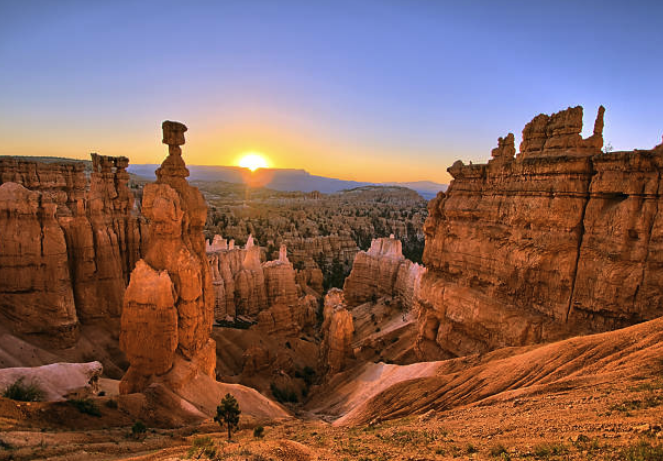
Utah’s five national parks remain the most visible attraction for visitors, with annual visitation regularly reaching more than 15 million people across Zion, Bryce Canyon, Arches, Canyonlands and Capitol Reef. Communities located near these parks depend heavily on visitor activity, as travelers spend money on lodging, food, transportation and outdoor experiences throughout their trips. That spending spreads beyond tourism companies, supporting local retail stores, construction services, transportation providers and agricultural businesses supplying food to restaurants and hotels. Tourism, therefore, touches far more parts of Utah’s economy than many residents initially realize, with digital technology now expanding how visitors plan and experience these trips.
Digital platforms are transforming how visitors plan trips
Travel planning in 2026 looks very different from the process sightseers followed even a decade ago, because digital platforms guide nearly every stage of the journey. Visitors research destinations online, compare lodging options through booking websites, read reviews from previous travelers and organize itineraries through mobile travel apps before they ever set foot in Utah. Many tourists also rely on digital maps, trail guides and real-time updates while they explore parks, cities and scenic highways throughout the state. If you have hosted friends or family members from outside Utah, you have probably noticed how often visitors rely on their phones to guide daily travel decisions.
State tourism agencies recognize how important digital discovery has become, with several initiatives now helping small businesses appear on major travel platforms. Partnerships with national booking networks allow outfitters, tour guides and boutique lodging providers to list their services on global travel sites that millions of visitors already use. A visitor planning a trip from Europe or Asia can therefore discover a rafting guide in Moab or a small lodge near Bryce Canyon within minutes. Ultimately, digital access opens the door for smaller businesses to compete alongside major hotels and tour companies, with that visibility helping rural communities attract more tourism revenue.
Remote work is creating a new type of traveler
A growing number of sightseers now combine work with travel, so remote employment has created a category often called digital nomads. By nature, these visitors typically stay longer than traditional tourists because they work online while exploring new locations during their free time. Some travelers remain in a destination for several weeks or even months, which creates a different economic pattern than short vacation visits. As a result, communities across Utah have started noticing this shift, particularly in towns near national parks, ski resorts and outdoor recreation areas.
Travel planning also happens inside a wider digital entertainment ecosystem, which means people often research multiple destinations while organizing a single trip. Visitors traveling through the American West frequently look into outdoor attractions alongside regional entertainment options, with many online travel forums including discussions about casinos and resort destinations in nearby states. During that research process, tourists sometimes compare resources such as guides to the best sites to gamble in Nevada, particularly when they plan to extend their itinerary to cities like Las Vegas or Reno after exploring Utah’s parks and recreation areas.
Tourism experiences continue to diversify
Utah’s tourism identity still revolves around outdoor recreation, although the range of experiences available to visitors continues to expand each year. Digital travel platforms allow travelers to search for highly specific experiences, which encourages communities to develop attractions connected to culture, science, wellness and education. Visitors increasingly look for trips that combine learning with recreation, with many communities across Utah responding with creative tourism offerings designed for niche audiences.
Astrotourism provides one clear example of this trend, because Utah now hosts the largest concentration of International Dark Sky Places anywhere in the world. Travelers visit remote desert communities specifically to observe the night sky without light pollution, with guided stargazing tours becoming popular attractions in several southern Utah towns. In tandem, wellness tourism also continues to grow as visitors search for quiet landscapes where they can combine hiking, relaxation and health-focused retreats. Digital travel communities often highlight these unique experiences, with online recommendations quickly drawing attention to locations that once received little tourism traffic.
Entertainment and digital media influence travel choices
The digital tourism economy includes far more than hotels and guided tours, because entertainment platforms also influence how visitors plan trips. Streaming content, travel videos, social media posts and gaming communities often introduce people to destinations long before they begin searching for flights. Utah’s dramatic landscapes frequently appear in documentaries, travel channels and online storytelling, which encourages viewers to imagine visiting those locations themselves. When travelers eventually begin planning trips, those digital impressions often guide their decisions.
Tourism in Utah has always depended on remarkable landscapes and outdoor adventure, though technology now guides how visitors discover those experiences. Digital travel tools influence where tourists go, how long they stay and what activities they choose once they arrive. As a resident, you may continue seeing new businesses, new types of visitors and new travel patterns emerging across the state. The digital tourism economy continues expanding, with Utah remaining well-positioned to benefit from the global attention directed toward its natural beauty.