South Clearfield teacher a finalist for presidential award in math teaching
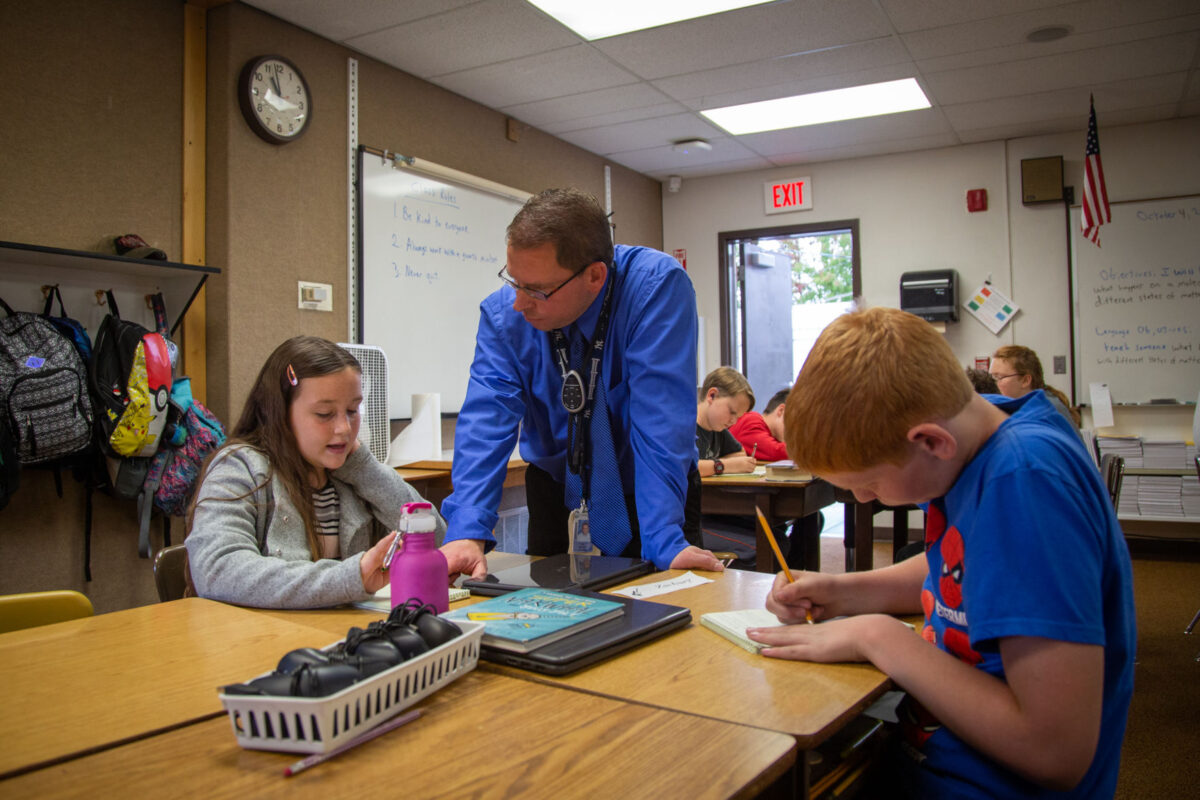
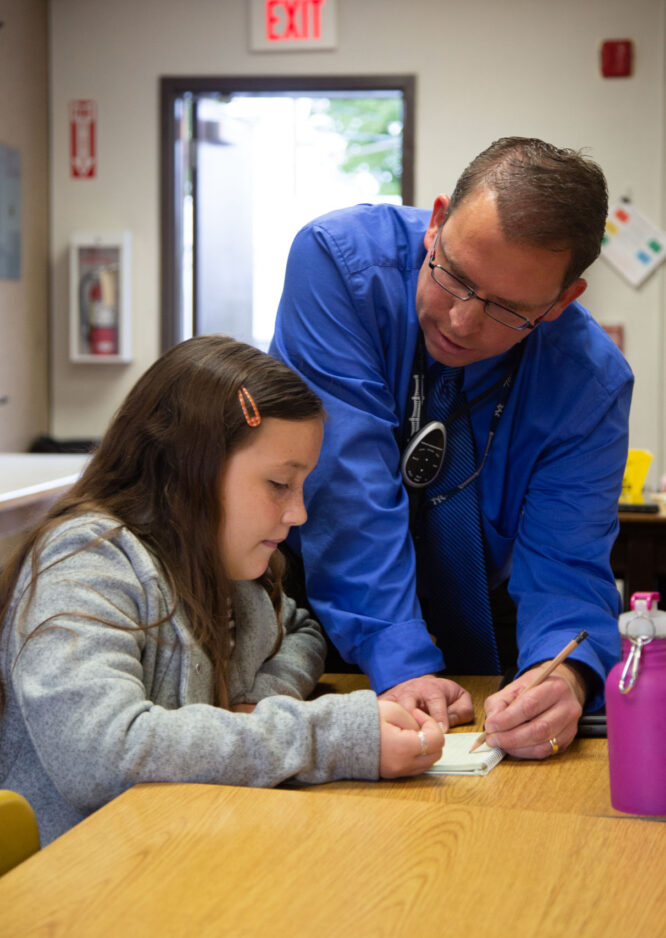
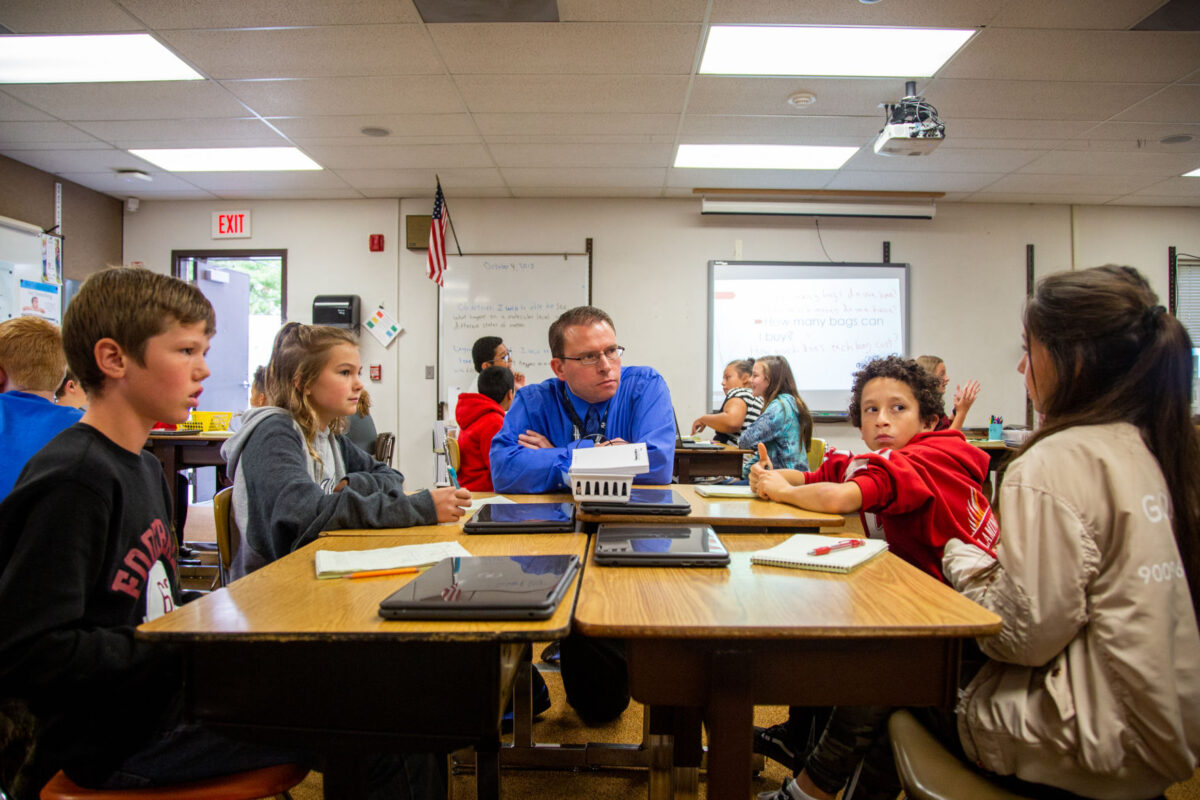
Taygen Bennett shows her sixth-grade teacher, Kirk Redford, her approach to a math problem at South Clearfield Elementary on Thursday, Oct. 4, 2018. Redford is a finalist for the Presidential Award for Excellence in Mathematics Teaching.
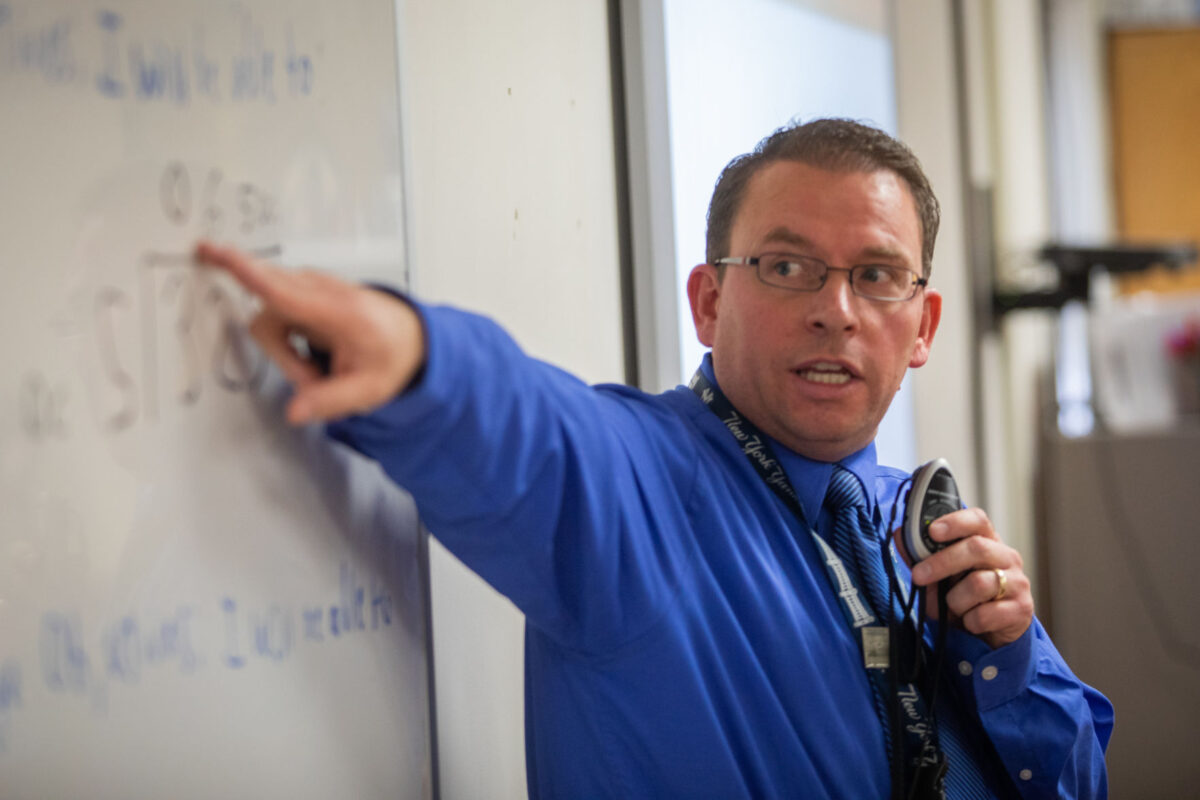
Kirk Redford, teaches sixth grade math at South Clearfield Elementary, on Thursday Oct. 4, 2018. Redford is a finalist for the Presidential Award for Excellence in Mathematics Teaching.
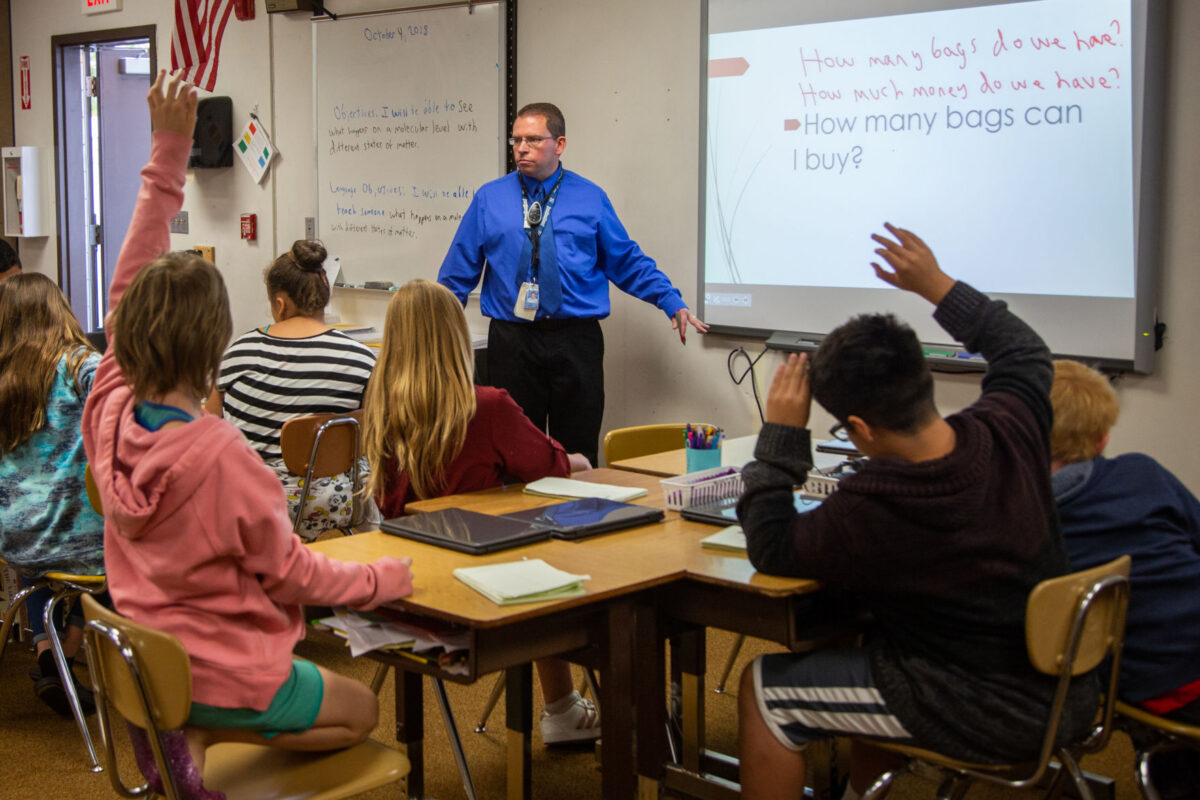
Kirk Redford, teaches sixth grade math at South Clearfield Elementary, on Thursday Oct. 4, 2018. Redford is a finalist for the Presidential Award for Excellence in Mathematics Teaching.
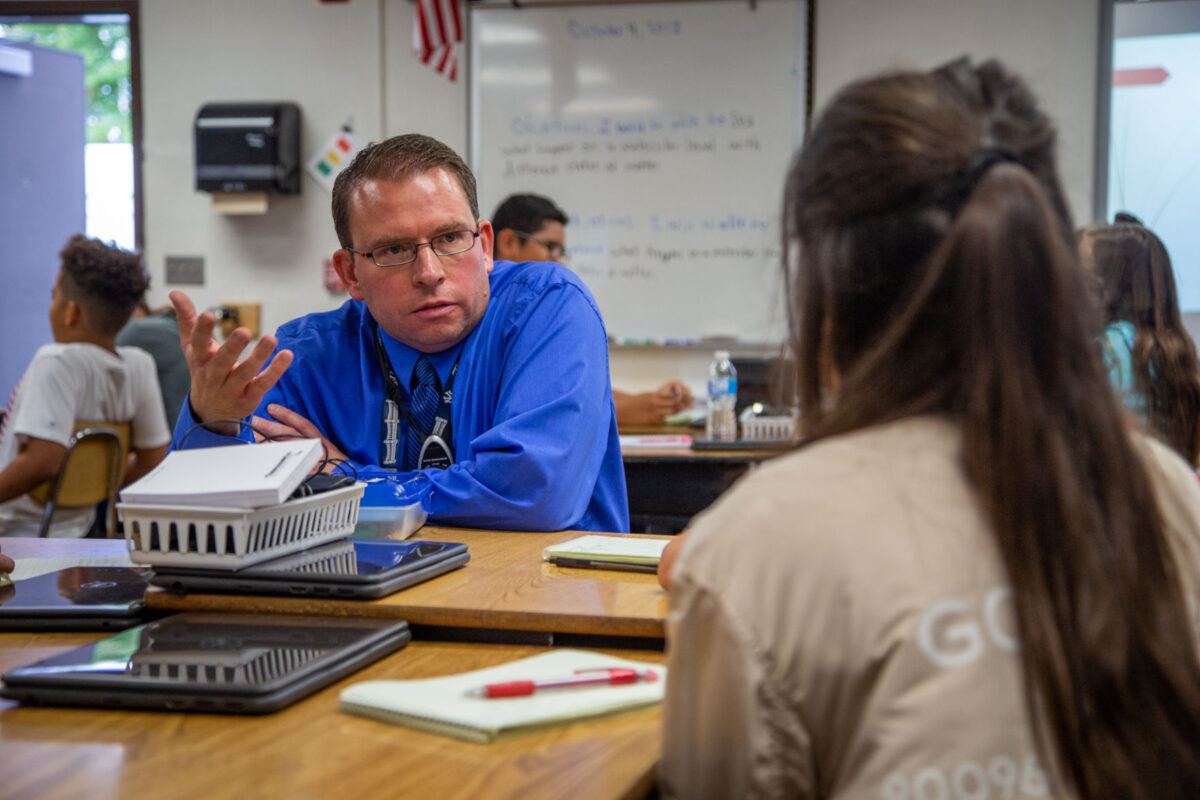
Kirk Redford, teaches sixth grade math at South Clearfield Elementary, on Thursday Oct. 4, 2018. Redford is a finalist for the Presidential Award for Excellence in Mathematics Teaching.
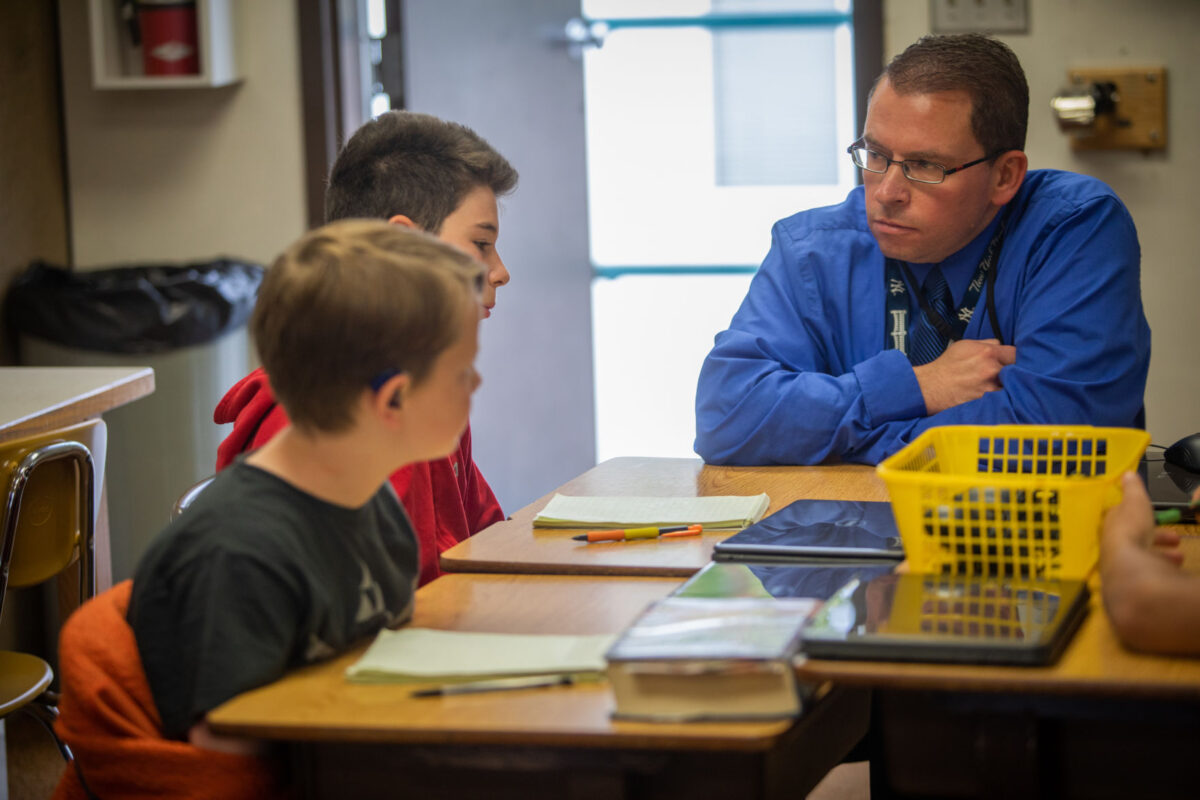
Kirk Redford, teaches sixth grade math at South Clearfield Elementary, on Thursday Oct. 4, 2018. Redford is a finalist for the Presidential Award for Excellence in Mathematics Teaching.
Kirk Redford, teaches sixth grade math at South Clearfield Elementary, on Thursday Oct. 4, 2018. Redford is a finalist for the Presidential Award for Excellence in Mathematics Teaching.
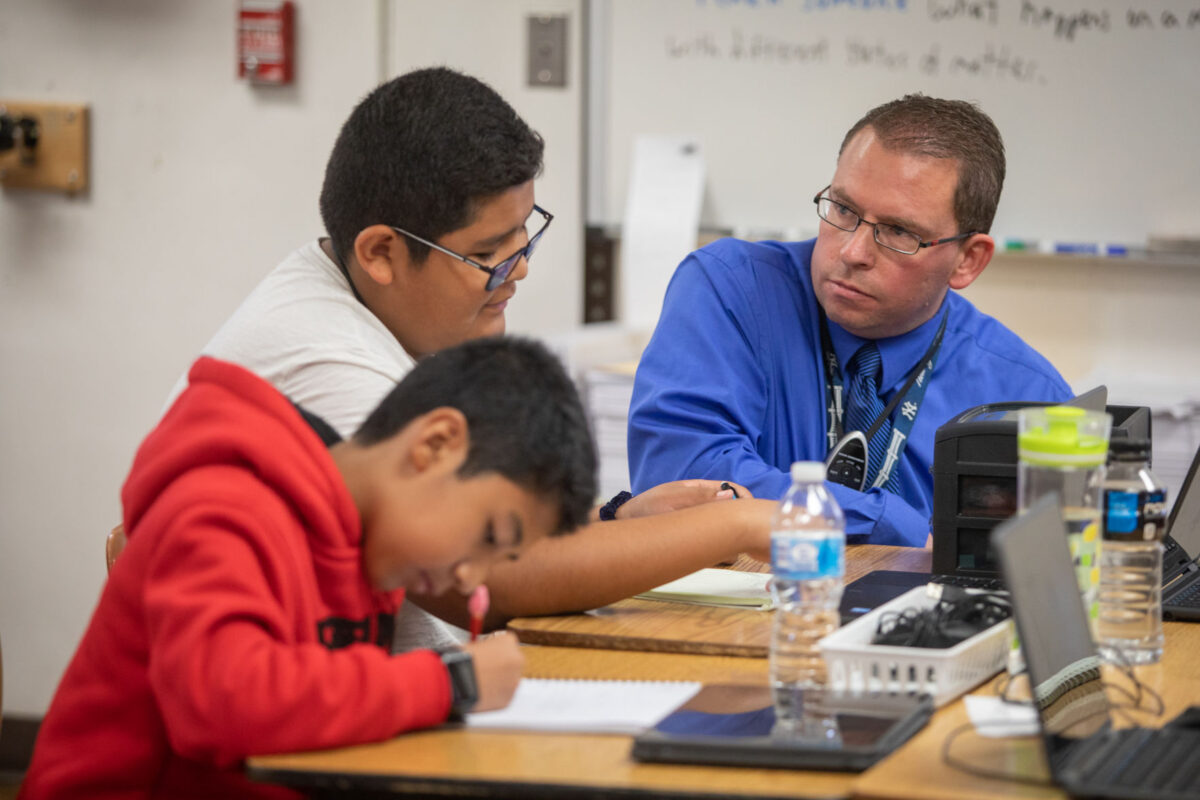
Kirk Redford, teaches sixth grade math at South Clearfield Elementary, on Thursday Oct. 4, 2018. Redford is a finalist for the Presidential Award for Excellence in Mathematics Teaching.
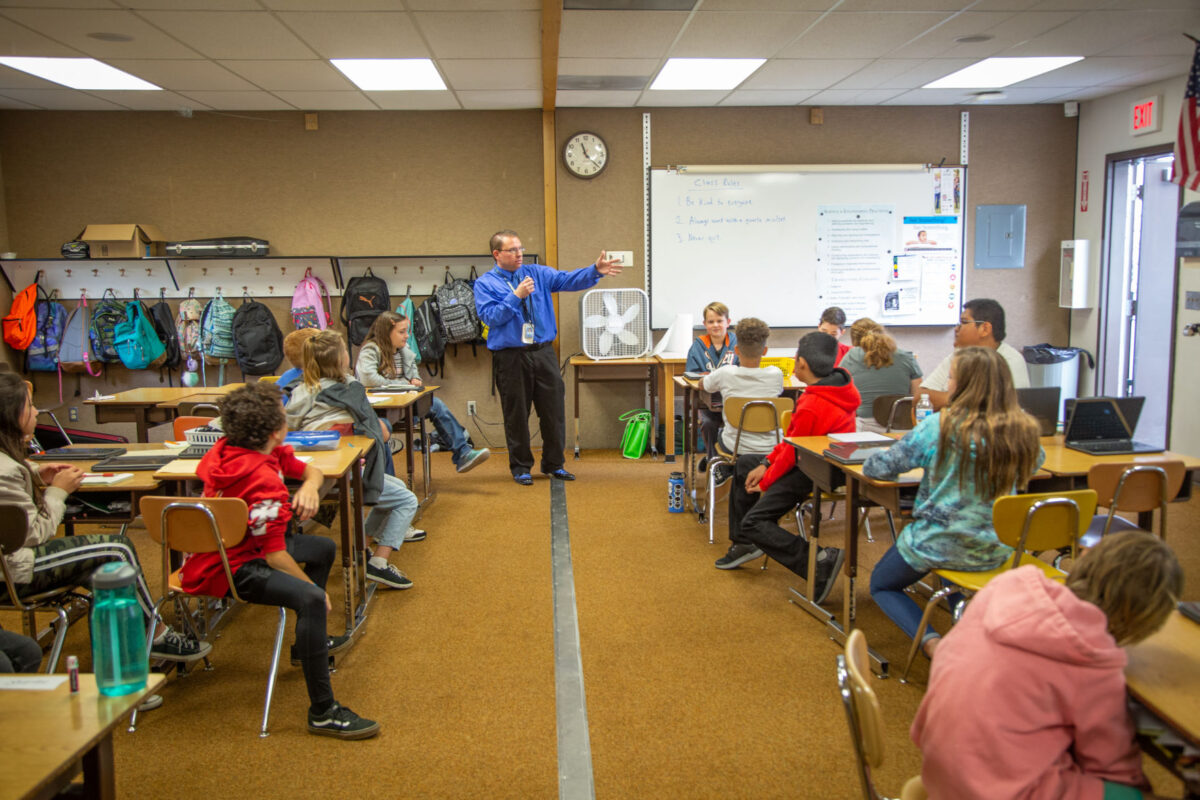
Kirk Redford, teaches sixth grade math at South Clearfield Elementary, on Thursday Oct. 4, 2018. Redford is a finalist for the Presidential Award for Excellence in Mathematics Teaching.
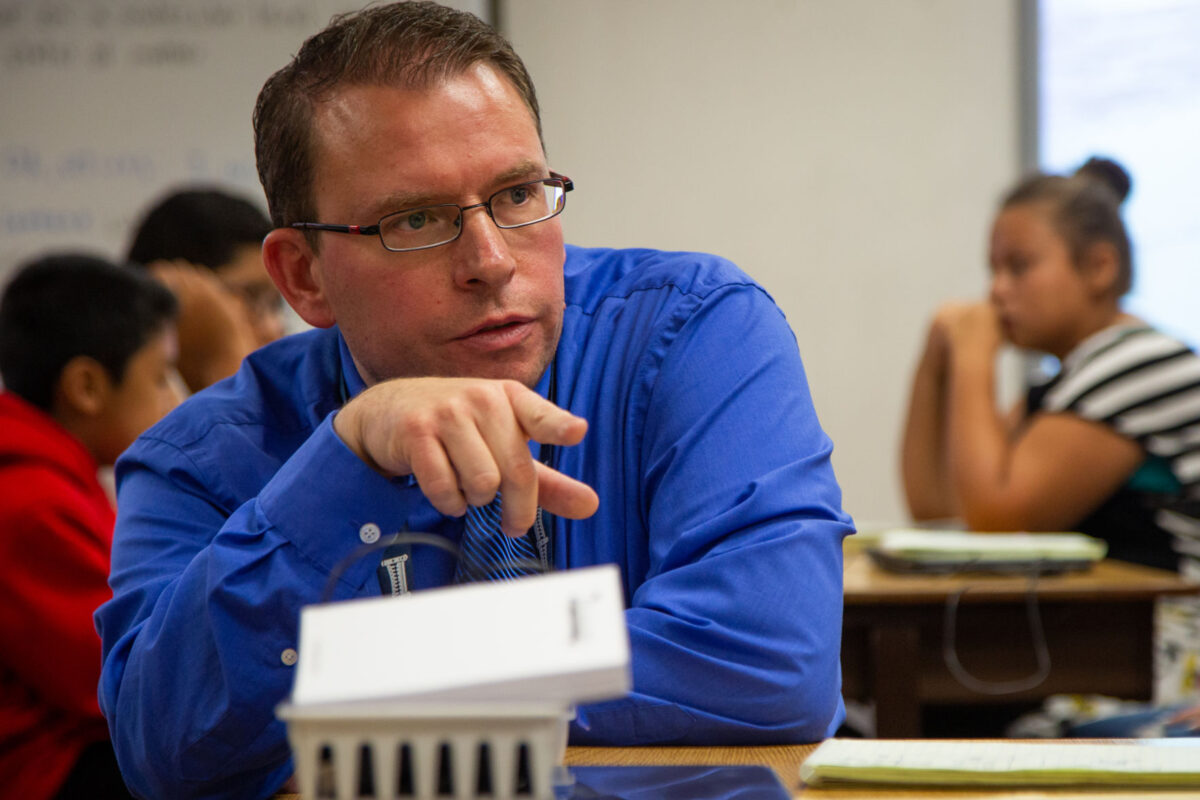
Kirk Redford, teaches sixth grade math at South Clearfield Elementary, on Thursday Oct. 4, 2018. Redford is a finalist for the Presidential Award for Excellence in Mathematics Teaching.
Kirk Redford, teaches sixth grade math at South Clearfield Elementary, on Thursday Oct. 4, 2018. Redford is a finalist for the Presidential Award for Excellence in Mathematics Teaching.
Kirk Redford, teaches sixth grade math at South Clearfield Elementary, on Thursday Oct. 4, 2018. Redford is a finalist for the Presidential Award for Excellence in Mathematics Teaching.
At South Clearfield Elementary, Kirk Redford’s classroom was buzzing as his sixth-grade students settled down after a class change.
One of them, Adreanna, had taken Redford up on the option to do some stretches in the aisle before she sat down for the math lesson.
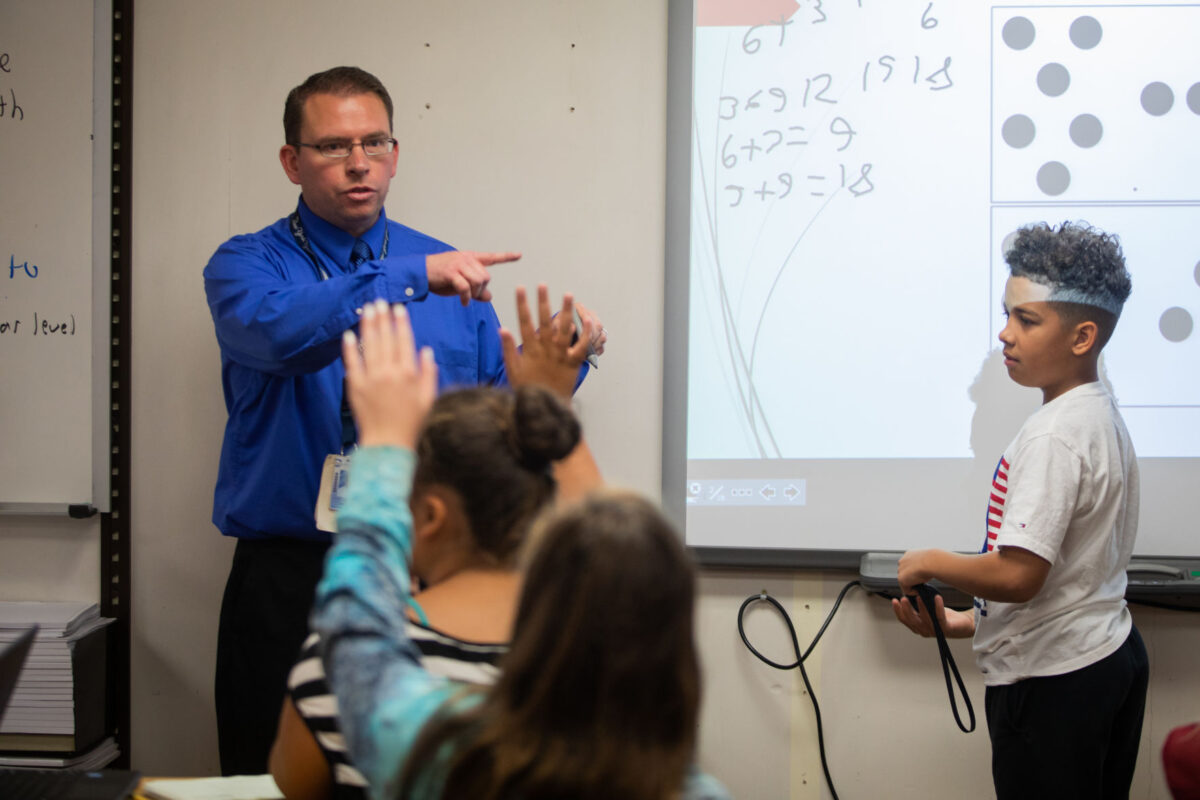
After stretching and a couple of warm-up math activities, Redford flipped the smart-board projector to a new problem.
“How many bags do I have?” he asked.
He stepped to the side of the room, and the class fell quiet as all the students scribbled in their notepads, many with furrowed brows.
As the writing subsided, he asked “So how many bags do I have?”
“We don’t know!” one group of students called out.
“We don’t have enough information!” a student at another table said.
“What would you like to know?” asked Redford.
Students across the room popped questions one right after the other.
“How many bags are there?” one student asked.
“How much money do we have?” called out another.
“How much money does each bag cost?” asked a third.
Redford wrote the students’ questions on the board using his smart board pen, which is like a stylus that leaves writing on the projected image, though no writing appears on the physical whiteboard.
As he finished writing the questions, a boy named Hyko called out, “Ten out of 10 on the handwriting.”
“I know, it’s getting better, isn’t it?” said Redford, smiling.
“Okay, here’s some more information,” he said, clicking to new question on the smart board.
The class again quieted as students read the board: If I have $13.65 and each bag costs $2.10 including tax, how many bags can I buy?
“What kind of problem is this?” Redford asked.
Faced with a new problem, the students went through a similar pattern: quiet scribbling, more brow furrowing, then leaning to their neighbors to show what they had done.
When the discussion started to subside, Redford asked if there were any volunteers to show how they had arrived at their answer.
While volunteers were plentiful in the warm-up activity, students were a bit more hesitant to take on this problem with everyone else watching.
Redford asked, “Is this easy?”
“Nooooooo,” said the class in unison.
“Do I expect you to have a perfect answer yet?” he asked.
“Noooooo,” said the class again.
Hands shot up to volunteer.
Hard work recognized
Redford says he’s more of a facilitator than a teacher, but he hasn’t always taken this approach in his classroom.
Redford developed these skills over the course of his career, and now he’s starting to get recognition.
The Utah State Board of Education selected him as one of two Utah finalists for the 2018 Presidential Award for Excellence in Teaching Math, the nation’s highest honor for teachers of science, technology, engineering and mathematics.
A graduate of Weber State, Redford studied marketing and business administration as an undergraduate and started out working for an ocean container company after college. When the company closed its Salt Lake office in 2008, planning to move all Salt Lake employees to Phoenix, he decided to look for a new career so he and his family could stay in Utah.
While looking for jobs Redford learned there was a teacher shortage, so he started considering teaching. He had liked business well enough, but he didn’t feel he was making a difference. Education seemed like just the thing he was looking for.
Redford got a teaching job at South Clearfield Elementary and started the Alternative Route to Licensure program, which allows people with bachelor’s degrees to start teaching while they earn their certification. A few years later, he went on to earn a Master’s in education, also at Weber State.
Now in his 11th year of teaching, Redford spent four years teaching fourth grade and has been teaching sixth grade ever since.
Redford credits his success with students to some of his own experience in school.
When he was an elementary student growing up in Layton, school didn’t come easily. In math, he often got the wrong answer, and when he got the right one, he sometimes didn’t get credit because he hadn’t used the method his teacher was looking for.
“I struggled,” Redford said. “So now when a kid struggles, I can say, ‘You know what? I’ve been there. I know what you’re going through. You’re not stupid. You may not understand it yet, but keep working. It will happen.'”
Joceline Nava, one of his students, appreciates this.
“I just feel more confident in myself this year,” she said. “Because last year I was really struggling, and then this year he said ‘You’re really doing great — I would have never thought you would have been struggling last year,’ … and it’s because of him.”
While his empathy for students has been there from the beginning, his skill in facilitating has developed over time.
Some of his greatest growth as a teacher happened through his participation in The 8×8 Project, a collaboration between Davis School District and Weber State that works to improve math instruction. As a participant in the program, Redford had to record videos of himself teaching and evaluate his own performance with his colleagues.
When he watched the videos, he noticed he was right up at the board, and when a student would talk, he would often cut them off.
Each time this happened in a video, he would cringe and think to himself, “Just close your mouth. Let. Them. Talk.”
“Let them talk” has become a theme of his teaching, as well encouraging what he calls “productive struggle.” He has a simple teaching philosophy: trust the students.
Bernadette Walters, a tutor who often works in his classroom, says this is one of the things she most admires about his teaching.
“He doesn’t give out any answers in his classroom,” she said. “He makes them think, and I love that.”
Redford’s students will get a lot of opportunities for productive struggle this year. After writing several grant applications, Redford was able to buy five 3D printers, which are shared by all of the sixth-grade classes at South Clearfield.
Students regularly design shapes using a program called Tinkercad. Then they watch the 3D printer create what they designed, giving them a hands-on experience with math concepts like volume.
In the spring, sixth graders will host a parent night to present what they’ve built over the course of the year.
Redford’s students don’t mind wrestling with problems. In fact, they think it’s a highlight of being in his class.
“Normally, teachers ask the questions,” said Emilee Walters. “But here, the kids get to ask the questions. It makes it more interesting.”
In addition to wrestling with problems, students often have to teach them to each other. Because Redford sees this as the highest form of mastery, it’s often the capstone of his assessments.
Students who sit next to each other get different forms of the test and take turns teaching each other the questions. He hasn’t given a traditional math test in his class for three or four years.
Despite not taking traditional tests, Redford’s students are excelling on state standardized tests. While the most recent SAGE scores are not yet public, in 2015-2016, Redford’s class had a median growth percentile of 85 on the SAGE. In the years since, Redford’s class scores have been similar.
This means that the average student in Redford’s class had a higher score on the SAGE exam than 85 percent of their peer group (students across the state who had similar SAGE scores the previous year).
In 2015-2016, the Davis district median growth percentile for math was 54, and the state median was 50.
As a participant in Redford’s teaching exams, Hyko Otasua has become confident in his skills, but he’s cautious when helping someone who’s having a hard time.
“I would ask them if they needed help first,” Otasua said, “because if they want to figure it out, I don’t want to take that away from them.”