Study: Myocarditis cases after vaccine mostly mild, in younger patients
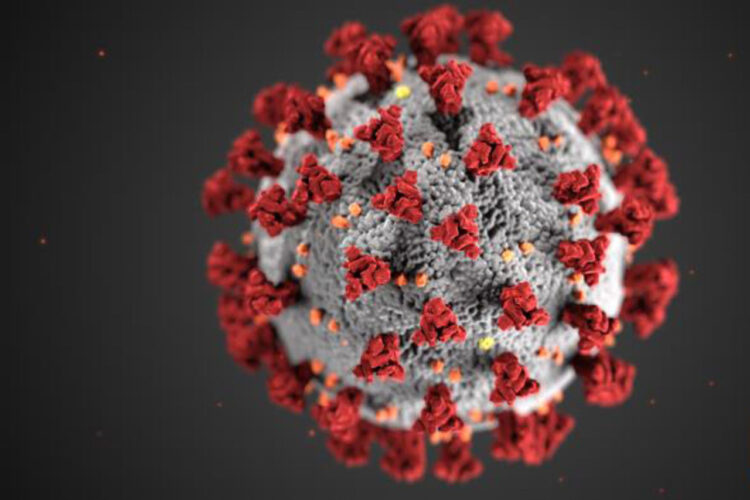
Image supplied, Centers for Disease Control and Prevention
This illustration reveals ultrastructural morphology exhibited by coronaviruses.Most young people diagnosed with myocarditis after receiving the COVID-19 vaccine had mild symptoms and went on to improve quickly, according to new data.
During a news conference Wednesday, Dr. Dongngan Truong, said a study which included 139 patients with the heart muscle inflammation found symptoms typically showed up in young people ages 12-21 within a week of receiving the second vaccine.
Males made up the majority of cases, said Truong, author of the study, who is also an associate professor of pediatrics in the division of cardiology at University of Utah Health and a pediatric cardiologist at Intermountain Primary Children’s Hospital.
“As the COVID-19 vaccine started coming out worldwide, early on we started hearing reports of this heart inflammation after the mRNA vaccines,” she said. “We felt it was important so that people in the community know what to look out for and to provide information on how these kids do in the short term.”
A heart echocardiogram and MRI were performed on each patient. Major findings showed 90% of participants were male, with symptoms showing up within a week of receiving the second vaccine dose. Symptoms included chest pain and sometimes shortness of breath and fever. Echocardiograms showed 19% of patients had decreased heart function, which was short lived.
“The length of stays in the hospitals were short with minimal medications used to treat them,” Truong said.
Overall, symptoms were mild and less than 20% of patients were treated with steroids or immunoglobulin medications in the intensive care unit.
“These data suggest that most cases of suspected COVID-19 vaccine-related myocarditis in people younger than 21 are mild and resolve quickly,” Truong said.”We were very happy to see that type of recovery.”
Truong said the participants will continue to be followed to watch for long-term outcomes.
Myocarditis causes inflammation of the heart muscle and can cause weakness of the vital organ. It’s mostly caused by an infection or inflammation from a virus. It’s also not unique to the COVID-19 vaccine. Truong said the smallpox vaccine also caused the condition.
“This is a rare event,” she said. “But we don’t know yet who is at risk and who is not. We don’t know the underlying mechanism of why they develop myocarditis or who is at risk.”
If symptoms appear shortly after the vaccine is administered, Truong said it’s important to go to your doctor or the emergency department for treatment.
Local News

Bret Millburn expands lead over Susan Lee in Davis County Commission race
Behold, Mac Barnett!: Popular children’s author speaks with Ogden youth about his career and love of picture books