
Ogden program aims to help immigrants become US citizens, promote civic engagement


-

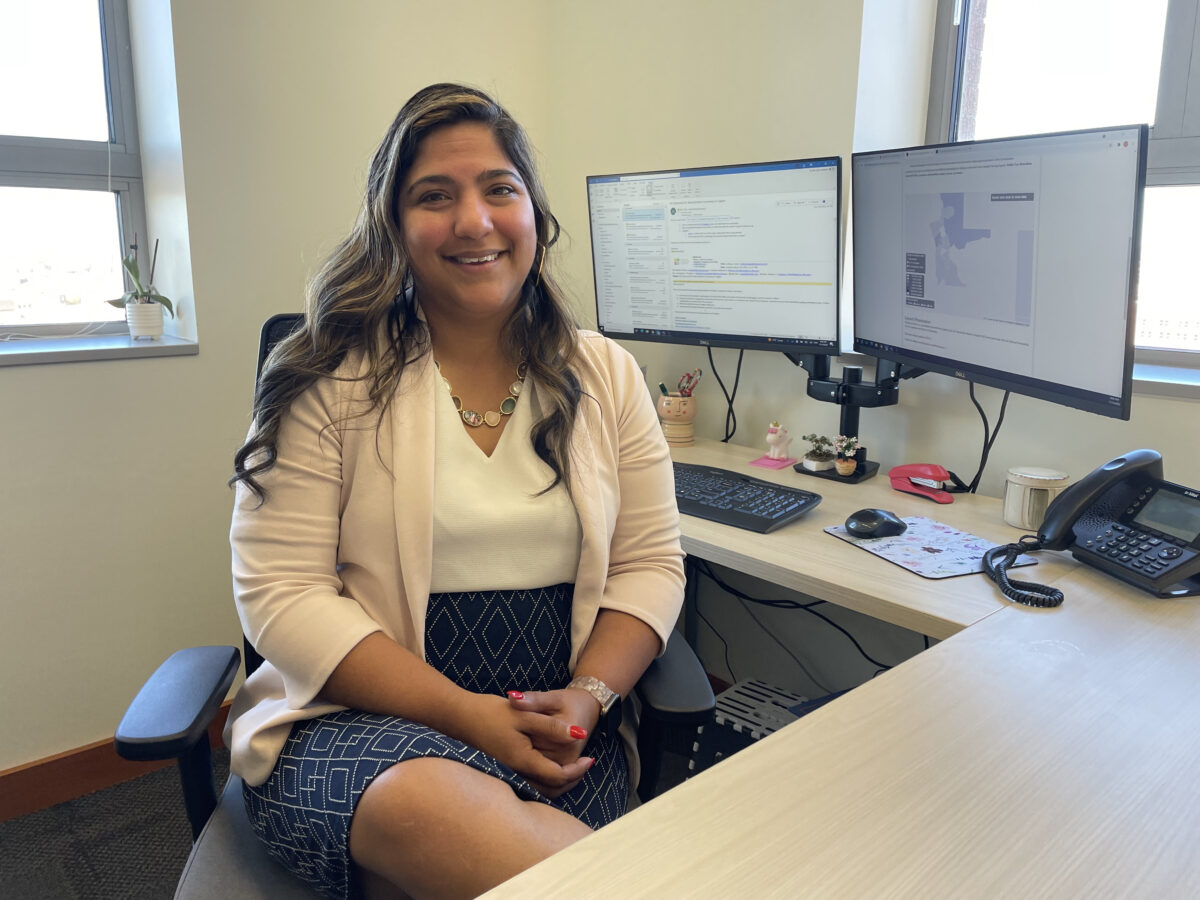
- A contingent of 123 immigrants took the oath of allegiance to become U.S. citizens on Thursday, March 30, 2023. The ceremony, pictured here, was held at Union Station in Ogden.
-
- Linda Lartigue, Ogden’s diversity affairs coordinator, is photographed in her office on Tuesday, Nov. 14, 2023. She helped craft a program meant to help legal immigrants prepare to get U.S. citizenship.
-

- A contingent of 123 immigrants took the oath of allegiance, shown here, to become U.S. citizens on Thursday, March 30, 2023. The ceremony was held at Union Station in Ogden.
OGDEN — Getting U.S. citizenship is one thing — a big thing, no doubt.
But a new program launched by the City of Ogden aims to help immigrants take things further in making the step. “We’re teaching them how to be civically engaged,” said Linda Lartigue, Ogden’s diversity affairs coordinator.
The Citizenship PATH Program — which officially launches in January though Lartigue and others involved are now seeking participants — will help legal residents from other countries prepare for the naturalization process. Partnering with the Weber County Library System, which already offers citizenship classes, it will also connect participants with elected officials, voting experts, police and fire officials, and judges. The hope is to bolster participants’ familiarity with the election system, most notably, as well as the other elements that figure in civic involvement.
Lartigue helped create the program, teaming with Fernando Morales of United Way of Northern Utah, reps from Catholic Community Services of Utah and others. PATH in the program title stands for prepare, apply, test and help your community. “I think adding that civic engagement component is really unique,” she said.
The program, geared to eligible legal immigrants across Weber County, is to start with 25 participants. But the potential pool in the county that could tap into it totals an estimated 3,858 people, according to figures from the University of Southern California Equity Research Institute. That number represents the estimated number of adults in the county — 69.5% of them originally from Mexico — who are eligible to be naturalized to U.S. citizens.
Lartigue is a big believer in the import of immigrants striving for U.S. citizenship. “When you have it, you have it and it’s forever,” she said.
Moreover, being a full-fledged citizen as opposed to a legal permanent resident opens the door to voting, selection of the elected officials who represent you. The most important thing in becoming a citizen, she thinks, is “that component of being able to be more engaged in a community.”
Practically, the 12-week program will teach participants the things they need to know for the naturalization interview with U.S. immigration officials and the naturalization test. They will also get help in filling out the required paperwork to become a citizen and, if they complete 20 hours of volunteer service and attend 75% of classes, will be able to tap into funds to cover the $725 citizenship application fee.
They will have access to legal experts who can help with the naturalization process and, for participants with kids, child care during citizenship classes. “It was really important to identify the barriers that keep people from applying for the citizenship status,” Lartigue said.
Moreover, local and state elected officials will meet with the contingent to discuss the import of civic involvement. Participants willll learn about voting laws and rights. They’ll meet with police and fire officials as well as a judge, who will address jury duty, another responsibility of citizenship.
Salt Lake County supplied Ogden with about $17,100 in grant funding it had received to help immigrants. More information is on the program website, ogdencity.com/2646/Ogdens-Citizenship-Path.
Local News

Ogden Police Department responds to stabbing at Ogden Preparatory Academy on Monday
Bret Millburn prevails over Susan Lee in Davis County Commission race, responds to campaigning complaint
