
Utah lawmakers want Rocky Mountain Power to ‘have some skin in the game’ on important fee
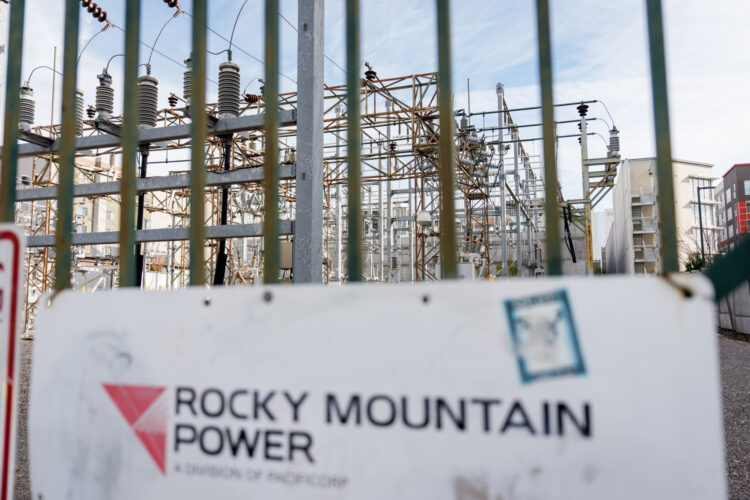
Photo by Spenser Heaps for Utah News Dispatch
A Rocky Mountain Power substation in downtown Salt Lake City is pictured on Saturday, Nov. 15, 2025.The Utah Legislature is picking back up a proposal that would restructure an important fee in most Utahns’ power bills and which, according to lawmakers, could help lower energy prices for Rocky Mountain customers.
This legislative session, which starts Tuesday, Richfield Republican Rep. Carl Albrecht is sponsoring a bill he stopped pursuing last year as negotiations swirled with the state’s largest energy provider over other issues. His proposal would hold Rocky Mountain Power responsible for 20% of costs to its Energy Balancing Account, which is fed by a market adjustment fee that can either credit or debit ratepayers for the utility’s costs not covered by the regular electricity rates.
With the 2026 bill, Albrecht hopes to reinstate a sharing band for Energy Balancing Account costs, with Utah customers taking care of 80% of it. Ratepayers have been covering the total cost since 2016, after the Legislature passed a law sponsored by Senate President Stuart Adams, R-Layton, establishing the structure.
“The whole idea behind it is to give some rate relief to Utah customers,” Albrecht said on Tuesday, “and have Rocky Mountain Power have some skin in the game and have their shareholders face some of those costs.”
Albrecht would like to see Utah adopt a similar system to the other states Rocky Mountain Power serves. Idaho customers cover 90% of their Energy Balancing Account, while the company pays for the remaining 10%. In Wyoming, the shared cost structure is 80% for ratepayers and 20% for the utility.
“We’re just asking that Utah has something similar, which protects the customers,” Albrecht said.
Albrecht initially introduced the idea to the Legislature in November 2024, during the interim session, following a 30.5% rate increase proposal from the company that rattled Republican state leaders. After the rate bump numbers became public, lawmakers grilled top Rocky Mountain Power executives, asking them to study a split from PacifiCorp — the utility’s parent company — and had the Energy Balancing Account under more legislative scrutiny.
In response to the bill draft, Rocky Mountain Power described the Energy Balancing Account in a statement to Utah News Dispatch as an “important tool for managing the variable costs of providing electric service,” and said that the Utah account is consistent with industry standards.
“This helps keep rates stable for customers while also contributing to the financial stability for the utility between general rate reviews,” the company said. “We will evaluate the proposed legislation with a view to achieve balanced outcomes that ensure fair prices for customers and a reasonable opportunity for the utility to recover the necessary costs to providing reliable energy for Utah’s families and businesses.”
But, with other negotiations taking place with Rocky Mountain Power executives, Albrecht’s bill was delayed in the Senate.
“Those negotiations were successful at the end of the session, so I dropped the bill and was asked to run it again this year,” he said.
The fee is designed to change according to market prices, which have been increasing for years, becoming a substantial part of ratepayers’ bills.
Now that the Utah Public Service Commission has approved a 4.7% electricity residential rate increase — only about a quarter of the 18.1% that Rocky Mountain Power ended up requesting after public outcry — Energy Balancing Account fees may make up for those market costs. That’s if commissioners approve the charges.
Utah News Dispatch is part of States Newsroom, the nation’s largest state-focused nonprofit news organization.