‘Hub of the West’: Business Depot Ogden continues providing a major boost to the city
-
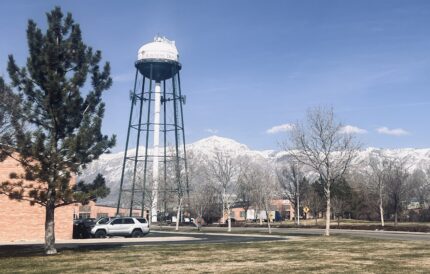
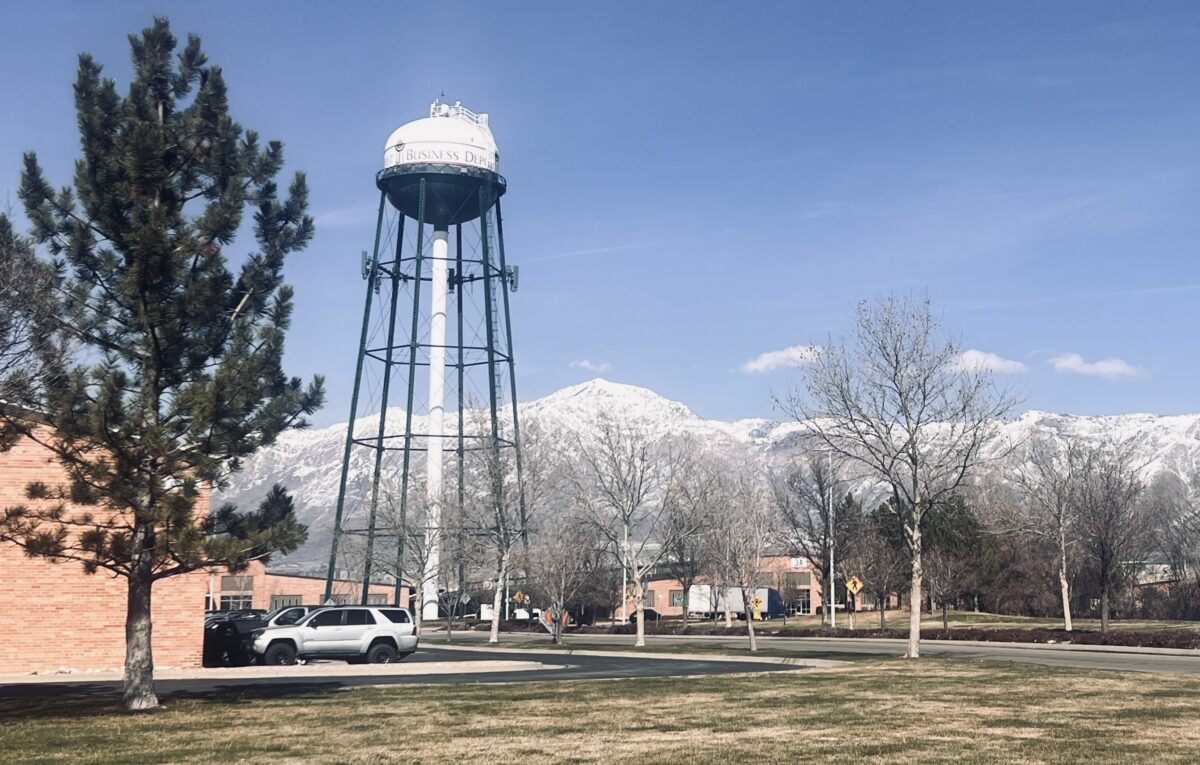
- The iconic water tower sits in the middle of Business Depot Ogden on Wednesday, March 4, 2026.
-
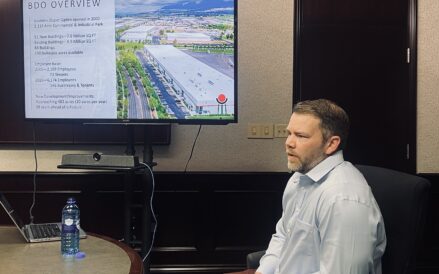
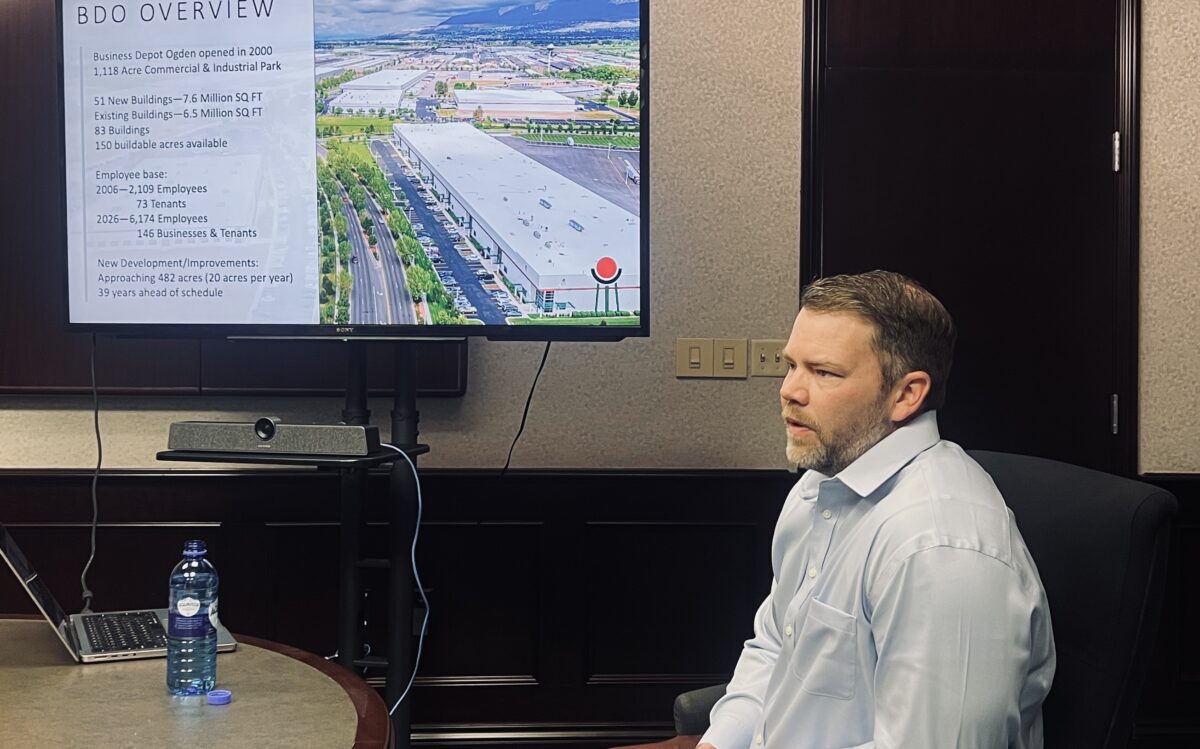
- Business Depot Ogden partner Aaron Austad talks about the industrial area with the editorial board at the Standard-Examiner on Wednesday, March 4, 2026.
-

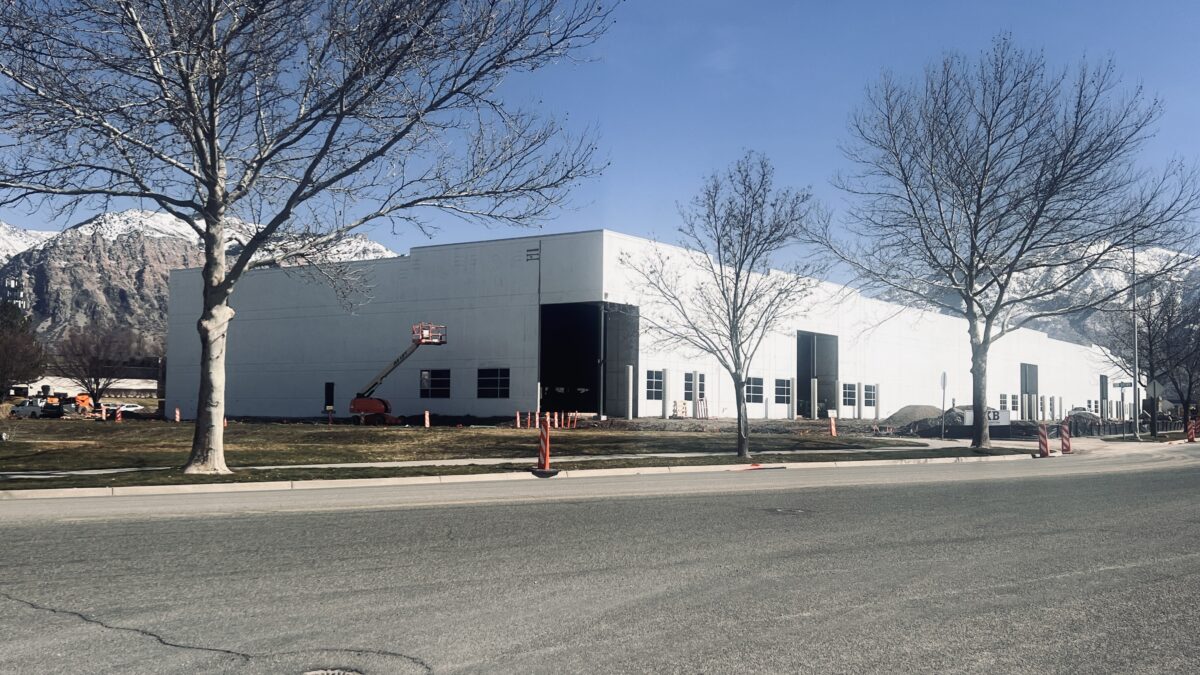
- Workers construct a new building in the Business Depot Ogden on Wednesday, March 4, 2026.
-
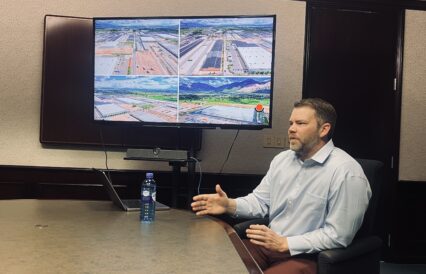
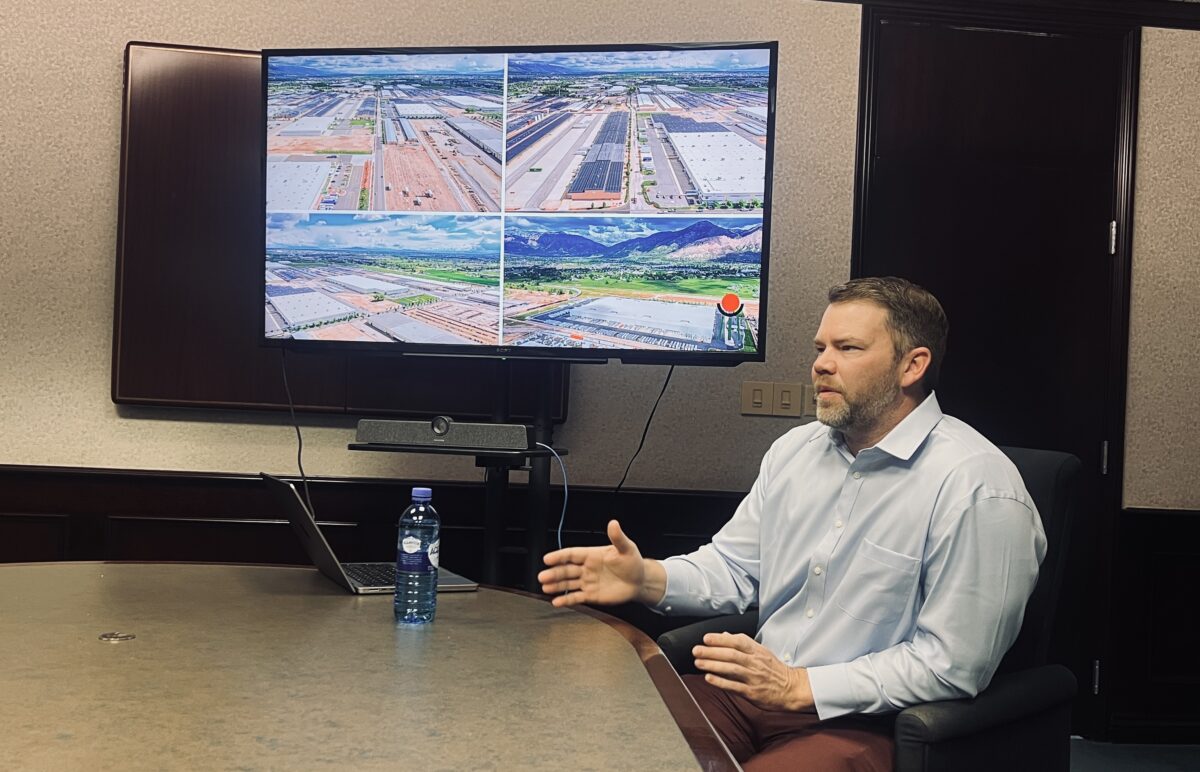
- Business Depot Ogden partner Aaron Austad talks about the industrial area with the editorial board at the Standard-Examiner on Wednesday, March 4, 2026.
Editor’s Note: This is the second in a series of three stories following a Standard-Examiner editorial board interview with Business Depot Ogden Partner Aaron Austad about the site’s history and ongoing importance to Ogden City.
OGDEN — When the Defense Depot Ogden opened, it gained the moniker, “Hub of the West” due to its ease of distributing Army materiel by road or rail to the Western United States.
Business Depot Ogden Partner Aaron Austad said that this still very much applies to the site’s civilian use.
“That’s turned into a major opportunity for us,” he said. “The location has been amazing. That’s why we get so much interest in warehouse distribution and manufacturing. The infrastructure is great.”
He noted that since the official founding of Business Depot in 2000, the site has grown to 1,118 acres. In addition to the 83 existing buildings that were left for use from the former DDO (totaling 6.5 million square feet), 51 additional buildings have been built, adding another 7.6 million square feet. At this time, around 150 buildable acres remain on the site. By 2006, the BDO had 73 tenants employing 2,109 employees. This year, there are 146 businesses and tenants on the site with just over 6,000 employees.
Austad said a key has been the relationship with Ogden City.
“For years, we’ve focused on making sure we have a great relationships with our business partners,” he said. “We try to be good neighbors to everyone and being in a partnership with Ogden City where they own the ground and we develop it has also allowed us to get a lot of deals out here where we had to work together with the city extremely closely. … That’s helped a lot to be able to have that connection with the city.”
He said that Ogden City ultimately benefits heavily from the continued success of the BDO.
“It’s a 50/50 partnership split,” he said. “In the end, there’s roughly $16 million that gets paid out to Ogden City per year.”
Austad said BDO officials meet with Ogden City officials once per quarter.
“Our lease payments go into the city every quarter,” he said. “They’re very hands off, as far as that goes, but very hands-on when we call to say, ‘We’ve got a tenant potentially building here. Get your team together, let’s talk through building services and everything else.’ That’s where it’s been absolutely phenomenal. They’ve got a great team that’s willing to jump in and really help out.”
But this arrangement started off with at a catch.
“When the Army turned this property over to us, the deal was, ‘We will give you the property,’ — the army speaking to Ogden City, ‘But you have to reinvest in the property for the first seven years,'” Austad said. “It was a seven-year reinvestment period nobody could take any profit off the property. That was the Army’s way of saying, ‘You’re paying for this.'”
He said the seven-year period generated $21,441,225.
“It was money that we could use to bring tenants in or to do improvements on buildings and it was phenomenal,” he said. “That $21 million is how we ended up building what we have out here, which is awesome.”
Austad said that the project also benefited from $78,089,112 from tax increment financing and grants to help boost road infrastructure throughout the BDO.
He said the BDO is now at 98% occupancy not including the land that could yet be developed.
Local News
‘Hub of the West’: Business Depot Ogden continues providing a major boost to the city

Utah moves toward allowing health care providers to deny treatment based on their beliefs