
COMER: What I learned from a stroke at 42
-
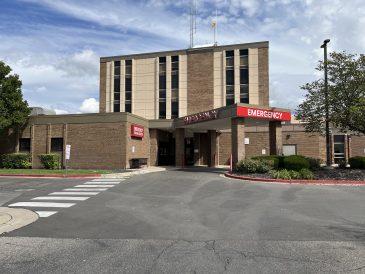
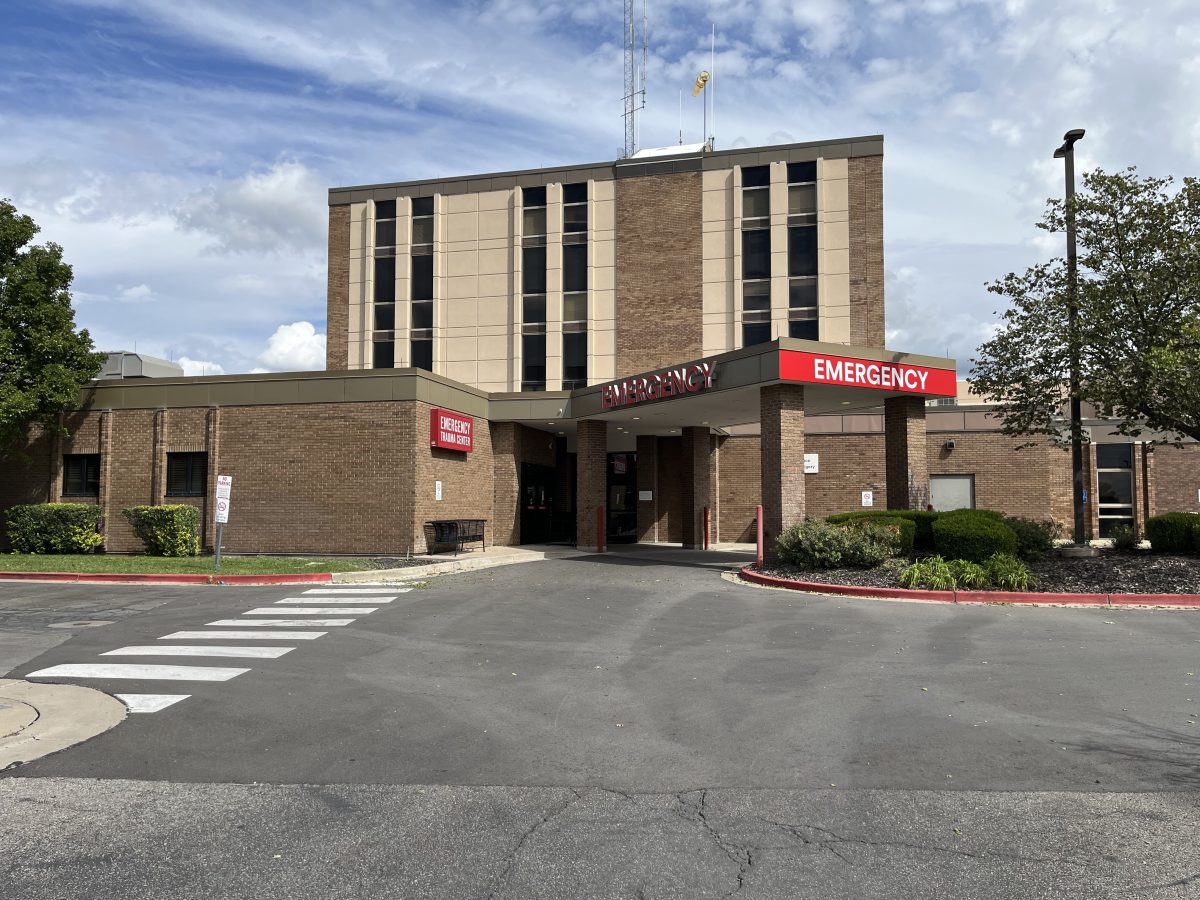
- The emergency room entrance at Holy Cross Hospital Davis in Layton on Saturday, Sept. 19, 2026.
-
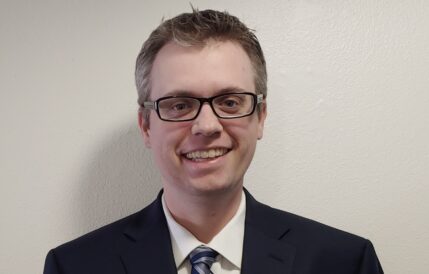
- Ryan Comer
Ryan Comer, Standard-Examiner
The emergency room entrance at Holy Cross Hospital Davis in Layton on Saturday, Sept. 19, 2026.
I was sitting at home watching the Cowboys-Giants game last Sunday night after throwing the football with my 11-year-old son moments earlier when I suddenly noticed something very wrong with my vision.
There appeared to be a glare on the television screen, and the score bug at the bottom was hard to read unless I really focused on it. It appeared as if I was looking through a tunnel, and on the periphery of my vision, there appeared to be spinning wheels.
The “glare” was more pronounced when I looked at my cellphone. It made it very difficult to read what was on the screen.
I put my phone down and closed my eyes, thinking that if I just gave them a rest, things would get better. But something told me I needed to take this more seriously.
So, I did what any serious person does in 2026.
Ryan Comer, Standard-Examiner
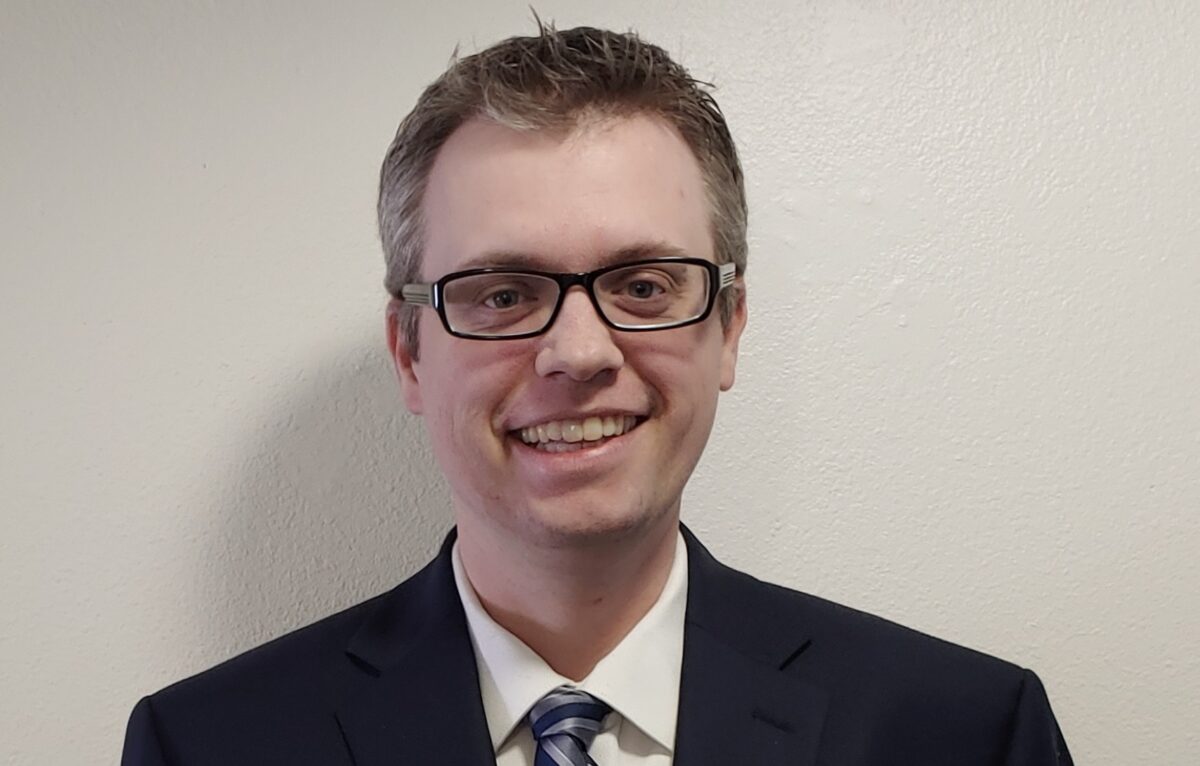
Ryan Comer
I consulted ChatGPT.
After explaining these sudden symptoms, ChatGPT effectively told me, “Get to a hospital, now! And don’t drive.”
ChatGPT thought the situation was so serious that it almost didn’t want me to wait for the person who I had contacted to drive me, saying I should call 911.
I got to the hospital and they took my blood pressure. It was 163/113. They put me in a room and I noticed that it hurt when I would try and turn my head back to look at the machine.
I had a CT scan done, and the person who did the scan asked afterward if I had hit my head. I thought it was a curious question. Why would she ask me that after completing the CT scan? Did she notice something on the CT scan that would precipitate such a question? I asked her if she saw something, but she said that was above her pay grade and that the doctor would come and give me the results.
Well, the doctor did, and it wasn’t encouraging. He said I had a narrowing of the two vertebral arteries at C2, due to either plaque or dissection. The right one was worse, with a 90% narrowing, while the left was 50%. He said I would be admitted to the hospital and taken for an MRI.
The next day, I was told that I had a “subtle, punctate, focus of restricted diffusion in the postero medial cerebellum hemisphere.”
In normal language, according to ChatGPT, that means:
“The MRI showed a very tiny spot in the back-inner part of one side of your cerebellum where the brain tissue was not getting normal blood flow.”
In even simpler language, according to ChatGPT:
“There is a tiny, recent stroke in the back-inner portion of your cerebellum.”
Tiny or not, a stroke is a stroke, and it’s pretty scary.
The discharge document said my primary diagnosis was an acute cerebellar stroke with vertebral artery dissection.
It was confirmed that both arteries had dissections.
I was prescribed some medication to hopefully prevent clotting and allow the arteries to heal, was told to follow up with a stroke neurologist in a month and discharged on Tuesday afternoon. I had to go back to the emergency room Friday because of worsening – and new – symptoms, but thankfully, I was able to be discharged the same day, though the diagnosis included Transient Ischemic Attack, or TIA, sometimes called a “mini-stroke.”
I still am trying to come to grips with the fact that it all is really happening. Surreal is the word that keeps coming to mind.
I’ve been thinking about what I’ve learned from it all.
Well, one thing I’ve learned is how important it is to have support nearby. Thankfully, I was able to get a ride to the hospital from a family member. Thankfully, I was able to have a family member watch my boys for the time while I was in the hospital. Thankfully, there were options if I had needed to stay in the hospital longer than I did. If I underestimated the importance of having support, I don’t anymore.
Another thing I learned is how I should never take life for granted. Over the past eight years, since my wife passed away, I’ve operated with this thought that nothing bad would happen to me because I have struggled to believe that God would allow my young children to lose both of their parents. But I guess I shouldn’t think that way. Kids sometimes do lose both their parents. We live in a fallen world, with imperfect bodies and sometimes very far from perfect people, and sometimes things just happen. I shouldn’t take my life for granted. It really could be suddenly taken away from me. It really hit me as I was in the hospital that as much as I miss my wife and think often about how much I can’t wait to be reunited with her, I don’t want my kids to be left without me.
Another thing I learned is how there are people who care about me. It’s hard being a single parent, where your life is almost exclusively work, take care of kids, somehow find time to eat and sleep, repeat. There isn’t much time for social interactions, and that leads a person to wonder at times how much they truly matter to people. Certain other life situations don’t necessarily help that. But seeing the responses from people helped me realize that I am in fact important. Important enough to have dinners, treats and gifts sent to me and my boys throughout the week. Important enough to have texts of support sent to me. Important enough to have our front door heart attacked. I think we’re all appreciated more than we may think we are.
Ultimately, it’s hard not to feel sad. I’ve heard multiple times from people that it just doesn’t make sense that I had a stroke given my age and that I have seemingly no risk factors. It’s hard to come to grips with the fact that at 42 years old, I’m a stroke survivor. But I’m a survivor, and I’m thankful for that.
Contact Standard-Examiner editor Ryan Comer at rcomer@standard.net.