
Fake letter backfires, ex-bank manager gets 27 months in prison for stealing $565K
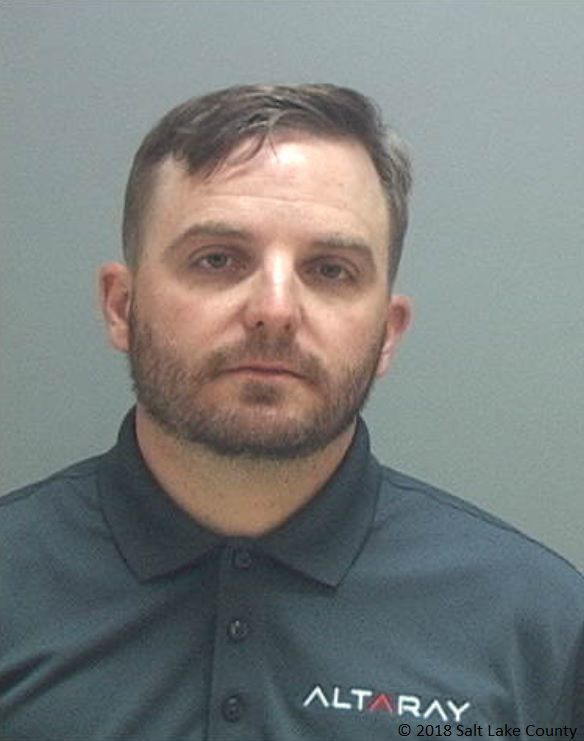
Daniel Scott Frischknecht, 33, of Bountiful, was sentenced Aug. 13, 2018, to 27 months in federal prison on a money laundering charge for stealing $565,000 from a Bountiful bank he managed. Prosecutors said he bought a house with the money.
Frischknecht
SALT LAKE CITY — A fired Bountiful bank manager who stole $565,000 got a 27-month prison sentence after damaging his case by submitting a forged letter of praise from an employer.
U.S. District Judge Dale Kimball on Friday ordered Daniel Scott Frischknecht, 33, to report to the federal prison in Birmingham, Alabama, by Oct. 5 on his money laundering conviction.
In two transactions while manager of the Zions Bank branch in Bountiful, Frischknecht embezzled the money and bought himself a new house. After Zions detected the crime, Frischknecht was fired, the federal government moved to seize the house and he was charged with the felony.
Just before his scheduled sentencing in May, prosecutors and the judge learned that Frischknecht allegedly forged a gushing letter of support from a new employer. After an investigation, prosecutors charged him with obstruction of justice, accusing him of faking the letter in an attempt to win a lighter sentence.
The phony letter appeared to have backfired on Frischknecht by the time he was sentenced Friday, Aug. 13.
Before the forged letter, Frischknecht’s attorneys recommended he be sentenced to probation because he was a dedicated family man, was remorseful, and had paid back the $565,000.
And the U.S. Attorney’s Office agreed to recommend Frischknecht be sentenced on the low end of federal punishment guidelines for money laundering, no more than 33 months in prison.
But in an amended sentencing recommendation filed Aug. 3, prosecutors noted the “brazen” fake letter to the judge and blasted Frischknecht as “a thief and a liar” who deserves 41 to 51 months behind bars.
“If the past is any predictor of the future, there is little doubt that he will engage in additional fraud,” the document said. “Only a lengthy prison sentence will guarantee the economic safety of the community.”
Frischknecht has “amplified culpability” because his was a major, calculated white-collar crime, prosecutors said.
“Many of Mr. Frischknecht’s criminal counterparts who steal much less through bank robberies or store thefts commit such crimes because of drug addiction, desperate indigence, mental deficiencies, or traumatic childhoods. Mr. Frischknecht does not face any of these inequities and is therefore more culpable than his counterparts,” the document said.
Prosecutors also noted Utah is known nationally as “a hotbed of rampant fraud and white-collar crime” and that the FBI recently ranked Utah as one of the top five states for white-collar fraud.
As part of its most recent sentencing recommendation, the U.S. Attorney’s Office agreed to drop the obstruction of justice case it filed against Frischknecht, in the expectation that the judge would impose a harsher sentence for the bank theft because of the attempt to dupe the court with the fake letter.
Kimball sentenced Frischknecht to 27 months in the Alabama prison, which he said would be conducive to vocational training and family visitation for Frischknecht. After release, Frischknecht will be on probation for two years.