‘5 minutes before the miracle’: How former Layton High wrestler Court McGee turned addiction into two-decade MMA career
-
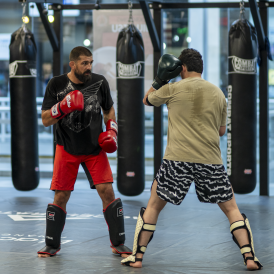
- MMA fighter Court McGee, left, an Ogden and Layton native, spars at his AGEMA Jiu Jitsu and MMA gym on May 5, 2026, at the Provo Towne Centre. (Smalls McFarland, Smile for Shelly Photography)
-
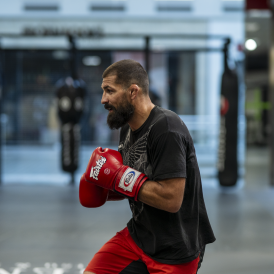
- MMA fighter Court McGee trains on May 5, 2026, at AGEMA Jiu Jitsu and MMA in the Provo Towne Centre. (Smalls McFarland, Smile for Shelly Photography)
-
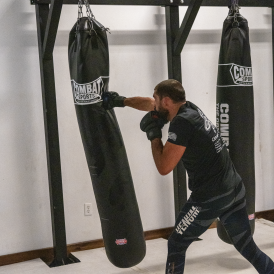
- MMA fighter Court McGee strikes a bag on May 12, 2025, at AGEMA Jiu Jitsu and MMA in the Provo Towne Centre. (Smalls McFarland, Smile for Shelly Photography)
-
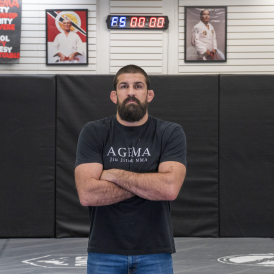
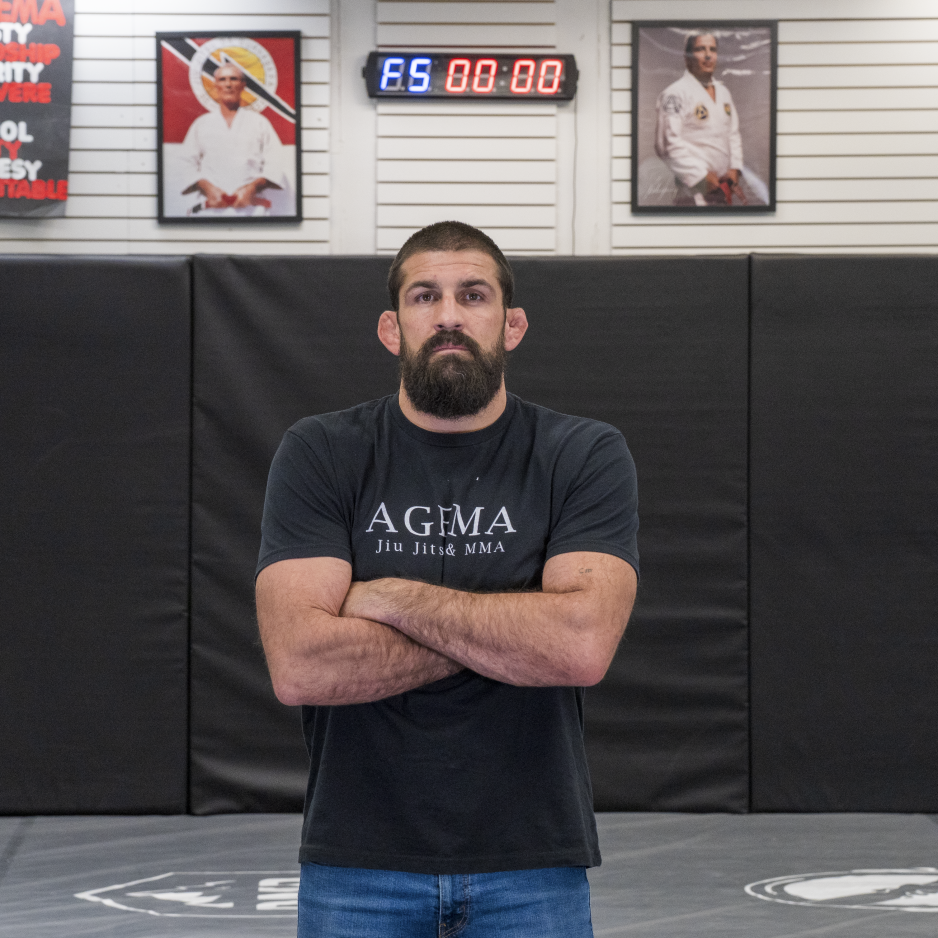
- MMA fighter Court McGee poses for a photo at his AGEMA Jiu Jitsu and MMA gym on Feb. 22, 2026, at the Provo Towne Centre. (Smalls McFarland, Smile for Shelly Photography)
Smalls McFarland, Smile for Shelly Photography
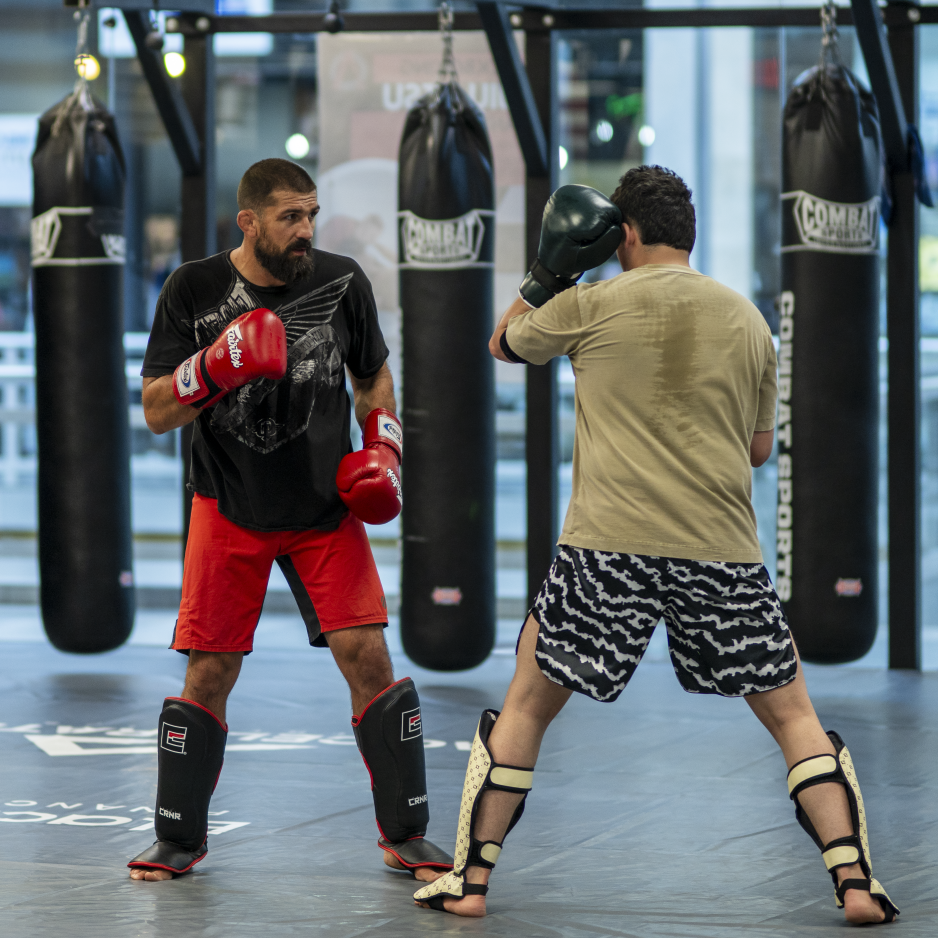
MMA fighter Court McGee, left, an Ogden and Layton native, spars at his AGEMA Jiu Jitsu and MMA gym on May 5, 2026, at the Provo Towne Centre. (Smalls McFarland, Smile for Shelly Photography)
SALT LAKE CITY — Court McGee’s two-decade-long career in mixed martial arts will wrap up Saturday in front of a home crowd at UFC 332 at the Delta Center.
The Ogden native, who grew up in Layton and fights out of Provo, will take on up-and-coming UFC welterweight Eric Nolan as part of the promotion’s fourth premium fight in Utah in five years.
It will be the final fight of a four-match extension McGee signed with UFC to conclude his 19-year career, the past 16 in what most consider the sport’s top promotion. The 41-year-old fighter is 23-14 overall within the promotion, though his career dates back further.
Further back even than his ascribed career (or at least, his Wikipedia page).
Sitting outside his pre-fight hotel room in Salt Lake City, McGee names several favorite bouts from the Octagon. They include a submission win over Tim Means the last time he fought in Salt Lake City two years ago and a 2016 UFC Fight Night victory over Dominique Steele in the first UFC event to air in his home state.
Smalls McFarland, Smile for Shelly Photography
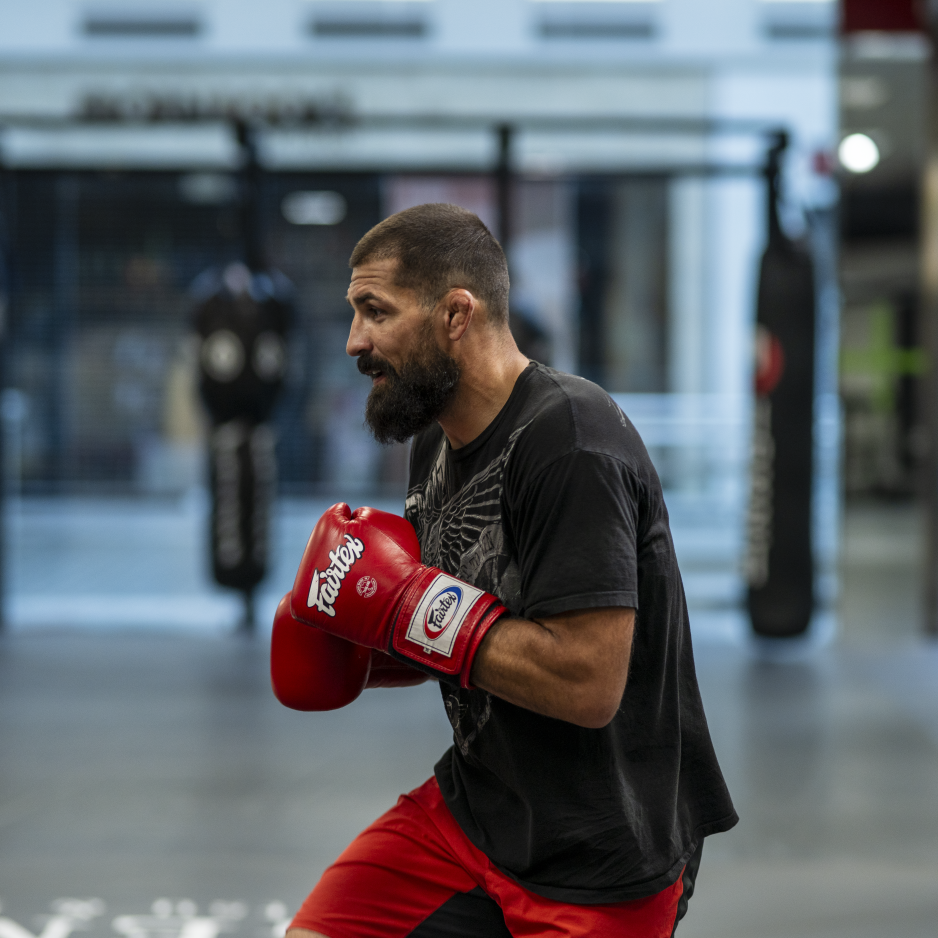
MMA fighter Court McGee trains on May 5, 2026, at AGEMA Jiu Jitsu and MMA in the Provo Towne Centre. (Smalls McFarland, Smile for Shelly Photography)
But they also include a unanimous decision loss to former UFC contender Jeremy Horn at a local “Worlds Collide” event in 2007, and a Bush Cree Promotions fight in Grand Junction, Colorado, where he submitted Ry Stone via rear-naked choke.
Another fight also in Colorado against Alex Trottier is sometimes listed as amateur. But McGee insists that was the first stop of his pro career.
“It says it was an amateur fight, but it was a pro fight; I was paid,” he said. “I had already relinquished my amateur status because I had boxed professionally.”
McGee’s UFC run began when he won season 11 of The Ultimate Fighter in 2010. Saturday begins a new chapter, turning his attention to coaching at Agema Jiu Jitsu and MMA in the Provo Towne Center mall, mentoring his wrestling sons — Isaac at Western Wyoming College and Crew at Mountain View High School — and giving back to a community that helped save his life.
Of course, “helped” simply begins to describe MMA’s impact on McGee, a recovering heroin addict who has spoken openly about sobriety throughout his career.
Smalls McFarland, Smile for Shelly Photography
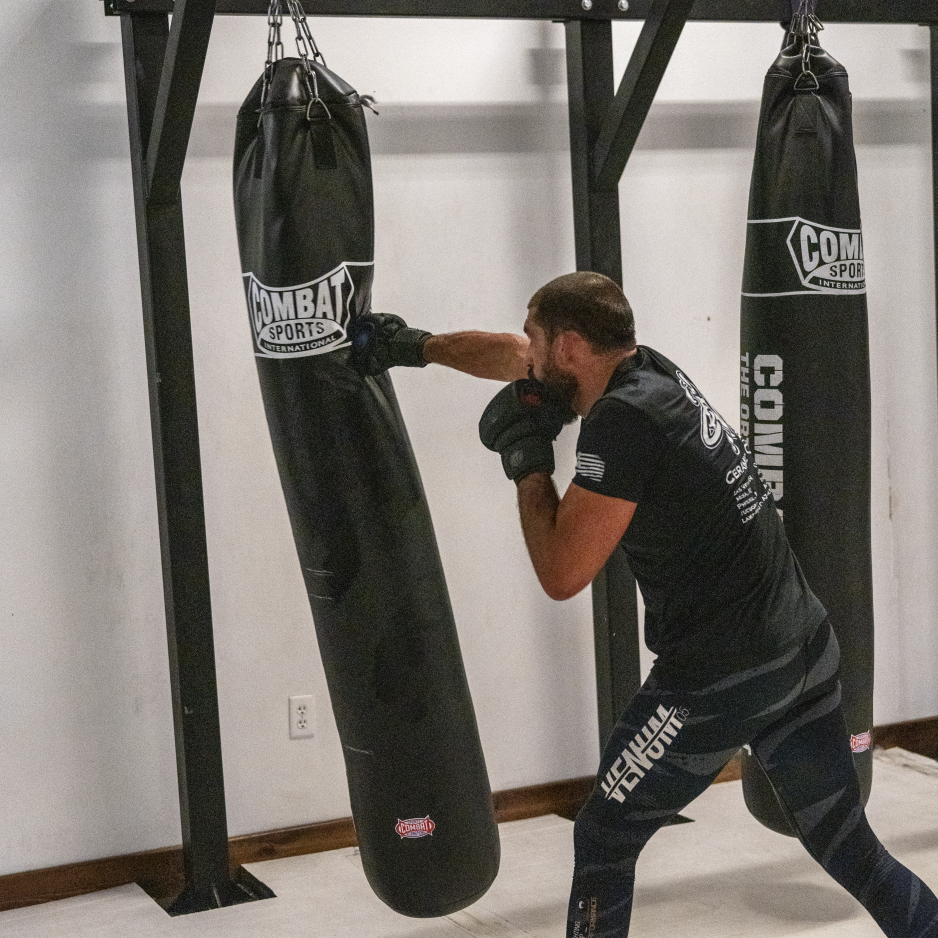
MMA fighter Court McGee strikes a bag on May 12, 2025, at AGEMA Jiu Jitsu and MMA in the Provo Towne Centre. (Smalls McFarland, Smile for Shelly Photography)
Fighting is what he did. It isn’t who he is.
“Fighting didn’t keep me sober,” he said. “It helped me, and it helped me build a platform that I could speak from. But it didn’t keep me sober.
“I got sober four years before I made it on The Ultimate Fighter.”
Sobriety helped shape his career, which almost came crashing down before it began, before he learned to control a lifelong cycle of addiction, drug and alcohol use to become the fighter — and man — he is today.
“There’s been a lot of times when I wanted to give up,” he said, “but I didn’t give up 5 minutes before the miracle happened.”
Sept. 9, 2005
Smalls McFarland, Smile for Shelly Photography
MMA fighter Court McGee poses for a photo at his AGEMA Jiu Jitsu and MMA gym on Feb. 22, 2026, at the Provo Towne Centre. (Smalls McFarland, Smile for Shelly Photography)
McGee’s struggles with opiates started early in life. A former two-time top-six finisher at Layton High, injuries pushed him toward painkillers at a young age. Alcohol also became a frequent part of his youth.
After graduating from high school, McGee didn’t want to leave Utah to wrestle, so he enrolled at Weber State in 2003, dropped out after a couple of semesters, and watched drinking and opiate use rise during the height of the OxyContin epidemic.
“I started losing jobs,” he said. “All my friends disappeared. Everyone was going on in life, and I was stuck getting high and getting loaded.”
His then-girlfriend Chelsea left him, and McGee “ended up homeless” before begging a cousin to let him live in a trailer on her property.
It was there that McGee was introduced to heroin, drawn by the ease and affordability of the drug.
On Sept. 9, 2005, McGee injected himself with a dose that knocked him unconscious.
His cousin found him in the trailer, her friend started chest compressions, and a nearby ambulance rushed him to the hospital shortly after his parents arrived.
“They did CPR and (used) a defibrillator, but couldn’t get a pulse,” said McGee, who said he was clinically dead for 8 minutes.
An undercover police officer then made a discovery that helped save his life. He had found the syringe McGee used to inject himself and another amount of heroin with a spoon in his glasses case inside the trailer.
“There were no other drugs in the trailer, but he found it,” McGee said. “He called in, and said, ‘I found heroin; I think it’s a heroin overdose.'”
Medical personnel at the hospital administered naloxone, commonly used to reverse the effects of opioids, and induced McGee into a medical coma.
After he recovered, McGee was introduced to a former heroin addict with 20 years of sobriety.
“I wanted to stop. I didn’t want to keep using,” McGee said. “I lost everything. … He wasn’t telling me what to do, but I was ready to listen.”
McGee entered a treatment center, relapsed there, and then stayed sober for 5 1/2 months before someone bought him tickets to UFC 57.
Just one more
McGee attended the event with friends from his sobriety program who started drinking lightly. Encouraged by what he thought was a positive sign, he ordered a Long Island Iced Tea and took a sip.
“It led to the worst two months of my life,” he said. “And then I turned myself in, and just gave up.”
Battered and defeated, McGee returned home.
“I went back to my parents’ house, asked if I could stay the night, snuck one of my dad’s beers — and then didn’t drink it,” he said. “I was in the basement, my dad came downstairs, looked at me and said, ‘Son, I thought you weren’t supposed to drink.’And I said, ‘I’m done, Dad. That’s it.’ And that was 7,472 days ago.
“I was done. And then I started over.”
McGee went on to marry Chelsea, and the couple raised three children during his pro fighting career — including 5-year-old Nash, who recently started wrestling.
“He’s a rambunctious little guy,” McGee said.
What’s next for Court McGee?
McGee returned to training, using his wrestling, boxing, karate and jiu jitsu background to excel on the local MMA circuit.
His UFC breakthrough came on The Ultimate Fighter, when he competed on MMA legend and mentor Chuck Liddell’s team on the reality series. He quickly earned the nickname “Crusher” for his hard-hitting style and never-give-up mentality en route to five wins by knockout and six by submission.
He became a fan favorite for the openness with which he talked about addiction and sobriety. But he doesn’t get tired of talking about sobriety, and has spoken to groups ranging from prisons to Latter-day Saint meetinghouses about addiction, recovery and goal-setting.
After initially launching an online campaign to connect addicts and their families with rehabilitation services and centers, McGee established The McGee Project in 2015, providing life-saving education to high school and university students about the effects of addiction and positive decision-making.
He also runs Agema with fellow MMA fighters Dayne and Amy Aristizabal, whom he calls equal partners.
“I’ve always wanted to be a fighter,” said McGee, who will begin his seventh year at Mountain View this winter. “To have this long-tenured career at the highest level in the world and to be able to maintain my recovery, I feel like I get to feel all of the feelings I wasn’t capable of feeling when I was drinking and using.
“I’m so grateful.”
Local News
‘5 minutes before the miracle’: How former Layton High wrestler Court McGee turned addiction into two-decade MMA career

Volunteer opportunities available at local organizations