Culture not just a buzzword for Polynesian players, coaches with renewed presence at Weber State
Football coaches, players explain how their heritage impacts winning
-
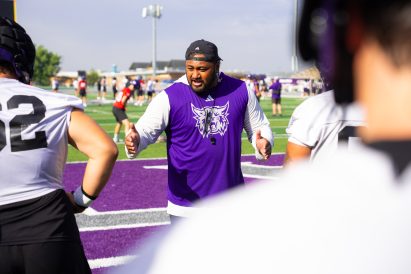
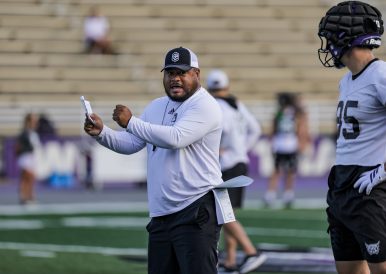
- Weber State offensive line coach Isaac Asiata instructs players during a fall camp practice Thursday, July 28, 2026, at Stewart Stadium in Ogden.
-
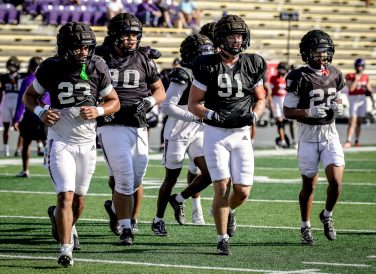
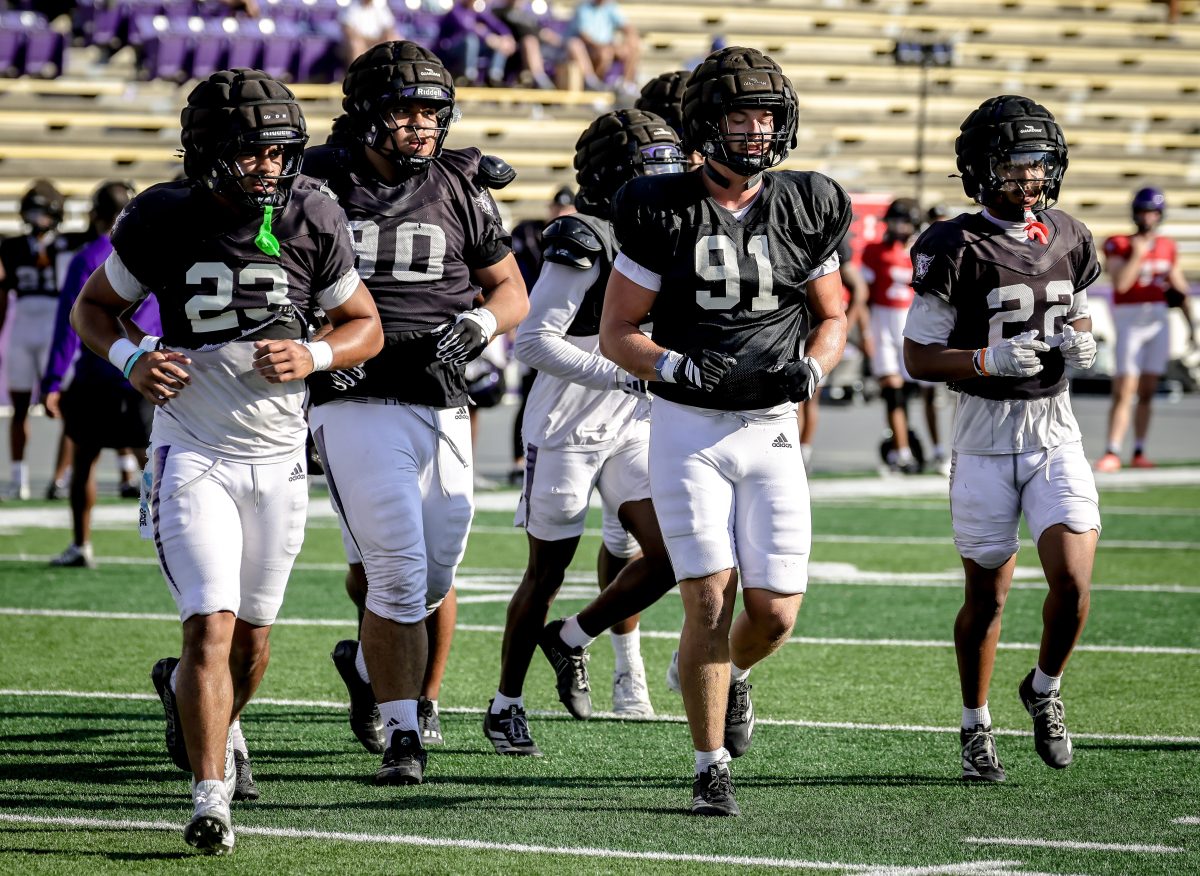
- Weber State defensive players Teni Worthen (23), Zion Finau (90), Ashden Oberg (91) and Jayden Mayberry (22) jog onto the field during a fall camp scrimmage on Saturday, Aug. 8, 2026, at Stewart Stadium in Ogden. (Robert Casey, Weber State Athletics)
-
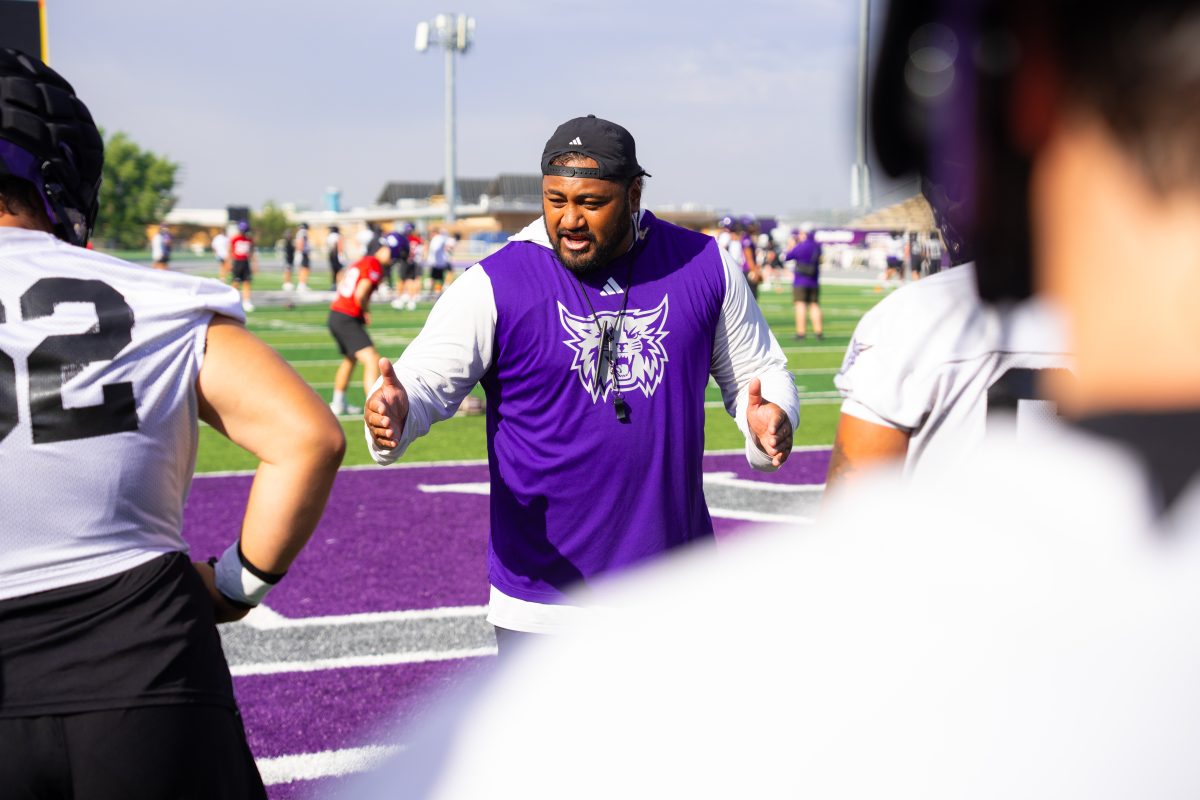
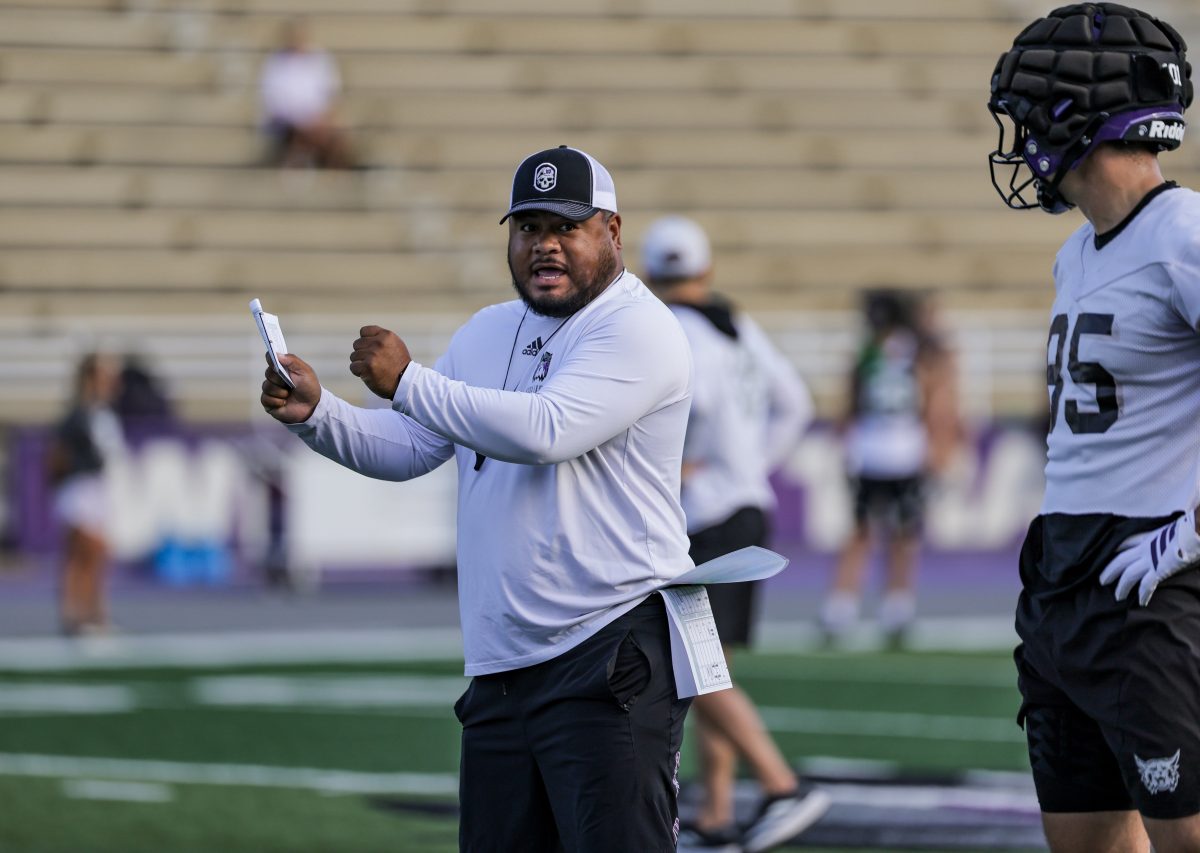
- Weber State running backs coach Tana Vea gives instruction in an August 2026 practice at Stewart Stadium in Ogden. (Robert Casey, Weber State Athletics)
-
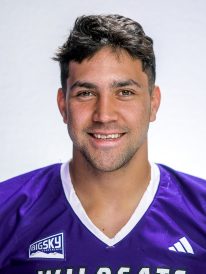
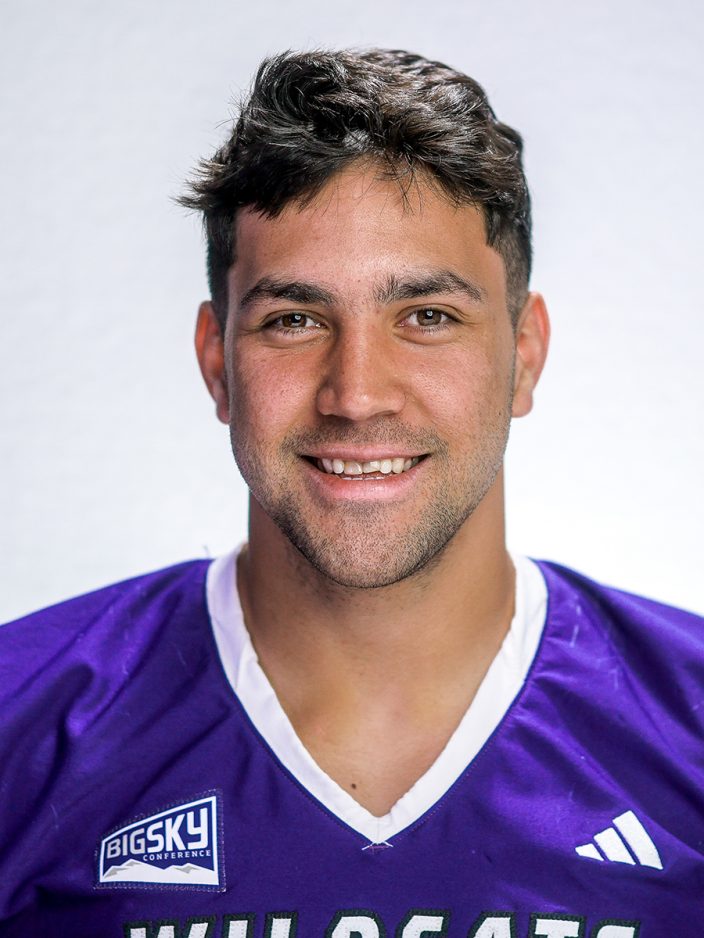
- Raimoana Tinirauarii
-
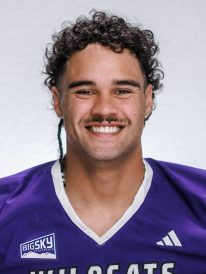
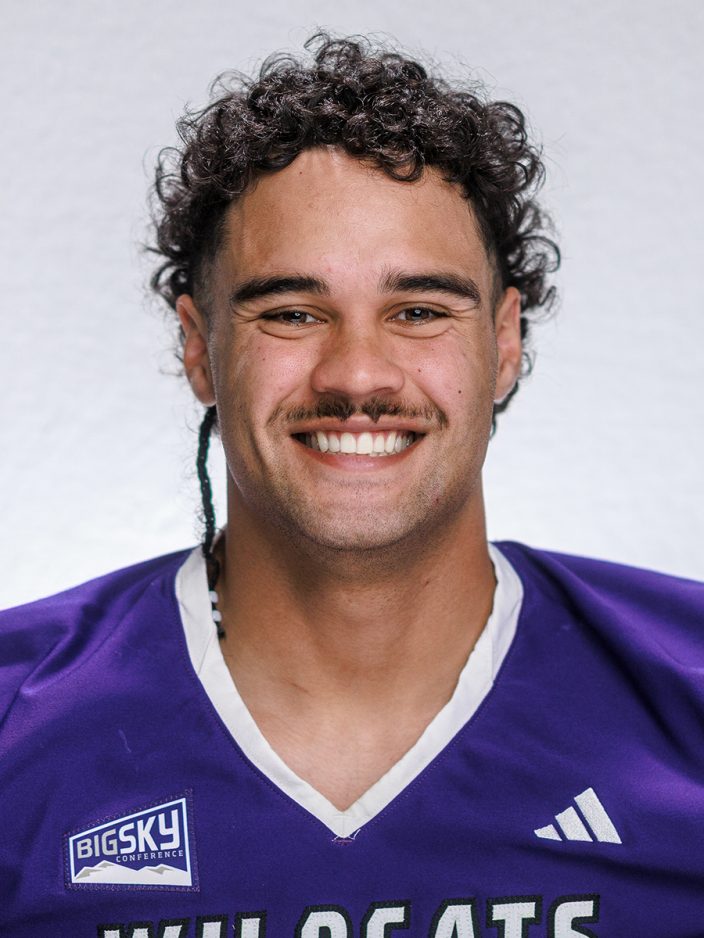
- Teni Worthen
ISAAC FISHER, Special to the Standard-Examiner
Weber State offensive line coach Isaac Asiata instructs players during a fall camp practice Thursday, July 28, 2026, at Stewart Stadium in Ogden.
OGDEN — If you spend enough time around sports, you’ll come to understand the things most coaches say often sound the same, whether a team is winning or losing.
Culture is something every coach in the country talks about, from preps on up. A true positive culture can become far more than a sports cliché, however. Given two teams otherwise alike in every way, one team will fare better if players and coaches are better connected to each other, more invested in the success of teammates, and are overall just having a better time playing the sport.
There’s a facet to football culture, one somewhat specific to Utah, that Weber State hopes will bring marked improvement to the field.
“If you think of all the most successful coaches who have coached college in the state of Utah, they’ve all built a Polynesian pipeline,” WSU running backs coach Tana Vea said. “Ron McBride, LaVell Edwards, Kyle Whittingham, Kalani Sitake, Jay Hill right here … there’s a lot of things the Polynesian culture is very staunch on that translates to football.”
Polynesians are typically considered those with a heritage or ancestry from the approximately 1,000 islands across the central and southern Pacific Ocean (making a triangle-like shape from Hawaii at the north, New Zealand at the southwest and Easter Island to the east).
Robert Casey, Weber State Athletics
Weber State defensive players Teni Worthen (23), Zion Finau (90), Ashden Oberg (91) and Jayden Mayberry (22) jog onto the field during a fall camp scrimmage on Saturday, Aug. 8, 2026, at Stewart Stadium in Ogden. (Robert Casey, Weber State Athletics)
Last year, for the first time in quite a while, WSU had zero Polynesian coaches (and about 10 players).
“It’s really important, and I think it starts with your staff,” WSU’s first-year head coach Eric Kjar said. “It was really an important part when I took this job that I knew would change. It’s a critical piece here.”
On his first coaching staff, Kjar has teamed with three assistants who have Utah ties and proud Polynesian ancestry.
Offensive line coach Isaac Asiata comes from the University of Utah, his alma mater, after three years in the NFL, time as a police officer and back to the Utes as a coach. He was born in San Francisco but grew up in Spanish Fork; he says his parents are from Western Samoa and American Samoa.
Defensive tackles coach Ono Tafisi was raised in Salt Lake City and, professionally, comes from Tyler Junior College in Texas; his roots are in Tonga. And Vea, the running backs coach, is a Los Angeles native who prepped at Juan Diego in Draper; his parents are Tongan. He returns to the WSU staff after two years at San Diego State.
Robert Casey, Weber State Athletics
Weber State running backs coach Tana Vea gives instruction in an August 2026 practice at Stewart Stadium in Ogden. (Robert Casey, Weber State Athletics)
About 20 Polynesian players join those three coaches on this year’s roster (plus, on the support staff, Asiata has Texas native and four-year Utah starter Salesi Uhatafe as his OL deputy).
“Being able to have more Polynesian players, more Polynesian coaches is big, and it’s a big emphasis Coach Kjar wanted because he understands the culture, he understands the background that he wants to build the team on,” Asiata said. “In order to do that, you’ve got to have authentic representation.
“Having those coaches and having that upbringing, setting an example for the players in expressing that culture, expressing what it means to truly love somebody … those are the greatest bonds, and that is what the greatest football teams have.”
There’s not a quota or magic number of Polynesian participation that automatically leads to football wins, but those who’ve been raised in the culture can explain the positive impact.
Fifth-year senior linebacker Raimoana Tinirauarii was born and raised in Tahiti — a French-speaking Polynesian isle — before moving to Utah for high school, originally to play basketball. The oldest player on Weber State’s team, he signed in 2019 and went on a mission to Toronto, Canada, then was sent home to Tahiti after one year to complete his service due to the COVID-19 pandemic.
Raimoana Tinirauarii
Sophomore linebacker Teni Worthen’s mother is Samoan and, after being raised in Utah, Worthen spent two years in New Zealand as a missionary for The Church of Jesus Christ of Latter-day Saints, which he says was a meaningful opportunity to feel more in touch with his cultural heritage and connect the dots with stories he was told growing up.
“Amazing food there, too, which is why I’m a linebacker now,” Worthen laughed. “I was a safety, but I had a two-year bulk.”
Here’s what Asiata, Vea, Tinirauarii and Worthen said about why a Polynesian presence matters to a football team.
TEAM CULTURE
VEA: “The Polynesian culture and the culture of Utah we have, recruiting the state, we’re getting guys who believe in (these things). That’s the biggest thing is just recruiting in-state guys who understand the culture of being welcoming, loving, together, and a lot of them just happen to be Polynesian who grew up in the culture.
“We bring guys in on visits and we really do gauge them off of, we’re not just looking at their tape and what we see at camps, but we’re gauging their personalities and if it fits what we’re doing. We’ve had some really good players come here on visits and just, mid-visit, they just weren’t a fit and we knew it. As great of you are a player, if you don’t fit what we want on the team, culturally, we won’t waste our time. We want guys who will jell together, that will be selfless players. It’s more important to have guys who can jell together and be great teammates.”
Teni Worthen
TINIRAUARII: “When I moved to Utah and started to meet other Polynesian people, because Tahiti doesn’t have other Polynesian people other than us who speak French … so just sharing stories with them, we started learning that it was pretty much the same culture, there was just a language barrier.”
BRIDGE BUILDING
ASIATA: “I remember when I was a player, and I see it now in our Polynesian players; they’re so welcoming. Football, it’s kind of a bittersweet deal where you’re in a room with guys who are your teammates, you love them, but you’re all competing for a spot. It’s easy to kind of shut off and just think about yourself because to worry about somebody else, you might mess up what you have going on. But it’s that true, genuine love of, I want to be the best and I want my teammates to be the best.
“The Polys in my group, they’ve brought together the group, they’re inclusive. They don’t keep people out of the circle; they make the circle bigger. It’s easy to break off into cliques but I feel like, as Polynesians, we don’t really clique like that. We embrace everybody from different backgrounds, ethnicities, different places.
“You’ve got to take care of you, have to make sure you do your job, but at the same time, it doesn’t mean you put somebody else down or exclude somebody else.
“Everyone wants to build a team and say they’re a family, and they want Polynesian players … it’s because they’re great teammates … and those are the guys you can build a team around because they’re welcoming and embracing. They have a great knack in getting guys together who in no other way would want to socialize; they’re kind of that bridge. I love that for our people, and I love that for Weber State football.”
VEA: “In our culture, we’re taught to be very welcoming and go out of our comfort zone to talk to other people. … That contributes to the team being a lot closer. There’s no one on the team who will ever be standing by themselves; we’re taught to never let anyone be left behind.
LOVE
TINIRAUARII: “I don’t know if you’ve been to the PCC (Polynesian Cultural Center in Hawaii), but they say the Tahiti Village is the village of love.
“We had a leadership council and … we were trying to see how we can make this team better than last year, and similar to how Weber was when we were successful. One thing that was brought up, which is related to my culture as a Polynesian and Tahitian, was loving your teammates. By the love you have for them, you’re going to give your best to them, help them, and we can learn and grow together.
“Unity and love are some of the most important principles that we want to apply for this team; something that, personally, I didn’t see the past few years. I’m not saying we hated each other, but we could’ve loved each other more to help us get better each day. This year, I can see how the team is growing together faster than in past years.”
SELFLESSNESS, SACRIFICE
WORTHEN: “From my mom and my grandparents, it’s all about sacrifice. People sacrifice, work away from family to provide for them. I want to be able to sacrifice for my future family, but also for my family here at Weber State so we can bring a better future for everyone around us.”
ASIATA: “In Polynesian culture, every household is raised on respect and selflessness … giving more than you receive. It’s loving, giving and sharing.”
PHYSICAL GIFTS
ASIATA: “We’re blessed; we have a lot of natural-born gifts, in size and strength, and athleticism. … They’re physical. They embrace contact. They can move really well, and they’re really, really strong. A lot of great genetics when it comes to the Polynesian people and it often correlates well with offensive and defensive line.”
TOUGHNESS
ASIATA: “Mindset-wise, being tough is that upbringing of tough love, being mentally strong, mentally endure hard things, and it shows on the field in the way Polynesian players play.”
FAMILY FIRST
WORTHEN: “Family is a huge thing in Polynesian culture and that’s one thing that me and a lot of other Polynesian players on the team try to make it as family-centered as possible, because that’s what motivates us as players. If we’re playing for each other, there should be nothing that can stop us.”
TINIRAUARII: “We do everything as a family, and that’s all across Polynesia.”
HUMILITY
TINIRAUARII: “I was always told by my family to always stay humble. It doesn’t matter what level of experience you have; always stay humble and be willing to learn something new every day. That has helped me a lot to grow as a person and a football player. Just always ask questions, make sure you’re not doing the wrong things, always listen. Be humble and listen, that’s what I received from my culture and my parents.”