Spring fly fishing patterns
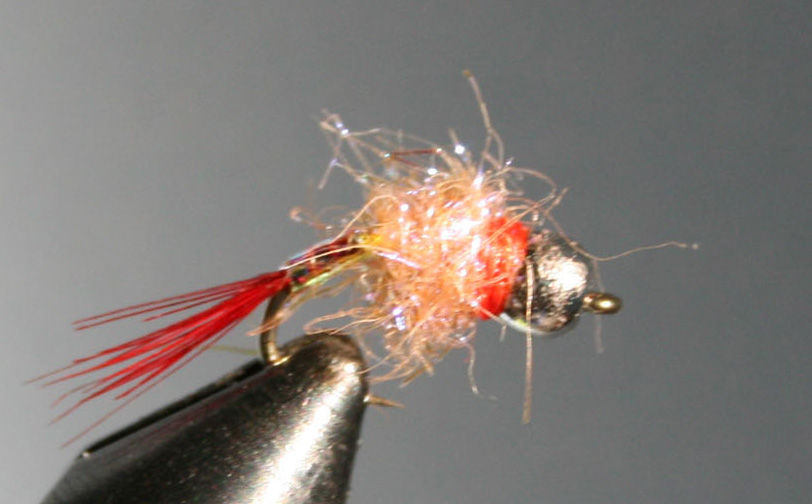
The Rainbow Warrior is a Lance Egan pattern developed for fly fishing competitions in Europe.
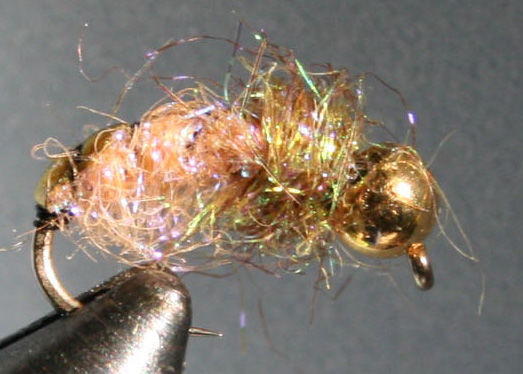
The Czech Nymph is one of the fly ties recommended for spring angling.
It’s time to look at our fly boxes to see what we will need for spring fishing.
Early spring angling calls for a variety of flies to attract our Salmonid populations. I say Salmonid, because I find the local whitefish populations to be very conducive to a great angling experience. Whitefish are some of the best fighting Salmonid species we have. Many fly fishers compare them to saltwater bonefish for fight and the ease in taking a fly.
A few fly anglers would like to deplete the whitefish population so we can have more trout. This was apparent a few years ago when a contest was proposed to rid the Logan River of as many whitefish as possible. There were a lot of objections to the contest and the idea was dropped. Even though they will seek the same forage, whitefish will not out-compete trout for aquatic insects.
Some great places to fish for whitefish include the Taggart area of the Weber, the Blacksmith Fork, the lower portions of the Logan, the Middle Fork of the Ogden and some of the north slope streams of the Uinta Mountains. They are not as prevalent in the Provo River. Bear Lake has two species of whitefish that are found nowhere else in the world; the Bonneville and Bear Lake whitefish. Besides being a great fighting fish they are excellent eating. They have a firm white flesh and not as many bones as trout. Many people smoke them; I prefer them baked in a dish half filled with cream and garnished with lemon and rosemary.
What fly patterns to consider for spring fishing? I would suggest filling your nymph box with the following: size 10 and 12 Czech Nymphs, size 14 and 16 Rainbow Warriors and size 16 and 18 Beadhead Flashback Pheasant Tails. Not only are these flies preferred by whitefish, but brown and Bonneville cutthroat trout will pursue them as well.
The Czech Nymph is tied on a curved scud hook. These normally have a brass bead head sized for the hook. Using tan 6/0 thread, wrap the body of the hook from the eye to the bottom of the bend. Then wrap flat lead-substitute around the middle 2/3 of the hook for additional weight. Tie in a length of 4-pound monofilament followed by a 1-inch strip of clear ¼ inch scud backing (light gray or tan also work very well). The rear 2/3 of the nymph is loosely wrapped gray or tan dubbing (rainbow scud/sow dubbing works very well). The front 1/3 of the nymph is dubbed with olive-brown dubbing. Pull the scud backing forward and tie off behind the bead. Wrap the monofilament forward giving a segmented look to the body, tie off behind the bead and apply head cement. You may want to use a dark brown Sharpie to color the front half of the scud backing.
The Rainbow Warrior is a Lance Egan pattern that he developed for fly fishing competitions in Europe. Use an emerger type curved hook. Slide a silver bead over the hook. The thread used is 6/0 red. Tie in about six strands of pheasant tail for the tail. Wrap ½ of the body with Pearl Flashabou. Tie off, but leave enough to extend to the bead. Next add some tan or rainbow scud/sow dubbing, forming a body slightly larger than the bead. Pull the remaining Flashabou forward and tie off behind the bead. Make several wraps of the red thread to build up a good collar between the bead and the dubbing.
The Beadhead Flashback Pheasant Tail is tied as the normal Pheasant Tail Nymph but with a beadhead and a piece of Pearl Flashabou over the abdomen instead of traditional pheasant tail fibers.
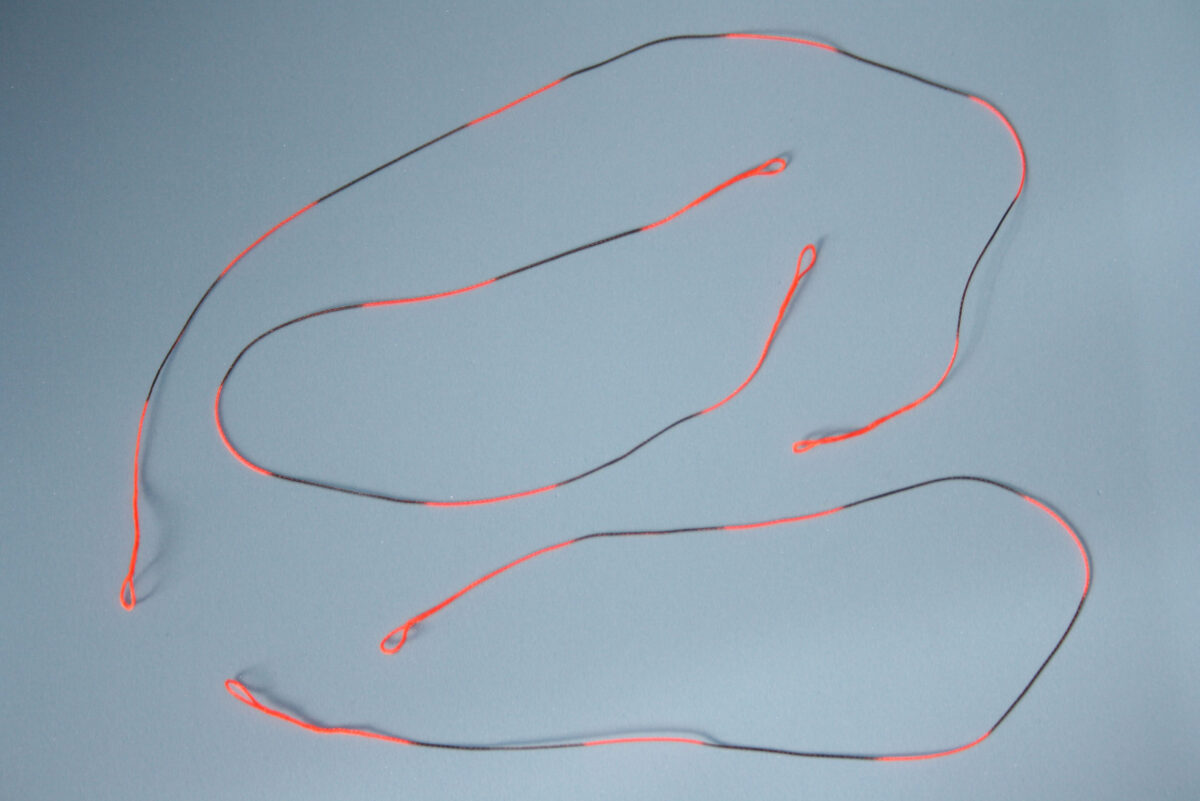
To fish these flies I will cast into a riffle about 4-8 feet above a pool and let them drift down into the pool. Use a strike indicator (a.k.a. bobber) to show when one of your flies has been taken. I make my own strike indicators using orange or florescent fly line backing. I mark these with a black waterproof marker at one inch intervals, cut my tapered leader about four feet below the fly line and attach about a foot of this. Then I reattach the remainder of the taper leader to the lower end of the strike indicator. To the tapered leader I normally attach three to five feet of 4x tippet. I find these in-line strike indicators much easier to use and they indicate “takes” better than “bobbers.” The slightest pause in the drift of the indicator is usually a fish taking the fly.
Hope to see you on the river soon.