Bear care: Things to remember to limit risks in Utah’s bear country
-
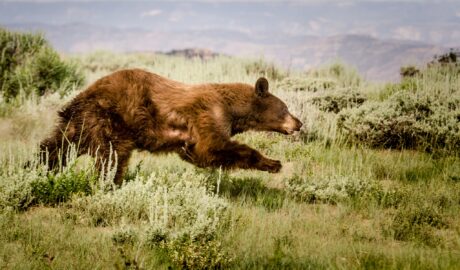
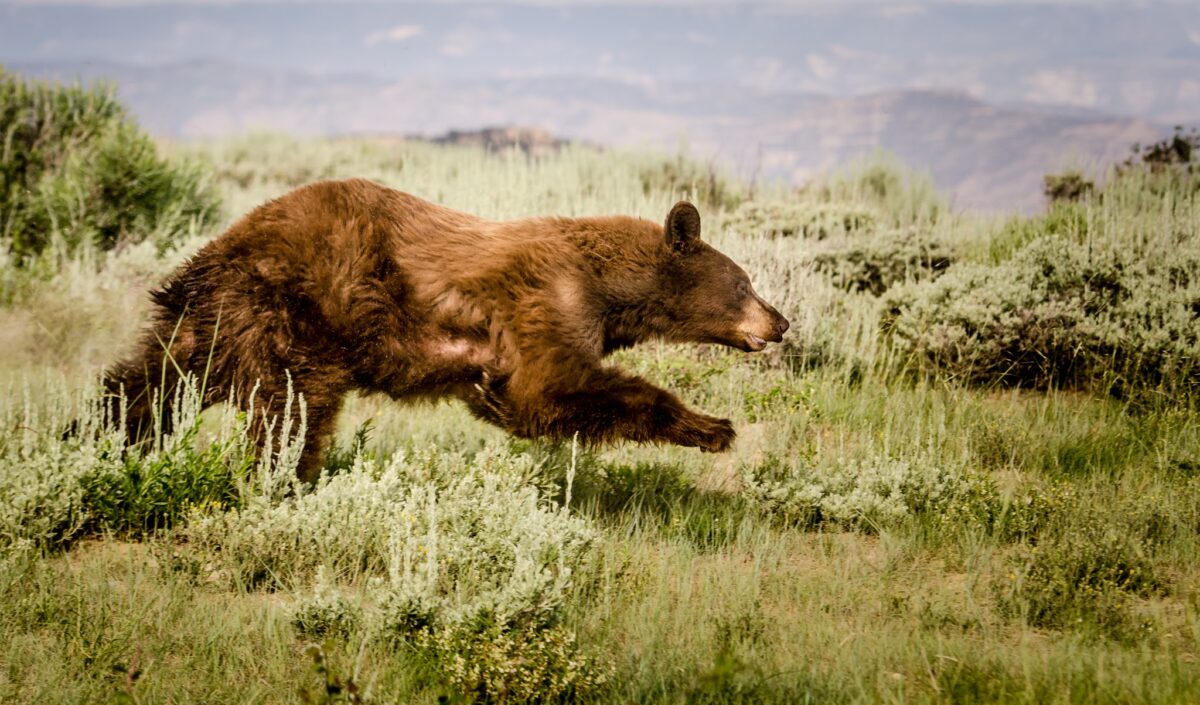
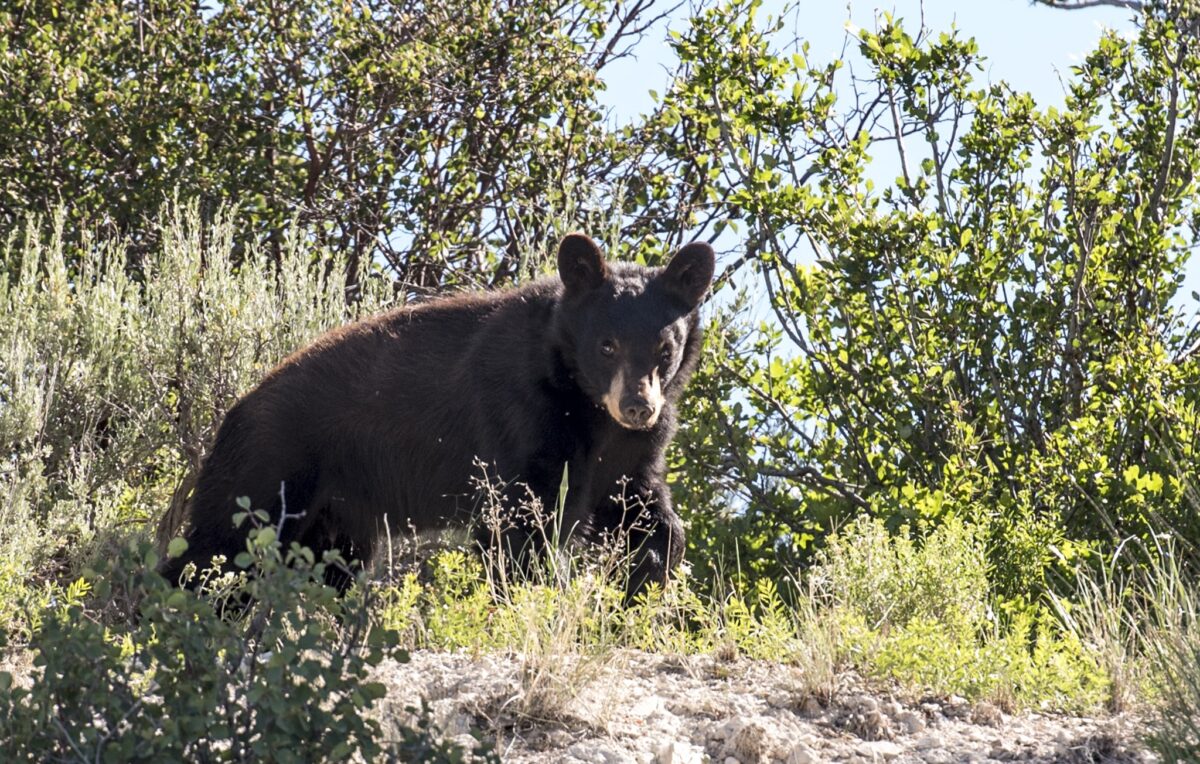
- A black bear is released and runs away in 2019.
-
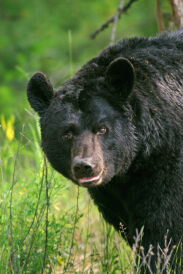
- Keeping your campsite clean and not leaving food out are two keys to staying safe in black bear country.
-
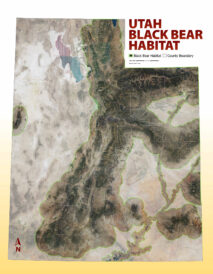
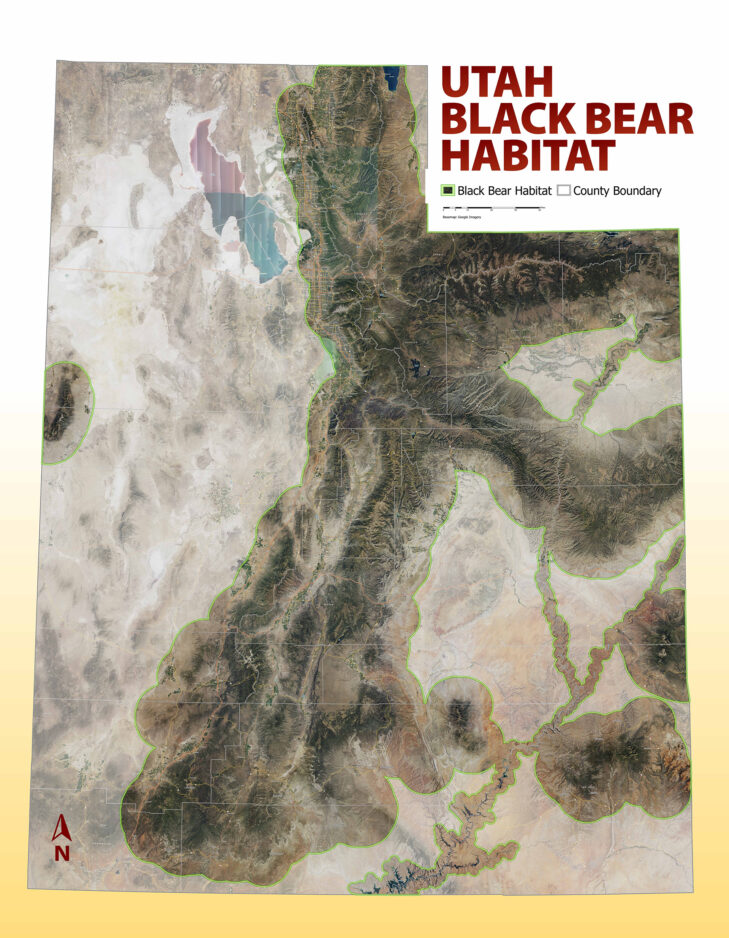
- A map shows black bear habitat in Utah
-
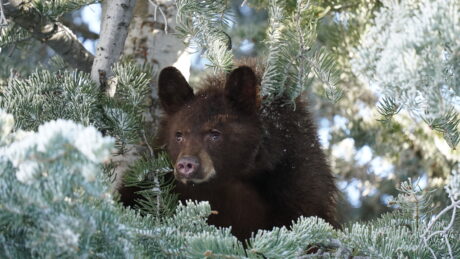
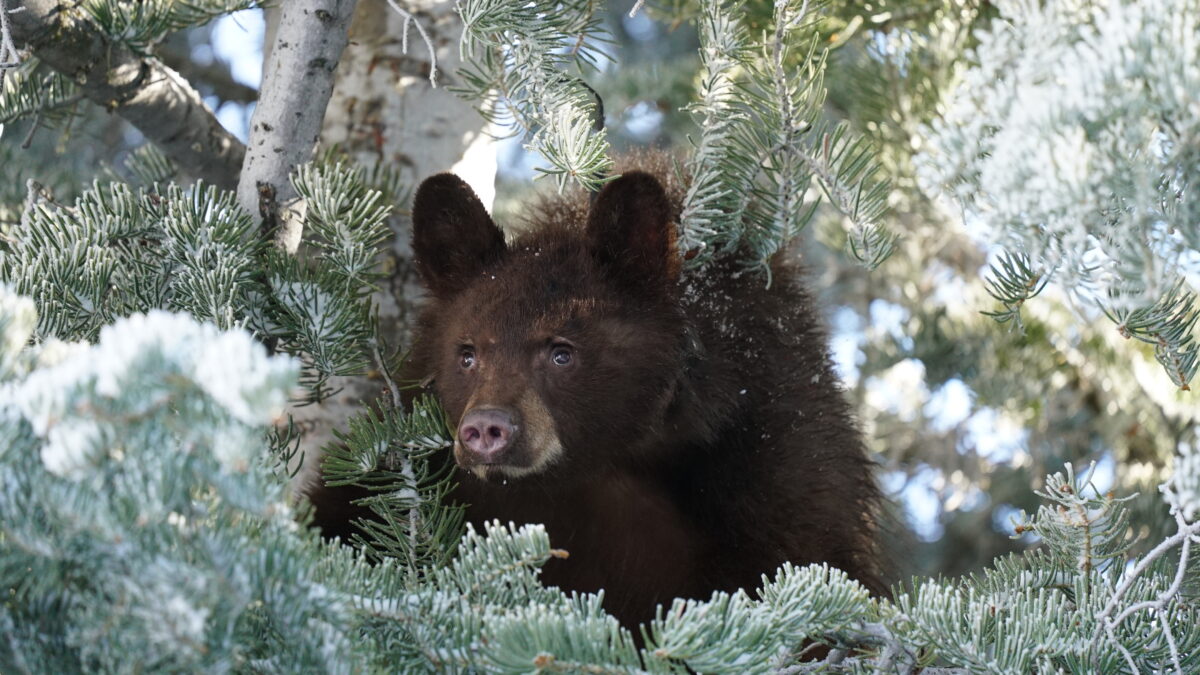
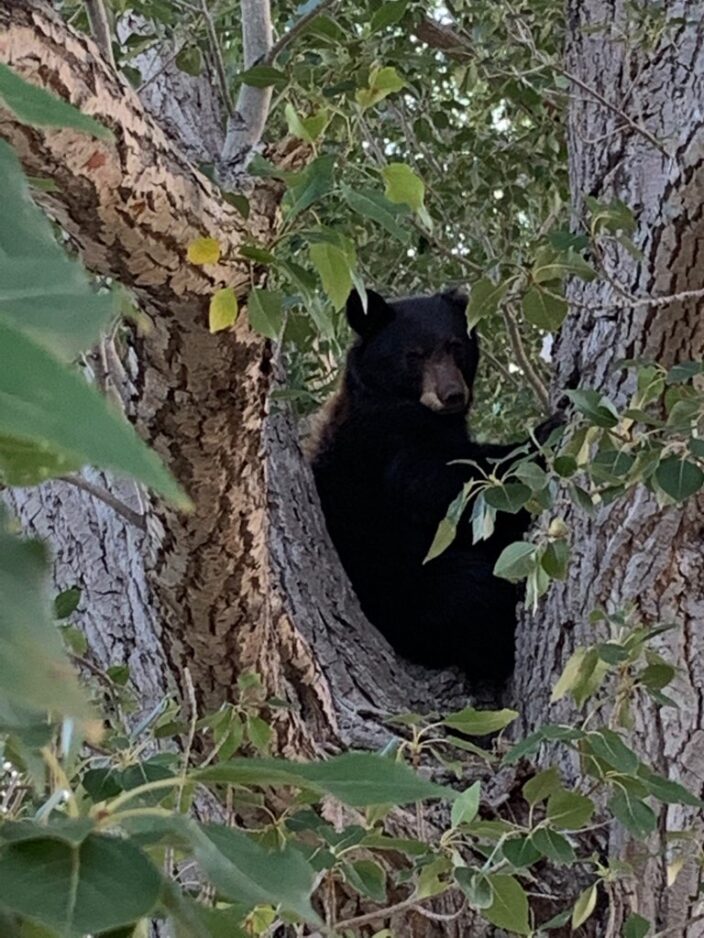
- A black bear sits in a tree.
-
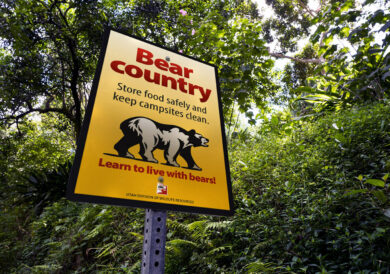
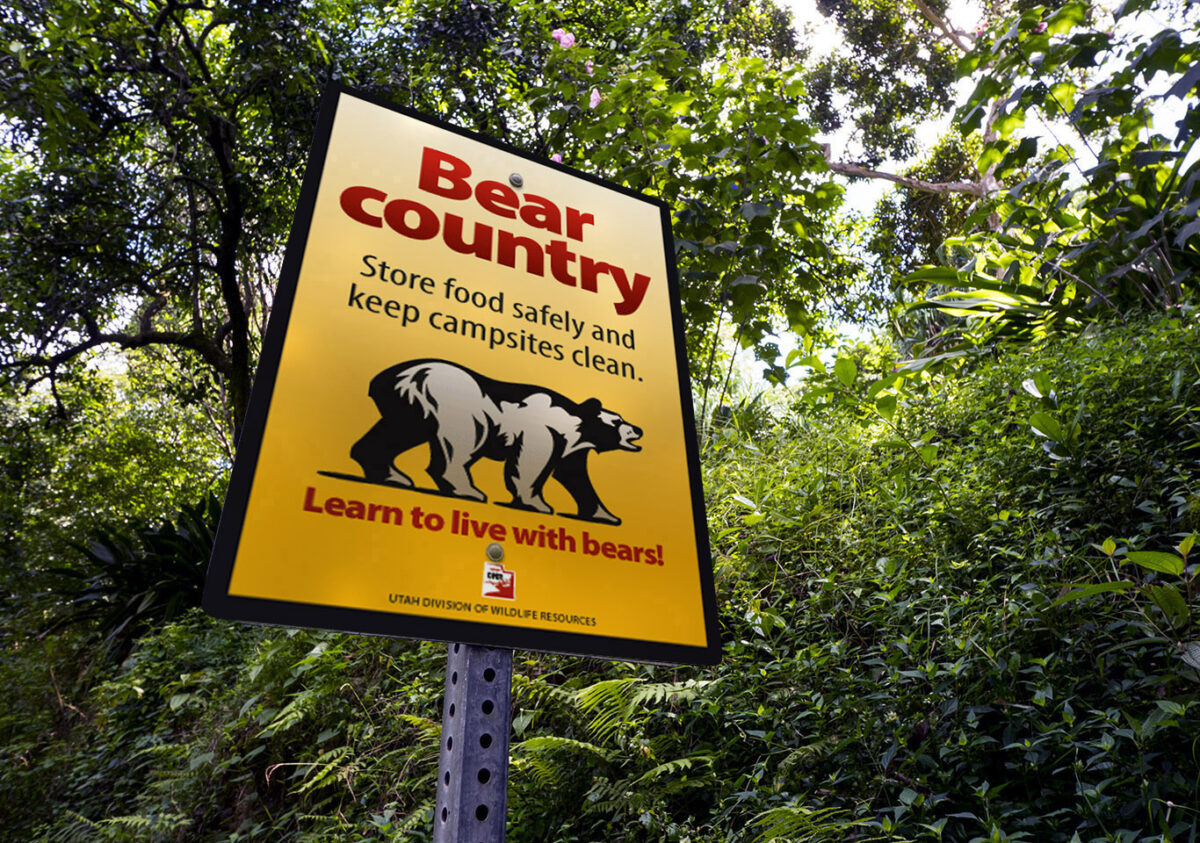
- Signs are being placed to remind Utahns to store their food and keep their campsites clean.
-
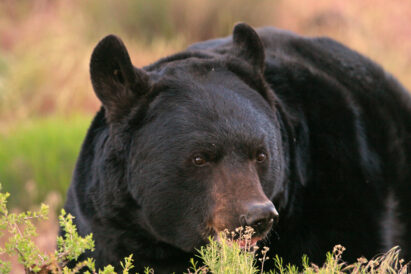
- Keeping your campsite clean and not leaving food out are two keys to staying safe in black bear country.
-
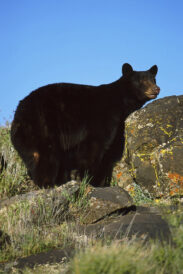
- Keeping your campsite clean and not leaving food out are two keys to staying safe in black bear country.
-
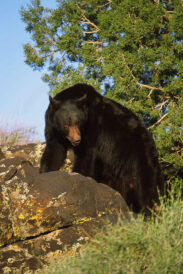
- Keeping your campsite clean and not leaving food out are two keys to staying safe in black bear country.
-
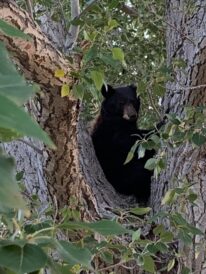
- A black bear sits in a tree.
-
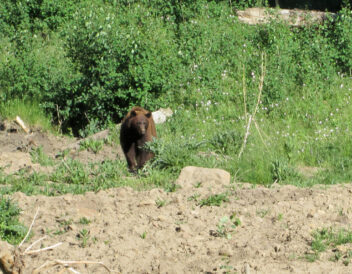
- Keeping your campsite clean and not leaving food out are two keys to staying safe in black bear country.
-
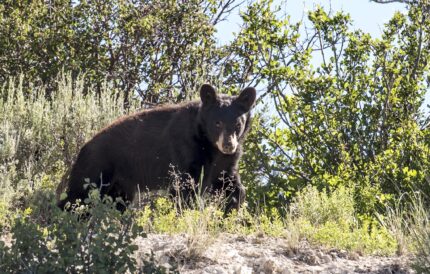
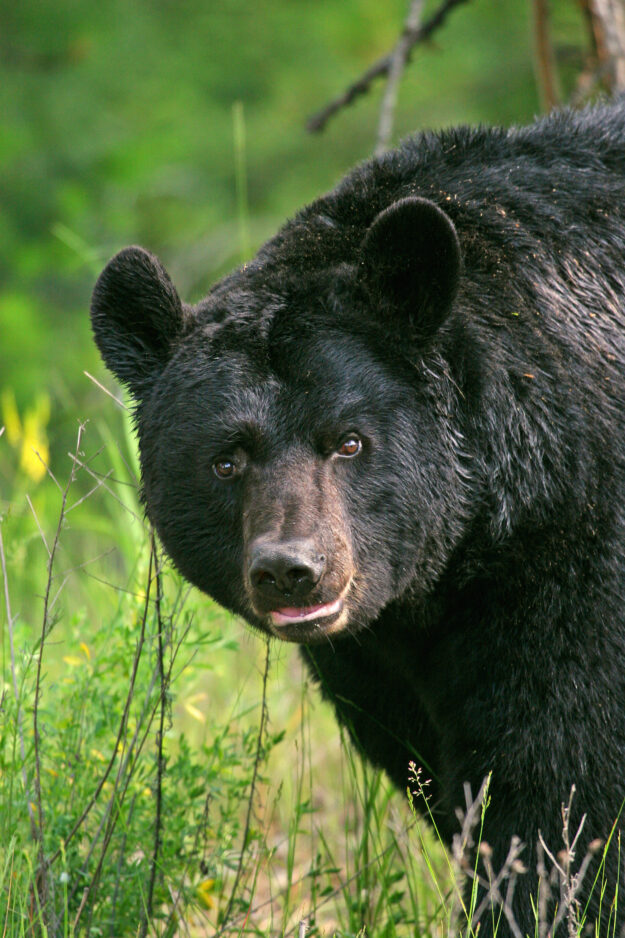
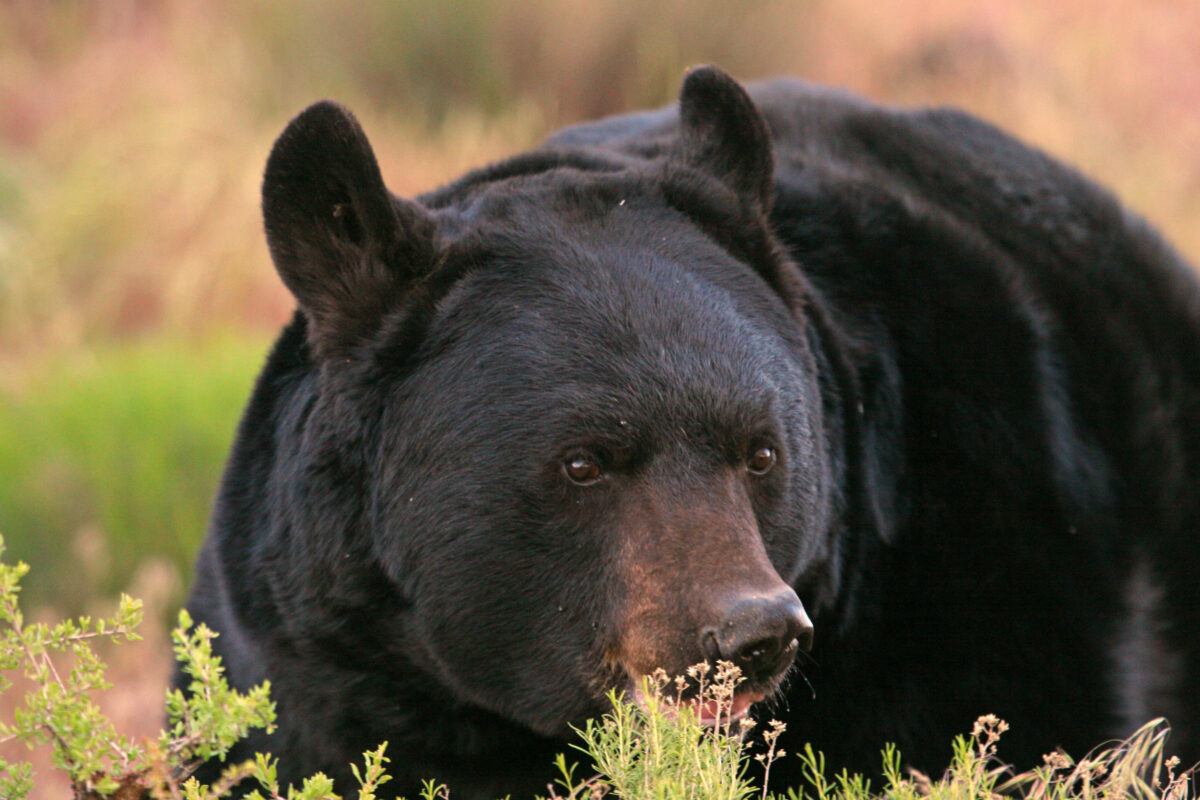
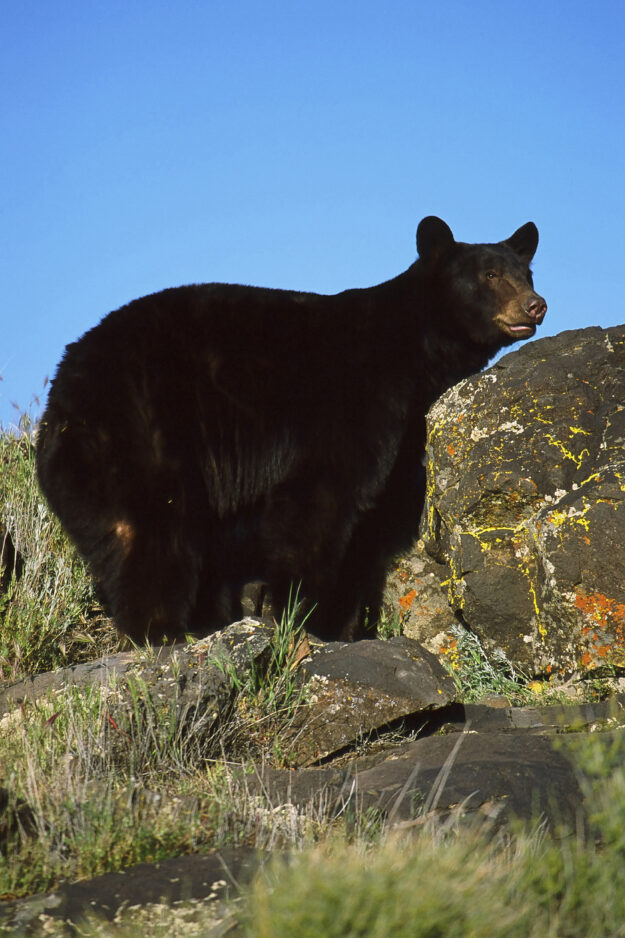
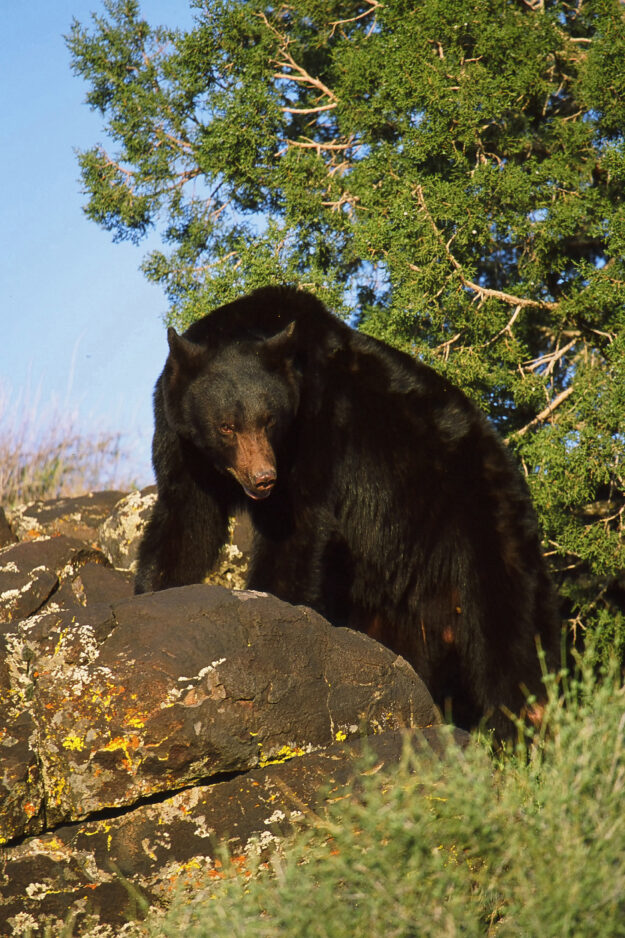
- A black bear
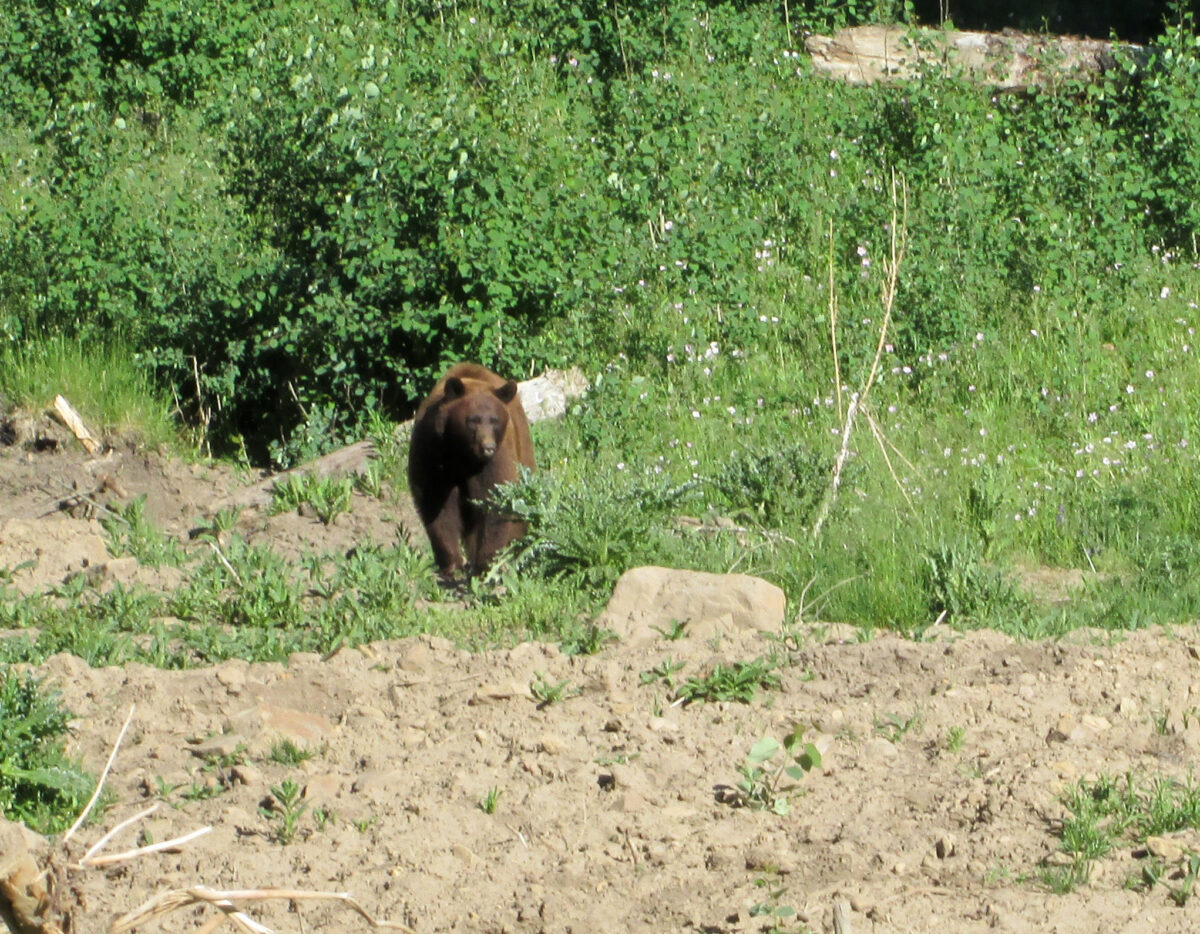
Head out into any of the foothills or mountains in Utah and you may get a chance to see one of its most famous residents: black bears.
Utah Division of Wildlife Resources Game Mammals Coordinator Chad Wilson said a good estimate is that around 1,900 black bears live in the state. While that is not an enormous number with Utah covering nearly 85,000 square miles, the animals can cover a lot of ground.
In general, they prefer to avoid humans and focus on survival. In spring, plants and insects make up 90% of a bear’s diet, so they are usually busy foraging.
But bears will often go where the food is, especially in drought years when there is limited plant growth due to not having a lot of water. That can drive them to search for other food sources, including near humans.
“We don’t have very many encounters between people and bears, where it is up close and personal,” Wilson said. “We will have a couple each year, but mostly what you see is the evidence of a bear having been there, like having gone through the trash.”
While his experience has shown that in in general humans and bears coexist fairly well in Utah, the biggest issues occur when we forget about our bruin neighbors.
“The majority of our problem would be thinking that there aren’t bears,” Wilson said. “We don’t take the right steps like cleaning up campsites or securing food. Not doing those things can attract the bears.”
He explained that those simple oversights can have long-term consequences. There could be dangerous run-ins between bears and humans, or bears might end up having to be put down if they get to acclimated to getting food from human sources.
“Not properly cleaning up food can end up resulting in the death of the bear and I don’t think that is what anyone wants,” Wilson said.
To avoid as many negative consequences for both bears and humans, the Utah Division of Wildlife Services provided a press release with a list of tips to limit the risks.
Here are their recommendations:
Bear-proof your food and supplies
Store your food, snacks and scented items (such as deodorant and toothpaste) in an area where a bear can’t get to them. Do not leave them out on tables or keep them in your tent. Storing them in a locked trailer or locking them in the trunk of your car are both good options. Storing food and scented items in these areas will reduce the chance that a bear smells them. And, if a bear does make its way to the area where you’re staying, if it isn’t rewarded with food, it will likely move on.
Keep your cooking area clean
After you’ve finished eating, thoroughly clean utensils and anything else that was used to prepare or eat the food. Don’t dump oil or grease from pots or pans onto the ground. Instead, put the oil or grease in a container, and take it home with you. By keeping your campsite’s cooking and eating areas clean, you reduce the chance that a bear will smell food and trash, and be lured to your camp.
Keep your campsite clean
Don’t leave food scraps and other trash scattered around your campsite or cabin area. Instead, put your garbage in trash bags, and take it home with you. Make sure to wipe down picnic tables and keep the area free of food and other debris. Always keep your campsite or cabin area clean because a dirty campsite can attract bears long after you’ve left.
“If a bear visits the area after you leave and then someone comes into that area to camp, you’ve created a potentially dangerous situation,” Wilson said.
Never feed a bear
This may seem like common sense, but it’s worth noting. Although bear cubs may seem cute, you should absolutely never feed one — or an adult bear for that matter. They are wild animals and natural predators.
Once a bear loses its fear of people, wildlife biologists and conservation officers are left with something they dread — having to euthanize an animal to keep the public safe. By not providing a bear with food, you can help keep it safe too.
“We got into the wildlife profession because we love wildlife,” Wilson said in the release. “We enjoy managing and protecting animals so Utahns can get outdoors and enjoy them. Having to euthanize an animal — because someone didn’t do something as simple as keeping their campsite clean and storing food in a secure area — is tough. Please don’t put us in that situation.”
Bear-proof your outdoor garbage cans
The DWR receives many reports each year of bears getting into trash cans or dumpsters in neighborhoods and at cabins. Make sure to store your trash in a secure location or bear-proof container. If you don’t have access to a bear-safe garbage can or dumpster, make sure to store your garbage can in your garage and put it out for pick up in the morning, rather than the night before. Also, make sure to clean your trash container regularly to eliminate some of the odors that attract bears.
Remove items that will attract a bear to your house
Utah is bear country, and especially so if you live in the foothills or other mountainous parts of the state. It is important to properly secure or clean anything in your yard that may attract a bear. Some of these include:
- Birdfeeders (both seed and hummingbird)
- Fruit trees
- Compost piles
- Beehives
- Pet food and water bowls
- Unsupervised outdoor pets (especially at night)
- Barbecue grills
Even with the best of intentions, it is still possible that you might encounter a bear in the wild. Wilson said that the most important things to do are to be aware and take the proper steps.
“Just being aware that there can be bears is a large part of that battle,” he said. “Use noise. Let bears know that you’re in the area. Go in groups of people, if you can. If a bear is surprised, then it will go into fight or flight mode. If you encounter a bear, don’t run. Stand your ground. You can back away, but be big. Don’t act like prey.”
The goal is to take the proper precautions as humans so we can enjoy the thrill of seeing bears safely as we all enjoy the natural beauty of Utah.
Recreation
Winter is coming: Powder Mountain Ski Resort touts new programming, announces opening date for ’26-’27 ski season
ATV Adventures: Finding our way back from Salina to Ferron on a UTV adventure