ATV Adventures: Riding Southam Canyon through ghost towns in Uintah County
-
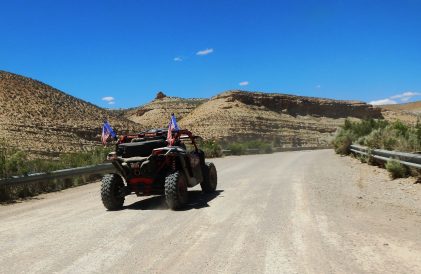
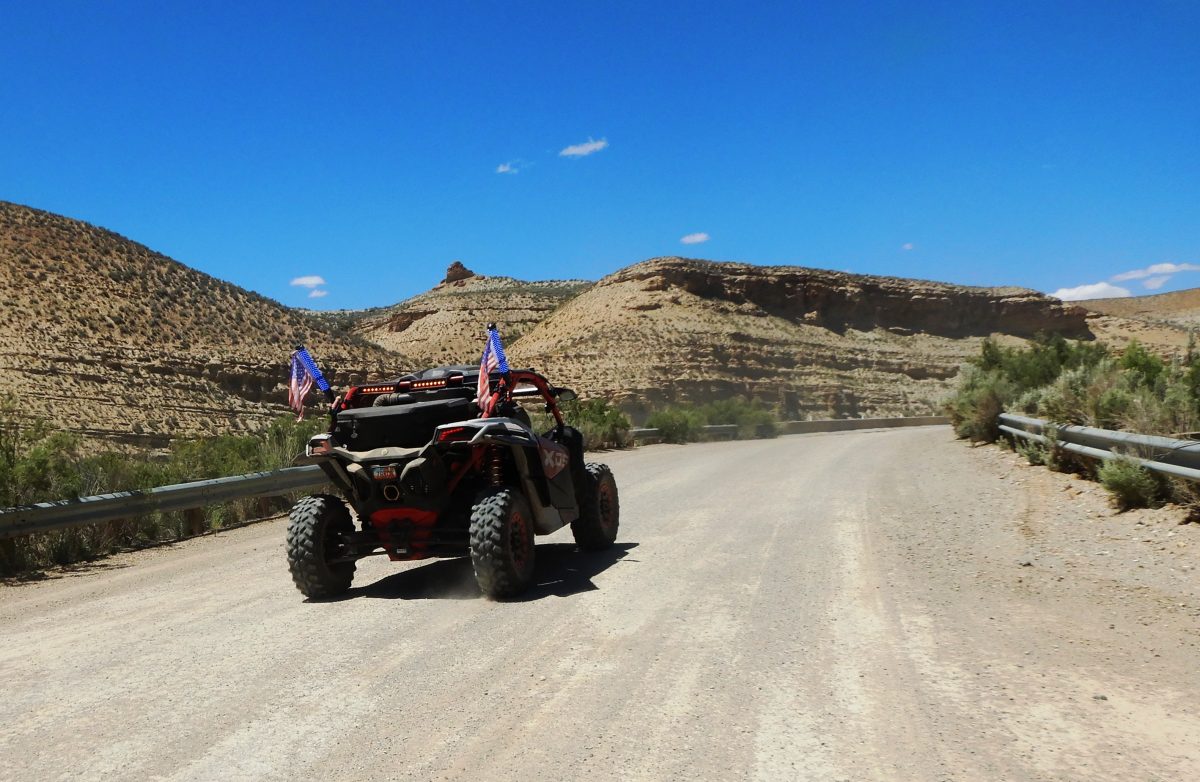
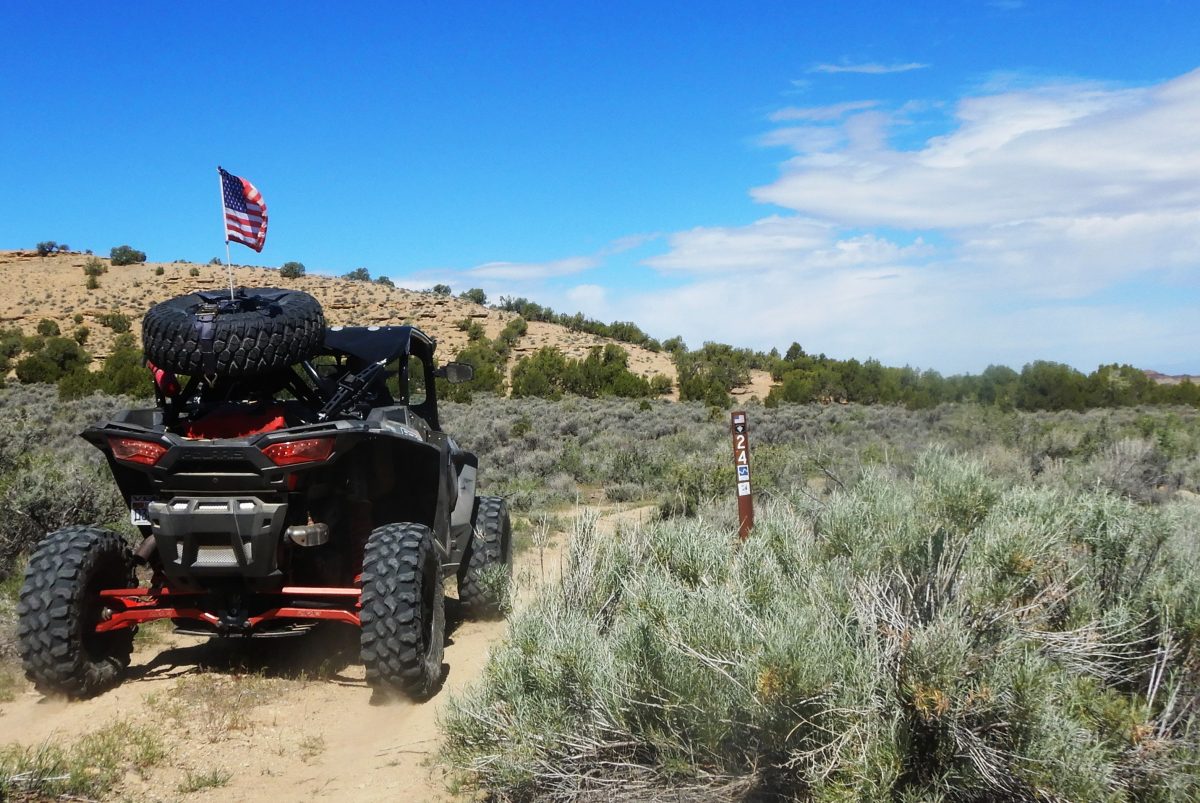
- The Southam Canyon Trail provided a strong contrast to the mountain trails offered at the Outlaw Jamboree in Vernal.
-
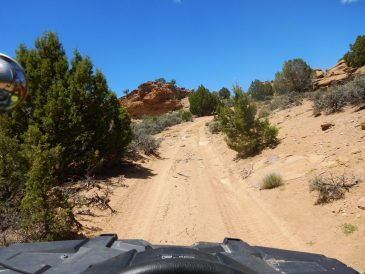
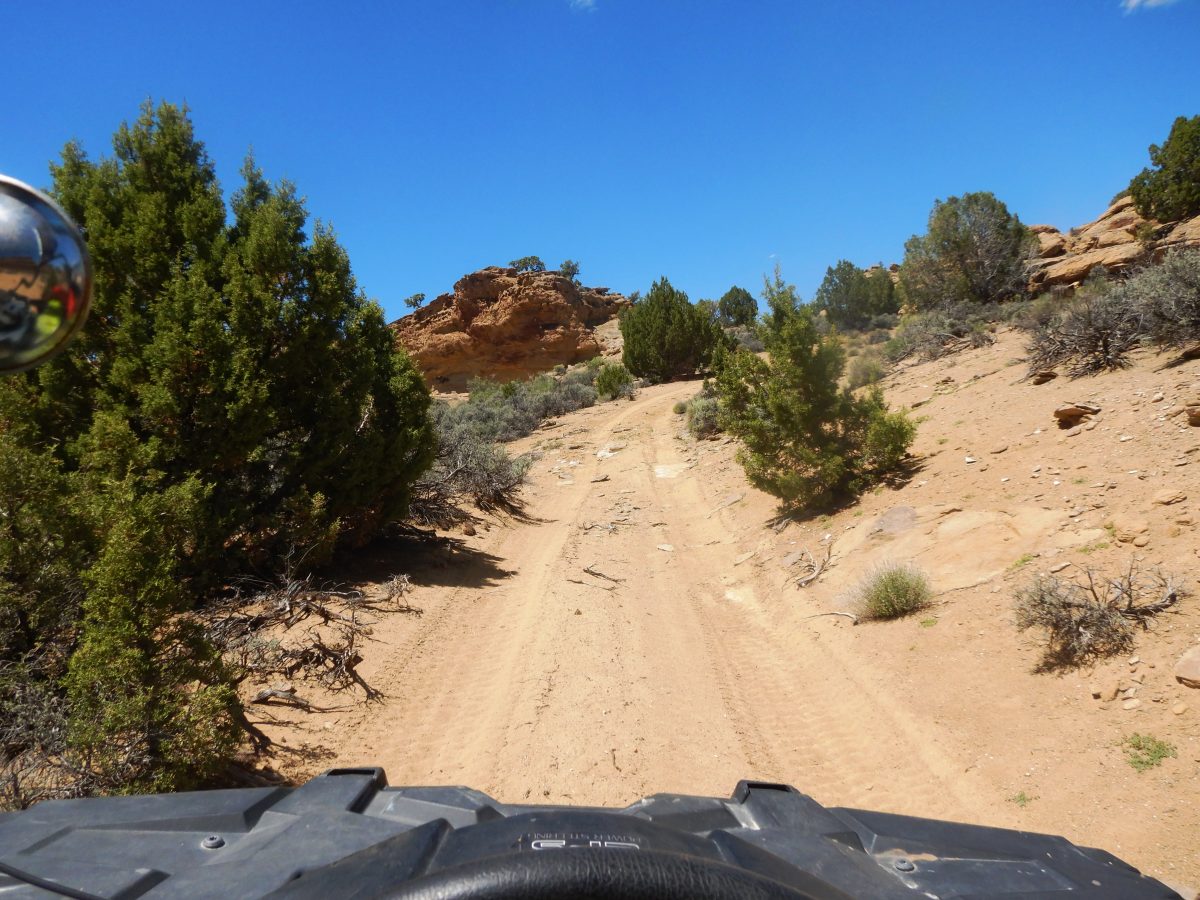
- Rock formations were interesting on the Southam Canyon Trail at the Outlaw Jamboree in Vernal.
-
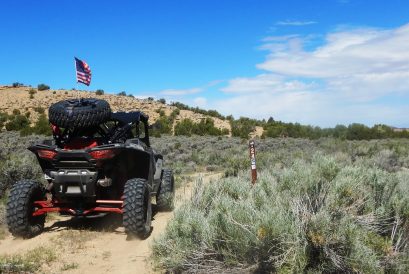
- Heading into the mining country found in Southam Canyon at the Outlaw Jamboree in Vernal.
It was the second day of the 2026 Outlaw Jamboree in Vernal, Utah. The previous day was spent on the John Taylor Loop, in the mountains north of town. On this day, we were riding at an elevation close to 5,000 feet lower, in washes and canyons south of Vernal, in mining country.
Traveling south on Highway 45, we crossed over the Green River and the White River. I know of two other rivers named after colors – one is the Red River, which forms the southern border of my home state, Oklahoma. The other two are the Yellow Rivers – one in Georgia and another in Wisconsin.
As we approached our staging area, we noticed that the maintenance on the highway ended before the highway itself did. That happened because the highway entered private property. We unloaded west of Duck Rock.
The road we started on was a smooth, well-used mining road. The ride leader wasn’t in a hurry, so we got to see a lot of detail in the geography of this trail. It is a harsh country, but it has its own kind of beauty. The rock formations are intriguing, the washes are fun to ride, and the mining history is very interesting.
They weren’t mining for gold or silver – they were searching for gilsonite. Gilsonite is a naturally solidified form of petroleum, called asphaltite, that forms when liquid hydrocarbons harden over time. The dull, black appearance of weathered gilsonite resembles coal, whereas the surface of freshly broken gilsonite is shiny and resembles obsidian. A large chunk of this mineral appears heavy, but when lifted, it is extremely light. Gilsonite is a name trademarked by the American Gilsonite Company
The only place in the world where gilsonite is found in mineable quantities is in the Uintah Basin. It is an important part of the local economy because it is a mineral that is in high demand. It is used in oil and gas well drilling, in printer’s ink so it won’t rub off the page, in asphalt paving mixes as a sealant, in paint and wood stain formulations for durability, in fireworks, and in the manufacture of carbon electrodes.
The first mention of gilsonite was in 1868, when a blacksmith asked local Indians for a source of coal for his forge. The gilsonite that they (mistakenly) brought him reportedly melted, caught fire, flowed out of the forge, and almost burned down the blacksmith shop.
The formal mineralogical name is uintite, but an early prospector, Samuel H. Gilson, developed uses for it and secured financing to develop it. His enthusiasm and promotional skills led to the newly discovered material being named after him.
Mining techniques to extract gilsonite are unique. It initially consisted of surface trenching because of its occurrence in narrow, deep, and vertical veins. We saw some of these narrow trenches – they are up to hundreds of feet deep and run for many miles across the valley floor. The explosion hazard associated with gilsonite dust makes gilsonite mining labor-intensive.
We came across two ghost towns associated with gilsonite mining. The first was named Rainbow (1911 to 1938), home to about 30 people. It became the new center of gilsonite mining after the railroad terminus was moved from nearby Dragon. A newspaper reporter in 1913 described Rainbow – “Some twenty houses, frame and log, all painted… spaced along on both sides of a wide, clean street, at the other end of which stands the one-room schoolhouse upon which there is a belfry with a bell, and within ten students and a pretty school teacher. A water system supplies all of the houses with pure mountain water from a large tank … built at the end of the track on an elevation above the camp. The water is hauled by the company from the springs near Baxter Pass.” In its heyday, it was known as “Queen of the gilsonite mining camps.” No alcohol was allowed.
The second ghost town we visited was Watson. It was established in the same year as Rainbow, but it lasted a year longer. Watson became a center of gilsonite mining and ranching activity, with hotels and stores. Wool from thousands of sheep was shipped from here.
I don’t think I would have made a very good miner or pioneer. What I saw on this trail seemed harsh and made me appreciate the day in which I live. When you go, take plenty of water, keep the rubber side down, and imagine yourself mining gilsonite.
Lynn R. Blamires can be reached at quadmanone@gmail.com.