
Get Out There: The hidden infrastructure that makes travel possible
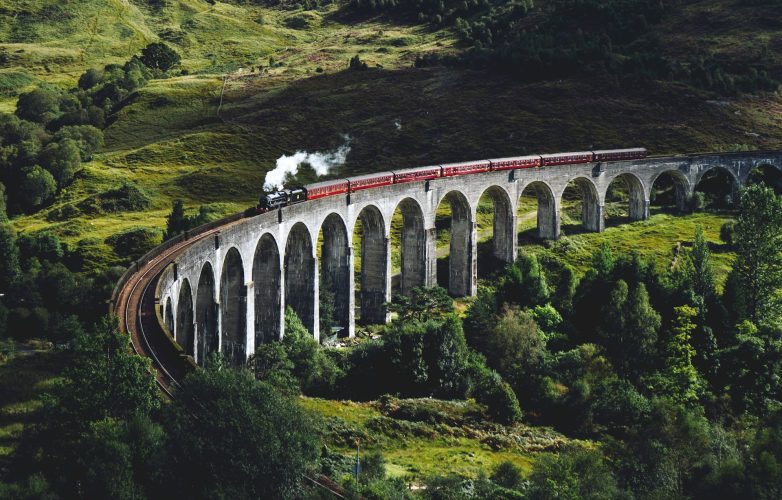
Courtesy Unsplash
Glenfinnan Viaduct, United KingdomI’ve flown thousands of miles, stayed in countless hotels, and wandered streets in dozens of countries. I’ve done it so much that travel often feels effortless. That is until you stop and wonder what makes it all possible. It’s built on unseen systems most of us never notice, operating flawlessly so we can focus on sunsets instead of spreadsheets.
The first time it hit me was mid-flight over the Rockies. As my plane contrailled through the sky at 500 miles per hour, GPS guiding the autopilot, air traffic controllers hundreds of miles away nudged it ever so slightly with invisible instructions. I realized the controllers weren’t just watching blips on a screen. They were orchestrating a ballet of thousands of planes and nearly a million passengers in the sky simultaneously. Every takeoff, landing, and altitude change perfectly timed, all without any of us thinking twice.
Then there’s the underlying logistics network you’ll never see. The shipping that makes travel itself possible. That airplane meal you didn’t love? That shampoo in your hotel? Every object had traveled thousands of miles, moving silently through ports, rail lines, trucks, and planes. In fact, airports are logistics hubs first and passenger hubs second. Without this world wide web, even short domestic flights would feel like expeditions in survival. Hotels wouldn’t have sheets or towels. Restaurants wouldn’t have ingredients, let alone edible food. And luggage wouldn’t arrive where it’s supposed to.
On the ground, the infrastructure is no less impressive. Runways are engineering marvels, built to withstand repeated takeoffs and landings of massive aircraft. Bridges and tunnels connect islands, cities, and even countries. I once crossed a Canadian bridge linking to America and realized I was barely aware of the planning, permits, and engineering that made it possible to get from one culture to the next in minutes. Even the signs on highways, the layout of rest stops, and the precise incline of ramps are meticulously designed. Yet we rarely think about any of them — until one fails or is missing.
Then there’s the energy this all takes. Airports are mini cities, consuming enormous amounts of electricity just to keep lights on, escalators moving, and planes fueled. Backup systems exist because a blackout anywhere could cascade into chaos. Jet fuel pipelines, refineries, and local distribution networks hum silently, powering the engines of our modern wanderlust. Every trip depends on this invisible choreography of power and logistics.
And yes, the digital layer — our modern illusion of simplicity — is even more invisible. Satellites, mainframe supercomputers, booking bots, airline databases, 5G networks, and undersea cables quietly support our navigation, reservations, and check-ins. A single cable cut or server failure can ripple across continents, grounding flights and leaving travelers bewildered. Instead, we usually enjoy 99.9% uptime. We just see an app icon — not the continent-spanning infrastructure keeping it alive.
All of this — air traffic control, supply chains, roads and bridges, energy grids, and digital networks — exists so we can think about sunsets, local cuisine, or that postcard perfect photo. It’s a paradox: the better the system works, the less we notice it. Yet it’s the backbone of every journey, the quiet engine of modern exploration.
So the next time you glide down a runway or stroll through a terminal, look around. You’re standing on the surface of a machine far larger than yourself, a network of people, technology, and connectivity that stretches around the globe. Every flight, every meal, every hotel stay is a miracle of coordination you’ll never see — but one that makes travel feel almost unbreakable.
And in that realization, travel becomes something more than a trip; it becomes a testament to human ingenuity, reliably working beneath our feet as the world opens before us. How cool is that?
Blake Snow contributes to fancy publications and Fortune 500 companies as a bodacious writer-for-hire and seasoned travel journalist to all seven continents. He lives in Provo, Utah with his wife, five children, and one ferocious chihuahua.
Recreation
Winter is coming: Powder Mountain Ski Resort touts new programming, announces opening date for ’26-’27 ski season
ATV Adventures: Finding our way back from Salina to Ferron on a UTV adventure