Growth and innovation: Ogden metro area ranks highly in consultant firm’s rankings of aerospace and defense cities
-

- An F-35A Lightning takes off during night flying operations at Hill Air Force Base, Utah, on Aug. 20, 2019. Night flying is required for pilots to sharpen their combat skills and maintainers work around the clock to prepare jets for flight, inspect them after flight and get them ready for the next flying day. The 388th Fighter Wing is the Air Force’s first combat-coded F-35A wing.
-
-
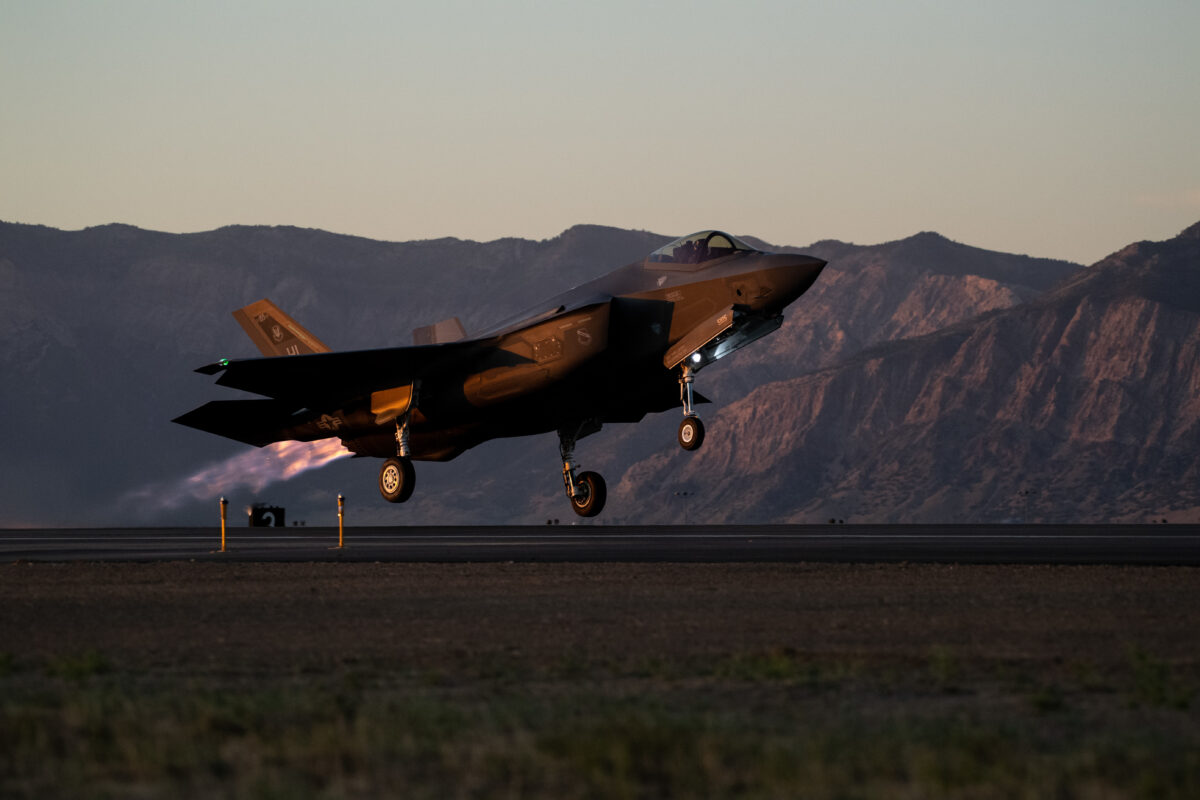
Photo Supplied, U.S. Air Force photo by R. Nial Bradshaw
An F-35A Lightning takes off during night flying operations at Hill Air Force Base, Utah, on Aug. 20, 2019. Night flying is required for pilots to sharpen their combat skills and maintainers work around the clock to prepare jets for flight, inspect them after flight and get them ready for the next flying day. The 388th Fighter Wing is the Air Force’s first combat-coded F-35A wing.
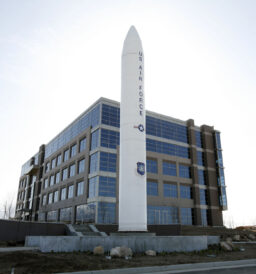
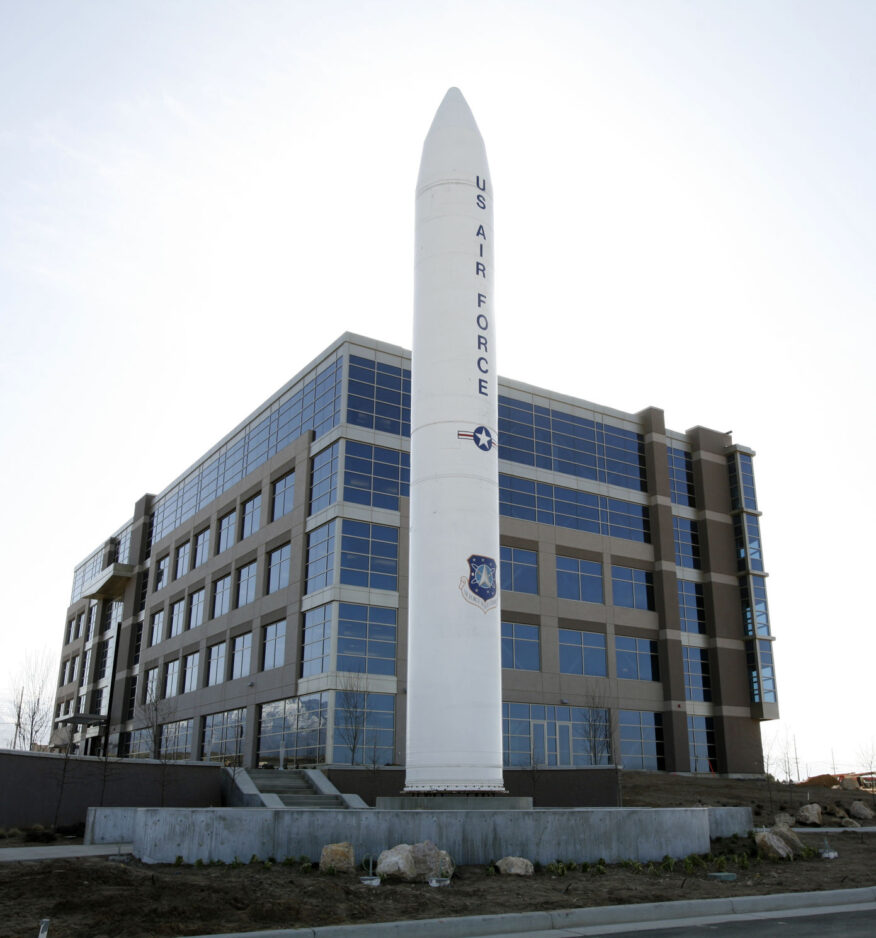
The Falcon Hill ICBM Building at Hill Air Force Base is pictured on Monday, March 12, 2012.
-
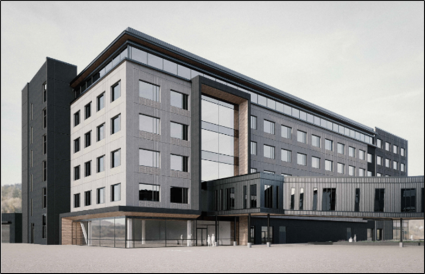
- The Northrop Grumman Legacy Building at Roy Innovation Center is set to be completed in 2028.
-

-
Main entrance to the Utah General Depot, later called Defense Depot Ogden, 1964. Courtesy of Utah State Historical Society.
-

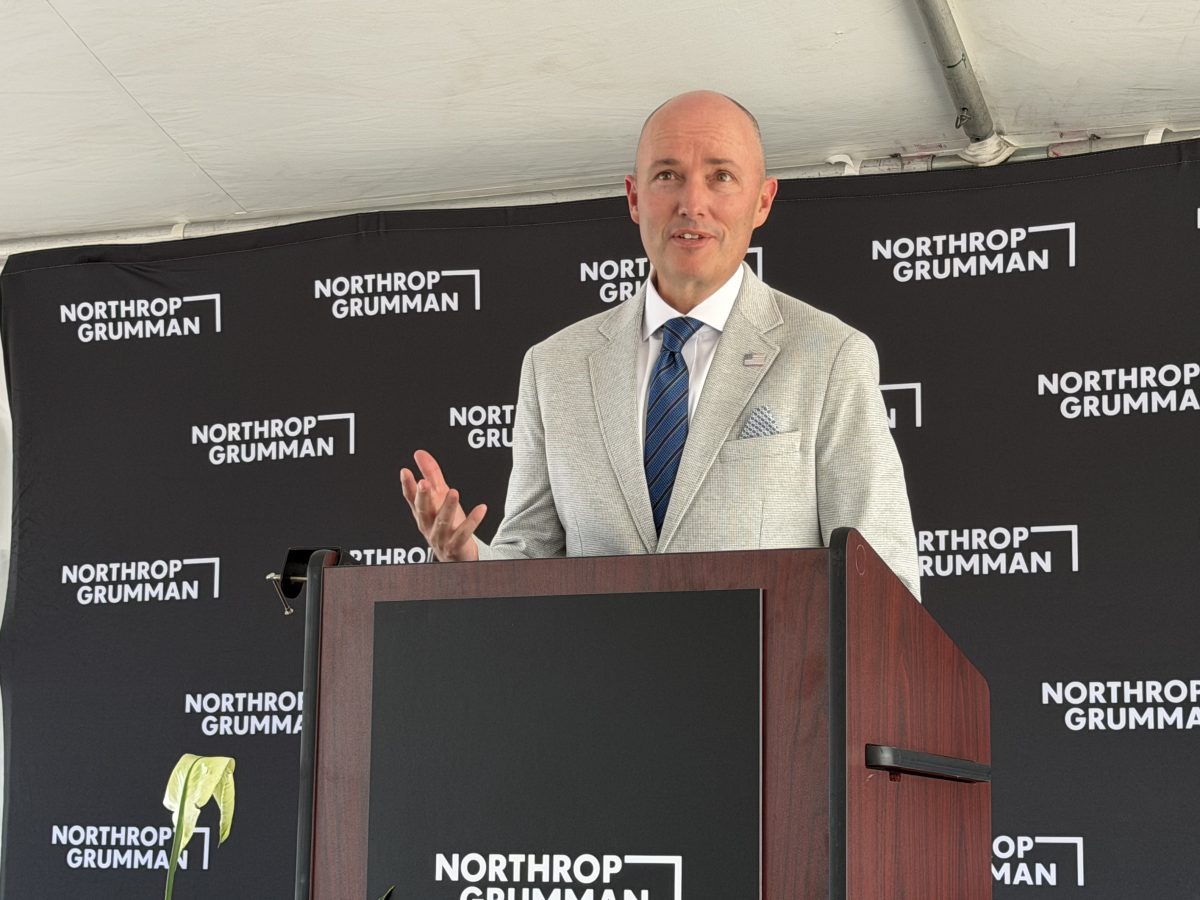
- Utah Gov. Spencer Cox speaks at the groundbreaking ceremony for Northrop Grumman’s Legacy Building at the Roy Innovation Center on Tuesday, July 14, 2026. The building will help to support the development and deployment of the Sentinel ICBM program and is an example of the aerospace and defense industry’s growing and evolving relationship with Northern Utah. Just two days later, location strategy and site selection advisory firm Global Location Strategies released its “2026 Best Places for Aerospace & Defense Insights Report,” ranking the Ogden metropolitan area the No. 2 aerospace and defense metro in the country.
-

- The cover sheet for Global Location Strategies’ “2026 Best Places for Aerospace & Defense Insights Report,” which ranked the Ogden metropolitan area the No. 2 aerospace and defense metro in the country.
OGDEN — The Ogden metropolitan is gaining national recognition as a top spot for the aerospace and defense industry.
Last week, Greenville, South Carolina-based location strategy and site selection advisory firm Global Location Strategies, or GLS, released its inaugural “Best Places for Aerospace & Defense Insights Report,” ranking the Ogden metropolitan area No. 2 with the Salt Lake City metropolitan area coming in at No. 4. Wichita, Kansas, took the No. 1 spot.
GLS Vice President of Location Intelligence and Principal Tess Fay told the Standard-Examiner Thursday that GLS helps businesses determine the best spots to develop in.
KERA WILLIAMS, Standard-Examiner file photo
The Falcon Hill ICBM Building at Hill Air Force Base is pictured on Monday, March 12, 2012.
“We help companies determine where they should invest,” she said. “Sometimes that’s a new manufacturing facility or a new headquarters office, research center, expansion project, but regardless of what that investment looks like, our job is to help them evaluate locations objectively. Through that process, we are considering things like workforce, infrastructure, operating costs, utilities, long-term business competitiveness, with the goal of enabling our clients to make informed investment decisions.”
She said, over time, leaders grew curious as to what drove GLS’s decision making.
“Our day-to-day is working directly with corporate decision makers on their location decisions, but over and over again, we hear the question of, ‘How are those decisions actually getting made? What makes one community more competitive than another for a certain type of industry investment?’ ” she said. “A few years back, we launched our GLS Insights Report, which considers, industry by industry, what the key location drivers are that would make one community more or less attractive for a company investing in that space. And our goal isn’t just to rank the locations, but really to understand the trends that are shaping an industry, to think about the future of where the investment is likely to occur in that industry.”
Fay said a few factors led to GLS tackling the aerospace and defense industry this year.
“We picked aerospace and defense because we see this industry really at the very beginning of a wave of very significant manufacturing investment,” she said. “I think that’s being driven by several things that are converging at the same time. There’s a lot of defense spending happening, a lot of modernization priorities. There’s, of course, an increased emphasis over the past few years on domestic production, as well as more resilient supply chains.
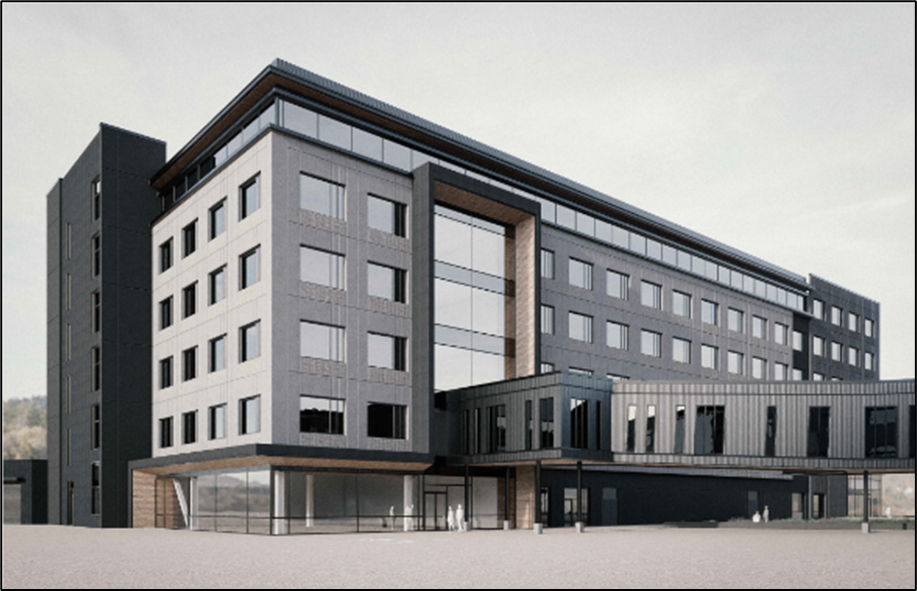
Image supplied, Northrop Grumman
The Northrop Grumman Legacy Building at Roy Innovation Center is set to be completed in 2028.
“I think what was interesting to us about this specific cycle of investment is that aerospace and defense companies aren’t just looking anymore for places where they can invent new technology or focus on the innovation. But now, because there’s so much demand for these products, they’re looking for places where they can actually produce and scale up their manufacturing.”
The Ogden area hasn’t been a stranger to military development. In addition to Hill Air Force Base, the area has hosted historical installations such as Defense Depot Ogden and the Clearfield Naval Supply Depot along with modern support centers such as the Roy Innovation Center, Falcon Hill National Aerospace Research Park and Weber State University’s Miller Advanced Research and Solutions Center.
Fay said several factors have helped Ogden stand out.
“Utah, in general, is showing up very positively in our rankings,” she said. “I think Ogden specifically does well because it really checked almost every box that aerospace and defense manufacturers are looking for today. You all have a strong engineering and manufacturing workforce, an established supplier network, competitive business environment, and, critical to mention, the existing defense ecosystem with Hill Air Force Base there. It’s really not a single factor that made Ogden do well in our rankings. It’s a combination of all of these.”
She said that one of the biggest assets that’s helped the Ogden area adapt to the increased demand for aerospace and defense expansion is having so many long-established support sites.

Photo supplied, Utah State Historical Society
Main entrance to the Utah General Depot, later called Defense Depot Ogden, 1964. Courtesy of Utah State Historical Society.
“Utah has a really strong aerospace and defense presence already,” she said. “Ogden just sort of illustrates how that competitiveness is evolving. So, if we think about the likely players or suspects in our ranking, they still show up on the list like the Wichitas and the Huntsvilles, but I think what Ogden does exceptionally well is show that when communities build the right ecosystem, they really can compete alongside those traditional (military cities like the) Wichitas and Huntsvilles. Where you all showed up really well are in things like your engineering talent, your manufacturing capability and history of success there, as well as the supplier and defense assets.”
Fay said that Hill Air Force Base still anchors much of this development.
“Hill Air Force Base is a lot more than just a large employer, too, when we go through these rankings,” she said. “It’s really an anchor of your larger aerospace ecosystem. It attracts a lot of engineering talent, a lot of suppliers, contractors — all of these things that private investment are also looking for now. That demand is outpacing the supply that the historic Wichitas of the world are able to provide.”
Last week was a great reminder of the Ogden metro area’s growing relationship with the military and its partners.
Last Tuesday, only two days before GLS released its report on the best cities for aerospace and defense, officials celebrated the groundbreaking of Northrop Grumman’s Legacy Building at the Roy Innovation Center, adjacent to Hill Air Force Base. The new building will be ready in 2028 and help support development and deployment of the Sentinel ICBM program.
Rob Nielsen, Standard-Examiner
Utah Gov. Spencer Cox speaks at the groundbreaking ceremony for Northrop Grumman's Legacy Building at the Roy Innovation Center on Tuesday, July 14, 2026. The building will help to support the development and deployment of the Sentinel ICBM program and is an example of the aerospace and defense industry's growing and evolving relationship with Northern Utah. Just two days later, location strategy and site selection advisory firm Global Location Strategies released its "2026 Best Places for Aerospace & Defense Insights Report," ranking the Ogden metropolitan area the No. 2 aerospace and defense metro in the country.
During the ceremony, Gov. Spencer Cox took time to acknowledge how vital these assets have been to Northern Utah.
“I know for generations people worried what would happen if this base ever left,” he said. “We did worry. We saw lots of jobs leave when other companies closed their doors or reduced their workforce. And yet, here we are in Roy, Ogden, Greater Salt Lake area, stronger than ever with more employment opportunities than ever before because of projects like Sentinel and others that are located here.”
He told reporters after the ceremony that developments like this give the state a huge role in keeping the world safe.
“We want Utah to be, not just an economic center for aerospace and defense, but a center of excellence for innovation in aerospace and defense and securing our country,” he said. “So we’re working on efforts to bring in the best minds, not just to build jobs here in Utah, but the best minds to come and talk about what’s happening in our world today and how to make it a safer place.”
While the Ogden area has many strengths in attracting and expanding aerospace and defense opportunities, Fay said it faces obstacles that are shared by countless other metropolitan areas across the country.
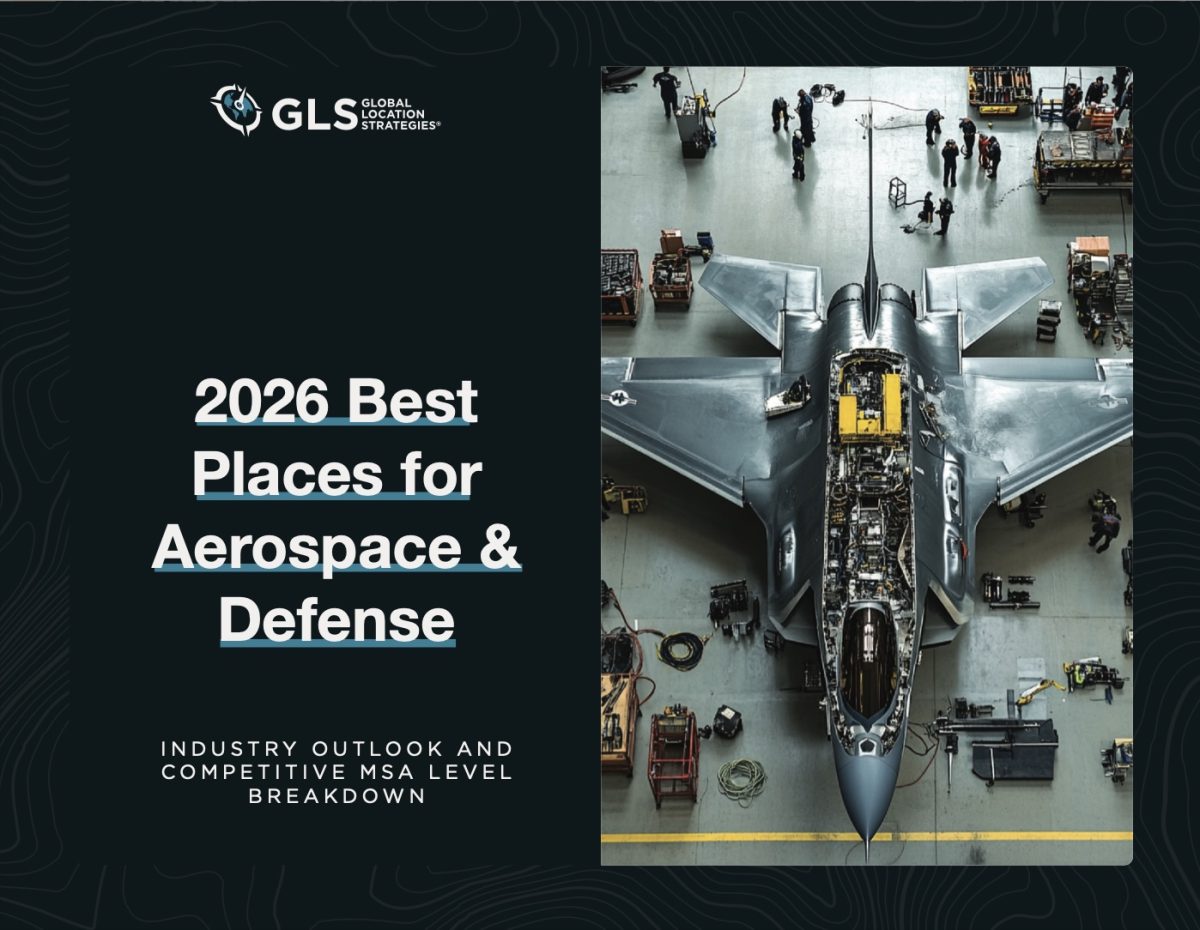
Image supplied, Global Location Strategies
The cover sheet for Global Location Strategies' "2026 Best Places for Aerospace & Defense Insights Report," which ranked the Ogden metropolitan area the No. 2 aerospace and defense metro in the country.
“They’re really less about aerospace itself or the ecosystem itself, and it’s more about those assets that are going to be required for any continued growth and things that everywhere in the country are struggling with,” she said. “Housing availability, affordability, some of those sorts of quality of life and cost factors, I think, are areas where Ogden can continue to invest and focus efforts, both to grow the population you already have there but then also to be more competitive for recruitment of some of these key positions like engineers and skilled trades.”
She said that Ogden reflects the wider evolution of the aerospace and defense industry that has been going on the last few years.
“If I think about Ogden, I think it’s an interesting illustration for overall the insights and findings of our entire report, which I know is hefty,” she said. “But I think it’s a good example of how we’re seeing aerospace ecosystems evolve.
“You all, historically, have been known for successfully sustaining and supporting the military platforms through the Air Force base there and the contractor network that supports it. And today, we’re expecting you to be able to leverage that foundation to support broader private investment in things like advanced manufacturing, avionics and the next generation of defense technologies. And that’s exactly the type of evolution that our report and the insights that we identify really highlight.”
-