Spanish immersion program at Hooper school called overwhelming success
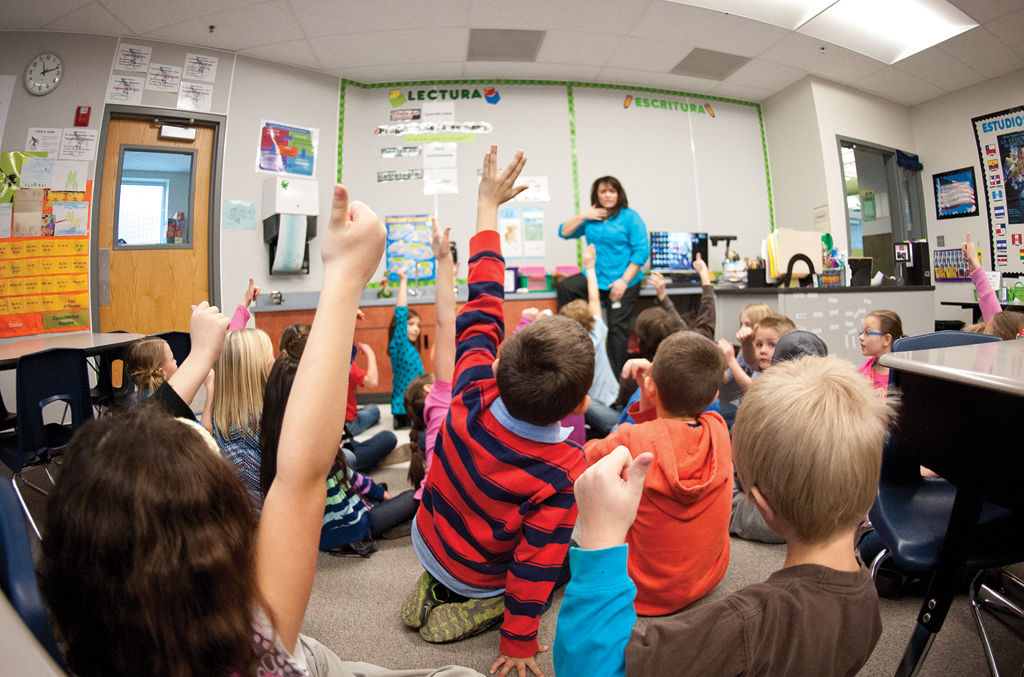
Brian Wolfer Special to the Standard-ExaminerFreedom Elementary students learn Spanish as part of the Spanish- Immersion program in Hooper recently.

HOOPER — Since it got its start in the fall of 2012, Freedom Elementary School’s Spanish immersion program has had overwhelming success and support from the community, said Principal Rich Proffer.
In 2008 the Legislature created Dual Language Immersion programs in Chinese, French and Spanish. In 2010 Gov. Gary Herbert issued a challenge to Utah educators to implement 100 such programs throughout Utah with a goal of enrolling 25,000 students.
The Weber School District rose to the challenge. The district now has four Dual Language Immersion programs: two Chinese immersion programs, one at Bates and one at Uintah Elementary; and two Spanish immersion programs, one at Majestic and the other at Freedom Elementary.
“We decided to have a Spanish Immersion program at Freedom Elementary because we were approached by the district. They wanted a dual immersion program at the west end of the district,” Proffer said. “They asked us how we would feel about having a Spanish immersion program. We weighed the pros and cons and decided to jump on it.”
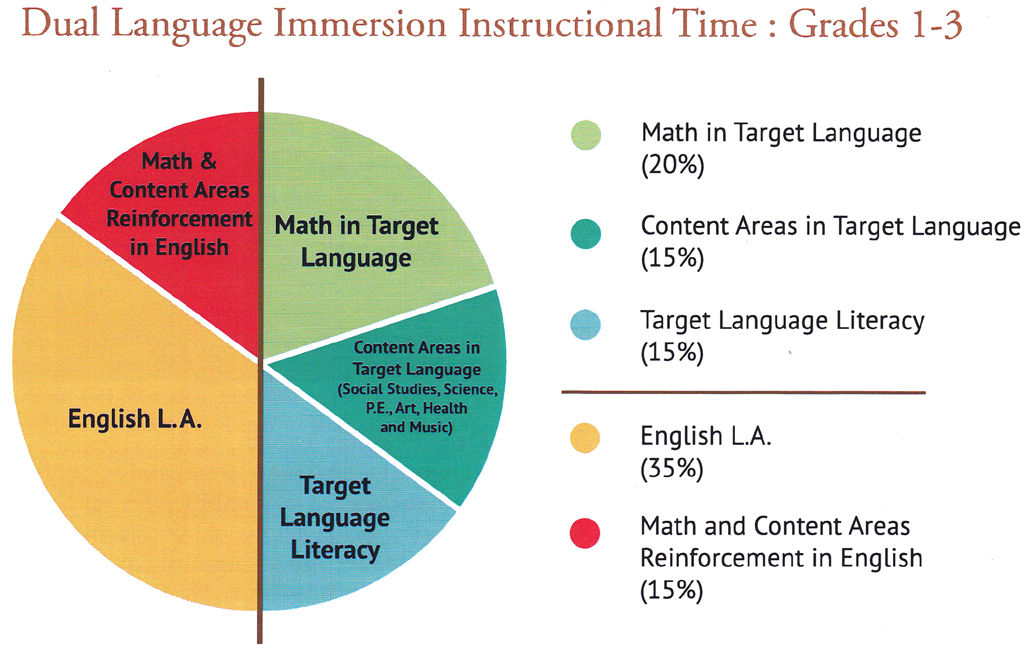
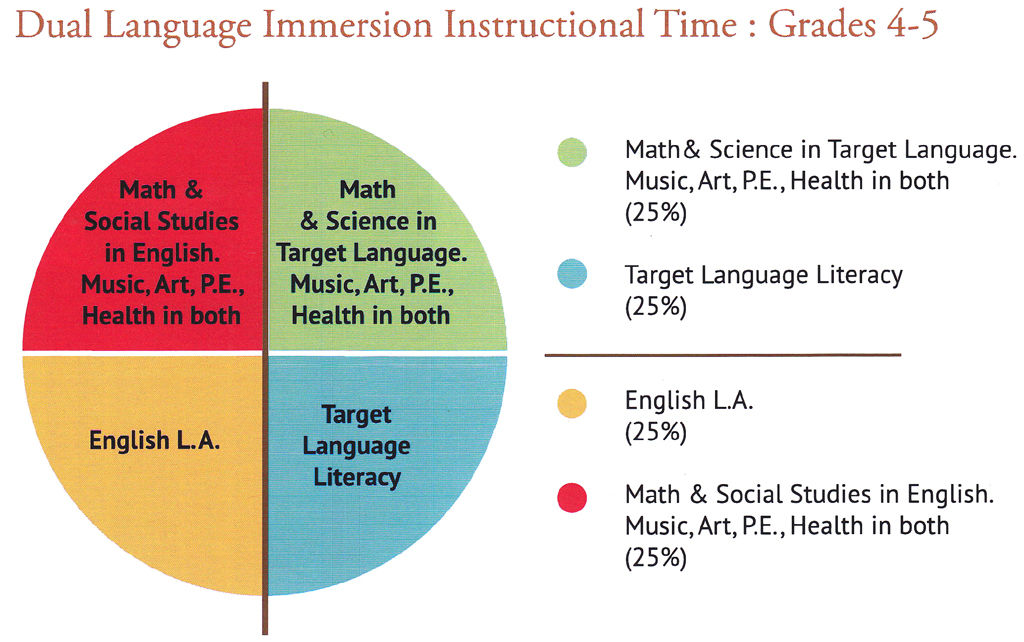
Students in the Spanish Dual Immersion Program spend three hours each day with a teacher who only speaks Spanish to the students and another three hours a day with a teacher who teaches them in English.
Freedom Elementary’s Spanish immersion program starts when students enter first grade. They come on the first day of school, some of them without having ever spoken Spanish before.
“At the beginning of the year, it’s pure shock. It takes them about a month to realize it’s all in Spanish. Our routine is so repetitive. I use a lot of visuals,” said Daniela Baca, first grade Spanish teacher at Freedom.
By Jan. 15, the students are no longer allowed to respond in English. They are required to speak only Spanish to their teacher and to their peers while they are in the Spanish classroom, Baca said.
“That is stressful to them for the first two to three weeks. It’s hard for them to find the vocabulary. They are so impatient with themselves. In English they just spit it out,” Baca said.
Baca has signs up all around her classroom with common questions the students might ask. She also has labels of nouns such as reloj (clock). Next to the clock, there are labels with questions such as “How long until we go home?” and “What time is lunch?” in Spanish so the students can get the language in their minds. She also has numbers on the wall with the name of the number next to it. When they see the labels, it helps the language sink in.
By March, the students are reading story problems in math and solving them. They are speaking Spanish, too.
By the time students are finished with first grade, they are “like a butterfly emerging from a cocoon. It’s amazing, to see their transformation from the beginning to when they leave my classroom,” Baca said.
Lorena Huerta, second grade Spanish immersion teacher who speaks only in Spanish to her students, instructs in math, reading, writing, social studies and science. The same balance of curriculum is used in first and second grades, and will be used in third grade next year when the students move up.
Julie Clark is the English teacher of second graders in Spanish immersion. She teaches the students English language arts (reading, spelling, writing, reading fluency, vocabulary), math review, social studies and science.
“Because we have to divide our time between the Spanish and the English teachers, we have less time with students. So we have to integrate the learning of different subjects together, for example math and literature or reading, writing and social studies,” Huerta said.
“I think most of the students deal really well with it. Being in second grade, they understand the routine. They have to work twice as fast. They know the expectations of having to work harder to get just as much done as the kids in a regular second grade,” Clark said.
The dual immersion program creates a certain learning environment, instructors say.
“We’re go, go, go, go,” Huerta said. “We have a faster pace than a traditional English-only classroom setting.”
The rapid pace also brings with it a lot of fun.
“Every lesson we teach has to be explicit: visual and kinesthetic. We have a lot of fun. Sometimes we are laughing. For example, I have a boy named Sam in my class. On president’s day, we jokingly called him ‘Tio Sam’ (Uncle Sam). I explained to them that Uncle Sam is the government, and everyone was laughing and having a good time,” Huerta said.
A dash of culture helps the instruction along.
“I love teaching Spanish Immersion because I love teaching my language, and I have integrated my culture into teaching,” Huerta said.
Huerta lived in Mexico until she was 4, then she moved to America and had all of her education in America.
Baca was born in Colorado. Her parents emigrated from Mexico, and only spoke Spanish at home. She spoke only Spanish at home and learned English at school and from friends.
Administrators are pleased with the results after almost two school years into the program.
“The state has been telling us that the students are doing as well or better than their peers in an English-only classroom setting. Students who have academic challenges or disabilities such as speech or special ed, or if they’re on an IEP, those kids are doing as well or better than their peers,” Proffer said.
Parent support can make all the difference.
“We’re just looking for kids whose parents support them being educated in this manner,” Proffer said.
“The kids who have the support at home do so much better. Al lot of the success is based on the student’s home life. Not so much the parents speaking Spanish, but the parental support really makes a difference,” said Lorna Meyer, who teaches the English curriculum to first graders.
Students who participate in the program are from the Roy High Cone — elementary schools that feed into Roy High School — with a few other students from surrounding areas, Proffer said.
Every year Freedom Elementary will hire a new teacher for Spanish as the students move up, Proffer said.
The district has long-term plans for the students who began the program two years ago.
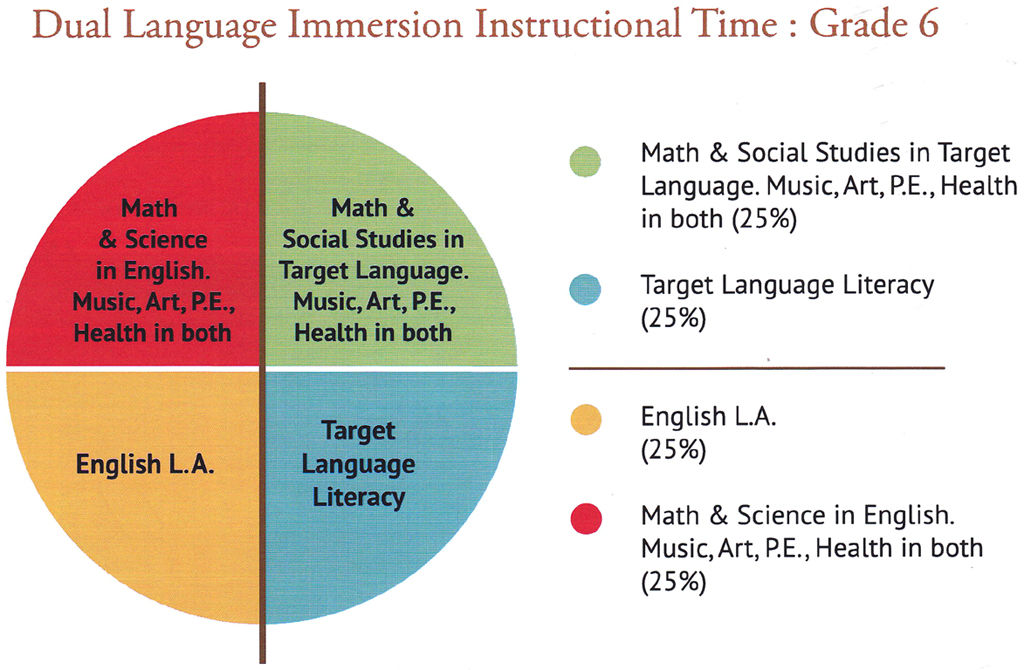
Once the student gets in seventh grade, the distract has plans that they will offer two courses in grades 7 to 9 which are taught entirely in the immersion language. One will be an advanced Spanish class and the other will be a content class such as history or social studies, Proffer said.
Education

Competing for a cause: Annual American Red Cross Blood Battle between Utah State and Weber State returns to WSU for 23rd year

9/11 at 25: WSU professor discusses what we’ve learned and how attacks compare to other historical benchmarks