Black History Month celebrated at BYU through song, dance, spoken word
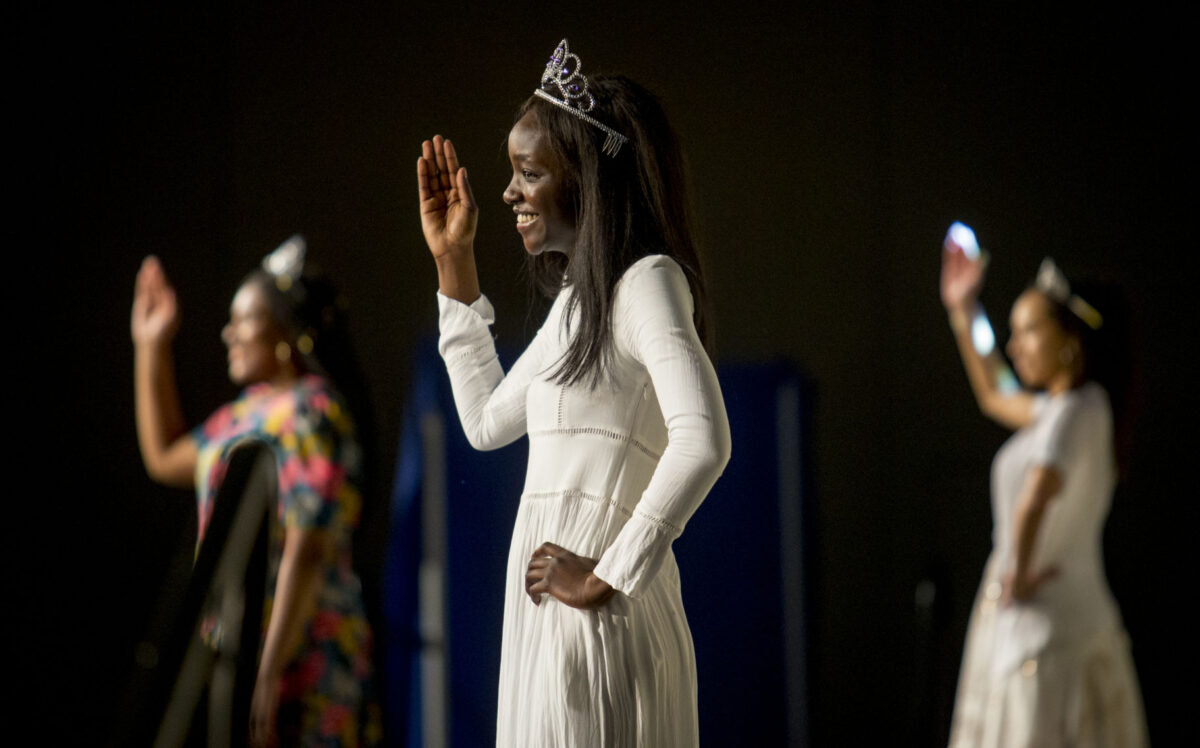
Brigham Young University freshman Fatwa Luka performs with the rest of Pretty Hurts during a celebration of Black History Month held Friday, Feb. 15, 2019, at the Wilkinson Student Center on the campus of BYU in Provo. Isaac Hale, Daily Herald
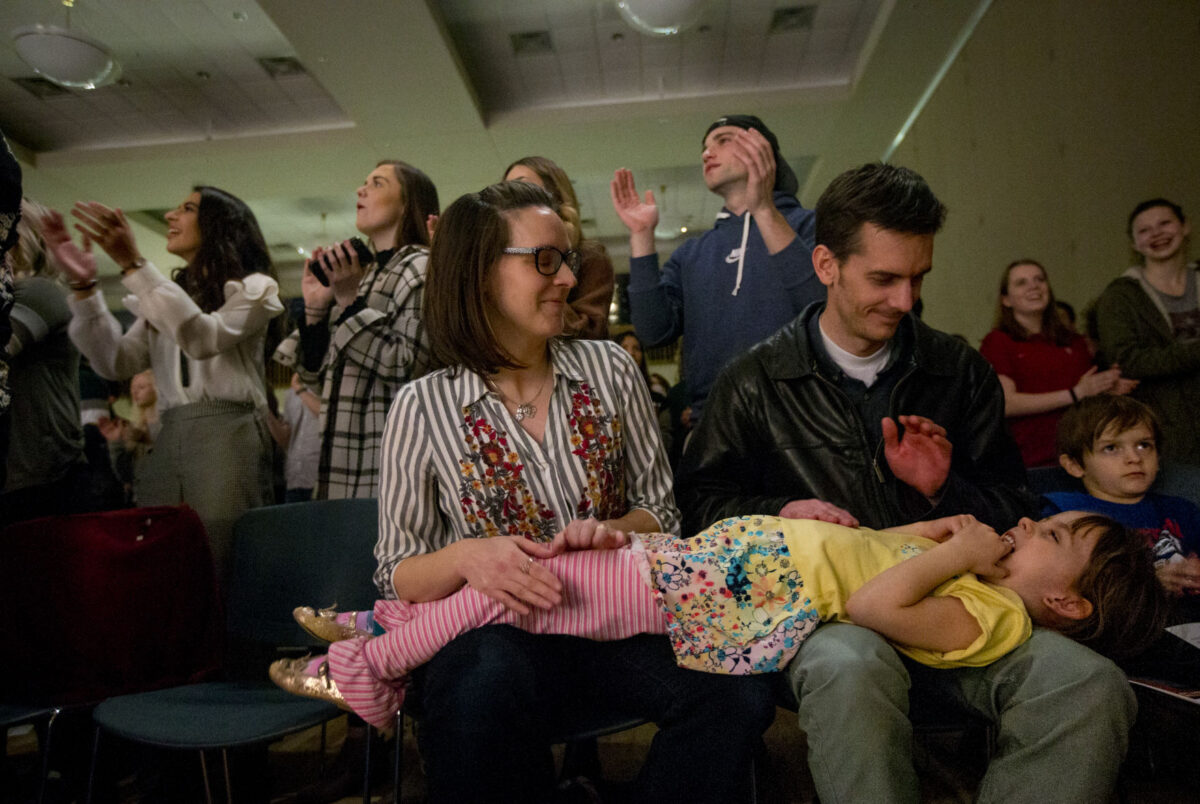
Lyndsey Jarman and her husband, Lynn, drum on their daughter, Gwen, 5, all of Saratoga Springs, as she laughs while the Brigham Young University Gospel Choir performs during a celebration of Black History Month held Friday, Feb. 15, 2019, at the Wilkinson Student Center on the campus of BYU in Provo. Isaac Hale, Daily Herald
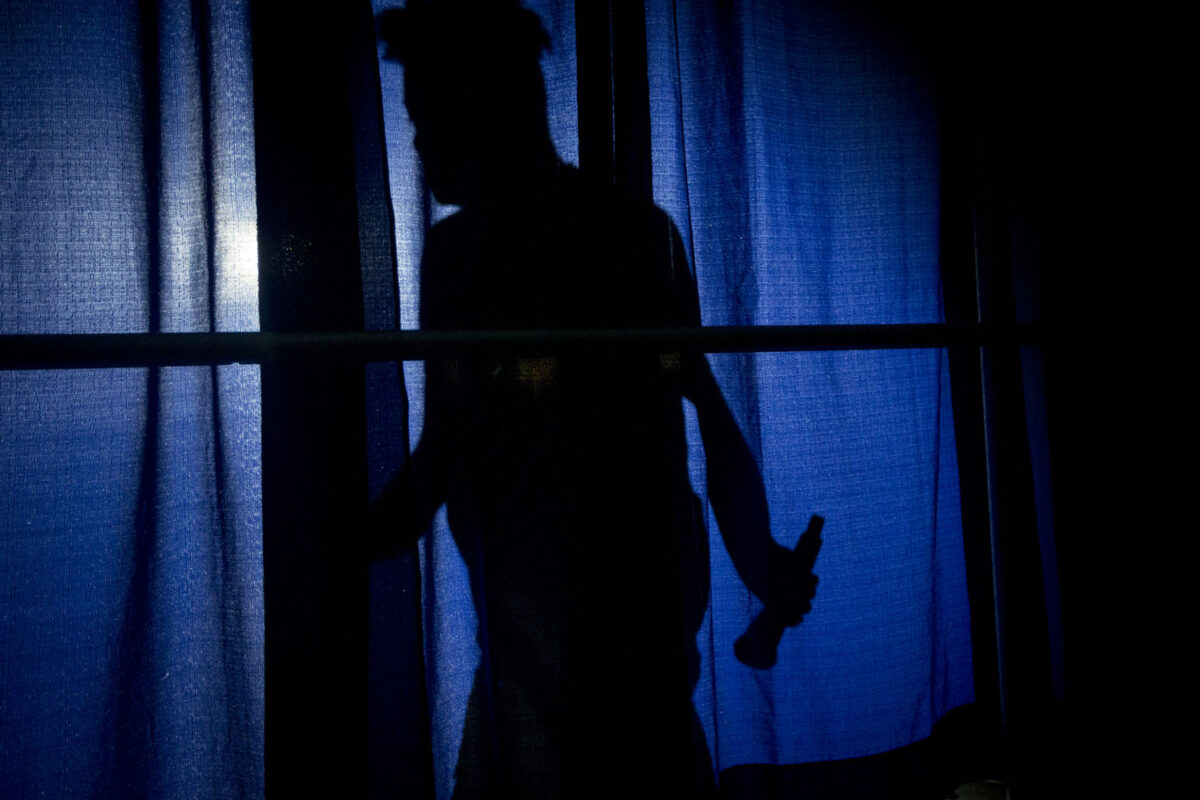
Brigham Young University sophomore Ronald Weaver exits the stage during a celebration of Black History Month held Friday, Feb. 15, 2019, at the Wilkinson Student Center on the campus of BYU in Provo. Isaac Hale, Daily Herald
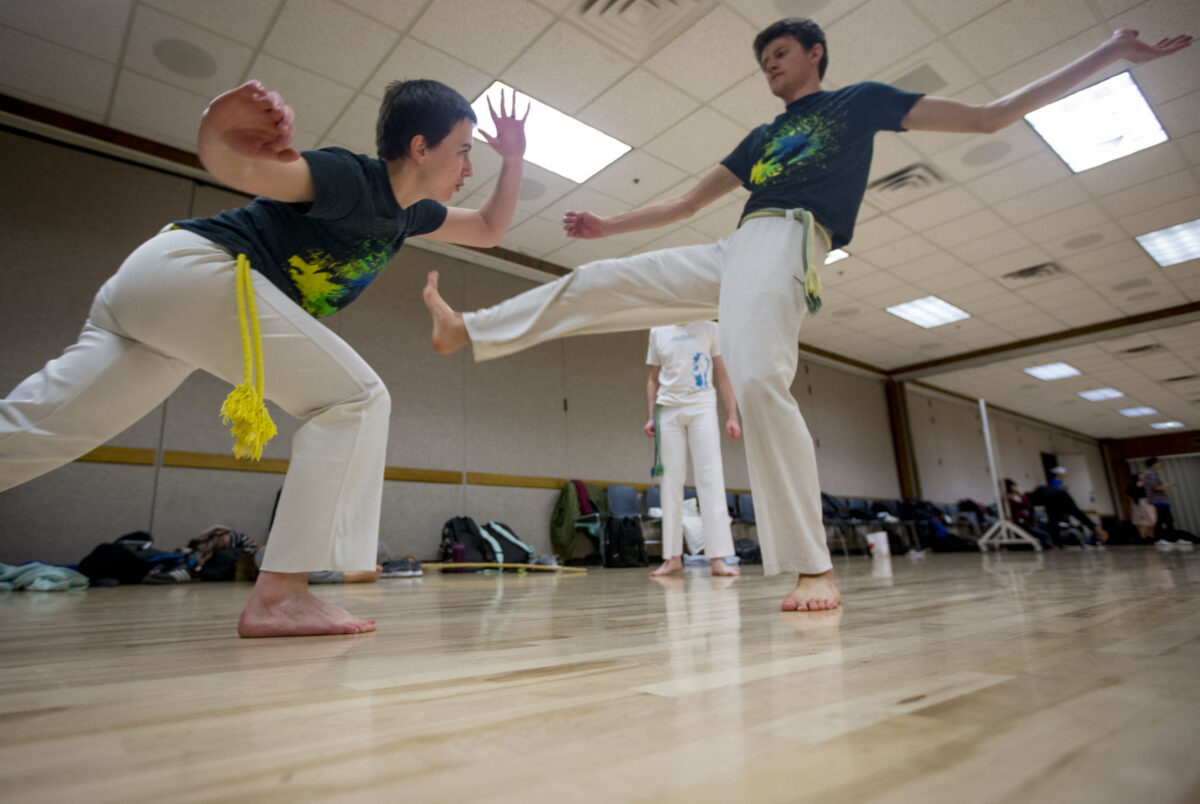
Brigham Young University alumna Elayne Petterson, left, and senior Wesley Stevens, both with the BYU Brazilian Capoeira Club, practice backstage during a celebration of Black History Month held Friday, Feb. 15, 2019, at the Wilkinson Student Center on the campus of Brigham Young University in Provo. Isaac Hale, Daily Herald
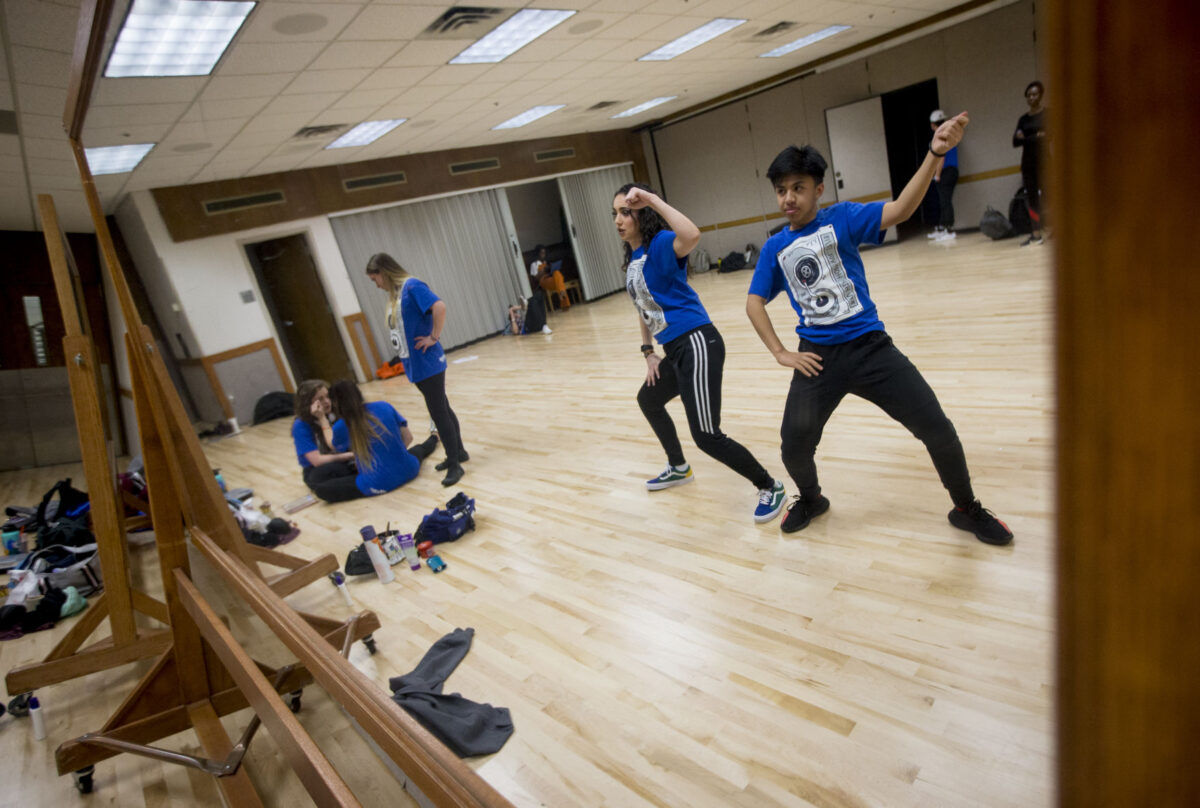
Brigham Young University freshman Taylor Lifferth, left, and sophomore Antoine Fontillas, both with the BYU Hip-Hip Club, practice backstage during a celebration of Black History Month held Friday, Feb. 15, 2019, at the Wilkinson Student Center on the campus of BYU in Provo. Isaac Hale, Daily Herald
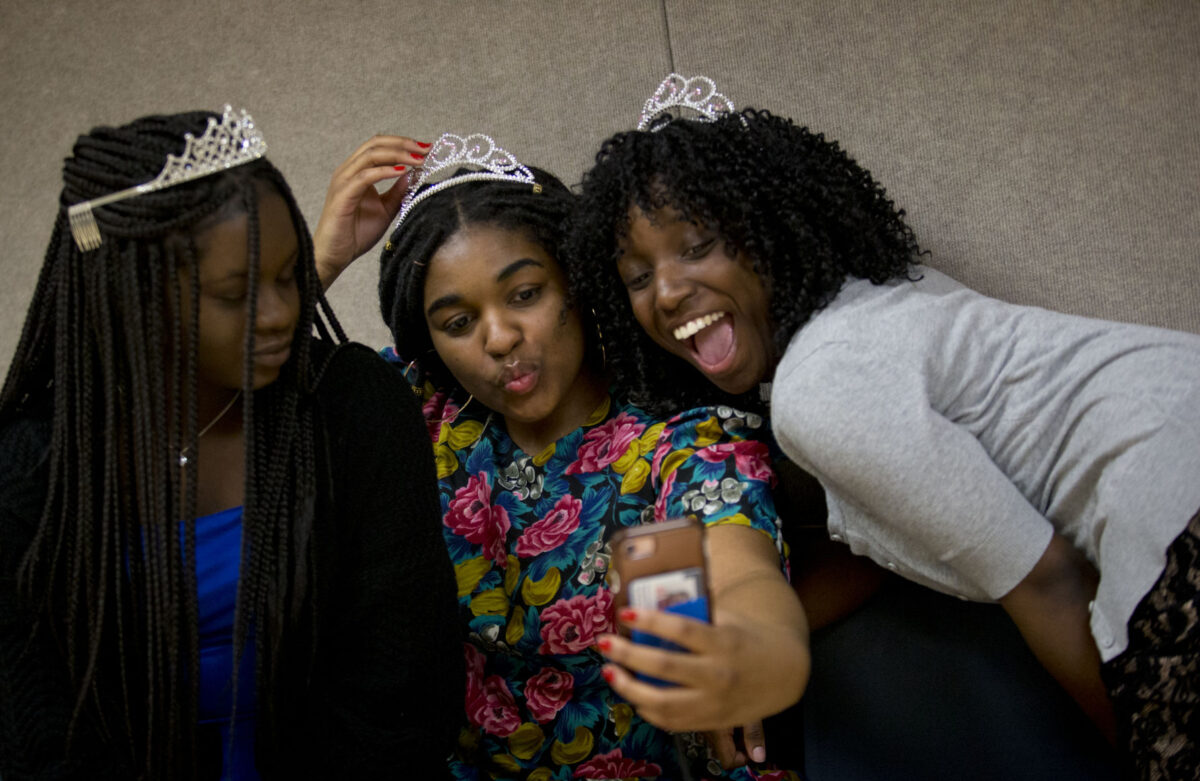
From left, Brigham Young University freshmen Nixe Francois, Pamela Laurent and Cynthia Daguillard, all with Pretty Hurts, take a selfie backstage during a celebration of Black History Month held Friday, Feb. 15, 2019, at the Wilkinson Student Center on the campus of BYU in Provo. Isaac Hale, Daily Herald
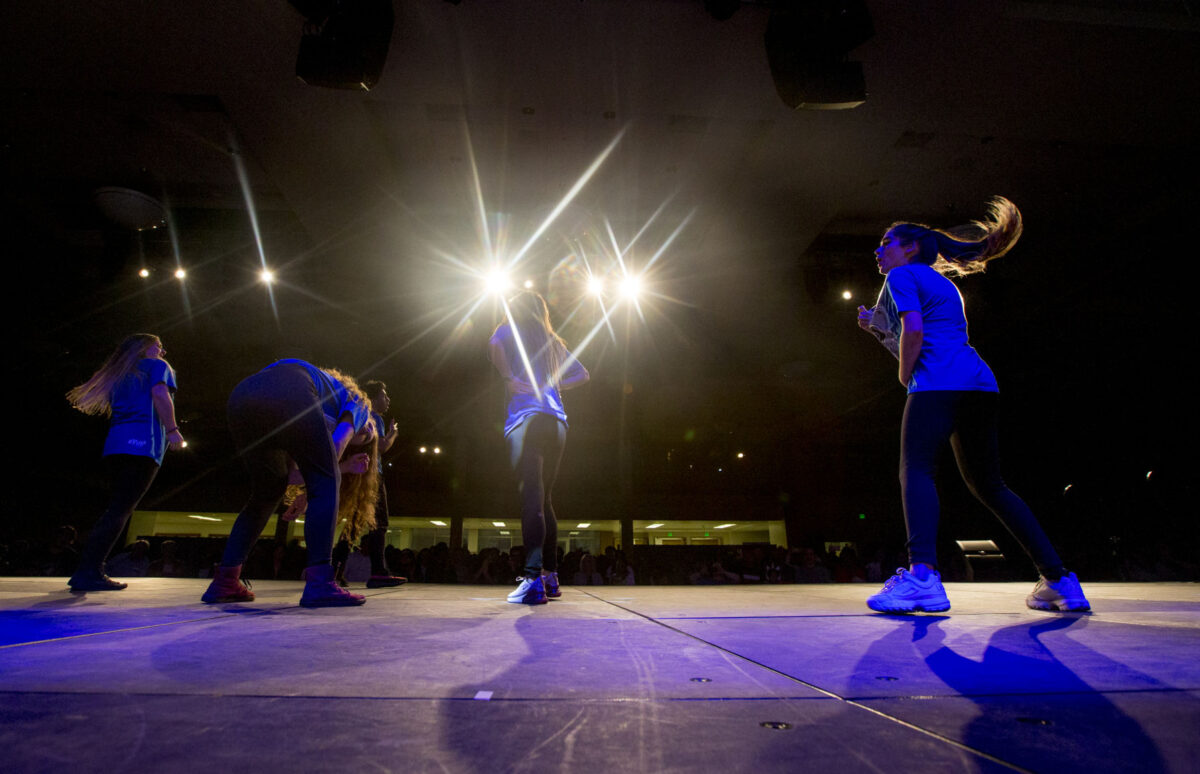
The Brigham Young University Hip-Hop Club performs during a celebration of Black History Month held Friday, Feb. 15, 2019, at the Wilkinson Student Center on the campus of BYU in Provo. Isaac Hale, Daily Herald
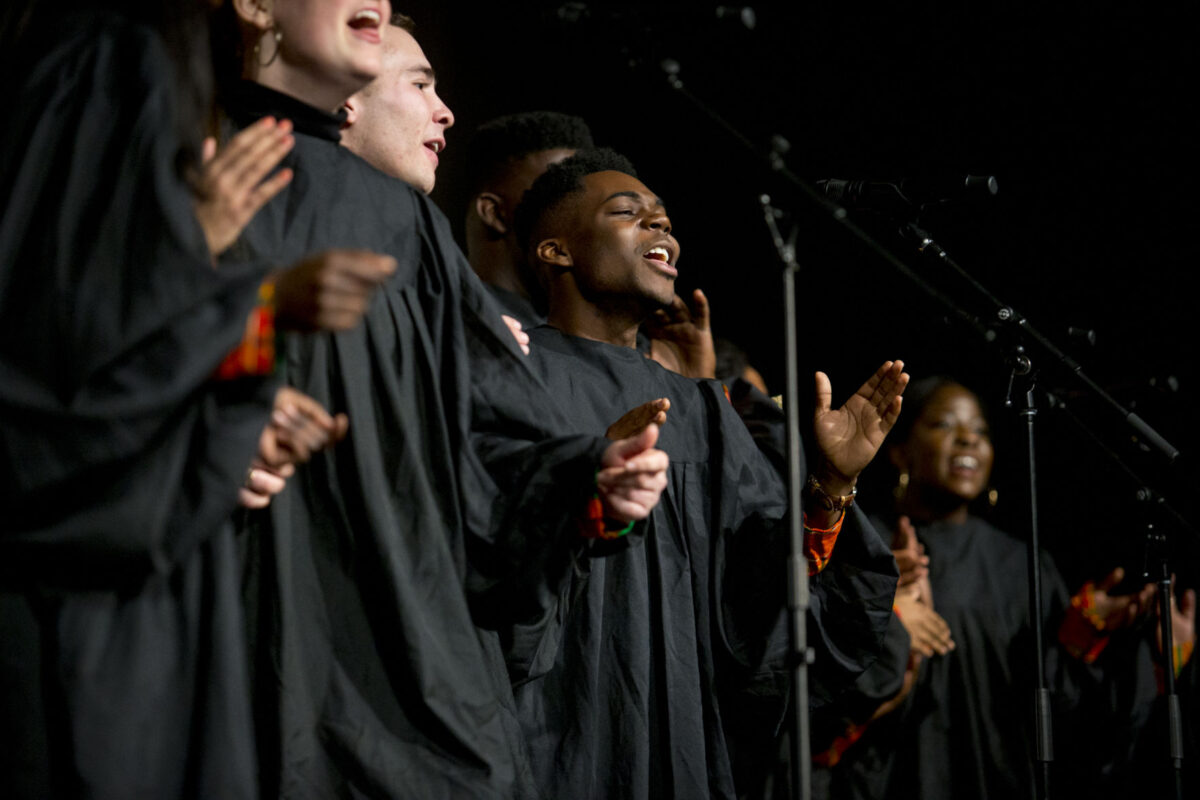
The Brigham Young University Gospel Choir performs during a celebration of Black History Month held Friday, Feb. 15, 2019, at the Wilkinson Student Center on the campus of BYU in Provo. Isaac Hale, Daily Herald
Cheering and swaying, hundreds of students clapped to the beat as singers with the Multicultural Student Services Gospel Choir filled the room with echoing music.
More than 600 people crowded in seats and sat along the walls of the Ernest L. Wilkinson Student Center on Friday evening during the annual Perspectives cultural celebration. The free event started five years ago to commemorate Black History Month in February.
“I have a passion for dancing and singing,” said freshman Fatwa Luka. “There is a lot of fun behind the scenes. It’s just a blast.”
Luka, from Omaha, Nebraska, joined the gospel choir and the Brigham Young University Hip Hop Club the week before the performance. She also performed an interpretive dance number and on the BYU Step Team.
“Black History Month is super, super important. I have loved these last couple of months just bonding with my family,” she said. “We’re obviously not the majority, but when we can find those times to be together, it’s really strengthening and we feel like we can belong.”
What started in a classroom on the third floor turned into a show where dozens of students from a variety of cultures shared their talents. Sophomore Nate Byrd played the guitar and sang as the audience waved glowing cellphones and joined in the song.
“It was great to see a lot of support,” he said. “In Utah, a lot of people are very ignorant about culture, and this is a good way for people to get to know it.”
The attendance numbers continue to grow every year, explained Hayley Aiono, the cultural program coordinator for Multicultural Student Services Office.
“We have people singing. We have bands. We have poems. We have interpretive dances. We have traditional African dances,” she said. “Diverse is the best word.”
As assistant director of the Multicultural Student Services, Jamal Willis also hoped the event could connect students through a mix of cultural experiences.
“We can all be different and think differently and speak differently, but at the end of the day we can all come together,” he said. “Even though we have different perspectives, we can all come together and be one.”
Only 1 percent out of 30,000 BYU students are black, according to enrollment statistics from the university website. More than 80 percent of students are Caucasian, compared to 6 percent of Latino, 3 percent Asian or Pacific Islander and 4 percent multi-ethnic students.
“I hope they leave being able to see somebody else’s perspective,” Aiono said. “I hope people come with an open heart and an open mind and learn something about black history or cultural or our students.”
Desiree Addo, Adhieu Arok and Don Izekor worked for three or four weeks on a dance routine incorporating a combination of Afrobeat. The trio shook the stage as the crowd stomped and chanted along with the music.
“There is nothing bad about black culture. There’s nothing bad about being black,” Izekor said. “I personally believe that ignorance breeds fear and fear breeds hate. In order to get rid of hate, you have to get rid of fear. To get rid of fear, you have to get rid of ignorance. That’s why we celebrate Black History Month.”
Arok agreed, adding that sometimes black students feel judged or out of place on a predominately white campus.
“We want to come and show our culture, our perspective on life and how we see things,” she said. “The whole point of Perspectives is to gain that perspective.”
Education
Longtime Roy AD Puzey resigning amid district changes to the position

To raise our children: Early childhood educators fill vital roles in building communities but face tough challenges