
To raise our children: Early childhood educators fill vital roles in building communities but face tough challenges

-

- Kids play with balloon swords at the “A Day Without Child Care” event in Clearfield on Monday, May 11, 2026.
-
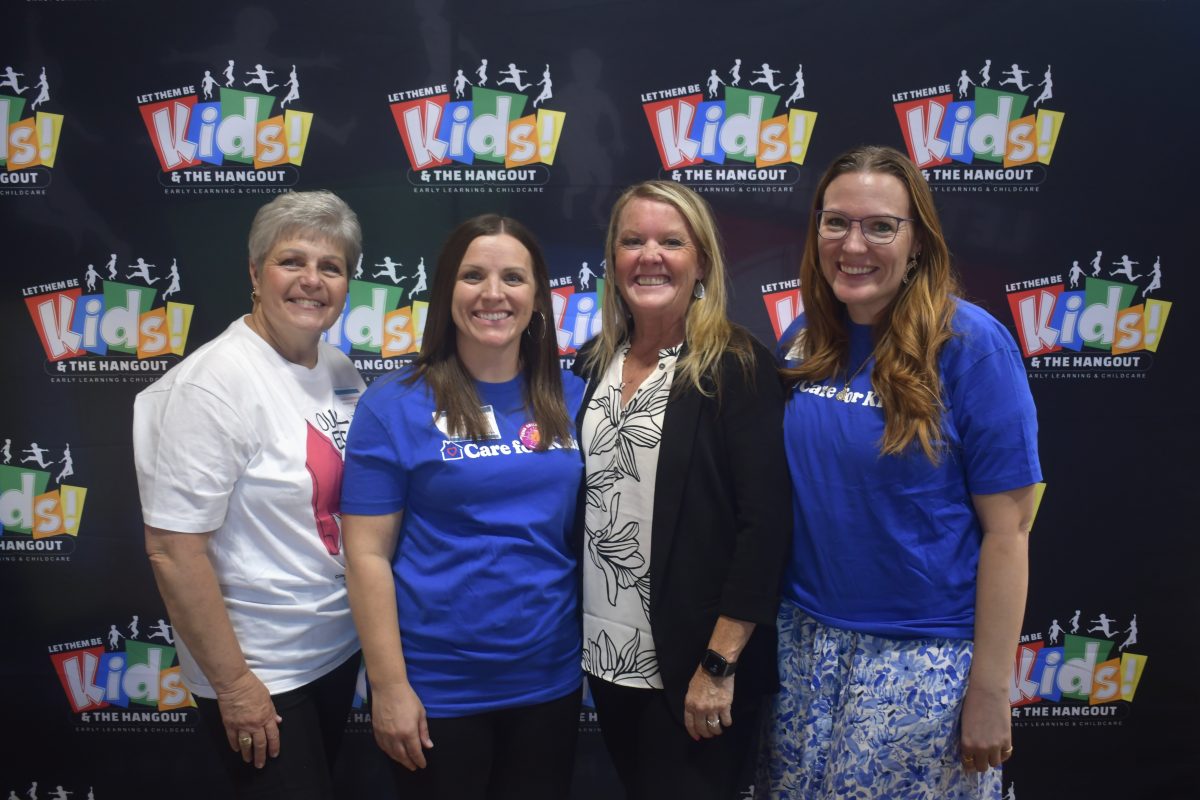
- Local childcare providers (from left to right) Teresa Larsen (family childcare), Monica Gailey (Let Them Be Kids), Malea Rogers (Kid Zone) and Missy Sparks (Some Place Awesome Youth Program) pose for a photo at the “A Day Without Child Care” event in Clearfield on Monday, May 11, 2026.
-
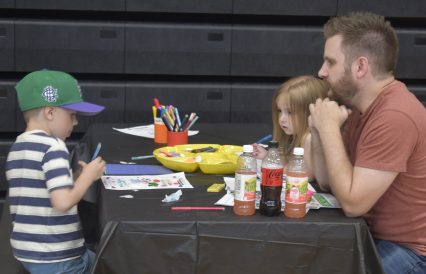
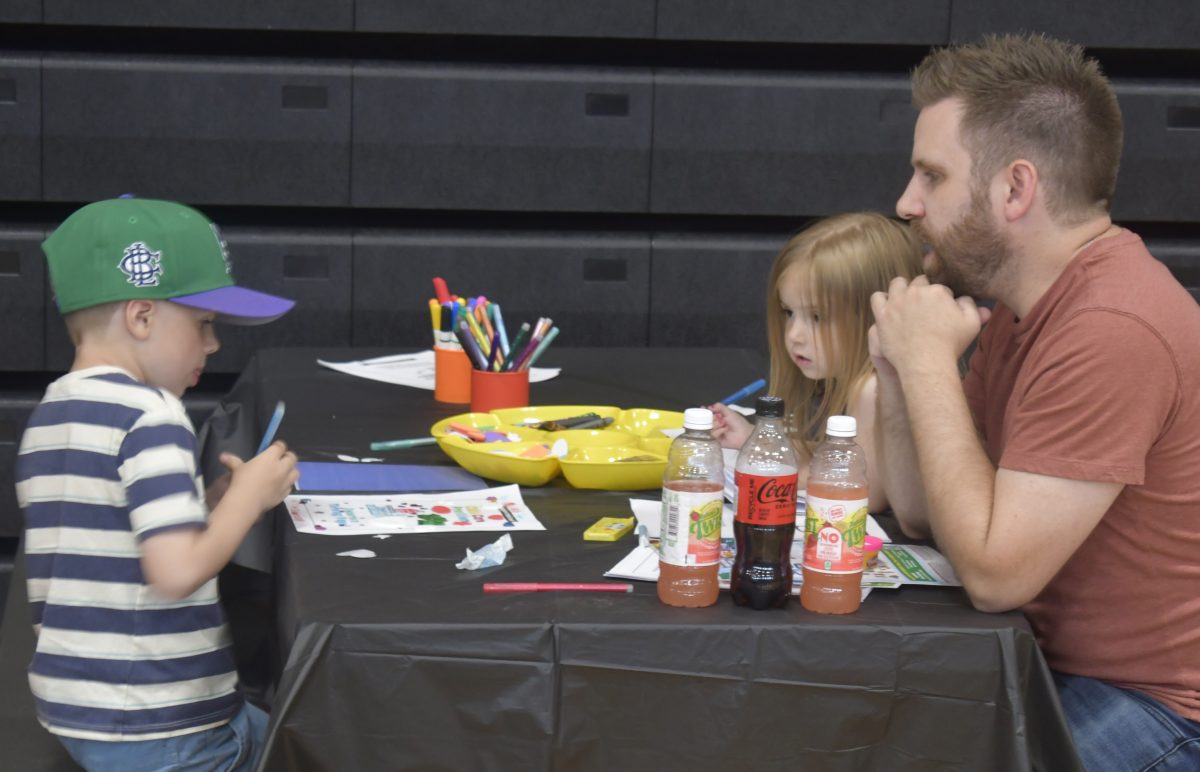
- A family participates in activities at the “A Day Without Child Care” event in Clearfield on Monday, May 11, 2026.
-
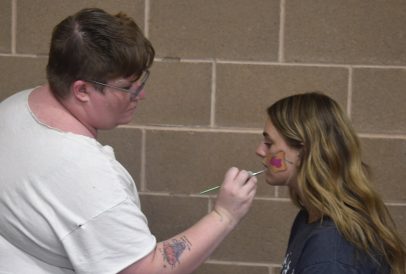
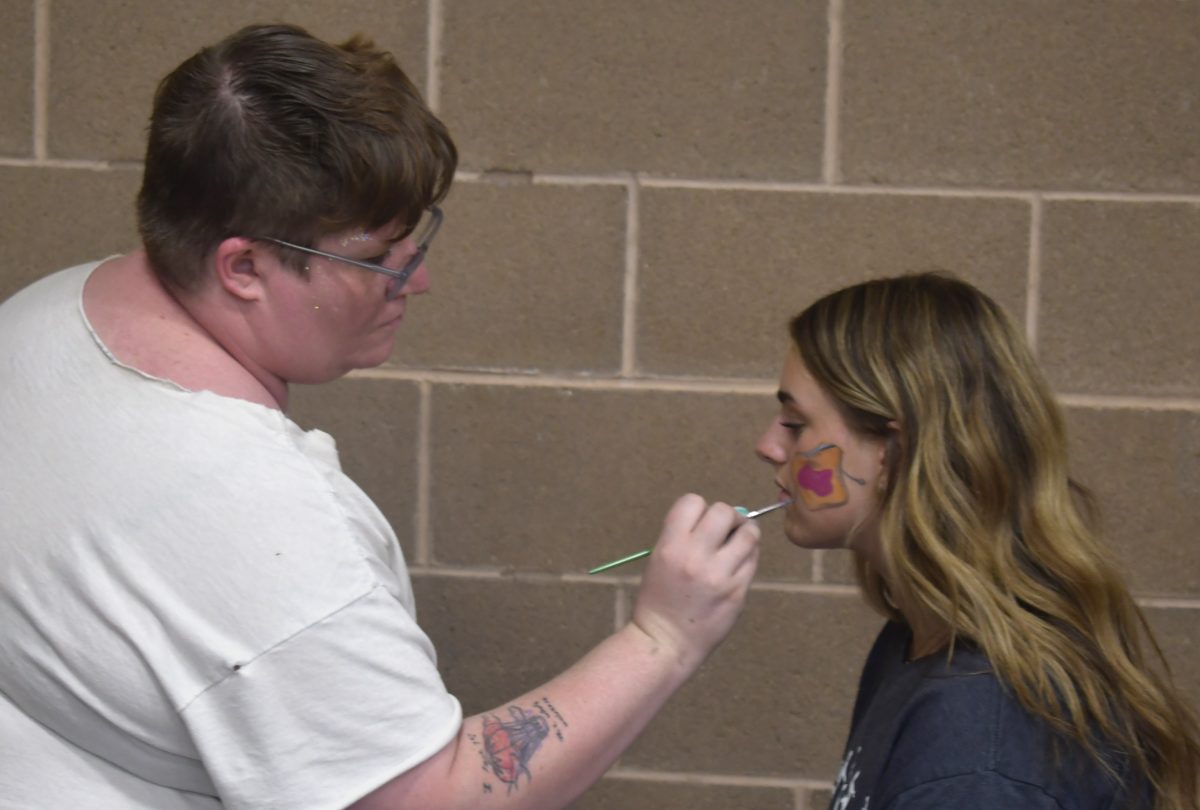
- A girl gets her face painted at the “A Day Without Child Care” event in Clearfield on Monday, May 11, 2026.
It may take a village to raise a child … but what about those who don’t live in a village?
Our modern times put tremendous time constraints and pressures on families and communities, however, and so it’s vital to have others step up to provide a key helping hand in the nurturing of children.
Those individuals can be found in the early childhood care community, whether in homes or centers. They are the ones who are on the front lines of molding future generations, yet often feel undervalued as they face a myriad of challenges.
The industry participated in an event on Monday called “A Day Without Childcare” to help raise awareness in Utah about what life would be without those who take care of children.
A group of professionals including Monica Gailey of Let Them Be Kids, Melea Rogers of Kid Zone and Missy Sparks of Some Place Awesome Youth Program gathered for the event at Let Them Be Kids in Clearfield on Monday and talked about the goals of the event, the challenges they see and their intense love of the difference they make.
“I think today is a day that shows the community in the state of Utah what it might be like if we didn’t have childcare,” Rogers said. “It’s a chance to show what impact that might have on our economy and people’s lives, and how important it is that we are here, that we’re dependable for families and children. Without us, it would be catastrophic.”
Despite that, they feel like often times parents and community leaders underestimate the impact they have.
“Parents depend on us,” Gailey said. “For us to shut down without notice is really what it would take for them to realize what it is that childcare stood for. Without a dependable childcare provider, whether in home or at a center, there is no work because the women and men aren’t going to be able to go to work because their child needs to be cared for. We’re caring for children from 0 to 12 years old. We are transporting them to and from school. We have them usually up to 10 hours per day. It would be really detrimental to the community and the economy if childcare completely shut down and went on strike, even for one day.”
The combination of things like inflation, regulations, federal and state funding cuts and economic uncertainty is forcing the early childcare industry to face more and more difficult challenges.
“We’re going through so many small struggles in our industry,” Sparks said. “Many don’t realize the actual cost of providing care. We’re not receiving federal funds like an elementary school is. They’re getting their buildings built. They’re getting their wages paid. They’re getting medical benefits covered. We’re an industry that’s left entirely on our own. We’re bringing the youth into society. We are molding them, and no one wants to put any money towards it.”
Simply put, they are concerned that they simply won’t be able to have the funding they need to be successful in taking care of their important responsibilities.
“We are already a drowning industry,” Gailey said. “We are grasping everywhere for lifesavers and there are none. We need some.”
They don’t do it to become rich. It is a labor they are drawn to because of the difference it makes
“No matter what we do, the dollars aren’t going to add up to the love that we have for the children,” Rogers said. “This is an extremely hard job, but we get to help these children become whatever they want to be. That is why I do what I do, for the sheer love of the children and watching them grow and develop. They’re the future.”
Sparks added: “It’s a passion project. I’m so passionate about it. And even when I try to take myself out of the industry, and when I try to move myself in a different direction, it’s my passion and I come right back.”
They invite anyone who wants to see what it is like to come volunteer for a day or even a few hours.
“No single day in childcare is ever the same,” Rogers said. “We are walking into a potential war zone from the second our eyes open and our feet hit the floor. And then we are constantly being hit in all directions by different things.”
But they find the rewards to be amazing as they get to see the growth that the children make, how they discover themselves.
“I think it’s important for everyone to know that these children come to us sometimes as brand new babies,” Rogers said. “So they’re brand spanking new and they’re a new canvas, if you will, and we’re helping them to learn how to be anything and everything.
“They are learning how to be a friend, learning how to be a citizen, and I think that that’s hugely important. We’re teaching them how to be good to each other now and in the future. We’re teaching them how to be able to sit down in a classroom setting, so we’re teaching them social and emotional skills.”
It becomes a part of their lives and the lives of the families they work with.
“Moms interviewed me when they were pregnant,” Sparks said. “I took them when they were eligible to be in care and kept them until they were 12. I have a little girl that I had from birth, and she’s 14 now, and she invites me to her school plays. I’ve always been her bonus mom. I go on vacations with my clients. We bond. I’m helping them raise their families. They ask advice. I can’t even tell you how many moms I’ve sat down with and talked through their postpartum depression. We’re a completely different industry. We are emotionally involved? Yes, absolutely.”
They can’t help but smile as they talk about seeing children become adults — and sometimes return with children of their own.
“We are already getting now people who were in childcare, and now we are getting their children,” Gailey said. “I love that they choose us and they come back because that’s what they know it’s safe.”
They want everyone to realize that their work is fundamental to making society function at a high level and they don’t want to change that. They just want to be able to have the support necessary for it to be successful for the caregivers as well as the families.
“We are a lot involved in our community,” Rogers said. “We are the core, sometimes, of the community. And I think that goes for every single one of us.”
For more information on the challenges facing early childhood educators and caregivers, go to uaeyc.org.