
Weber County launches new effort to get rid of dyer’s woad, other noxious weeds
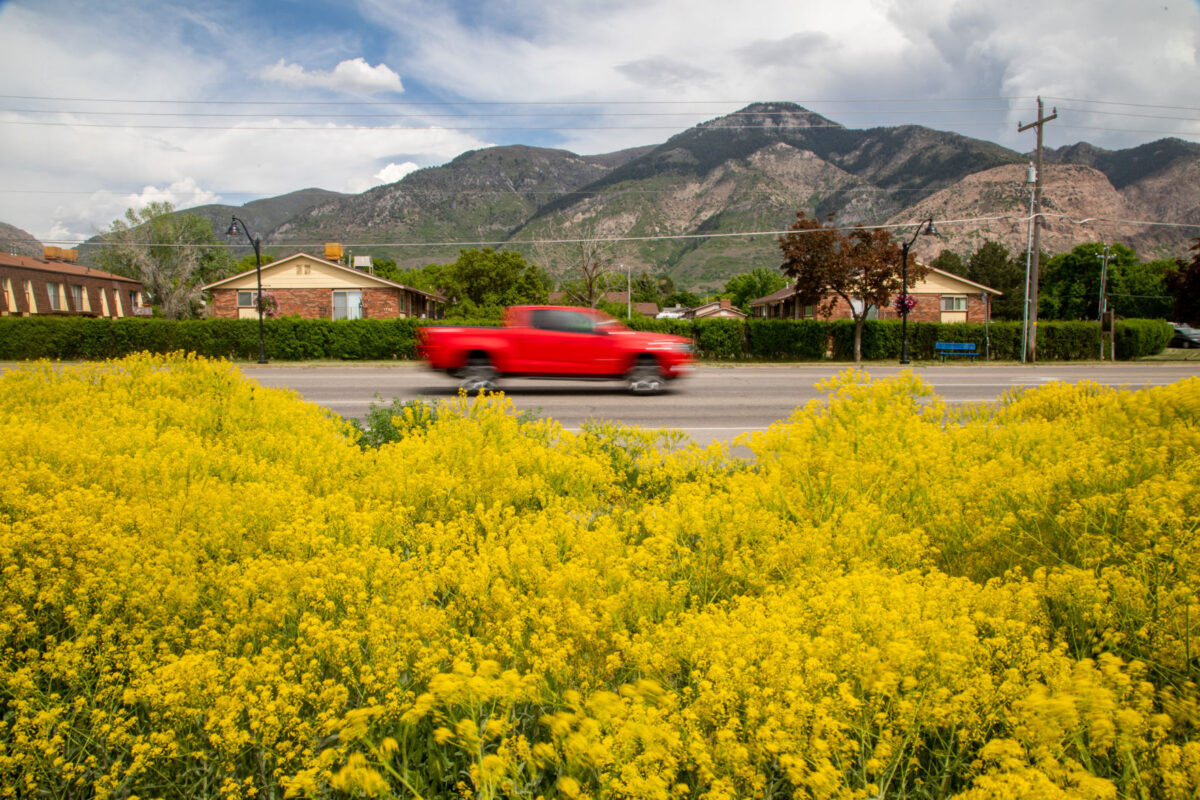
The invasive weed dyer's woad is seen along Washington Boulevard on Monday, May 11, 2020, in North Ogden. Weber County has formed a board tasked with eliminating invasive weeds in the unincorporated corners of the county.
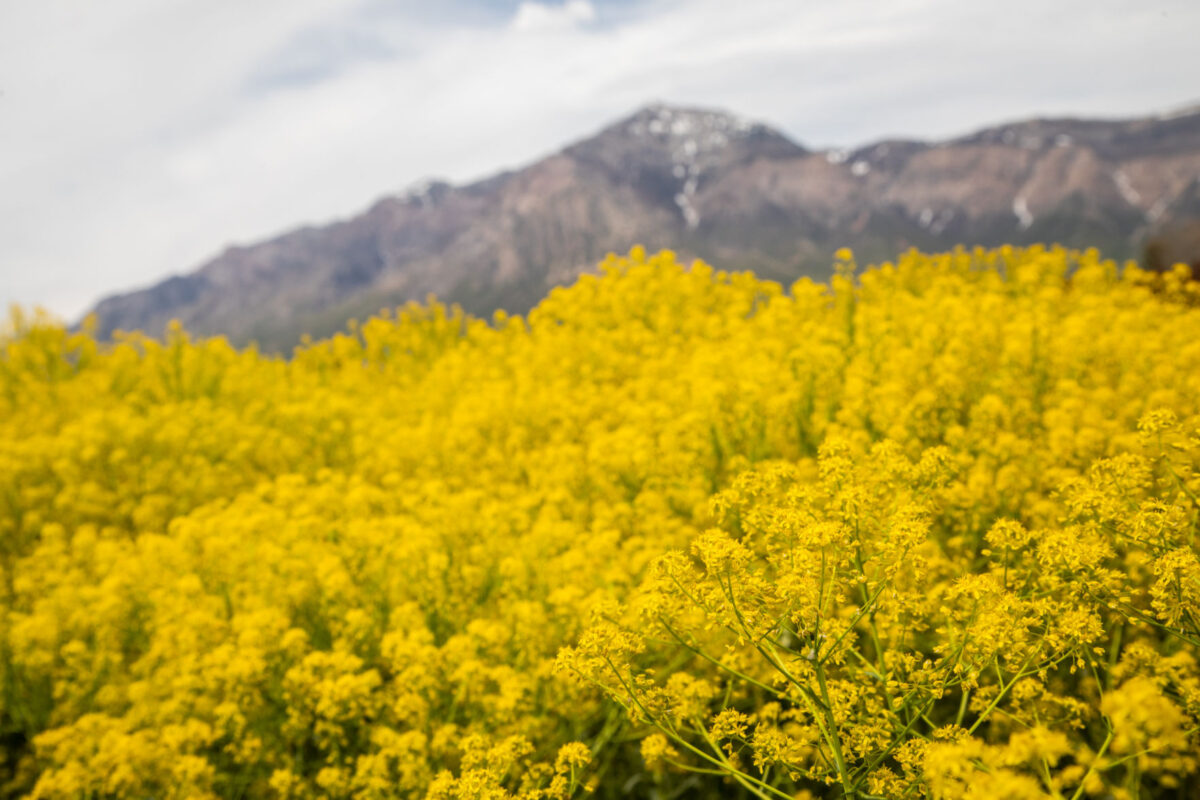
The invasive weed dyer's woad is seen along Washington Boulevard on Monday, May 11, 2020, in North Ogden. Weber County has formed a board tasked with eliminating invasive weeds in the unincorporated corners of the county.
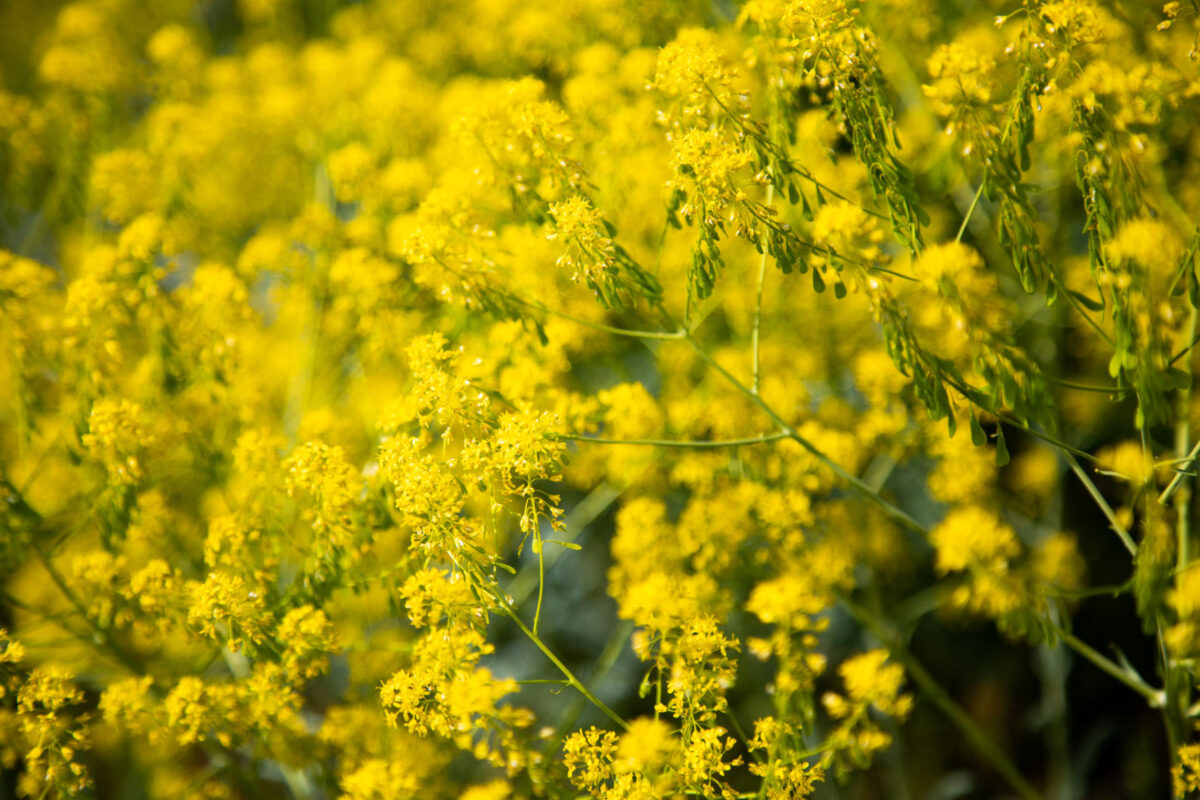
The invasive weed dyer's woad is seen along Washington Boulevard on Monday, May 11, 2020, in North Ogden. Weber County has formed a board tasked with eliminating invasive weeds in the unincorporated corners of the county.
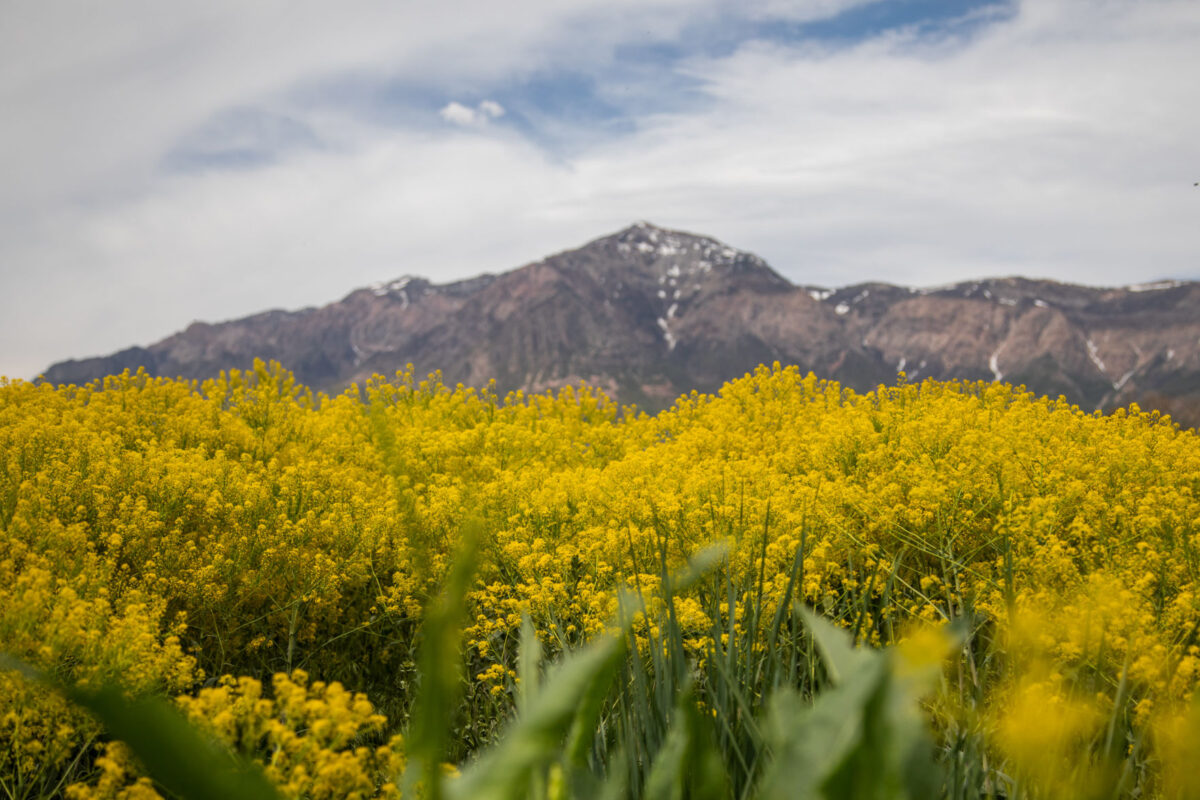
The invasive weed dyer's woad is seen along Washington Boulevard on Monday, May 11, 2020, in North Ogden. Weber County has formed a board tasked with eliminating invasive weeds in the unincorporated corners of the county.
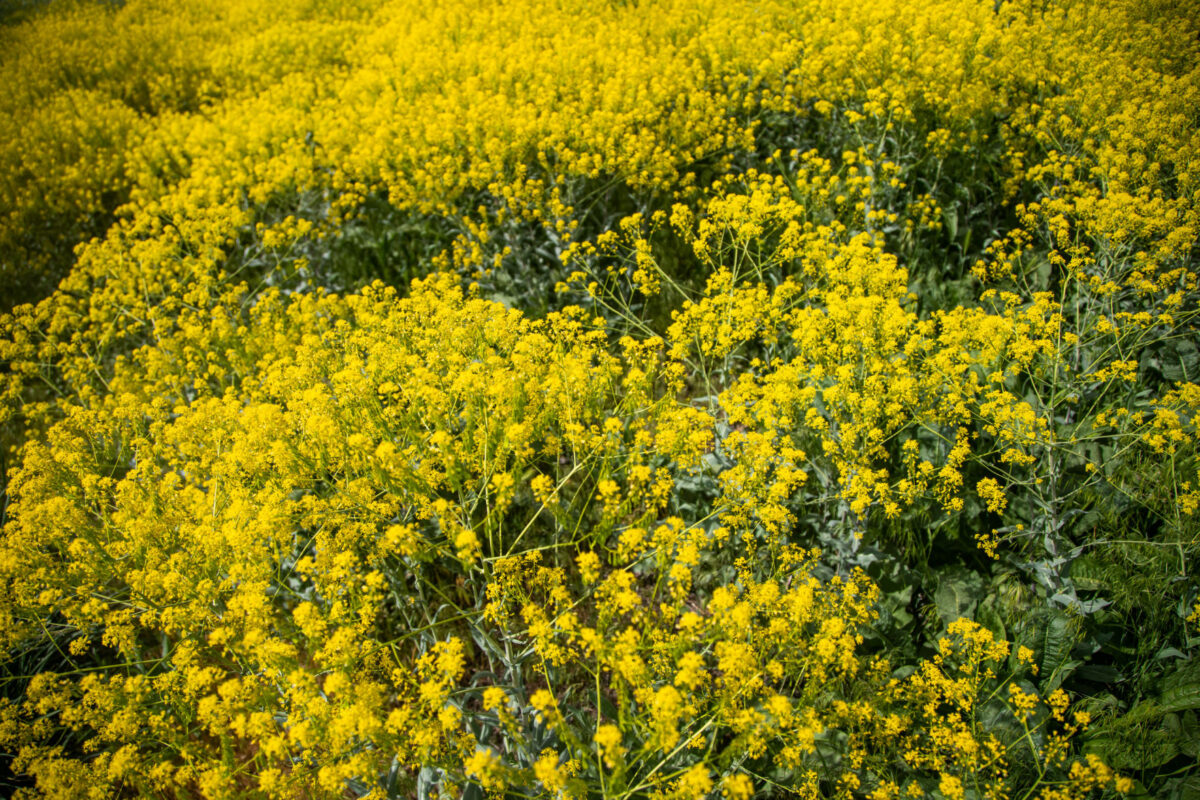
The invasive weed dyer's woad is seen along Washington Boulevard on Monday, May 11, 2020, in North Ogden. Weber County has formed a board tasked with eliminating invasive weeds in the unincorporated corners of the county.
If you haven’t cut that swath of dyer’s woad growing on your land, listen up — Weber County officials may step in and do it for you and later send you the bill.
The brand-new Weber County Noxious Weed Board is up and running, and for the first time, county officials have a means to oblige those with such growth on their property to get rid of the vegetation. Weber County commissioners approved the ordinance last year creating the body, which has authority only in the unincorporated corners of the county, and with the spring growing season here, it’s formally getting into action.
“The primary function of the board is education,” said Weber County Commissioner Gage Froerer, who pressed for the body’s creation in part due to concerns with overgrowth of dyer’s woad in the Ogden Valley.
That is, he hopes the body is able to encourage property owners with noxious weeds on their property to get rid of the overgrowth. “I’m hoping the people, the public will take on the initiative to do it themselves, which most people do,” he said.
If not, though, the new weed board has authority to send letters to property owners requesting that they pull any offending weeds. And if the weeds remain, the body has power to send in county weed officials to handle the task, billing property owners or adding the cost of the work to their property tax bills. Before, the county could ask property owners to get rid of noxious weeds, but officials had no actual authority to oblige them to do so.
Since the weed board, with five representatives, is new, county officials are trying to get the word out about its existence. Froerer underscored its import in a press release that’s part of the educational effort. “It may seem trivial to some, but we take the removal of these weeds very seriously. Without our diligent efforts, these weeds will literally take over the entire landscape of our beautiful county,” he said.
At this early stage — the peak growing season typically starts in early May and goes until the end of June — county officials haven’t had to resort to arm-twisting to get anyone to pull their weeds. But there could be “very limited” enforcement action needed as the season progresses, Froerer said.
Dyer’s woad, characterized by bright yellow flowers, gets a lot of attention, particularly in the Ogden Valley, where it’s been the focus of annual community-wide eradication efforts. But it’s not the only noxious weed on county leaders’ radar screen. Others include phragmites, which grow in western Weber County, sucking water from the soil and preventing other plants from getting moisture, puncture vine, leafy spurt, myrtle spurge and more.
Such weeds are also present inside cities like Ogden and North Ogden. But they aren’t as problematic since there are fewer wide-open areas where such growth can multiply. “Once you’re in Ogden City, there’s not a lot of areas for (dyer’s woad) to thrive in, like an open field,” said Jay Lowder, director of public services for the city.
Still, the weed is on Ogden leaders’ radar screen, too, and present in the East Bench area of the city, where neighborhoods morph into wild mountain terrain. Volunteers and city crews typically help pull it along the trails in the sector.
Monte Stewart, the parks and cemetery manager for Ogden, said signage is typically placed at the city’s trailheads, asking hikers to pull dyer’s woad when they come across it. Dyer’s woad is perhaps the most problematic weed in the city, but he also said puncture vine is a problem along some city trails.
Government
Jon Beesley sees disconnect between Weber County Commission and its cities, residents

Weber County Commissioner Sharon Bolos points to relationships, experience in re-election bid
