
Layton Hills Mall reps optimistic as outlet, parent company emerge from bankruptcy

Layton Hill Malls in Layton is pictured Monday, March 22, 2021.

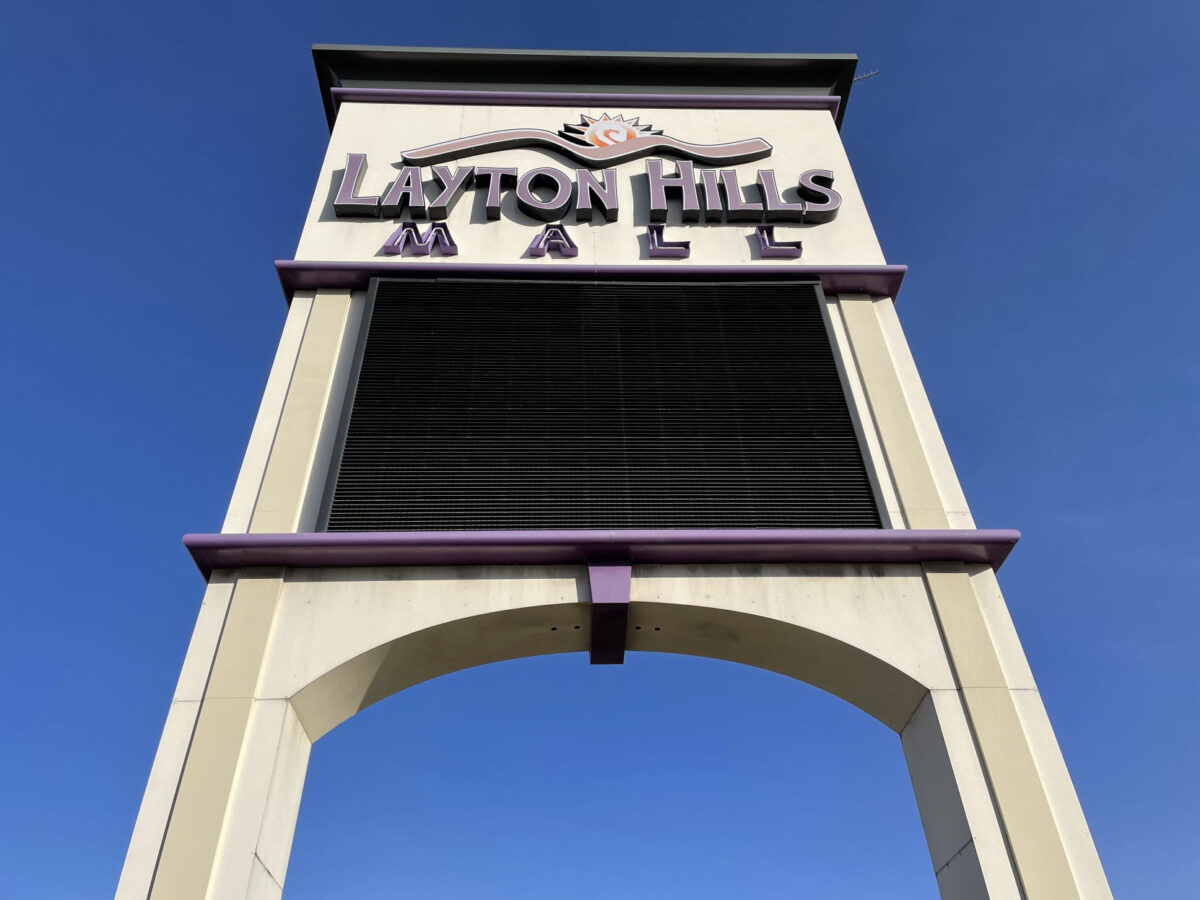
Layton Hill Malls in Layton is pictured Monday, March 22, 2021.
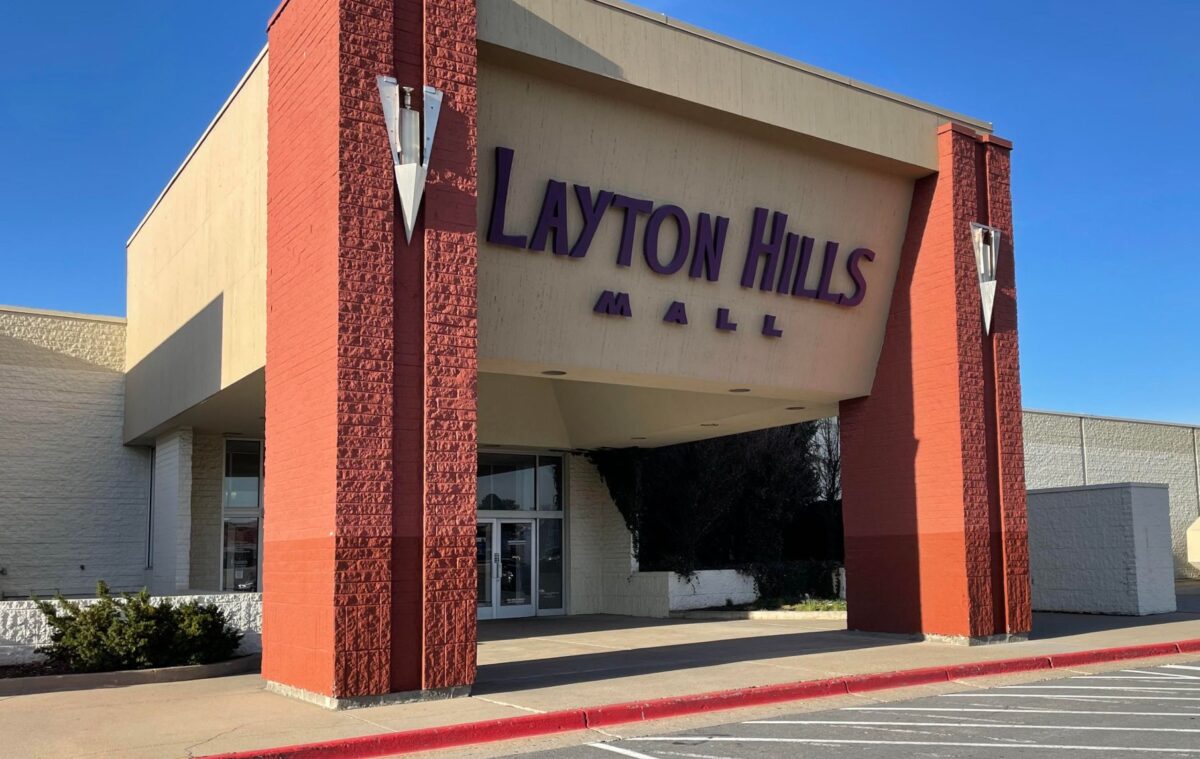
Layton Hill Malls in Layton is pictured Monday, March 22, 2021.

Layton Hill Malls in Layton is pictured Monday, March 22, 2021.
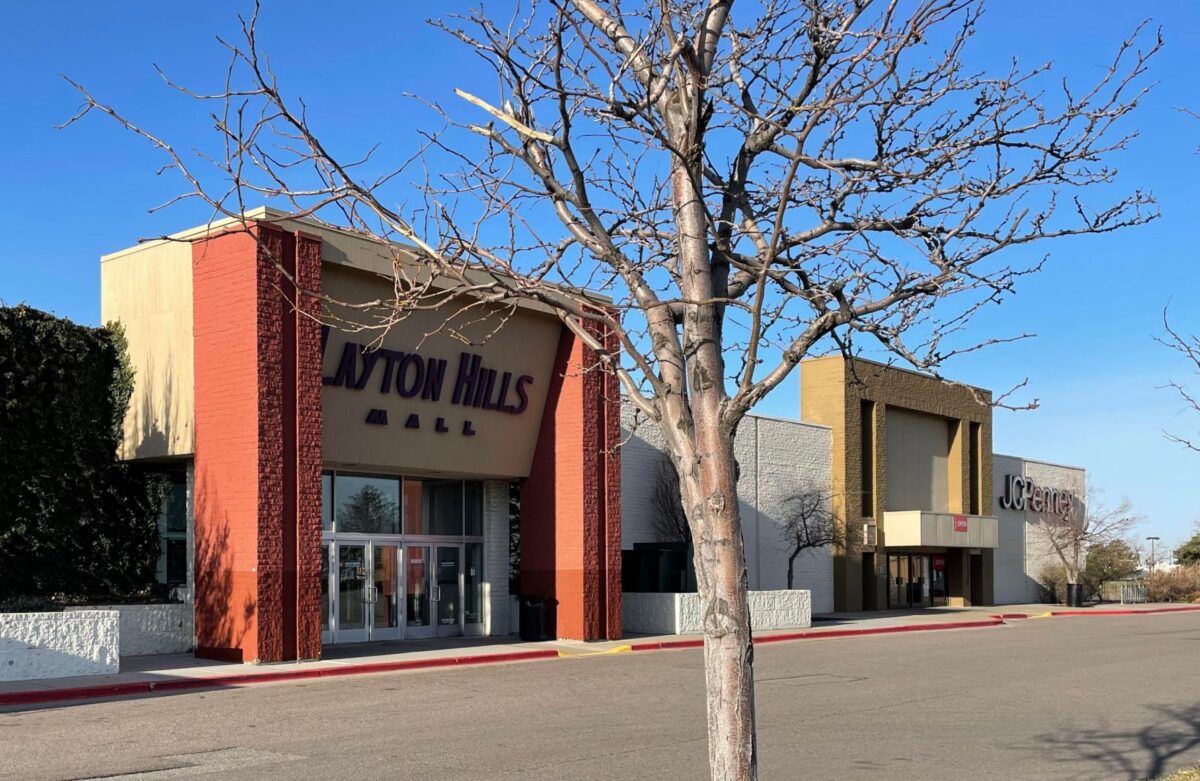
Layton Hill Malls in Layton is pictured Monday, March 22, 2021.
LAYTON — Even as Layton Hills Mall and its parent company restructure via bankruptcy, a representative for the organization offers an optimistic outlook for the future.
With the COVID-19 pandemic seemingly easing, traffic at malls has started to build, according to Stacey Keating, spokesperson for CBL Properties, owner of the Layton mall and numerous others across the country also in bankruptcy proceedings. CBL reps, she went on, expect that to continue.
“Retailers are also reporting that while traffic is down, conversion rates are up — meaning that customers that are coming to the mall are doing so with the intention to buy. We expect that as the year progresses, there will be increased demand from consumers for in-person experiences, in-person shopping and dining,” Keating said.
Beyond that, CBL is eyeing potentially dramatic change to keep with the times, looking to use its malls for more than just retail. The firm announced Monday that it had reached an accord with its lenders to resolve the bankruptcy case, subject to court approval.
“CBL has been working to transform its properties from traditional enclosed malls to suburban town centers that offer a variety of uses including retail, entertainment, dining and other uses. We will continue to execute on this strategy moving forward and will seek to add uses that position our properties for future growth,” Keating said in a message to the Standard-Examiner. Townhouses or apartments, she said, could even be part of the revamped mix at some malls.
What exact change may be in the offing in Layton, though, remains to be seen. CBL, based in Chattanooga, Tennessee, owns 105 properties in 24 states, including 64 enclosed, outlet and open-air malls, and Keating was speaking in general terms about the sort of change the company envisions.
“It is not a one-size-fits-all approach. Each market is very different. But generally speaking, we are working to add nonretail uses to our properties like office space, multi-family housing or hotels,” she said.
Operators of CBL, Layton Hills Mall and numerous other CBL properties filed for Chapter 11 bankruptcy on Nov. 2 last year in U.S. Bankruptcy Court in Houston, Texas. The filings came in the thick of the COVID-19 pandemic that has hurt some brick-and-mortar retail operations and, more generally, as the retail industry morphs, with more and more people shopping online. Just last Friday, Newgate Mall in Ogden was sold at auction for $20 million after the prior owners defaulted on the loan tapped to acquire it in 2016.
Even so, the CBL head sounded an optimistic tone, like Keating, in a statement on Monday announcing the complex details of the accord to settle the bankruptcy case.
“This agreement is a major step forward for CBL’s restructuring plan,” said Stephen D. Lebovitz, chief executive officer of CBL. “With this agreement in hand, we look forward to moving ahead with the court approval and confirmation process and are confident that the restructured company will be in an excellent position to execute on our strategies and return to growth.”
Keating said the changes are part of a long-term strategy and that specifics relative to each CBL location are ongoing. Layton Hills Mall has 636,702 square feet of space and is home to 125 stores, according to data on the CBL website.
Though Layton Hills Mall is privately held, Lon Crowell, deputy director of community and economic development for the City of Layton, said city officials are cognizant of the bankruptcy situation and have been following it.
“It is to our understanding that Layton Hills Mall is one of the better performing malls within CBL Properties’ portfolio. We are optimistic the mall will come out of the restructuring process in a good position and continue to operate well in Layton,” Crowell said. Brick-and-mortar retail operations, he added, have been doing well in Layton and the city experienced record taxable retail sales in 2020.
When CBL, Layton Hills Mall and the other CBL entities filed for bankruptcy last November, CBL Properties described it as a means of restructuring its debt and recapitalizing. Day-to-day operations at its malls were to continue and have continued as normal.
“CBL’s customers, tenants and partners can expect business as usual at all of CBL’s owned and managed properties,” the parent company said at the time of the Nov. 2 filing.
Government

Bob Stevenson highlights mayoral, county-level governing history in House District 16 campaign

Julie Powell highlights ‘high level of expertise’ and ‘years of time of effort’ in campaign for Davis School Board District 3 seat