
Winter blues could be sign of seasonal affective disorder
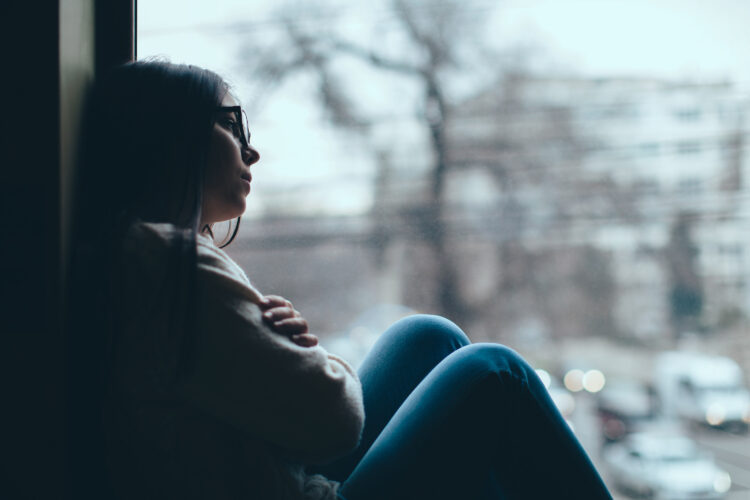
Photo supplied, Adobe Stock
Seasonal affective disorder, a type of depressive disorder based on the season, affects millions of Americans every year.Utah’s four seasons are loved by many, but for some, the shorter sunlit days of winter can cause feelings of hopelessness, depression and fatigue.
Millions of American’s suffer each year from seasonal affective disorder, or SAD, a type of recurrent depression diagnosed primarily in people who live far north or south of the equator, according to the National Institutes of Mental Health. The disorder may be even more compounded this year as the world approaches another pandemic winter.
“It is no longer considered its own diagnosis, and rather is a subtype of major depressive disorder or bipolar disorder,” said Dr. Austin Goebel, a board-certified psychiatrist at Ogden Regional Medical Center. “It’s a type of depressive disorder where people get increasingly depressed based on the season.”
Goebel said usually in late fall or winter, people can begin feeling more tired, less interested in activities, have changes in sleep patterns and experience other symptoms that go along with depression. To be classified as SAD, the depression cannot persist throughout the year and must be related to seasonal changes.
“The most common type is the fall-winter onset where people will get depression in the late fall or early winter and then resolve in the spring,” he said. “Winter is the most common type, but there is also a spring-summer onset type as well. This type resolves in the fall and winter, then returns in the spring. This type is much less common however.”
Goebel said when the days get shorter, our bodies receive less sunlight, which is believed to be the main cause of SAD. Going to work and coming home in the dark while being inside all day leads to very little light exposure.
“The differences in light and dark drive several systems in our body such as our circadian rhythm,” he said. “Other parts of our brain, which may play a major role in our mood, are also highly affected by light. Unfortunately, some people are just more affected by these changes, whereas others do not seem to have the same problem where it leads to depression.”
Goebel said it’s important for people not to just “tough it out” and wait for the weather to get warmer. Instead, he said, consider things like antidepressants, psychotherapy or light therapy.
“If you feel like you may be struggling with this but are concerned about taking medication, light therapy can be a great option to try first,” he said. “I have seen many people who have (light therapy boxes) on their desks at work and have reported they work well.”
Light therapy, also known as phototherapy, requires a light therapy box that mimics natural outdoor light. There are different types of light therapy, but blue light therapy seems to work best for SAD, according to the Cleveland Clinic. Talk to your doctor before purchasing a light box, as side effects such as headache, nausea, dizziness and eye strain can occur.
Local News
The Church of Jesus Christ of Latter-day Saints contributes semi full of food to Ogden’s Joyce Hansen Hall Food Bank as part of America250 celebration

Post Consumer Brands’ Tremonton plant makes major donation to Tremonton Food Pantry
