
Here’s why bears are showing up in Wasatch Front neighborhoods this summer
-
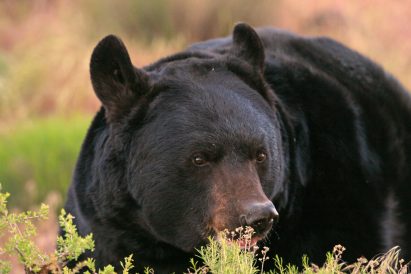
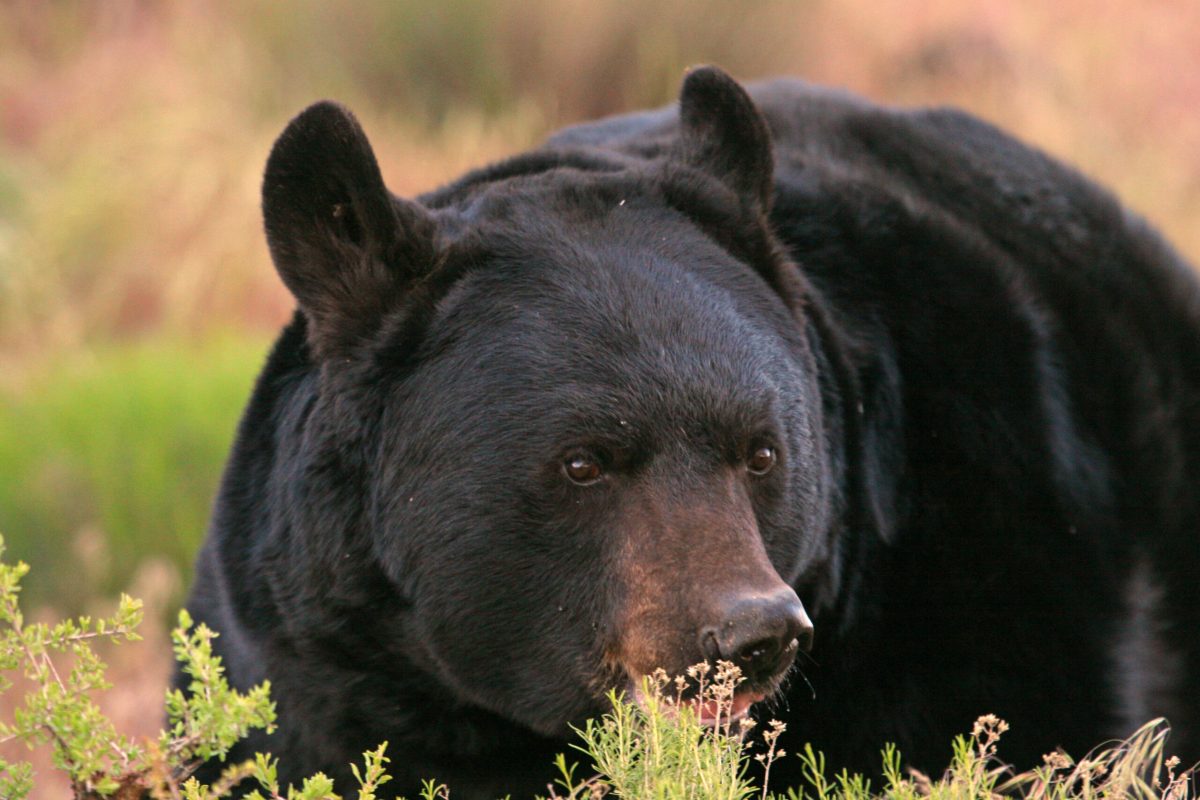
- A black bear is pictured in Utah in an undated photo.
-
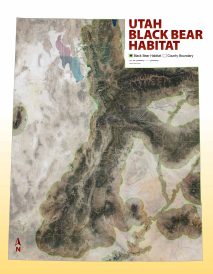
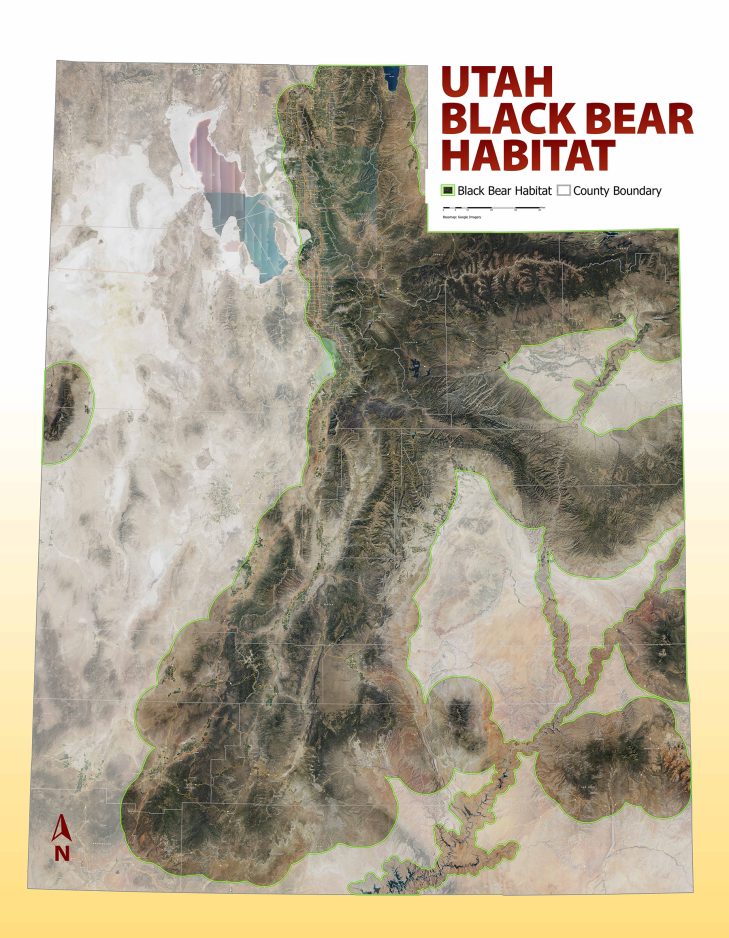
- A map of where black bears live in Utah.
Courtesy Utah Division of Wildlife Resources
A black bear is pictured in Utah in an undated photo.
Reported bear sightings are uncommon events across the Wasatch Front. That is, until this month.
Last week alone, bear sightings in Provo, Springville, Payson and Logan reminded residents that living alongside the mountains means being in close proximity to wildlife.
These drop-in visits are not coincidental, according to Chad Wilson, a game mammals coordinator with the Utah Division of Wildlife Resources.
He said last year’s light winter, followed by a late freeze that killed crops, and an ongoing drought, have all contributed to a scarcity of food. That forces bears to expand their search radius.
“Bears are probably just searching a little bit more than they used to have to to try to find food,” Wilson said. “It’s not a good year to be a bear. It’s rough for them out there right now. This is for sure not a normal year.”
Courtesy Utah Division of Wildlife Resources
A map of where black bears live in Utah.
During these extenuating circumstances, humans can do their part to avoid attracting bears, according to Wilson. He said trash that is laid out, pet food and even grills or bird feeders can attract a hungry bear.
“So if we can keep those things buttoned up a little bit better, get less attractants for them, I think that that’s ultimately what we’d like to see at the beginning,” he said.
For those who do encounter bears, Wilson said it is important to stay big, make noise, not flee and stand your ground.
“Even if it comes and attacks you, fight back,” He said. “Even if you don’t have anything in your hands, just do whatever you can to punch or kick, whatever you can to fend it off.”
The good news, however, is bears usually want to avoid an interaction as much as you do, according to Wilson, and there have not been any attacks on people.
Where the bears are
The sightings come at a time when trends suggest the bears are spreading out to places they haven’t been before in the state, Wilson said.
While the data is difficult to track, he said most bears are found in the southeast, around the La Sal Mountains, or in the northeast, but that their numbers are gaining in the Wasatch Mountains.
There could be a number of factors behind the migration patterns.
“They could’ve eaten a lot of the food out of (one place) so they’re moving on to another place,” he said. “There could be densities of bears in a small area that some of them are like, ‘There’s too many here, gotta go.’ Potentially, it could be hunting pressure, if a bunch of them are getting hunted in a spot.”
How DWR responds
When DWR received a report that a bear is in a human area, Wilson said its first goal is to ensure everyone is safe. With help from local authorities, he said they try to get their eyes on the bear as fast as possible and contain it in an area where they can remove it.
To tranquilize it, they shoot a dart at it. They then check the bear’s body condition before making a decision on what to do with it. The bear found in Logan last week was euthanized. The one in Provo was relocated.
When choosing to relocate the bear, Wilson said wildlife authorities want to take the bear far away from where they capture it.
“We try to not put it in places where it would go back and get in trouble with people, like avoid campgrounds,” he said. “We don’t want it to be causing livestock producers trouble, so like if there’s a sheep herd out somewhere, we don’t put them where sheep are.”
Local News
Antelope Island State Park celebrates expanded visitor center

Utah House speaker ‘extremely disappointed’ in how JCC handled Hagen investigation