Property taxes explained: Entities, inflation and service levels
-
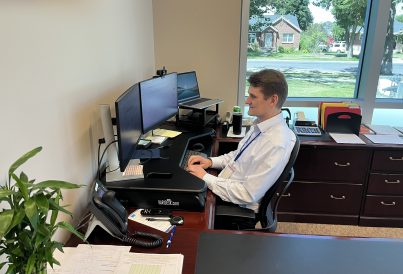
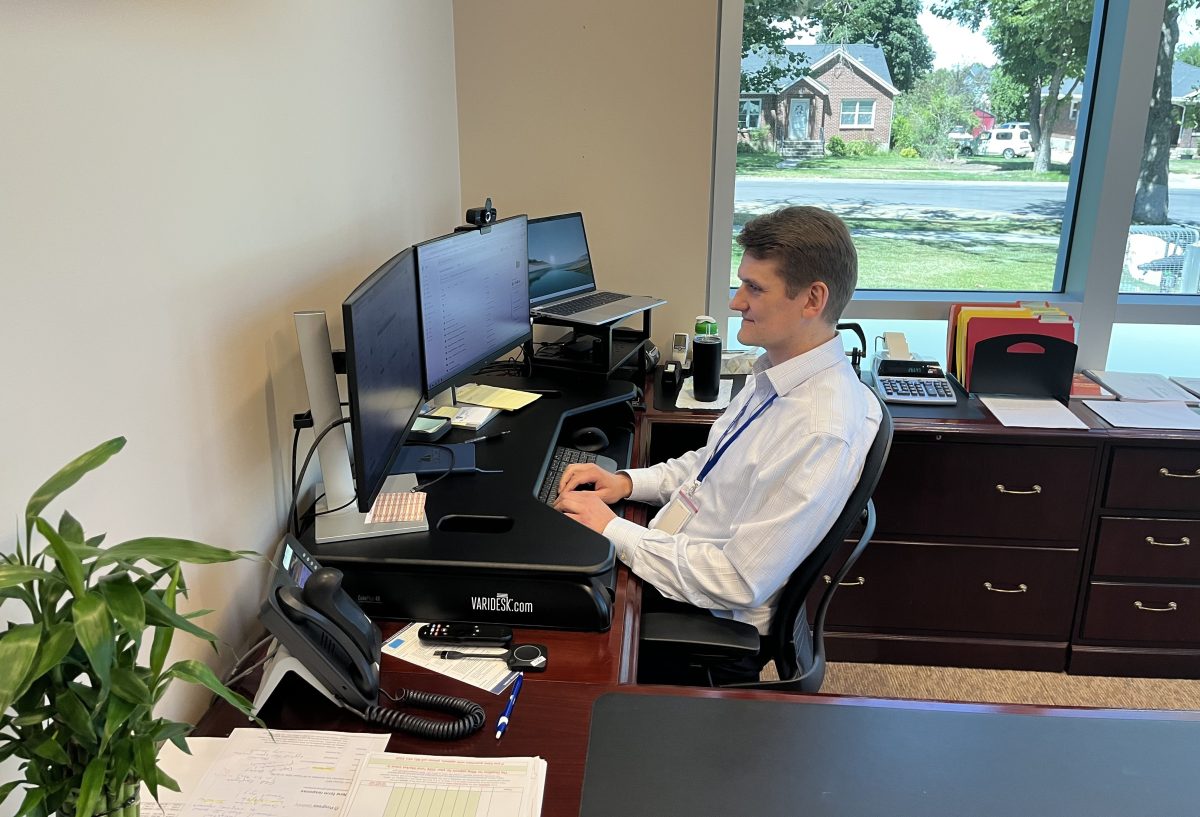
- Davis County Controller Scott Parke at his computer in his office at the Davis County Administrative Building in Farmington on Thursday, June 18, 2026.
-
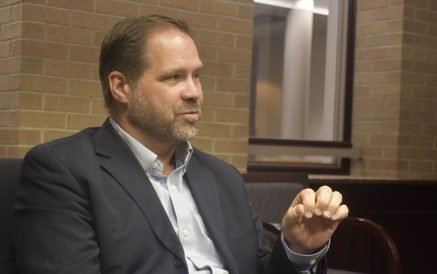
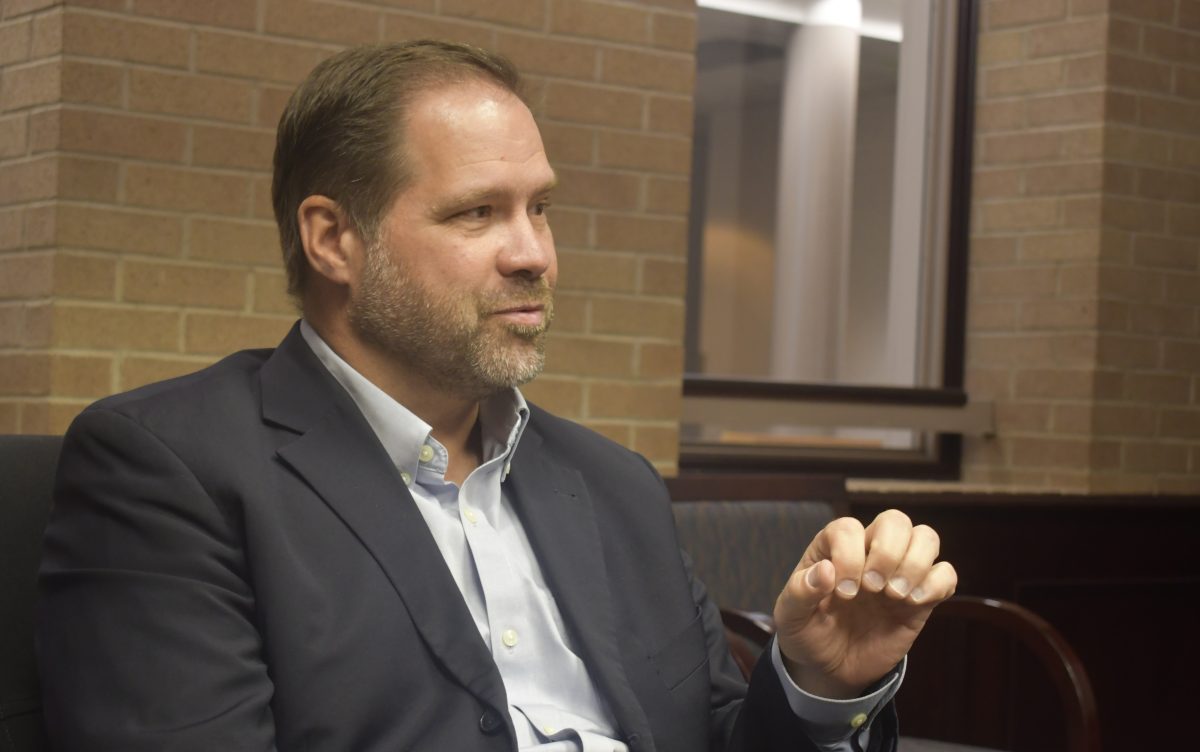
- Weber County Clerk/Auditor Ricky Hatch speaks with the Standard-Examiner editorial board at the Standard-Examiner in Ogden on Wednesday, June 3, 2026.
Ryan Comer, Standard-Examiner
Davis County Controller Scott Parke at his computer in his office at the Davis County Administrative Building in Farmington on Thursday, June 18, 2026.
The following is part two in a two-part explainer on property taxes.
In separate wide-ranging interviews with the Standard-Examiner, Davis County Controller Scott Parke and Weber County Clerk/Auditor Ricky Hatch discussed property taxes.
Components of a property tax bill
A look at a property tax bill reveals how property taxes are broken up. Examples of taxing entities include the school district, the county, the city, the library, the water district, the mosquito control district and the sewer district.
Parke compared a property tax bill to what happens when someone goes to the grocery store.
Jared Lloyd, Standard-Examiner
Weber County Clerk/Auditor Ricky Hatch speaks with the Standard-Examiner editorial board at the Standard-Examiner in Ogden on Wednesday, June 3, 2026.
“When you go to the grocery store, you’re putting eggs in your cart, you’re putting milk, you’re putting bread, and the baker doesn’t control how much eggs cost, and the egg farmer doesn’t control how much milk costs,” he said. “But at the end of the day, when you go to the checkout and eggs have doubled in prices, you’re looking at your total grocery bill and you’re saying, ‘My total grocery bill’s gone up.’ And you go and you talk to the baker and you say, ‘Baker, my total grocery bill’s gone up.’ He’s like, ‘I have nothing to do with (that)’ And you’re like, ‘How can you say you have nothing to do with it? Here’s my receipt from the grocery bill. It’s gone up. My total’s higher than what it was before.’ And the baker looks at it and says, ‘Well, that’s because the price of eggs went up. I don’t have anything to do with the price of eggs.’ But to the consumer, they don’t care that it’s not the baker raising the rates. They just care that their total grocery bill has gone up.'”
In addressing the various taxing entities, Hatch noted another misconception and referenced Ogden Valley City.
“They said, ‘We’re going to raise taxes 519%.’ People say, ‘Well, I’m paying $4,000 as it is; now it’s going to be $20,000?'” he said. “No. That’s 519% on the city portion of their property tax, which in Weber County generally is about 15% to 25% of the total.”
Inflation and service levels
Parke explained how property tax revenues are affected by inflation, what governments do as a result and the impact of reducing taxes on service levels.
“Property tax revenue does not automatically adjust for inflation,” he said. “Over time, fixed revenues lose purchasing power while operational costs like insurance, fuel and competitive wages continue to rise. Because incremental adjustments are politically difficult, governments often delay tax increases until their purchasing power is exhausted. This results in infrequent but larger ‘catch-up’ tax hikes just to maintain existing operations.
“Reducing taxes isn’t a simple matter of cutting waste; it fundamentally impacts service delivery. You can lower costs by reducing staff, but the public trade-off means a citizen might wait longer for a response to an issue or emergency response times might slow down. Everyone wants lower taxes until it directly degrades the specific county services they rely on.”
Nevertheless, Parke said government shouldn’t receive “a free pass to raise taxes” because of inflation.
“We must constantly review our operations and ask whether our historical level of service is still the right level,” he said. “Before asking taxpayers for more money, leadership has an obligation to look at what services we can responsibly scale back to keep taxes manageable.
“County commissioners are tasked with threading the needle between the level of service the community expects and the tax rate they are willing to accept. They have to balance the constant, competing demands of keeping taxes low while keeping service quality high.”
The importance of understanding property tax mechanics
Hatch said there’s a difference in his understanding from before he became an elected official and now.
“I remember before I became an elected official, you see stuff, you see stuff on the news, or you hear about something that a government has done, and it ticks you off,” he said. “You get irate because it’s like, ‘How can they do that? That’s the dumbest thing ever.’
“The thing that I learned is there are two sides to every story, and I was shocked – the stuff that I thought was just the worst, almost unconstitutional, dishonest, greedy, everything that I could think of that government was doing. All of a sudden, I get in and I’m like, ‘Oh, oh, they have to do that because it’s state law.’ Or, ‘They have to do that because they have to protect people who are in this kind of situation.’ And all of a sudden, it makes sense. Now, anytime I hear a headline or someone says, this is egregious, shocking, distasteful, I always step back and say, ‘I bet there’s another side to that story.'”
Contact Standard-Examiner editor Ryan Comer at rcomer@standard.net.