CRIMMEL: Finding the light when 6 p.m. feels like midnight

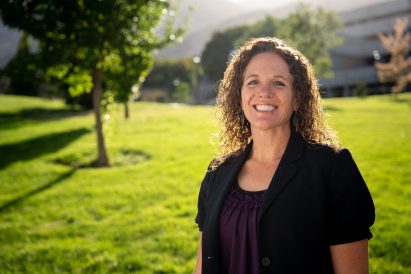
Photo supplied, Weber State University
Hal CrimmelFor the last two months, I’ve pondered the importance of light, literally and metaphorically. On Nov. 2, daylight saving time ended and the clocks were set back by one hour. It’s not much; really, just one hour. But ever since, 6 p.m. has felt like midnight. I don’t remember acutely feeling the time change in past years.
Shortening days also likely contributed to that disorienting middle-of-the-night feeling at dinnertime. In early November, we were losing about two and a half minutes of daylight every 24 hours. By mid-December, this daily loss had slowed to a few seconds in advance of the northern hemisphere’s winter solstice on Dec. 21. Then, the earth’s axis neared its maximum tilt away from the sun, and the loss of daylight stopped.
As I write this, on the solstice, with darkness falling fast, I’m glad the sun won’t further disappear. Today it will pause, so to speak, before additional light begins creeping back on the 22 — adding three seconds to the previous day’s tally. Those extra seconds are certainly not noticeable, but it’s the thought that counts. This concept may come in handy, by the way, this holiday season, should you receive presents such as the plastic switchblade-style comb that came my way at a family pre-holiday present exchange. It’s. The. Thought. That. Counts.
Anyway. Imagine living in Fairbanks, Alaska. That’s a cold dark row to hoe. On the solstice, Fairbanks gets less than four hours of daylight. As an added bonus, this year light-starved citizens experienced a numbing low of -37 F, windchill not included. Other Alaskans, living well north of the Arctic Circle, don’t see the sun for months.
Northern Utah doesn’t have it so bad, all things considered. When I lived in Maine, on the far edge of the Eastern time zone, the sun set before 4 p.m.! Utah is fortunate to be on the western edge of the Mountain time zone. It stays light later here than it does east of the parallel running south from the Dakotas, which marks where our time zone starts.
I can’t complain, but sometimes I still do, as the Joe Walsh song goes. It really does get dark fast this time of year. And stays that way a long time.
I find that a little claustrophobic. When I lived in Minnesota, Boundary Waters winter camping offered an antidote. Facing the solstice dark and cold with minimal gear provided old-fashioned keep-busy therapy, unsettling as it often was. Camped one night at 20 below zero, the lake ice beneath the tent ominously boomed and groaned, like some dark spirit. ‘Twas a restless night. There were a few uneasy jokes about the foot-thick ice cracking apart and the tent sinking into the freezing black water. But at least we’d be trapped in our cozy down sleeping bags. Such cheery thoughts!
But there’s magic in the haunting sounds of ice expanding as temperatures fall. You could say the ice was alive, in a way. Brilliant starlight and animal tracks in the snow contributed to a mystical experience in which living things, water and a sky pregnant with the rebound of the sun were linked.
Ancient societies likewise focused on this important astronomical event. The Romans celebrated the beginning of the sun’s return in a pagan festival called Dies Natalis Solis Invicti, Latin for “Birthday of the Unconquered Sun.” In the American Southwest, Ancestral Puebloans carefully observed the days leading up to the sun’s standstill. Archaeoastronomers have discovered sophisticated stone slabs and spirals carved into rocks in New Mexico’s Chaco Canyon that precisely measure solstices. Modern descendants, such as the Hopi, celebrate a multiday winter solstice ceremony.
The need to celebrate light is as hardwired as it is full of metaphor. Today’s decorative lights offer more than holiday cheer, I think. They reveal human vulnerability as well as human optimism. The Gospel of John speaks of the light that “shines in the darkness” and reminds us that “the darkness did not overcome it.” Holiday lights are a reminder of the need to share that metaphorical light with others, as this can be a profoundly lonely time of the year. I think of Robert Frost’s moving solstice tribute “Stopping by Woods on a Snowy Evening,” with its beautiful tension between existential loneliness and human obligation. Or of Ernest Hemingway’s masterful story “A Clean, Well-Lighted Place,” pointing out the unifying arcs of human life — youth and old age, light and shadow, companionship and loneliness, in a reminder to provide “light” for those needing hope.
The commercialization of the season can distract from these thoughts. Maybe that’s the point. But try stepping outside and feel connected to the sun as it struggles back from its nadir. Ponder the lives of birds and animals and their adaptation to winter. Share a laugh with a friend. All are forms of light therapy.
And if that’s not enough, bust out the sleeping bags and try backyard winter camping. You may welcome focusing on the elemental task of trying to keep warm. The hands are especially important. Keep them working to make the most out of those holiday gifts you really don’t need. Then tilt your head to the sky and be grateful for the real gift, light, in all its variations.
Hal Crimmel is a Brady Presidential Distinguished Professor of English who served for nine years as chair of the English department at Weber State University. This commentary is provided through a partnership with Weber State. The views expressed by the author do not necessarily represent the institutional values or positions of the university.