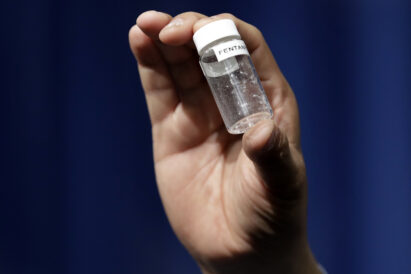
North Ogden man convicted in babysitter’s overdose death loses court appeal

Eric Millerberg appears before the Second District Court in Ogden Monday, April 9, 2012.(MATTHEW ARDEN HATFIElD/Standard-Examiner)
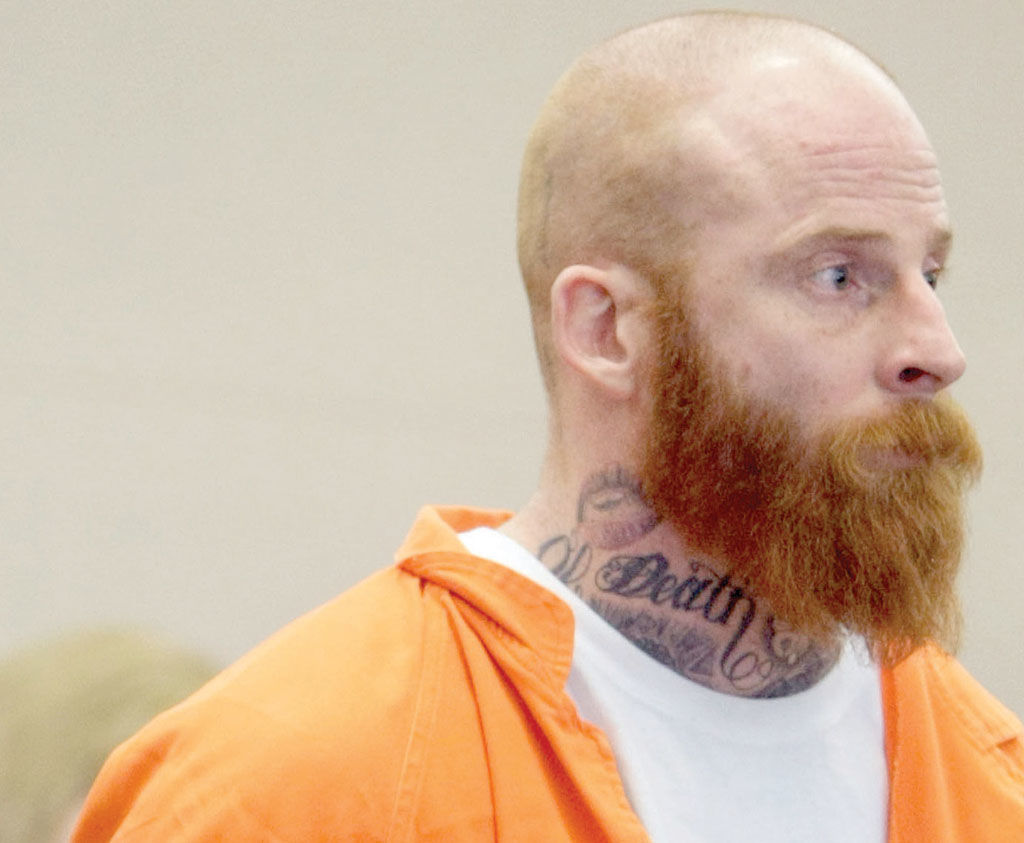
Eric Millerberg is covered with tattoos. His Weber County Jail booking information lists 25 tattoos, many of them related to Millerberg's membership in a white supremacist gang and his adoration of Adolph Hitler. (Standard-Examiner file photo)(Contributed photo)
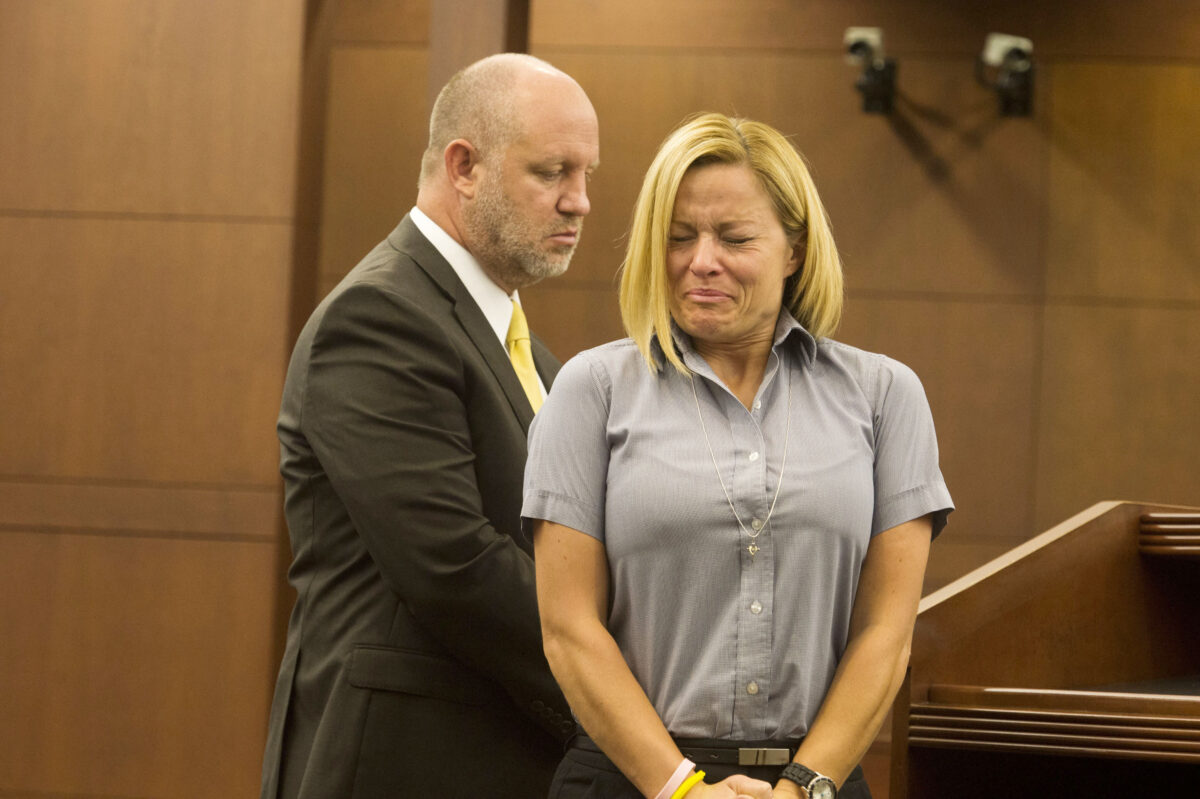
Dea Millerberg makes a statement in Second District Court during her sentencing in Ogden, Utah, Thursday, August 21, 2014. Millerberg pleaded guilty to helping hide the body of her teen babysitter who overdosed on drugs at her house. Attorney Michael D. Bouwhuis is on the left.
SALT LAKE CITY — A man convicted of fatally injecting a North Ogden teenager with heroin and methamphetamine and dumping her body in Morgan County woods has lost his bid to overturn the child abuse homicide verdict against him.
The Utah Court of Appeals ruled Friday, Feb. 23, that Eric Millerberg, now 42, did not receive ineffective defense counsel when a 2nd District Court jury convicted him in the Sept. 10, 2011, death of Alexis Rasmussen, 16.
RELATED: Five to life sentence for Millerberg in death of 16-year-old babysitter
Prosecutors said Millerberg injected Rasmussen with drugs, had sex with her and disposed of her body after she overdosed.
Judge Scott Hadley in 2014 sentenced Millerberg to five years to life in state prison. According to Utah Board of Pardons and Parole records, Millerberg is not due for an initial parole hearing until October 2046.
Hadley also sentenced Millerberg to consecutive terms of one to 15 years for obstruction of justice and zero to five years each for sexual misconduct with a minor and desecration of a body.
Story continues below photo.

Photo supplied
A photo from the “Bring Alexis Home” Facebook page of missing North Ogden teen Alexis Rasmussen, 16, from 2011. She died of a narcotics overdose and Eric Millerberg was convicted in the death.
Millerberg’s appeal attorney, Samuel Newton, argued that Millerberg’s public defender, Randall Marshall, failed to sufficiently pursue a change of venue for the trial due to extensive news coverage of the crime.
Newton also asserted that the public defender failed to present evidence from Millerberg’s computer that the defendant contended would support his claim that he was online while his wife, Dea Millerberg, injected Rasmussen.
Dea Millerberg is scheduled to be paroled Dec. 11, 2018. She received two zero to five year sentences for helping Millerberg dispose of Rasmussen’s body and covering up the crime.
The appeals court judges said Newton failed “to show that any actual juror was biased” by pretrial publicity. It pointed out that Marshall actively investigated potential sources of bias during jury selection.
Marshall also pursued the computer records “in an effort to impeach Dea’s testimony and timeline, and to essentially provide an alibi for Millerberg if it could be shown that he was actively on the computer at relevant times,” the appeals court opinion said.
The records showed Millerberg had checked his grades on a community college website and was logged in for 46 minutes. But the court said the computer records did not indicate when Millerberg logged in “and regardless, were not inconsistent with Dea’s testimony or Millerberg’s own statements to police.”
Dea Millerberg testified at her husband’s trial that she watched him fill syringes with drugs and inject her in the neck. The court said Millernerg later admitted to a jail cellmate that he had injected Rasmussen with drugs.
Efforts to contact Newton were not immediately successful Monday.
You can reach reporter Mark Shenefelt at mshenefelt@standard.net. Follow him on Twitter at @mshenefelt and like him on Facebook at Facebook.com/SEMarkShenefelt.
Courts

3 former Hill Air Force Base daycare providers charged with simple assault against toddlers, young children
3 Northern Utah residents indicted with credit union robbery charges over alleged gambling debt