
Meet the Shoshone event educates public on history of area
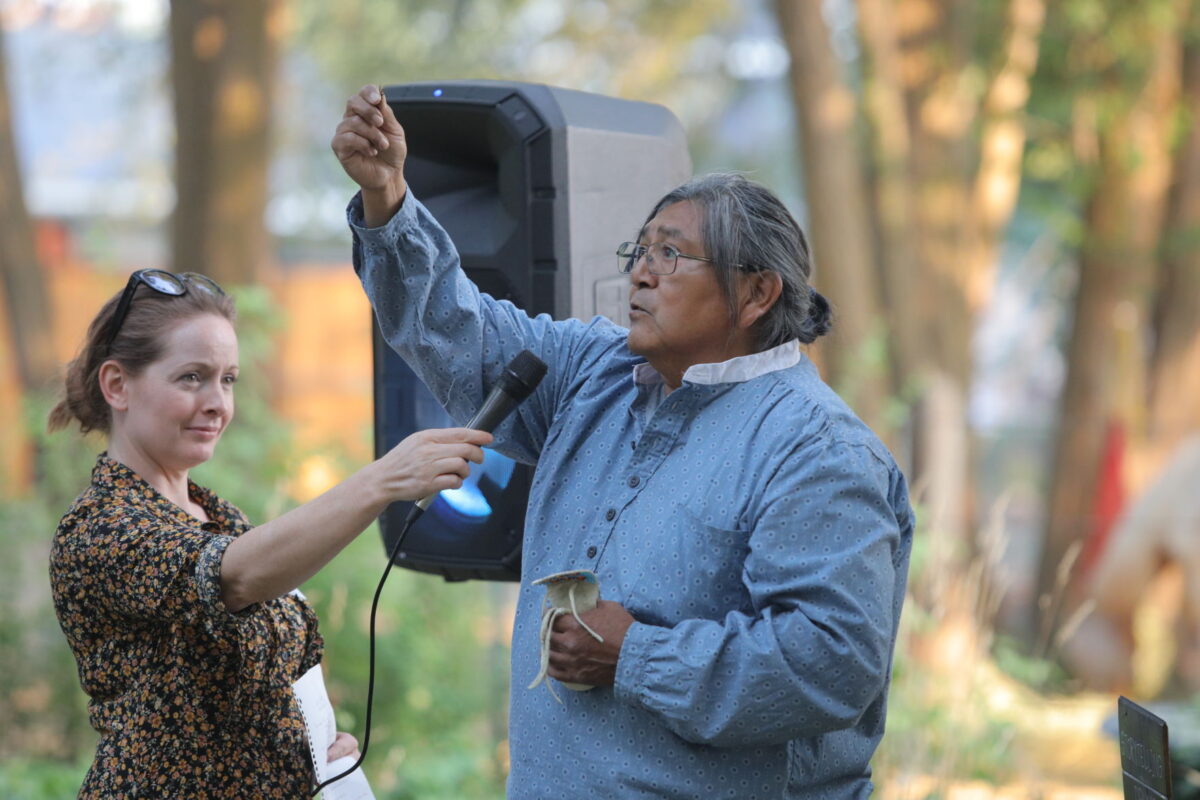
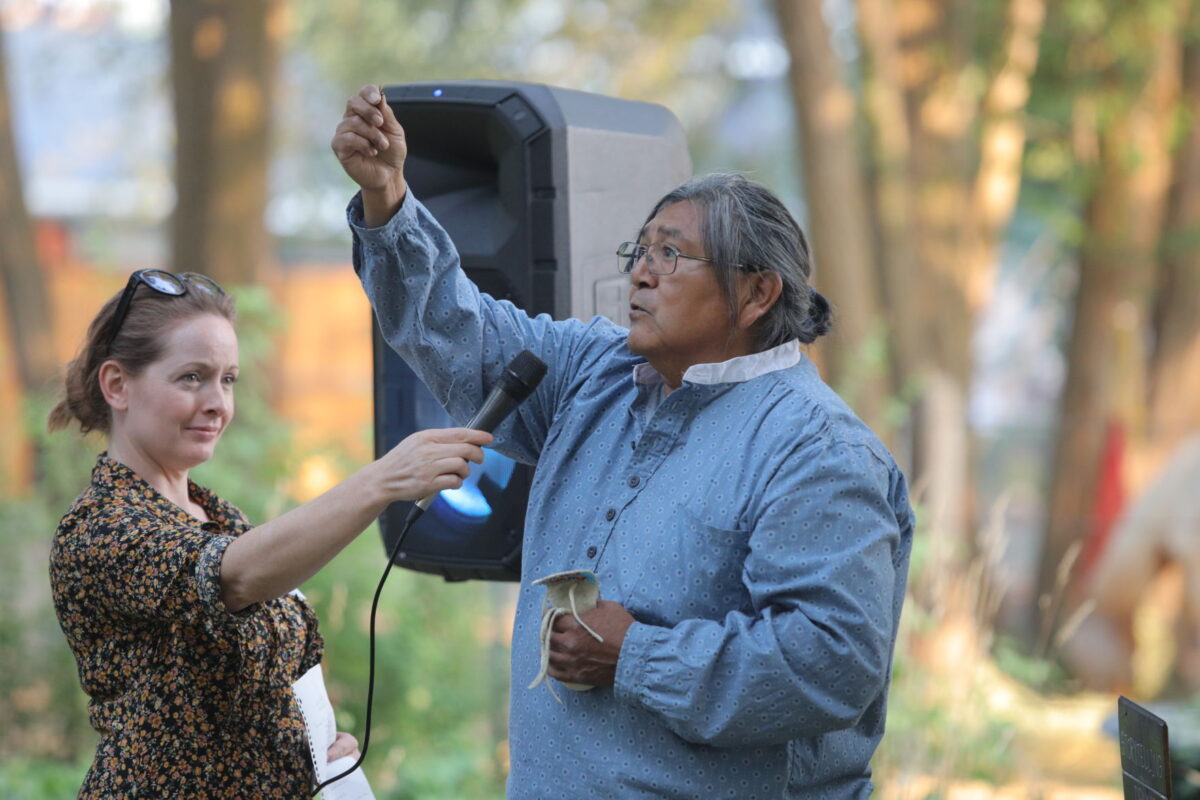
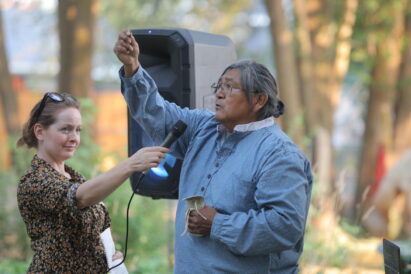
Shoshone tribe member Rios Pacheco, right, gives a blessing at the Meet the Shoshone event at Stone Farm on Saturday, Aug. 7, 2021, as Katie Nelson, executive director of the Weber County Heritage Foundation, holds a microphone for him.
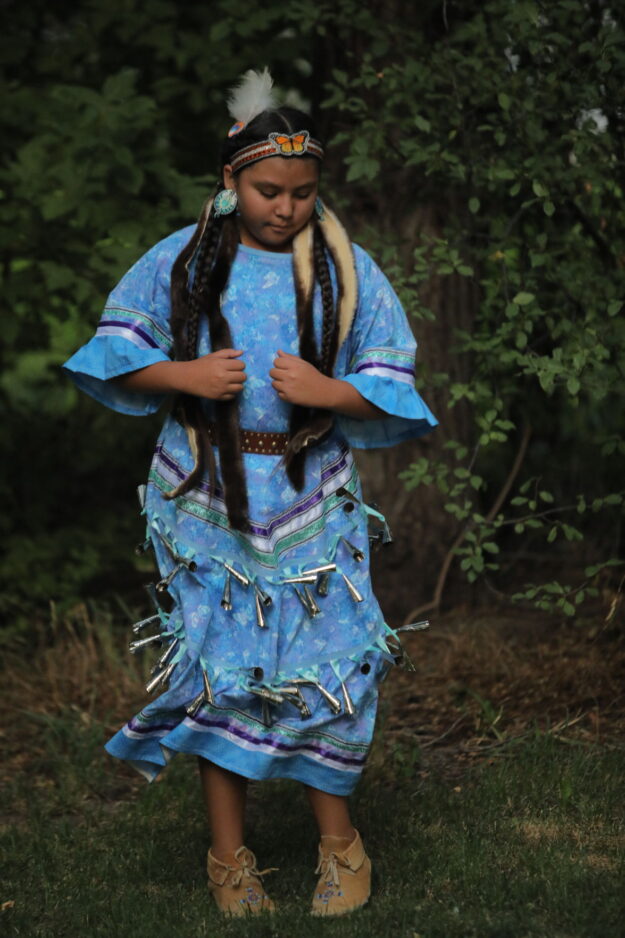
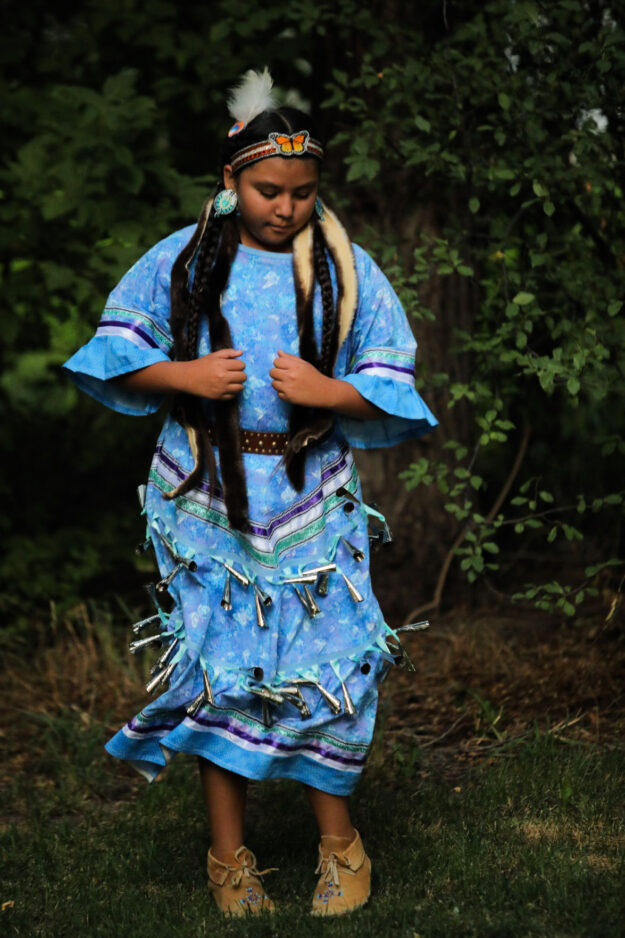
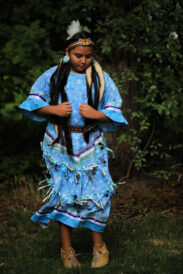
Starlynn Osborne performs a tribal dance at the Meet the Shoshone event at Stone Farm on Saturday, Aug. 7, 2021.
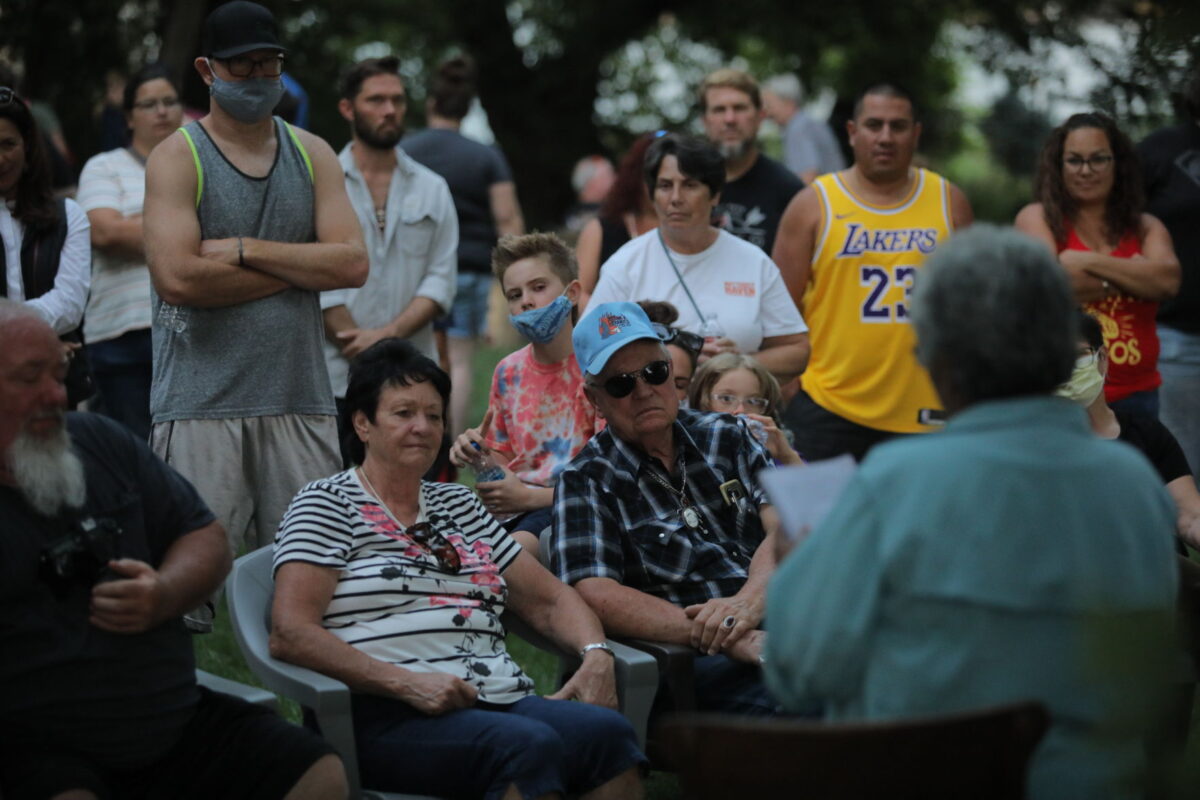
A crowd watches speakers at the Meet the Shoshone event at Stone Farm on Saturday, Aug. 7, 2021.
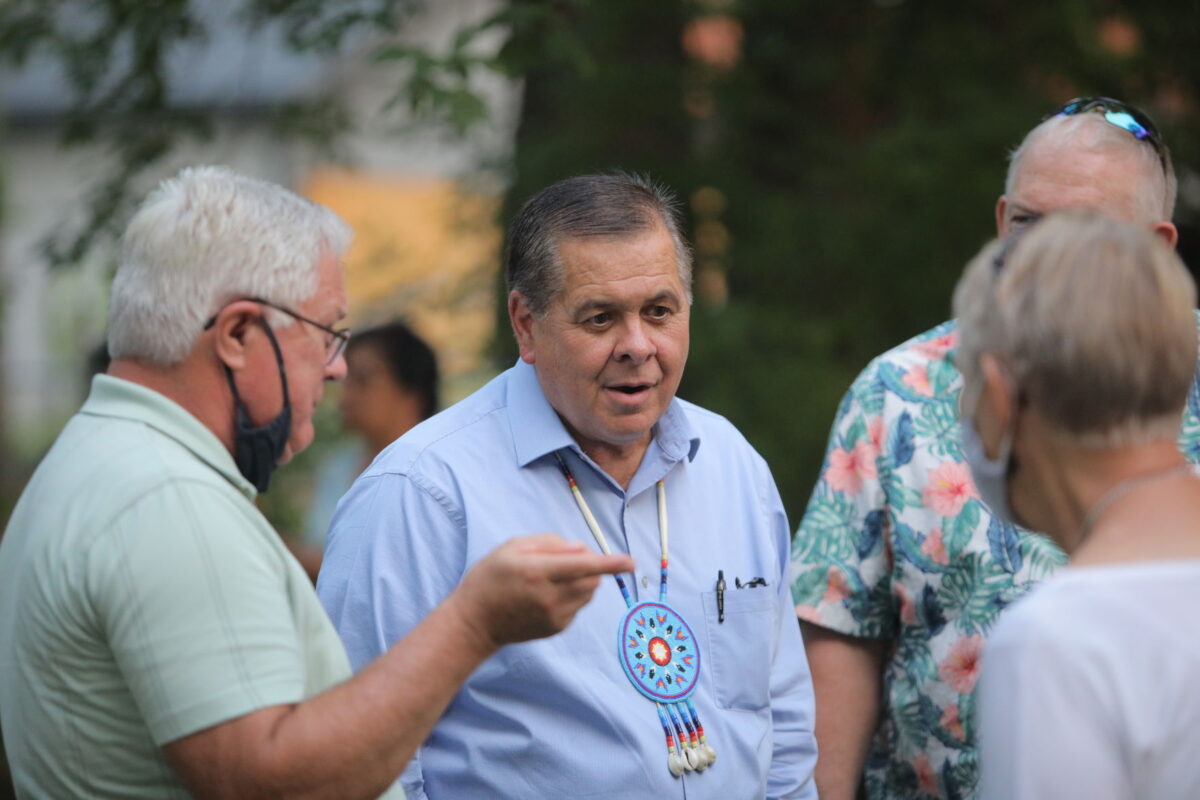
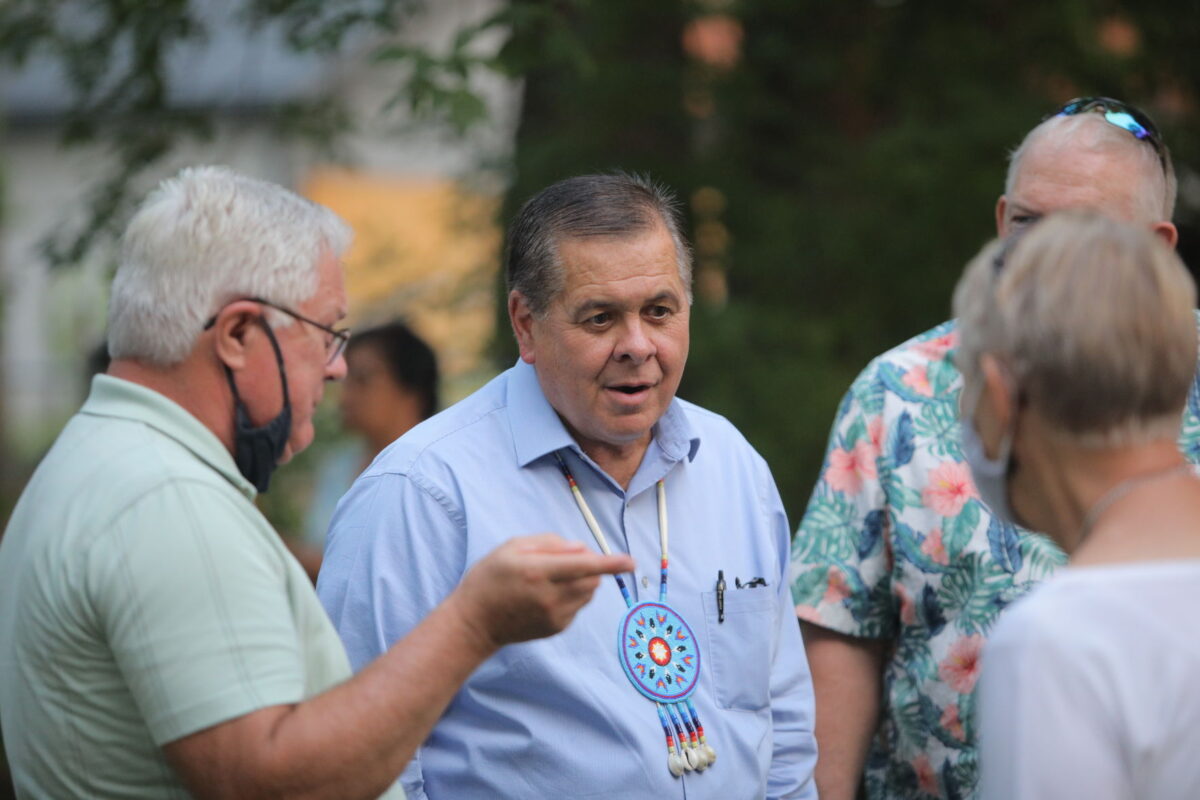
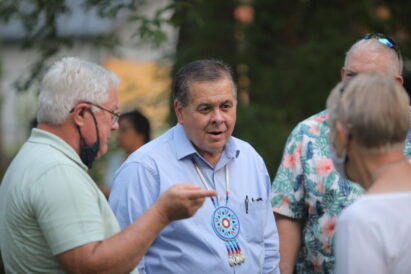
Shoshone tribal leader Darren Parry talks to people at the Meet the Shoshone event at Stone Farm on Saturday, Aug. 7, 2021.

A crowd watches speakers at the Meet the Shoshone event at Stone Farm on Saturday, Aug. 7, 2021.
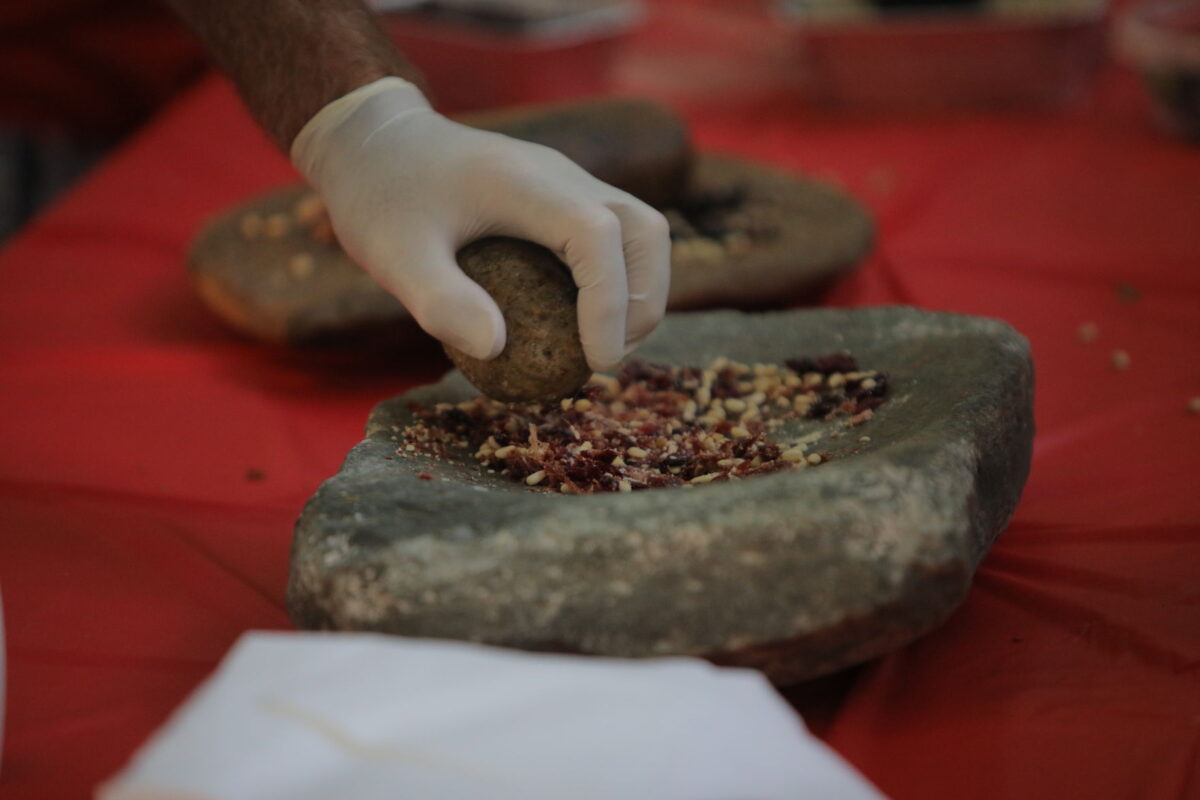
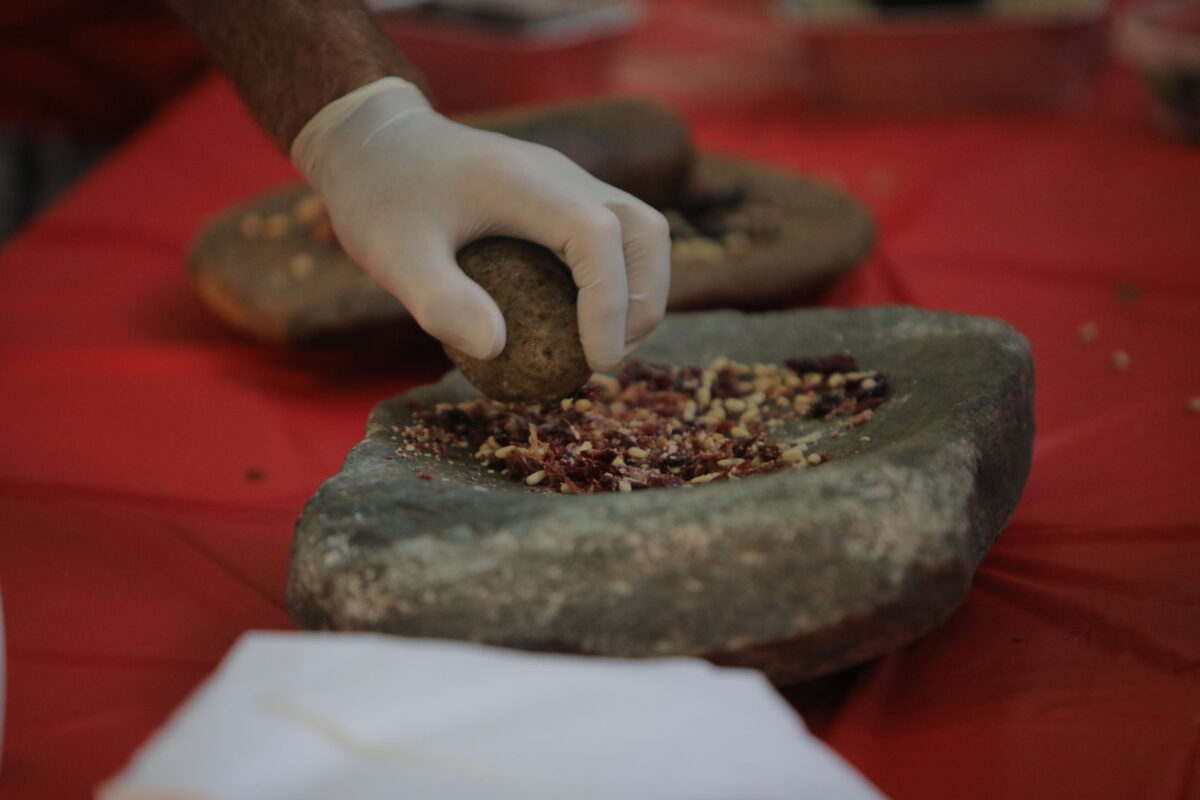
A demonstration showing historic food preparation of the Shoshone is done at the Meet the Shoshone event at Stone Farm on Saturday, Aug. 7, 2021.
OGDEN — For many, walking through the Stone Family Pioneer Farm and Shoshone Camp was their first time in the oldest neighborhood in Weber County — or, at least, their first time knowing it. The Weber County Heritage Foundation and Northwest Shoshone Nation held an event on the land Saturday to bring awareness about the history of the area and the Shoshone people.
“The history of the area was a team effort; the pioneers were good to the Shoshone and the Shoshone were good to the pioneers,” said Shoshone tribal leader Darren Parry.
The event was another step in Ogden City’s ongoing work to acknowledge and memorialize the history of the Shoshone. In recent months, a memorial for Shoshone Chief Terikee, who was slain in 1850, was refurbished in Harrisville and the Ogden City Council voted to rename a portion of 2nd Street “Chief Little Solider Way.” Those projects introduced Parry and Katie Nelson, executive director of the Weber County Heritage Foundation, and led to the Saturday gathering.
Over the last week, by comparing records and stories between the foundation and tribe, it was discovered that Chief Little Soldier is buried in Ogden City Cemetery in an unmarked grave. Rios Pacheco, a Shoshone elder and cultural keeper of history and language, appreciated the opportunity to share the story of Little Soldier — despite minimal written records.
He added that they use the records and journals people in the area may have detailing their ancestors’ experiences with the Shoshone. Pacheco was one of the first people to address the crowd, kicking off the event with a blessing over the land and the people there.
One couple in attendance told Nelson that they came to the event after seeing the street sign for Chief Little Solider Way, searching his name and seeing the event posting online. Parry added that that was one of the reasons he and others pushed to rename the street in his honor.
Stone Farm is also the site of Bingham’s Fort where, historically, the settlers and the Shoshone intermingled, according to Nelson. She said that the fort had no doors, allowing the Shoshone to interact with the pioneers in mutually beneficial and supporting ways. Two such anecdotes told during Saturday’s event detailed a tribal chief teaching the pioneers how to use oil from a beaver to save the life of a woman giving birth and the offering of the fort as refuge to the tribe during a particularly harsh winter.
The ultimate goal of the day was to bring the history of the land to the present consciousness. Walking through the property, people were presented with Shoshone culture.
They were able to examine artifacts and handmade objects of cultural significance, participate in a demonstration making food as the Shoshone once did and learn about the centuries of history under their feet. Kids were also able to make cattail toys and take a tractor ride along the land preserved by Anna Keogh. Keogh owns the land, got it turned into a conservation easement and led the effort to rename the portion of 2nd Street.
People read stories to the crowd, danced and performed music before the night ended with attendees linked together, hand-in-hand, as Bird Osborne played a drum for the crowd.
Nelson’s best-case scenario for the day was for people to go home with information and a positive experience.
“We just want people to keep telling the story. We want people to drive along and see that it’s Chief Little Solider Way now,” she said. “They’ll know who Little Soldier is and they’ll tell other people. I guess we’re aiming for ripple effects of storytelling.”
The crowd was larger than anyone involved expected to show up. Parry looked out over the hundreds walking across the land, taking in the history of the Shoshone people, and was optimistic about the future.
“It gives me hope for the future. If you turn on the TV today, we seem as divided as ever. But I think if we’re to turn off the TV and go into our local communities and see some of the work that’s being done by, just, good local people that want to make a difference, then things can happen, and this has been such a cool turnout,” Parry said. “It exceeded my expectations, for sure.”
More stories about 2nd Street and the area can be found at http://binghamfort.org.
Meet the Shoshone event educates public on history of area
OGDEN — For many, walking through the Stone Family Pioneer Farm and Shoshone Camp was their first time in the oldest neighborhood in Weber County — or, at least, their first time knowing it. The Weber County Heritage Foundation and Northwest Shoshone Nation held an event on the land Saturday to bring awareness about the history of the area and the Shoshone people.
“The history of the area was a team effort; the pioneers were good to the Shoshone and the Shoshone were good to the pioneers,” said Shoshone tribal leader Darren Parry.
The event was another step in Ogden City’s ongoing work to acknowledge and memorialize the history of the Shoshone. In recent months, a memorial for Shoshone Chief Terikee, who was slain in 1850, was refurbished in Harrisville and the Ogden City Council voted to rename a portion of 2nd Street “Chief Little Solider Way.” Those projects introduced Parry and Katie Nelson, executive director of the Weber County Heritage Foundation, and led to the Saturday gathering.
Over the last week, by comparing records and stories between the foundation and tribe, it was discovered that Chief Little Soldier is buried in Ogden City Cemetery in an unmarked grave. Rios Pacheco, a Shoshone elder and cultural keeper of history and language, appreciated the opportunity to share the story of Little Soldier — despite minimal written records.
He added that they use the records and journals people in the area may have detailing their ancestors’ experiences with the Shoshone. Pacheco was one of the first people to address the crowd, kicking off the event with a blessing over the land and the people there.
One couple in attendance told Nelson that they came to the event after seeing the street sign for Chief Little Solider Way, searching his name and seeing the event posting online. Parry added that that was one of the reasons he and others pushed to rename the street in his honor.
Stone Farm is also the site of Bingham’s Fort where, historically, the settlers and the Shoshone intermingled, according to Nelson. She said that the fort had no doors, allowing the Shoshone to interact with the pioneers in mutually beneficial and supporting ways. Two such anecdotes told during Saturday’s event detailed a tribal chief teaching the pioneers how to use oil from a beaver to save the life of a woman giving birth and the offering of the fort as refuge to the tribe during a particularly harsh winter.
The ultimate goal of the day was to bring the history of the land to the present consciousness. Walking through the property, people were presented with Shoshone culture.
They were able to examine artifacts and handmade objects of cultural significance, participate in a demonstration making food as the Shoshone once did and learn about the centuries of history under their feet. Kids were also able to make cattail toys and take a tractor ride along the land preserved by Anna Keogh. Keogh owns the land, got it turned into a conservation easement and led the effort to rename the portion of 2nd Street.
People read stories to the crowd, danced and performed music before the night ended with attendees linked together, hand-in-hand, as Bird Osborne played a drum for the crowd.
Nelson’s best-case scenario for the day was for people to go home with information and a positive experience.
“We just want people to keep telling the story. We want people to drive along and see that it’s Chief Little Solider Way now,” she said. “They’ll know who Little Soldier is and they’ll tell other people. I guess we’re aiming for ripple effects of storytelling.”
The crowd was larger than anyone involved expected to show up. Parry looked out over the hundreds walking across the land, taking in the history of the Shoshone people, and was optimistic about the future.
“It gives me hope for the future. If you turn on the TV today, we seem as divided as ever. But I think if we’re to turn off the TV and go into our local communities and see some of the work that’s being done by, just, good local people that want to make a difference, then things can happen, and this has been such a cool turnout,” Parry said. “It exceeded my expectations, for sure.”
More stories about 2nd Street and the area can be found at http://binghamfort.org.
-
- Shoshone tribe member Rios Pacheco, right, gives a blessing at the Meet the Shoshone event at Stone Farm on Saturday, Aug. 7, 2021, as Katie Nelson, executive director of the Weber County Heritage Foundation, holds a microphone for him. (Harrison Epstein, Standard-Examiner)
-
- Starlynn Osborne performs a tribal dance at the Meet the Shoshone event at Stone Farm on Saturday, Aug. 7, 2021. (Harrison Epstein, Standard-Examiner)
-
- Shoshone tribal leader Darren Parry talks to people at the Meet the Shoshone event at Stone Farm on Saturday, Aug. 7, 2021. (Harrison Epstein, Standard-Examiner)
-
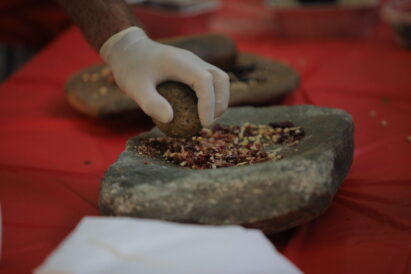
- A demonstration showing historic food preparation of the Shoshone is done at the Meet the Shoshone event at Stone Farm on Saturday, Aug. 7, 2021. (Harrison Epstein, Standard-Examiner)