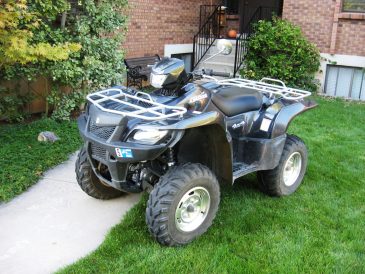
Packing an ATV for the unexpected
Riding ATVs in the backcountry has helped me learn what to pack. It seems if you don’t have it when you need it, you will learn to have it.
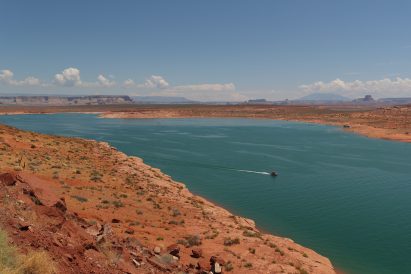
Several years ago I wrote an article about being lost in the San Rafael Swell (Standard-Examiner, Dec. 1, 2010). We survived the experience, but we also learned something about packing for a ride.
GPS
While we had more than one GPS that night, they didn’t help. We knew exactly where we were, but we could not see our way out until we had sufficient daylight. Still, a GPS is a useful tool to follow a track or to backtrack to the staging area.
A Tire Repair Kit
The great thing about low-pressure ATV tires (they run from five to seven PSI) is that a tire plug will seal a hole and get you back on the trail quickly. There are exceptions, however. I recall a ride where a sharp rock put a slit in a sidewall. We were able to repair it, but it took 11 plugs. A tire repair kit should be well-stocked and also include a way to inflate the tire. I use a portable compressor, but there are also CO2 cartridges that work well.
Batteries
I use AA batteries for my GPS which is a matter of personal preference. Some use their 12-volt outlet as a power source. I had a problem with an outlet on a machine so I just carry a supply of batteries. Carry extra batteries for the next essential, too — a flashlight.
Flashlight
Several riders had headlamps on the ride in the Swell which I like for their hands-free capabilities. Whether you strap it to your head or hold it in your hand, some sort of dependable light is important.
Winch kit
I like to make sure at least one rider has a winch in the group. The key item in the kit is a snatch block, which is a pulley with a gate that can be swung open so the winch cable can be threaded around the wheel. It allows you to attach the block to another ATV or a tree and back to your machine doubling the power of the winch. For example, a winch with a 3,000-pound capacity would then have a 6,000-pound pull. It can also be attached to a tree to set up a side pull when you can’t get a straight shot at what you need to hook.
Tow rope
My tow rope is 15 feet long. They come in different lengths, but they need to be compact. You never know whether you or someone else will need a tow.
First Aid Kit
It needs to be more than Band-Aids, because you may need to handle some first response situations.
Medications
Pack medications that must be taken on a strict schedule. You might plan to be out for a short time, but it is surprising how quickly that can change.
Extra Gas
You never know when you’re going to need it.
Extra food
I didn’t have a good supply that night, but other people shared. It was nice, but I got sick of cinnamon bears. Make sure you have a fresh supply of food you like that also meets your dietary needs along with a good supply of water.
ATV jumper cables
These are smaller than regular cables. They get into tighter places and are easy to pack.
Straps and bungee cords
A variety of straps and bungee cords always comes in handy to keep stuff from falling. I use a spider net to secure my gear on the Polaris Ace and my Kawasaki side-by-side.
Rain gear
Good compact rain gear is a must, conditions can change fast and rain in the mountains is cold. If you don’t take rain gear and warm underclothing, you will wish you had.
Matches or a lighter
We were glad to be able to start a fire that October night.
Insect Repellant, sunscreen, toilet paper, and wet wipes
These are necessities for any outdoor activity.
Cell phone
Pack both a phone and a way to charge it. A signal may be hard to find, but I have usually found something with a little effort.
Wherever you go, take plenty of water, keep the rubber side down and pack for the unexpected.
Contact Lynn Blamires at quadmanone@gmail.com.