ATV Adventures: A UTV ride to see the tornado damage at Smith Creek Lakes
-
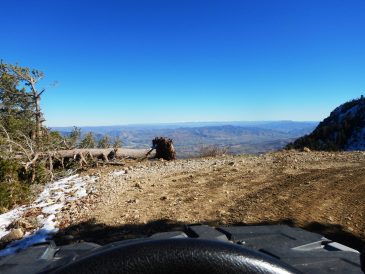
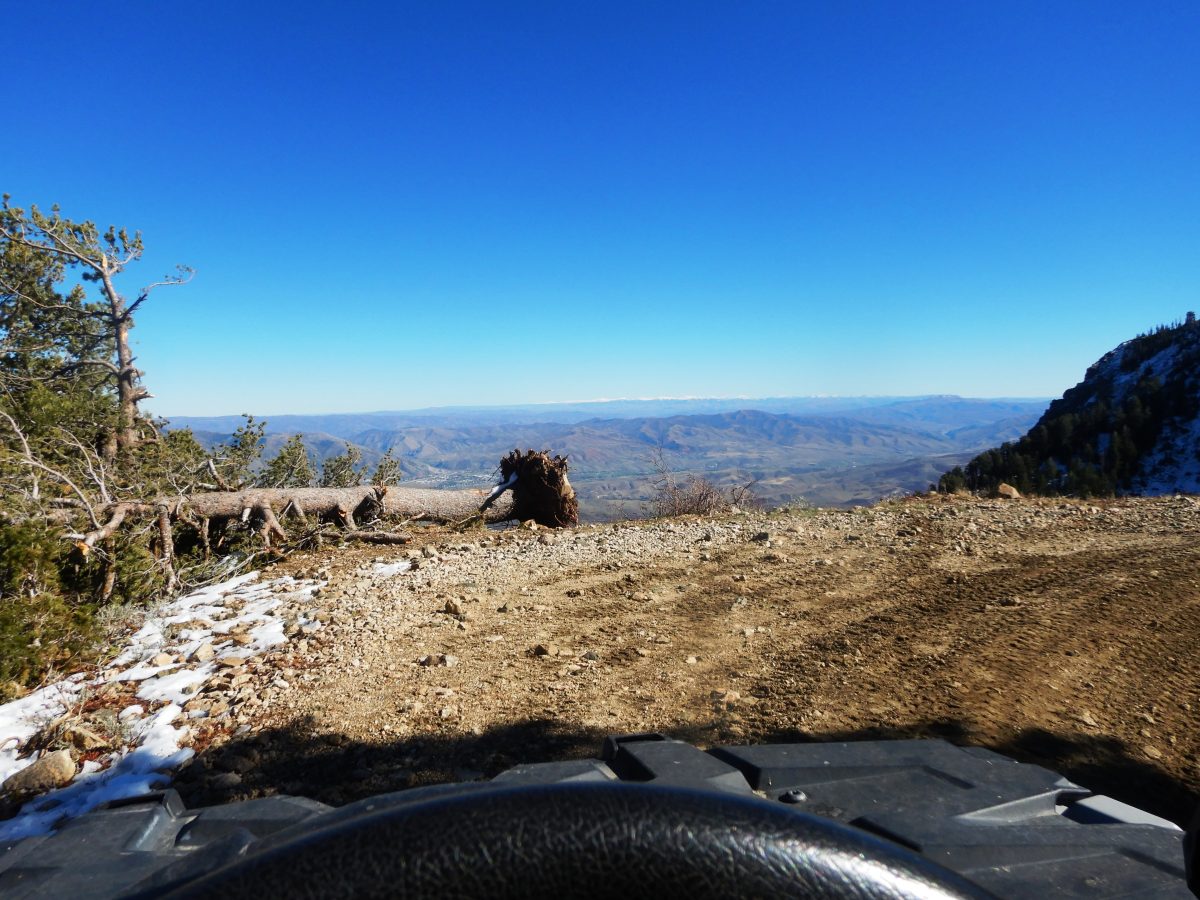
- One of the huge trees toppled during the storm.
-
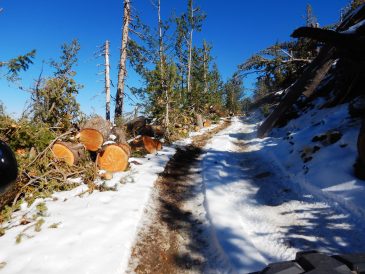
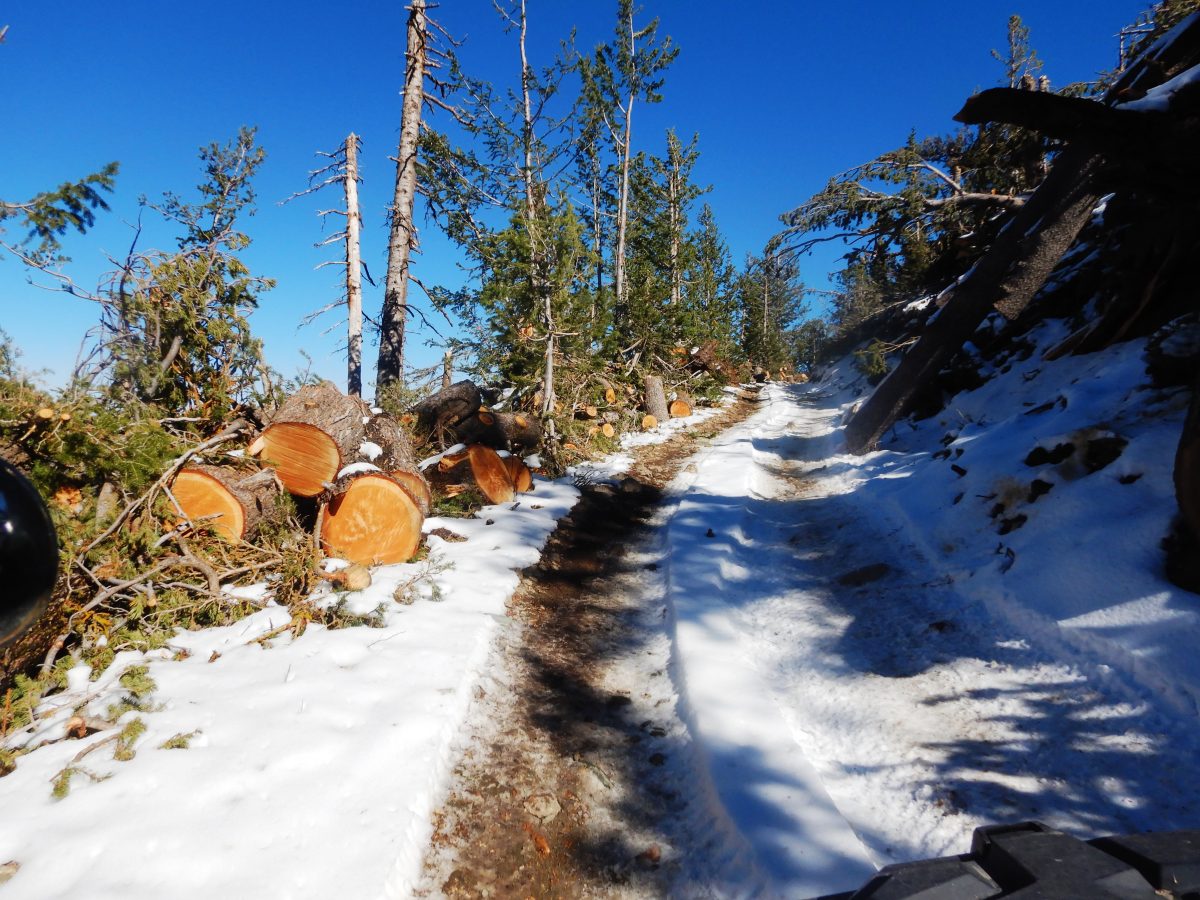
- Making our way up the trail from the middle lake. These trees were cut to clear the road, allowing Mr. Lemoine to retrieve his truck.
-
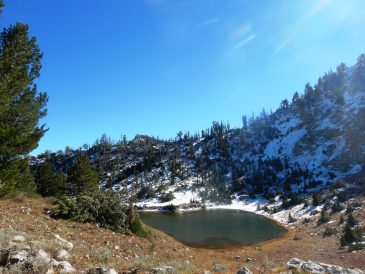
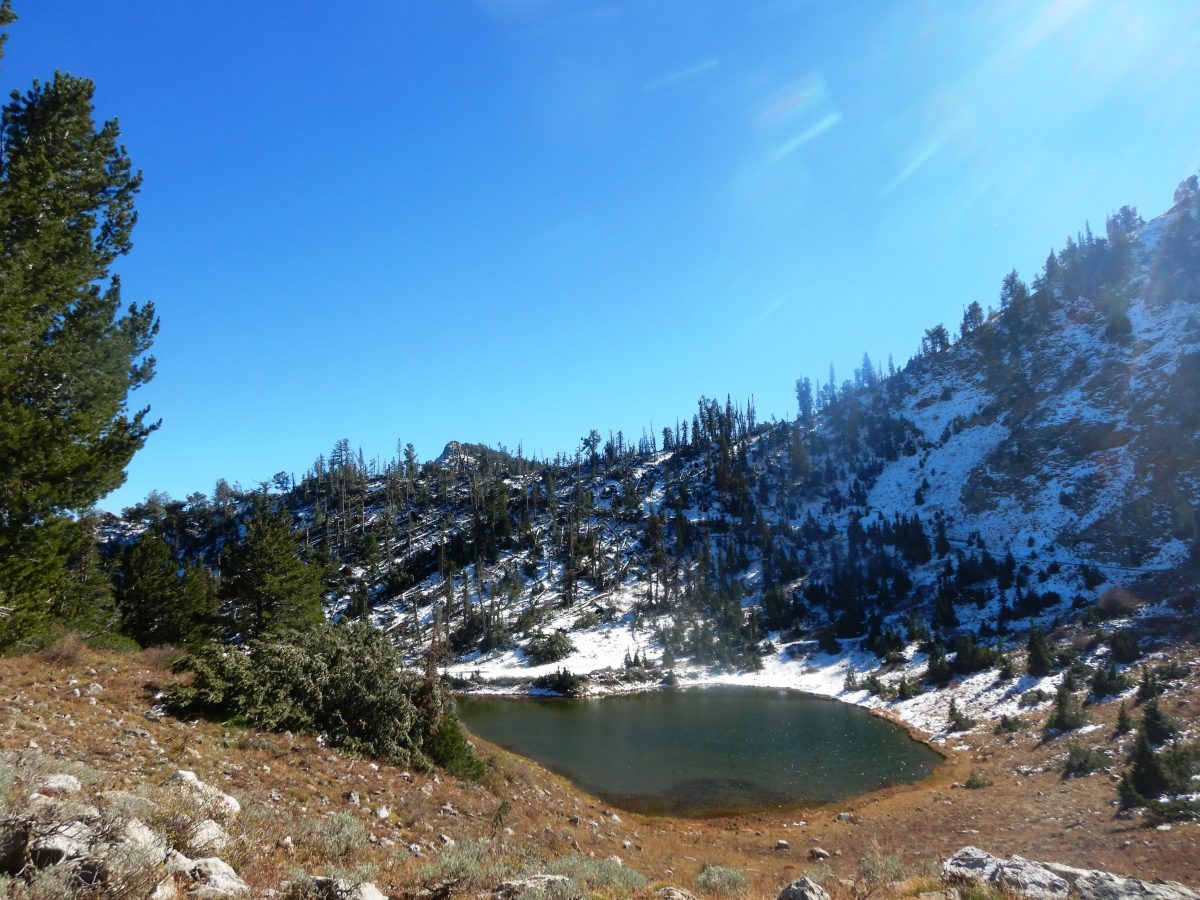
- A view of the middle of the three Smith Creek Lakes where the tornado hit. The damage is in the trees across the lake.
I had just pulled into my cul-de-sac in Layton from riding the Piute Pass Trail near Lake Powell with my brother-in-law, Mike Timothy (see Northern Living section, October 10, 2026). I stopped by his car in front of my house to let him out when the storm hit. It started with heavy rain, then the hail came.
I asked Mike, tongue-in-cheek, why he didn’t get out. He gave an incredulous look like I was crazy. I could tell from the size of the hail hitting my windshield that it wouldn’t damage my truck.
However, the hail that hit Fruit Heights to the south was big enough to cause damage. I also learned that the storm produced a tornado that touched down in the mountains above Highway 89. I didn’t learn where it hit or how strong the winds were until later.
Anxious to see the damage, I invited some of my riding buddies to join me for a ride to the lakes. Kirt Merrill, of Layton, suggested that, because we were street-legal, we could ride the frontage road east of Highway 89 to Farmington Pond at the base of Farmington Canyon. Joined by Bry Davis, also of Layton, and Dave Meents of North Ogden, we took the 10-mile trek to the Farmington Canyon trailhead. We were on an adventure.
I was driving my single-seat Polaris Ace. The weather was 51º and sunny, but at 45 mph and with no windshield, it was not short-sleeved T-shirt weather. I trusted that the day would get warmer; it did.
When riding a familiar trail, I notice changes that wouldn’t be obvious on a trail I hadn’t ridden before. On this day, I noticed three new rock slides. The road is cut into the side of the canyon, with a steep drop-off on one side and the cut wall on the other.
The slides were not big enough to block the road, but the rocks were big enough to notice. Because the unpaved mountain road cuts through unstable terrain and steep canyon walls, heavy rains and spring runoff routinely trigger significant slides. In May 2015, a massive truck-sized boulder crashed onto the road, forcing the evacuation of those above the slide; in May 2011, a heavy mudslide brought down a wrecking-ball-sized boulder that blocked the road near the first switchback.
I was glad the slides weren’t serious. We made our way to the base of the towers, following a trail on Francis Peak’s east side. We came around the mountain above the first lake, where we encountered snow and ice, but we had good traction in four-wheel drive as long as we stayed on the main trail.
As we came around the mountain above the second lake, the storm devastation was starkly evident. We could see that the storm had brought down many massive trees that blocked the road. We could also see that the trees had been cut to clear a passage through the massive woodpile. On either side of the road, we saw huge pine trees 12 to 18 inches thick, snapped off or uprooted.
We couldn’t understand why the road had been cleared until we later learned why. On the day the storm hit, Nick and Krista Lemoine were camped at the middle lake. With only a two-minute warning, they hunkered down in their truck and watched the storm rage. The record-breaking tornado was 1.1 miles wide, with winds peaking at 120 mph.
When the storm passed, downed trees blocked their campsite and the road they used to access the lake. Leaving their truck behind, they hiked through the chaotic mess of downed trees to find help. Lemoine returned to the mountain with reinforcements armed with chainsaws to cut a path through the destruction and free his truck.
We also left the scene and made our way back up the icy track through the chaos that Lemoine had cut through. In the process, I made a wrong turn and got in trouble. The trail ahead had a challenge on the trail that could have damaged our machines. We turned around and got back on the right trail.
We left the icy trail caused by the shady side of the mountain and got back onto dry ground. We made it back down the mountain without further incident. When you go, take plenty of water, keep the rubber side down, and keep an eye on the weather when you go into the backcountry.
Lynn R. Blamires can be reached at quadmanone@gmail.com.