Utah halts rapid antigen COVID testing over accuracy concerns

Tim Vandenack, Standard-Examiner
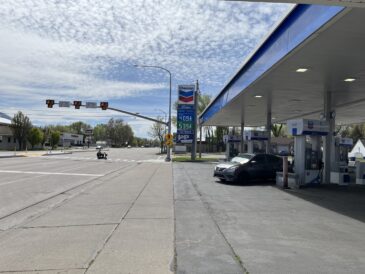
A sign at the TestUtah COVID-19 testing site outside the Dee Events Center on the Weber State University campus in Ogden is pictured Monday, Jan. 31, 2022.State officials are pausing the use of on-site rapid antigen COVID-19 testing after questions arose about the procedure’s accuracy.
The temporary pause, beginning Monday, came about after epidemiologists at the Utah Department of Health raised concerns about the performance of the GenBody rapid antigen tests used at its sites.
Epidemiologists analyzed test results from approximately 18,000 Utah residents who were tested on the same day with both the GenBody rapid antigen test and Polymerase Chain Reaction (PCR) tests. Results showed more than half of those who tested positive with a PCR test received a negative result with the GenBody rapid antigen test, even if they had COVID-like symptoms. Rapid antigen tests are well-known to pick up a positive result, according to the UDOH. However, the difference identified in this analysis was much higher than expected.
“Within the past few weeks, UDOH mobile test teams began using the GenBody rapid antigen test. These teams reported a trend of higher-than-expected negative results from this specific rapid antigen test. This prompted our analysis across a broader timeline and the results motivated our decision to temporarily pause the use of this test,” said Dr. Leisha Nolen, UDOH state epidemiologist. “This step is necessary to ensure people receive accurate test results.”
A separate analysis showed people who received PCR and BinaxNow rapid antigen tests in the state showed more accurate results, but a nationwide shortage of BinaxNow tests are putting a damper on how many tests can be performed.
“Throughout the response, we have worked to provide Utahns with access to appropriate testing resources. We use tests that have been reviewed and authorized by the appropriate federal agencies. In this case, recent data raised questions about how one of these tests is functioning in our current testing system,” said UDOH Executive Director Nate Checketts. “While we seek additional information to address these questions, we are shifting our testing efforts accordingly. It’s the right thing to do right now. We are committed to being transparent in this continually changing environment.”
Anyone who received a negative rapid antigen test at a state-sponsored location between Feb. 2-6 can return to be retested with a PCR test, and can also receive an at-home test kit by request.
Over the last month, access to at-home rapid antigen tests has expanded, providing Utahns with additional options for fast test results. Many pharmacies and on-line retailers report ample supplies, and the federal government recently required insurance companies to cover the costs of these tests. The federal government also recently launched a program to deliver free at-home tests to every household in the country. The tests can be ordered at covidtests.gov.
A list of testing locations, including two recently opened high-capacity sites at the University of Utah and Utah Valley University, can be found at coronavirus.utah.gov/utah-covid-19-testing-locations.