Angela Choberka touts experience, collaboration in House District 9 race
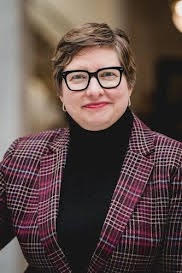
Photo supplied, Angela Choberka
Angela ChoberkaAngela Choberka is a Democratic candidate for the House District 9 seat. Below are her responses to a six-question survey sent to her by the Standard-Examiner. The Standard-Examiner made an attempt to contact each candidate involved in a competitive race in Weber and Davis counties.
1. Why is the position you are running for important?
The Legislature makes decisions that shape our daily lives: how our schools are funded, how we grow, what housing costs are, and how we protect our air and water. I’m impatient for people’s concerns to be taken seriously, and I’m tired of political games blocking progress on health care, housing, and education. These aren’t partisan issues; they affect every family in this district. I’m running to bring a voice of reason to the Legislature and move beyond partisan divides.
2. What unique qualities, attributes, skills, and experiences do you possess that make you the best candidate in this race?
I bring experience in local government, education, and health care, and a career spent bringing people together to get results.
For eight years, I served on the Ogden City Council, including as Vice Chair and Chair. Governing taught me to read a budget line by line, listen to residents who disagree with me, and make decisions I’m accountable for.
I began as a teacher, and I still teach English at Weber State University. As director of Ogden United Promise Neighborhood, I helped secure more than $7 million for a cradle-to-career initiative in central Ogden. In my career in healthcare, I work on the social determinants of health, the everyday factors like housing, food, and transportation that shape well-being. That work taught me to follow the data, find root causes, and measure results.
Serving on the Weber-Morgan Board of Health, the Weber County Local Homeless Trust, and the Governor’s MLK, Jr. Human Rights Commission taught me that progress comes from finding where interests overlap. I’ll stand firm on my values and work with anyone acting in good faith.
3. Please explain your priorities if elected, as well as why you believe you are uniquely capable of achieving those priorities.
Families in House District 9 want to afford a home, see their kids get a good education, get the health care they need, and breathe clean air.
Strong public schools. Public education is a public good. I’ll oppose efforts that drain funding from public schools, support teachers, expand all-day kindergarten and early childhood education, and ensure students with disabilities get the services they need.
Affordable housing. I’ll remove zoning barriers to more modest homes, support first-time homebuyer programs like the Rocky Mountain Home Fund, and plan growth so housing, transportation, and infrastructure keep pace.
Accessible health care. I’ll work to lower prescription drug costs, strengthen mental health services, make sure new state mandates come with funding, and address root causes like food security and housing.
Clean air and water. I’ll protect the Great Salt Lake, improve air quality, and expand public transit.
Underneath it all, I’ll work to make everyday life more affordable, starting with cutting the food tax. I’ve done this work from the inside: writing budgets, building partnerships among schools, hospitals, nonprofits, and law enforcement, and using data to fix what isn’t working.
4. Please describe how you view the importance of compromise in politics and provide an example from your own experiences that highlights your perspective.
Compromise starts with listening. Most of the time, people agree on far more than they expect. I once sat at a table with interfaith leaders, members of our Latino, refugee, and immigrant communities, police officers, the police chief, and the mayor to discuss public safety, policing, and immigration. It could have been tense. It wasn’t. We found that everyone wanted the same things: safety, trust, and a strong community. That shared ground made honest conversations about the hard parts possible. Compromise doesn’t mean giving up your values. When the other side won’t meet you in good faith, I’ll stand firm while working to limit harm to the people affected.
5. How will you balance the views of the vocal public, your political party, and your own understanding and knowledge as an elected representative?
I go to the people instead of waiting for them to come to me. On the City Council, I made my calendar public, and I’ll do the same at the Legislature, along with regular town halls. The loudest voices matter, but so do neighbors too busy working or caring for family to show up.
I follow the data, apply a critical eye to every policy, including my own side’s, and change my thinking when presented with new information.
When we weighed a property tax increase, a resident on a limited income told us she was struggling with groceries and prescriptions but supported the increase because our process was open. People accept hard decisions when they trust the process. On issues like water, growth, and large developments, local governments and residents should have a real voice, and new revenue should be reinvested in impacted communities.
6. What is the best way for readers to contact you and/or get more information about your platform?
Visit angelachoberka.com or email me at angela@angelachoberka.com.