Jodi B. Kennedy emphasizes community commitment in Weber School Board District 2 race
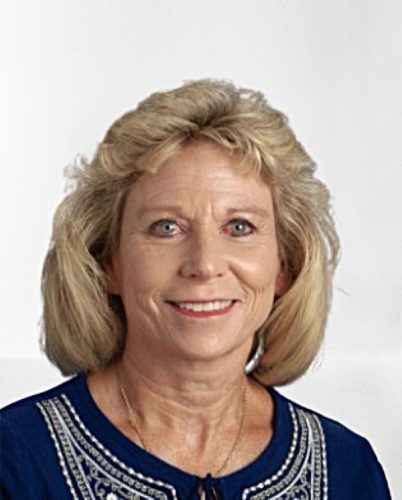
Photo supplied, Jodi B. Kennedy
Jodi B. KennedyJodi B. Kennedy is a candidate for the Weber School Board District 2 seat. Below are her responses to a six-question survey sent to her by the Standard-Examiner. The Standard-Examiner made an attempt to contact each candidate involved in a competitive race in Weber and Davis counties.
1. Why is the position you are running for important?
The position of school board member is vital because school boards serve as the direct bridge between local communities and public education systems. They hold immense responsibility in shaping the educational experience and future of a community’s children. Some of the key roles school board members have include: policy and decision making, fiscal stewardship, hiring and evaluating leadership, community voice and accountability, and collective bargaining and labor relations.
2. What unique qualities, attributes, skills, and experiences do you possess that make you the best candidate in this race?
I bring 38 years of experience as an educator, including 33 years serving in Weber School District. A commitment to students, teachers, and families in this community has shaped my entire professional life.
In addition to my classroom and school-based experience, I have a long record of service on school community councils. I served six years on Sandridge Jr. High’s Community Council as a parent representative and eight years on South Ogden Jr. High’s Community Council as a teacher representative. These roles gave me firsthand experience with school improvement planning, budgeting priorities, and the collaborative work required to support student success.
Weber School District is my home. I graduated from this district, my children graduated from this district, and my grandchildren are currently enrolled here. My connection spans three generations, and that long-term perspective helps me understand both the strengths of our schools and the challenges ahead.
3. Please explain your priorities if elected, as well as why you believe you are uniquely capable of achieving those priorities.
My main priorities include fiscal stewardship and budget management, long-term academic growth, and workforce and talent strategy.
Weber School District needs to be more conscientious about our spending and budget constraints so we aren’t in the position we currently find ourselves in, where we can’t give our teachers their step raises or lane-change monies after they have taken the time and used their personal financial resources to earn advanced degrees.
Weber School District should focus on evidence-based literacy and math instruction, targeted intervention for struggling students, and system-level changes that improve consistency, teacher support, and program effectiveness. The district’s own data shows both achievement gaps and areas of strength (like strong growth among the lowest-performing students), which means improvement is possible with the right strategy.
Weber School District should focus on recruiting and retaining quality teachers, support staff, and school leaders. This involves looking closely at compensation, professional development, and workplace culture.
My experience as a classroom teacher and participation on community councils has given me firsthand experience with school improvement planning, budgeting priorities, and the collaborative work required to support student success.
4. Please describe how you view the importance of compromise in politics and provide an example from your own experiences that highlights your perspective.
In local politics like school boards, compromise rarely means sacrificing core values; rather, it is the practical art of finding common ground–focusing on shared goals, like student success and fiscal health–even when members disagree on how to get there. As a classroom teacher working with a team of other math teachers, we all had opinions of the best way to help students achieve success. We had to work together and put our personal prejudices aside and use data-driven strategies to accomplish our goal of student achievement.
5. How will you balance the views of the vocal public, your political party, and your own understanding and knowledge as an elected representative?
Balancing views when the vocal public pushes a policy that goes against educational research or my own informed understanding – the solution is transparency and engagement. Communicating the “Why” by clearly explaining the data, legal constraints, and long-term strategy behind the decision so the public understands the broader picture.
6. What is the best way for readers to contact you and/or get more information about your platform?
No response provided.