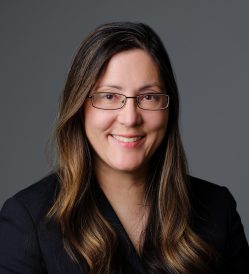
Stephanie Hollist calls herself a problem-solver in bid for Senate District 7 seat
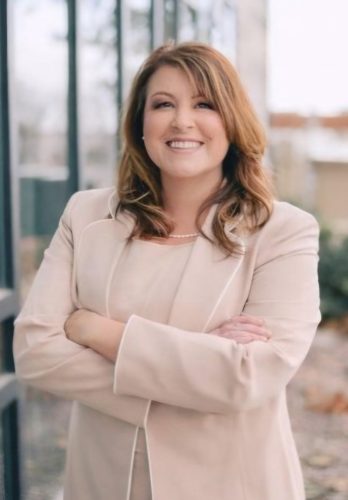
Photo supplied, Stephanie Hollist
Stephanie HollistStephanie Hollist is a Republican candidate for the Senate District 7 seat. Below are her responses to a six-question survey sent to her by the Standard-Examiner. The Standard-Examiner made an attempt to contact each candidate involved in a competitive race in Weber and Davis counties.
1. Why is the position you are running for important?
The people of our district deserve to have their voices heard and their values reflected in the Utah State Senate. After speaking with thousands of constituents, I’ve heard a consistent frustration: too many important decisions seem to happen behind closed doors, without meaningful public input or enough attention to the everyday challenges facing families.
I entered this race because I believe we can do better. Challenging a 20-plus-year incumbent wasn’t the easy path, but our district deserved a choice and an opportunity for a different approach to leadership. This election is about restoring trust and making government responsive to the people.
2. What unique qualities, attributes, skills, and experiences do you possess that make you the best candidate in this race?
I’m a problem-solver by profession and nature, with deep roots in our community. I’ve lived in Davis County for more than 35 years, and my husband and I are raising four children who attend our public schools. I understand many of the pressures local families face because we experience them too.
I’ve spent more than two decades working at the intersection of law, public policy, and practical problem-solving: advising local governments, serving 18 years as a higher education attorney, and now working as general counsel for a private company.
I’m uniquely qualified due to my experience working at the state level, with strong leaders, on legislative issues. I’ve built policies and processes that bring affected people into decisions. I know how to navigate complex issues, bring competing perspectives together, and challenge the status quo when necessary.
3. Please explain your priorities if elected, as well as why you believe you are uniquely capable of achieving those priorities.
My priorities center on accountable government, affordability, and thoughtful planning for our future.
First, I want to address the growing authority of unelected government entities like MIDA. I’ve been studying how these entities operate and developing solutions to return responsibilities to local governments who can meet the needs of their communities and be responsible for decisions made. We need clearly defined limits on authority, stronger oversight, and greater transparency at all levels.
Second, we need a coordinated approach to growth, particularly large developments like data centers. We must consider the cumulative impacts on water, energy, infrastructure, and our environment before making long-term commitments. Rather than leading with enormous incentives, we should be asking whether these projects make sense for our communities, ensuring meaningful local involvement, and exploring how they can contribute positively to our economy and infrastructure. We should also challenge ourselves to find ways these can be environmentally net positive, not merely minimize harm.
Finally, I want to address everyday pressures facing families, including housing affordability, taxes, and rising costs. We need practical solutions that remove unnecessary barriers, respect local differences, and avoid shifting financial burdens onto communities.
4. Please describe how you view the importance of compromise in politics and provide an example from your own experiences that highlights your perspective.
Compromise is essential to good governance, but it doesn’t mean abandoning principles. People can share goals while disagreeing about how to achieve them, and thoughtful disagreement can lead to better solutions.
In one instance, I helped navigate changes to a longstanding institutional policy that raised serious concerns about a group’s rights and freedoms. Rather than crafting a solution behind closed doors, I brought together a committee that included some of the strongest advocates for those affected. We welcomed difficult conversations and took all concerns and solutions seriously. The resulting policy was stronger, and people who might have been the greatest critics became advocates because they helped shape the outcome.
That experience reinforced my belief that including people isn’t an obstacle to progress. It’s often what makes lasting solutions possible.
5. How will you balance the views of the vocal public, your political party, and your own understanding and knowledge as an elected representative?
An elected representative must listen carefully, do the homework, and make decisions that genuinely serve the people they represent.
Much of the frustration I’ve heard isn’t simply disagreement over policy. People feel excluded, suspect decisions have already been made, and worry their interests aren’t being considered. That loss of trust is real. I’m encouraged that more people are finding their voices. Government should welcome that participation, not try to silence or circumvent it. Leaders should engage communities before controversies erupt, rather than scramble to address concerns afterward. Too much our legislature has responded by fighting instead of working together.
My Republican principles of limited government, fiscal responsibility, and local control guide me. Representing my district also means listening beyond the loudest voices, weighing evidence, and asking difficult questions, even when uncomfortable. We won’t always agree on every outcome. But people should trust that I listen, consider the consequences, and act in good faith, consistent with our shared values.
6. What is the best way for readers to contact you and/or get more information about your platform?
I’d love for people to reach out:
voteforstephaniehollist@gmail.com
Local News
Stephanie Hollist calls herself a problem-solver in bid for Senate District 7 seat

Bob Stevenson highlights mayoral, county-level governing history in House District 16 campaign