Kacee Weaver prioritizes learning, educators, partnerships in Utah State Board of Education District 2 race
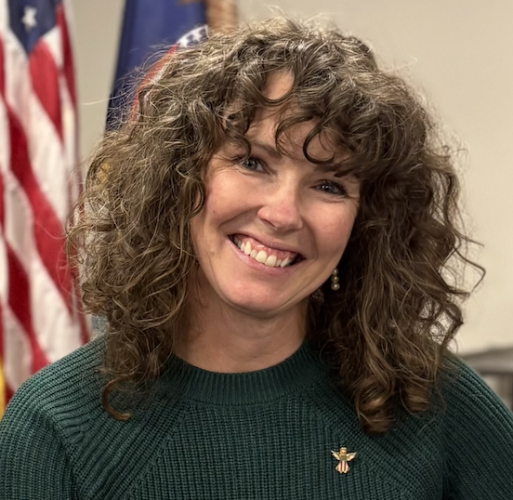
Photo supplied, Kacee Weaver
Kacee WeaverKacee Weaver is a candidate for the Utah State Board of Education District 2 seat. Below are her responses to a six-question survey sent to her by the Standard-Examiner. The Standard-Examiner made an attempt to contact each candidate involved in a competitive race in Weber and Davis counties.
1. Why is the position you are running for important?
The Utah State Board of Education makes decisions that directly affect students, educators, families, and communities. From academic standards and accountability to educator licensing and funding, these decisions shape educational opportunities across Utah.
I believe those decisions should be informed by people who understand what happens inside classrooms every day. Public education is one of our greatest community investments, and the State Board has a responsibility to ensure every child, regardless of background, ability, or ZIP code, has access to a quality education.
2. What unique qualities, attributes, skills, and experiences do you possess that make you the best candidate in this race?
I am a product of Weber County public schools, a parent, grandmother, and educator with more than 20 years of experience.
I’ve served as a classroom teacher, instructional coach, curriculum specialist, assistant director, and school principal. I currently lead a public charter school serving preschool through ninth-grade students. I hold a bachelor’s degree in education, a master’s degree in Advanced Montessori Studies, an ESL endorsement, and specialized literacy training.
My experience spans private, traditional district and charter schools, giving me a broad understanding of the challenges facing Utah education. I understand how policies translate into classroom practice, how budgets affect students, and what educators need to succeed.
I bring the perspective of someone actively doing this work every day.
3. Please explain your priorities if elected, as well as why you believe you are uniquely capable of achieving those priorities.
My priorities center on three areas: strengthening student learning, supporting educators, and building meaningful partnerships between schools, families, and communities.
First, we must ensure students develop strong foundational literacy and mathematics skills while also cultivating critical thinking, creativity, independence, and problem-solving abilities.
Second, we must support educators by reducing unnecessary administrative burdens, providing meaningful professional development, and creating working conditions that encourage talented teachers to remain in the profession.
Third, families deserve transparency, opportunities for meaningful involvement, and confidence that their children are receiving an excellent education.
As a school leader, I work daily to balance student needs, educator perspectives, family expectations, state requirements, and limited resources. I understand both the challenges of implementing educational policy and the importance of making thoughtful, evidence-informed decisions.
4. Please describe how you view the importance of compromise in politics and provide an example from your own experiences that highlights your perspective.
Compromise is essential to effective leadership. It doesn’t mean abandoning your principles; it means listening carefully, identifying shared goals, and finding solutions that move us forward.
As a school administrator, I regularly navigate situations where parents, teachers, and administrators have different perspectives about what’s best for students.
For example, implementing instructional improvements often requires balancing teachers’ professional autonomy with the need for consistent, evidence-based practices. Rather than simply imposing changes, I’ve worked collaboratively with educators to identify shared expectations while preserving flexibility in how they meet students’ individual needs.
The result is stronger implementation, greater trust, and shared ownership.
I believe elected officials should approach disagreements with the same willingness to listen, learn, and find common ground.
5. How will you balance the views of the vocal public, your political party, and your own understanding and knowledge as an elected representative?
My responsibility will be to represent all constituents, not just those who speak the loudest or share my political affiliation.
Education should not be treated as a partisan battleground. Children do not learn differently based on their parents’ political affiliation, and good educational policy should be grounded in evidence, professional expertise, community input, and the needs of students.
I believe parents are their children’s first and most important educators. Their perspectives matter tremendously, as do the experiences of classroom teachers, school leaders, and students themselves.
I will listen respectfully to differing viewpoints, examine credible research and available data, consider unintended consequences, and remain transparent about my reasoning.
I won’t always agree with every constituent or my political party, but I will approach decisions with integrity, curiosity, and a commitment to doing what’s best for Utah’s public school students.
6. What is the best way for readers to contact you and/or get more information about your platform?
I welcome conversations with families, educators, students, and community members throughout Weber County.
Readers can learn more about my background, priorities, and campaign at www.kaceeforutahschools.com and I can be reached directly at kaceecampaign@gmail.com
One of my goals throughout this campaign has been to bring people together, even when we disagree. I believe our communities are stronger when we listen to one another, recognize our shared commitment to children, and work together to strengthen public education.
Local News
Ryan Wilcox touts ability to move important legislation forward in House District 7 race
Anne Berbert emphasizes financial security, human dignity in House District 15 race