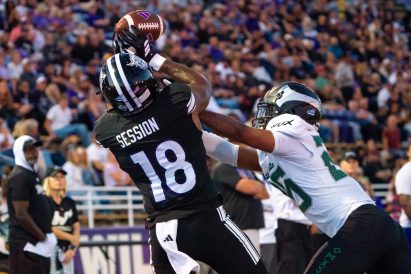
5-for-5 college sports eligibility: End of redshirts, and basketball benefits
Weber State coach: New rule could open different ways of playing, building roster
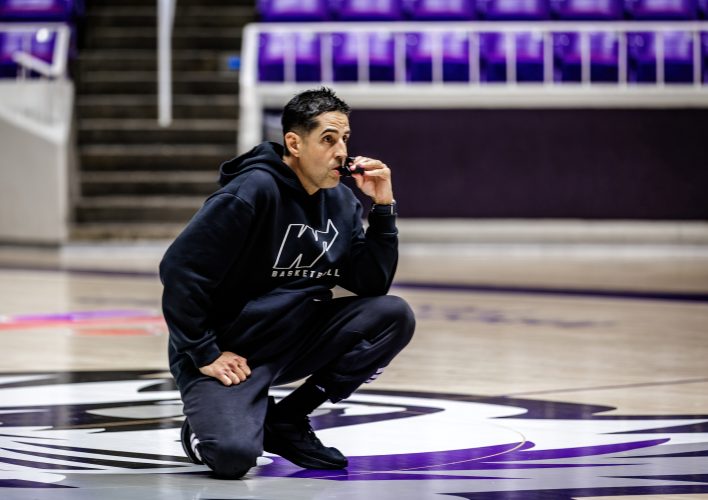
Robert Casey, Weber State Athletics
Weber State head coach Kaleb Canales watches his team during the first day of WSU men's basketball summer workouts on June 1, 2026, at the Dee Events Center in Ogden.The NCAA gave the green light Tuesday to the long-discussed rules that change the framework for the clock that determines eligibility for college athletes.
Simply put, Division I college athletes will now have five years to complete five seasons of eligibility, with no redshirts and no waivers. An athlete’s clock starts with their first college enrollment, or with the academic year that comes after their 19th birthday, whichever comes first.
Exceptions, or pauses, will be allowed for religious missions, military service and maternity leave.
Recent years have seen some players appeal for up to a seventh year of college eligibility, based on injuries, pandemic extensions and court rulings involving junior college players and others. In basketball, some men’s programs have also dived into a pool of international prospects who are several years into playing in professional leagues and well beyond their 19th birthdays.
These trends have turned coaches in some sports away from recruiting high school athletes and toward older, experienced players in the transfer portal and overseas.
Though NIL and revenue-sharing payments have changed what NCAA sports look like for athletes, the decision is a strong push toward returning Division I sports to a younger group of players.
“I think it’s the NCAA’s way of keeping college sports as amateur as possible with the chaos that is the NIL era,” Dartmouth women’s lacrosse coach Kelsey Fee told the Associated Press.
Even bigger than shifting the age range of the athlete pool is that the change brings the end of redshirts.
Aside from various changes to waiver and transfer rules, in general, the previous eligibility format gave an athlete five years to play four seasons. That, in turn, meant many athletes “redshirted” one season in which they would train and practice with the team but would not participate in games.
The biggest impact will come in sports like basketball. Under previous rules, a player who entered just one non-exhibition contest for even one second used one season of eligibility. Now, basketball players and others can play and coaches can use games to develop players.
“We’re going to talk about it as a staff … there’s going to be different avenues for different players as far as what it looks like,” first-year Weber State men’s basketball head coach Kaleb Canales told the Standard-Examiner. “But you look at it that you don’t have to redshirt now … in the past you were afraid of burning a kid’s redshirt year.”
At Weber State, the Wildcats have 14 players signed or committed and 12 of them are underclassmen. Canales says the best way to develop players is to get them on the court in real games, and now the young Wildcats will have an easier avenue to do that.
“We’ll talk about the pros and cons of it, but with a younger player, does it make sense to get him playing experience even if you have planned a development year?” Canales said. “So it’s different, and it could open up different ways to play a game and develop your roster.”
The NCAA’s announcement says athletes who finished their eligibility in the 2025-26 season under the previous rules will not get additional eligibility. For everyone else, schools and athletes can choose whether to apply the previous rules or the new age-based model, whichever is most beneficial to the athlete.
For Weber State basketball teams, for example, that would mean Canales’ men’s squad could get two years with transfer center Brock Felder, while Jenteal Jackson’s women’s team could add a fifth year for guard Sydney White, forward Paris Lauro and center Nicole Willardson, if it fits in their plans.
The new model also ends waivers to regain lost eligibility and the complicated processes those waivers have taken over the years. Outside the three detailed exceptions — pregnancy, active-duty military service or official religious missions — no waivers will be accessible, not even for injuries.
Athletes with waiver-triggering circumstances that occurred during or prior to the 2025-26 school year can apply for waivers to reclaim eligibility under the old rules until July 31.
For athletes who are members of The Church of Jesus Christ of Latter-day Saints, the exceptions mean that missionary service pauses the start of the five-year eligibility clock.
It seems fewer effects will be felt in college football. The old model included sport-specific eligibility rules and football allowed a player up to four regular-season games while still maintaining a redshirt. Because postseason games do not count in that formula, an FCS player could play up to eight games in a season and still redshirt.
The new model would allow continued development of younger players beyond four games and give football coaches easier decisions when it comes to managing injuries.
Weber State
Weber State notebook: Volleyball bounces back; soccer caps non-conference with win
Weber State football: Numbers, superlatives and notes from 44-41 loss to PSU