Mad Moose Cafe owner takes bold step to stay afloat during pandemic
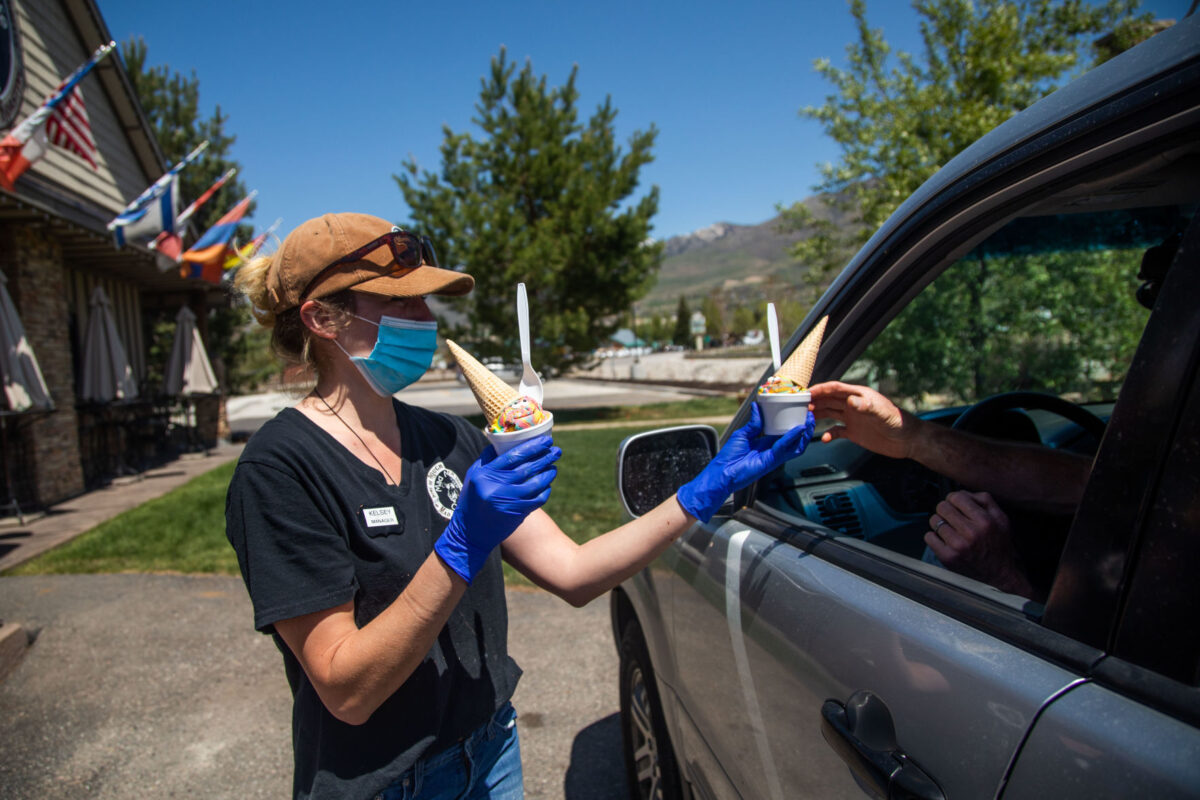
Kelsey Walberg hands ice cream to a curbside customer at the Mad Moose Cafe on Friday, May 8, 2020, in Eden. The owner of the cafe, Mike Seguin, is not paying his first-quarter sales tax and has requested a reprieve from the Utah Tax Commission in light of previous government mandates to limit business to take-out during the COVID-19 pandemic.
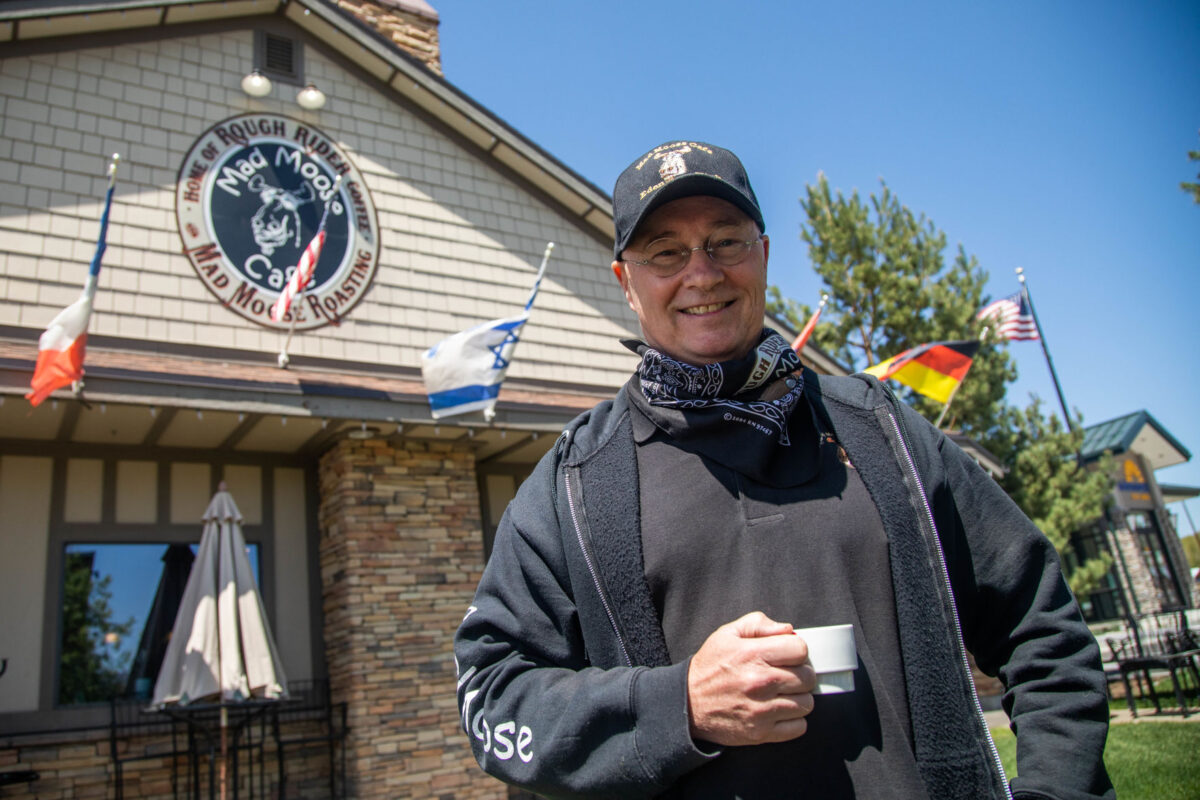
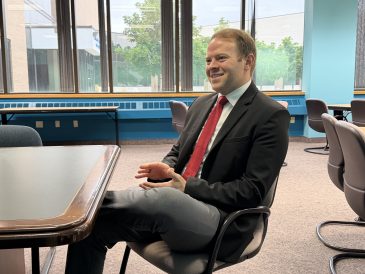
Mike Seguin poses for a portrait in front of the Mad Moose Cafe on Friday, May 8, 2020, in Eden. Seguin, the owner of the cafe, is not paying his first-quarter sales tax and has requested a reprieve from the Utah Tax Commission in light of previous government mandates to limit business to take-out during the COVID-19 pandemic.
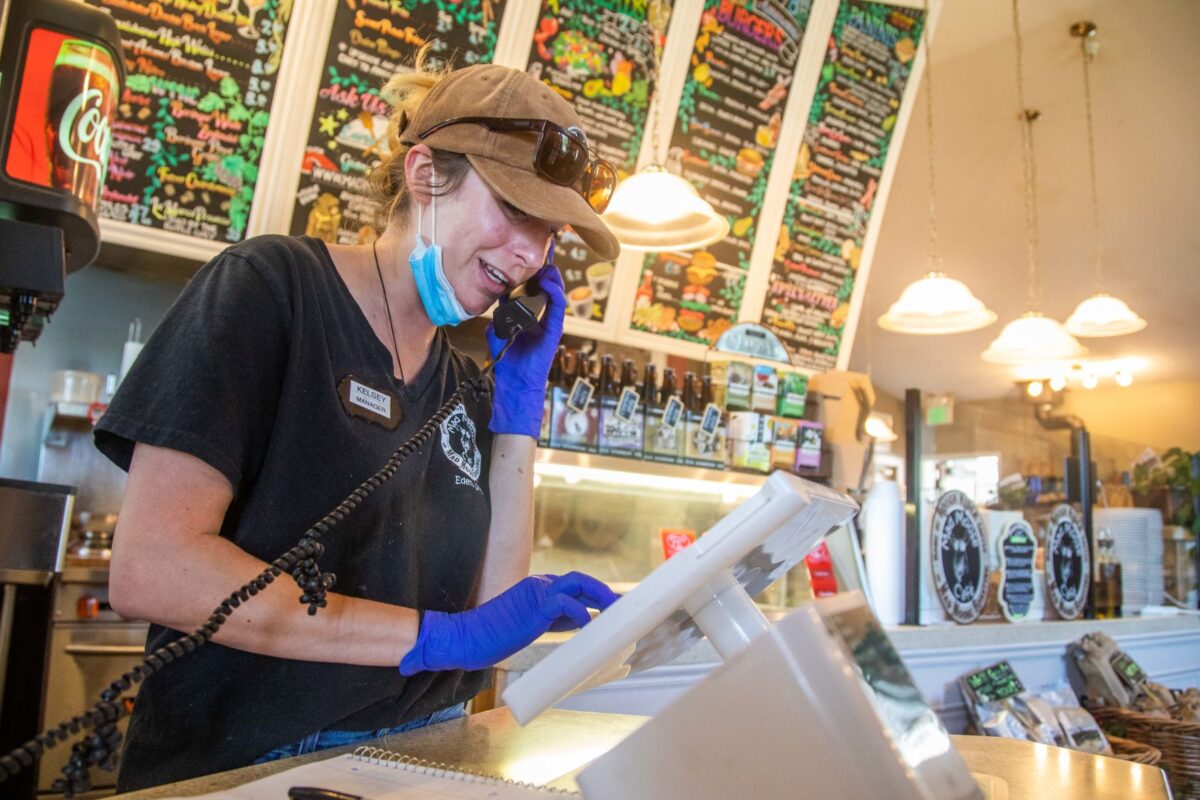
Kelsey Walberg takes a phone order at the Mad Moose Cafe on Friday, May 8, 2020, in Eden. The owner of the cafe, Mike Seguin, is not paying his first-quarter sales tax and has requested a reprieve from the Utah Tax Commission in light of previous government mandates to limit business to take-out during the COVID-19 pandemic.
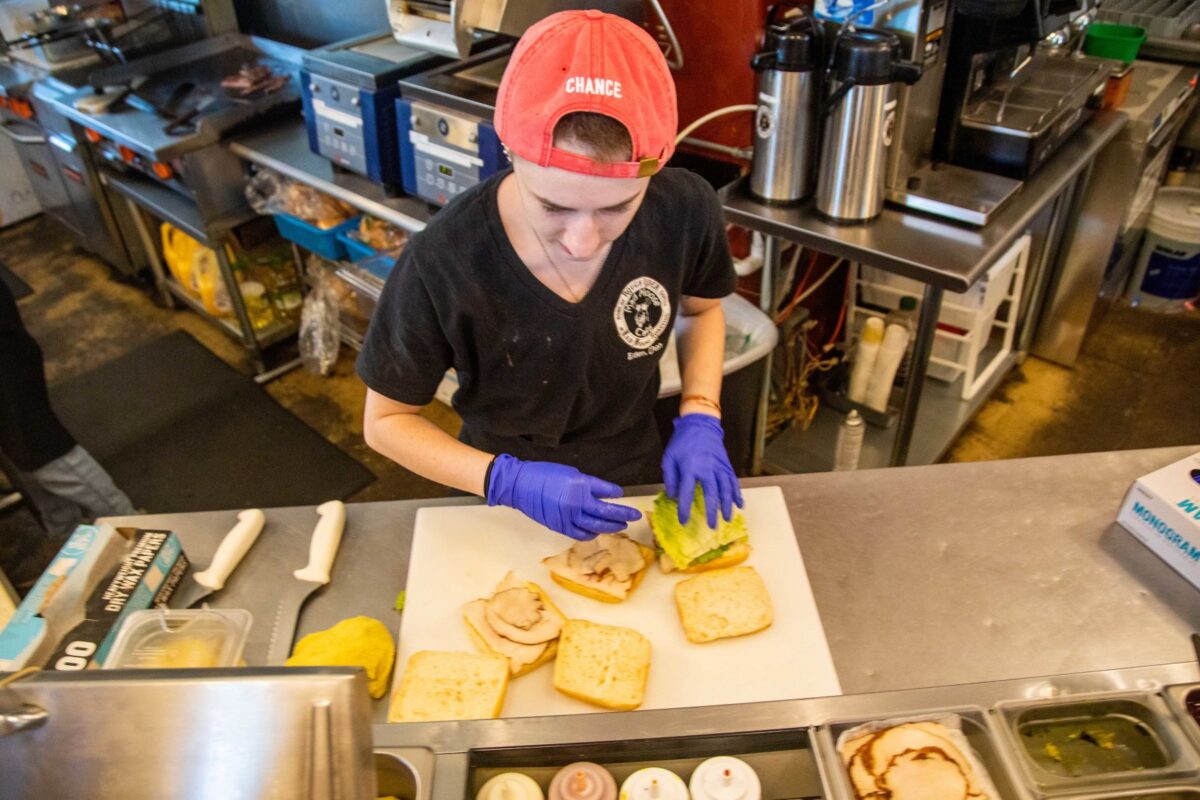
Cat Leavitt makes a sandwich at the Mad Moose Cafe on Friday, May 8, 2020, in Eden. The owner of the cafe, Mike Seguin, is not paying his first-quarter sales tax and has requested a reprieve from the Utah Tax Commission in light of previous government mandates to limit business to take-out during the COVID-19 pandemic.
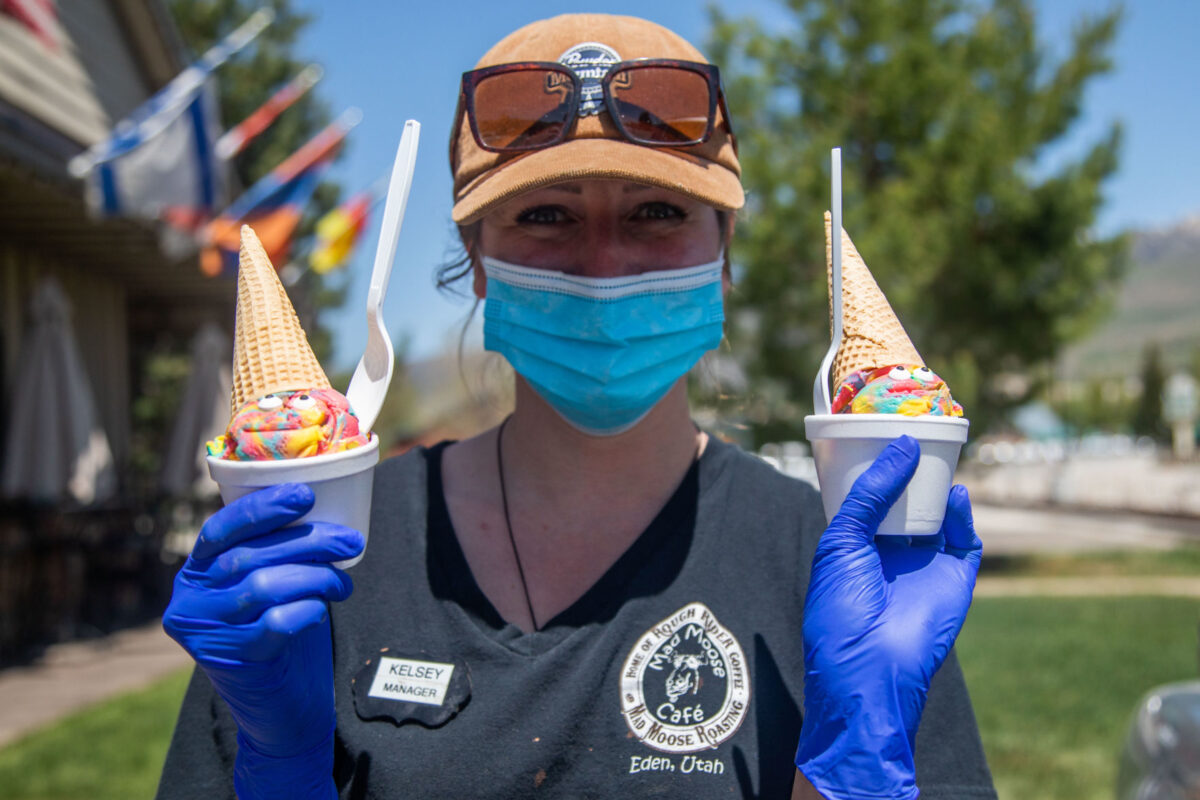
Kelsey Walberg holds ice cream characters outside the Mad Moose Cafe on Friday, May 8, 2020, in Eden. The owner of the cafe, Mike Seguin, is not paying his first-quarter sales tax and has requested a reprieve from the Utah Tax Commission in light of previous government mandates to limit business to take-out during the COVID-19 pandemic.
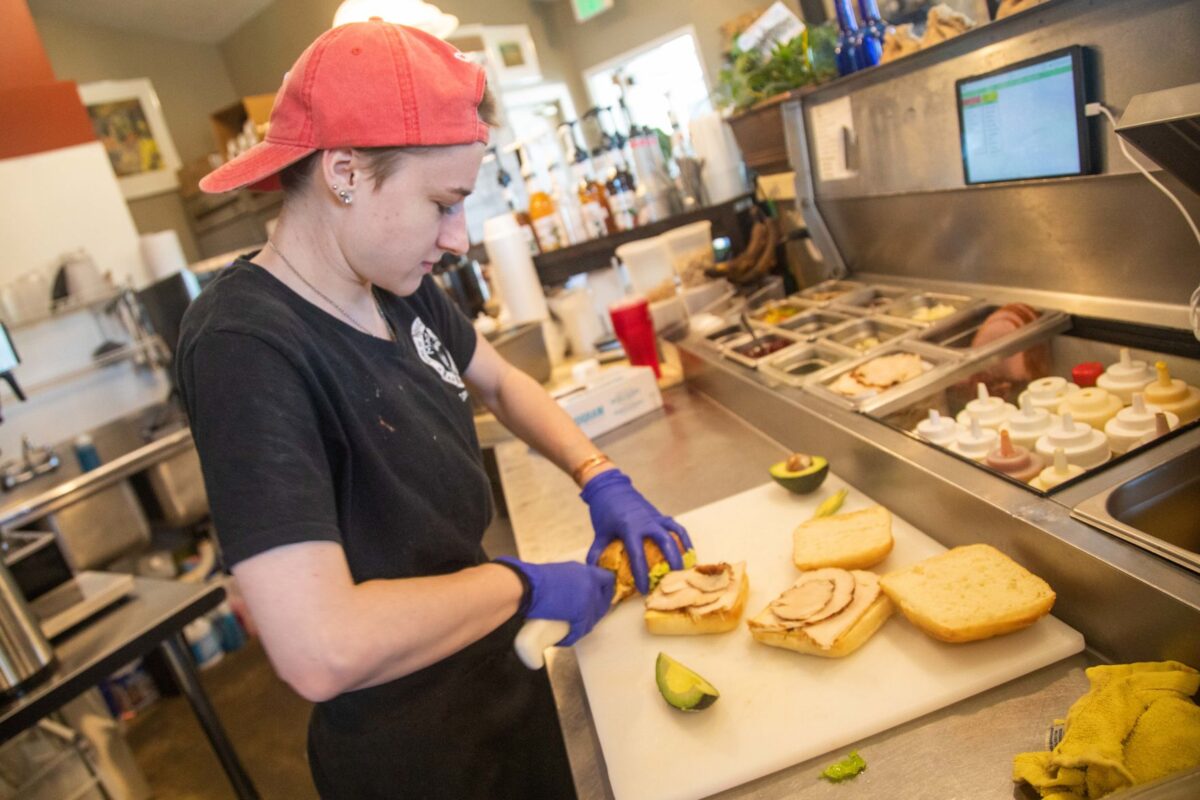
Cat Leavitt makes a sandwich at the Mad Moose Cafe on Friday, May 8, 2020, in Eden. The owner of the cafe, Mike Seguin, is not paying his first-quarter sales tax and has requested a reprieve from the Utah Tax Commission in light of previous government mandates to limit business to take-out during the COVID-19 pandemic.
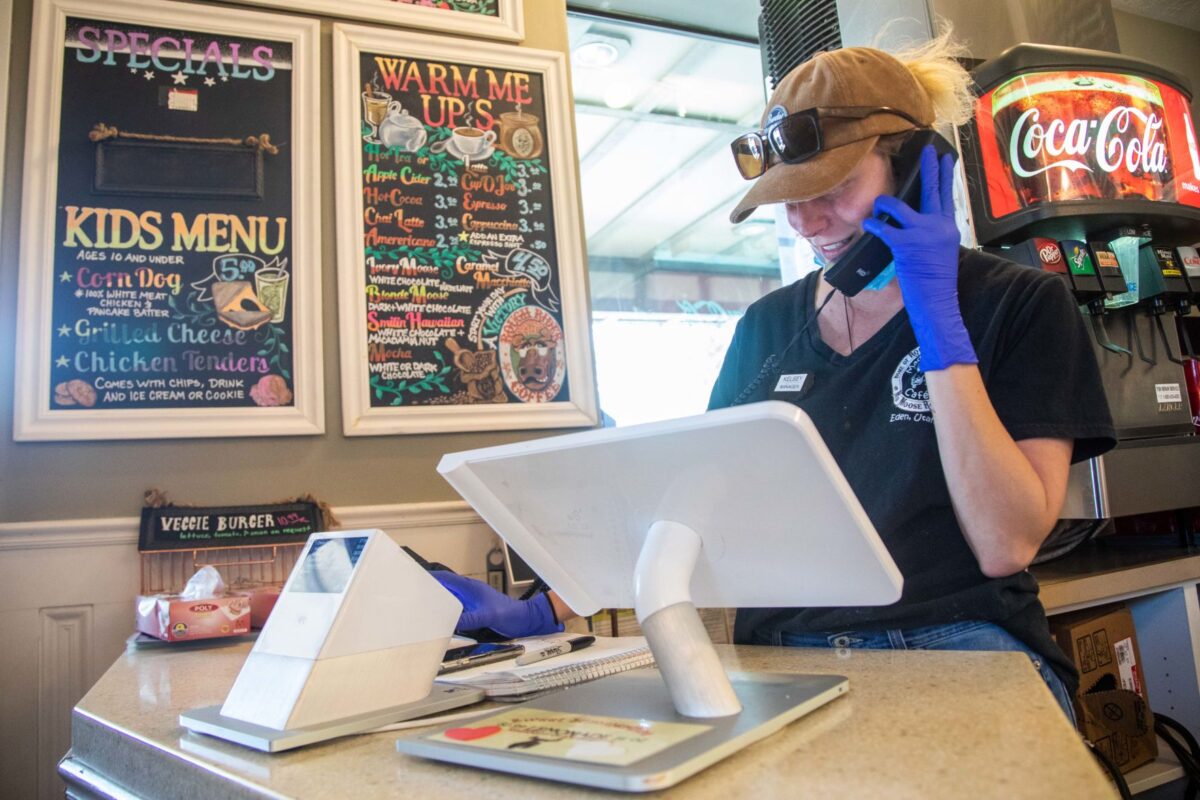
Kelsey Walberg takes a phone order at the Mad Moose Cafe on Friday, May 8, 2020, in Eden. The owner of the cafe, Mike Seguin, is not paying his first-quarter sales tax and has requested a reprieve from the Utah Tax Commission in light of previous government mandates to limit business to take-out during the COVID-19 pandemic.
EDEN — Mike Seguin says the government-mandated halt to dine-in options at restaurants across Utah wreaked havoc on his upper Ogden Valley business.
So he says he’s had to get creative to stay afloat.
Seguin owns and operates the Mad Moose Cafe in Eden. The business is best known for its “Rough Rider” coffee, but also serves hot grilled paninis, salads, burgers and more. Like other Utah eateries, a large portion of Seguin’s operation essentially disappeared after Utah Gov. Gary Herbert issued an executive order requiring restaurants to close dine-in service amid the ongoing novel coronavirus pandemic.
In late April, Herbert issued another executive order that formally placed Utah under “moderate risk” protocols for COVID-19. The new order meant that on May 1, restaurants could again begin serving customers indoors, so long as strict hygiene and social distancing measures outlined in the state’s “Utah Leads Together Plan” are followed.
“We aren’t returning to business as usual yet,” Herbert said when announcing the new order. “In fact, we will not return to ‘normal’ for a significant period of time.”
Seguin says he understands the seriousness of the disease and finds no fault in the state’s decision to close businesses to help slow the spread of the virus. But the damage has been done. He says he’s been losing money ever since the closures were initiated.
So, in a bold move, Seguin recently submitted his first-quarter sales tax filing to the Utah State Tax Commission without payment, requesting a temporary reprieve without penalty.
“We’re currently operating below break-even,” Seguin said. “So we’re trying to leverage our quarter one sales tax to maintain limited operations.”
Seguin says he tried for but never received a federal Paycheck Protection Program loan from the U.S. Small Business Administration. Created by the CARES Act, the initial $349 billion PPP fund had been exhausted by mid-April. Another round of funding began on April 27. According to the SBA website, the loans are designed to help small businesses keep their workers on the payroll. The SBA will forgive loans if all employees are kept on the payroll for eight weeks and the money is used for payroll, rent, mortgage interest or utilities.
“The PPP ran out of money and never came, though we made all efforts in a timely manner to submit all our paperwork to our bank,” Seguin said in a letter to the Utah State Tax Commission. “We made application for the second round of PPP, but we still have not seen assistance as of the date of this tax filing.”
Through the Governor’s Office of Economic Development, the state of Utah has offered help to small businesses through its Utah Leads Together Small Business Bridge Loan, but Seguin said he hasn’t had any luck there either. As of about two weeks ago, 1,149 Utah small businesses and nonprofits received loans from the program totaling $12 million, according to an email from Tony Young, GOED media relations manager. About 30% of the money ($3.7 million) was awarded to rural Utah small businesses and nonprofits.
Seguin says he plans to pay the taxes he owes eventually, but as of Friday, May 8, had not yet heard from the tax commission about his request for a temporary delay in payment.