After building shed, Layton man faces criminal charges, ordered to tear it down

Chad Rackham stands in front of a shed he built on his property Nov. 8, 2016. The structure’s city code violations have led to three criminal charges against him, which he says were the result of miscommunication and bureaucratic hassles on the city’s part.
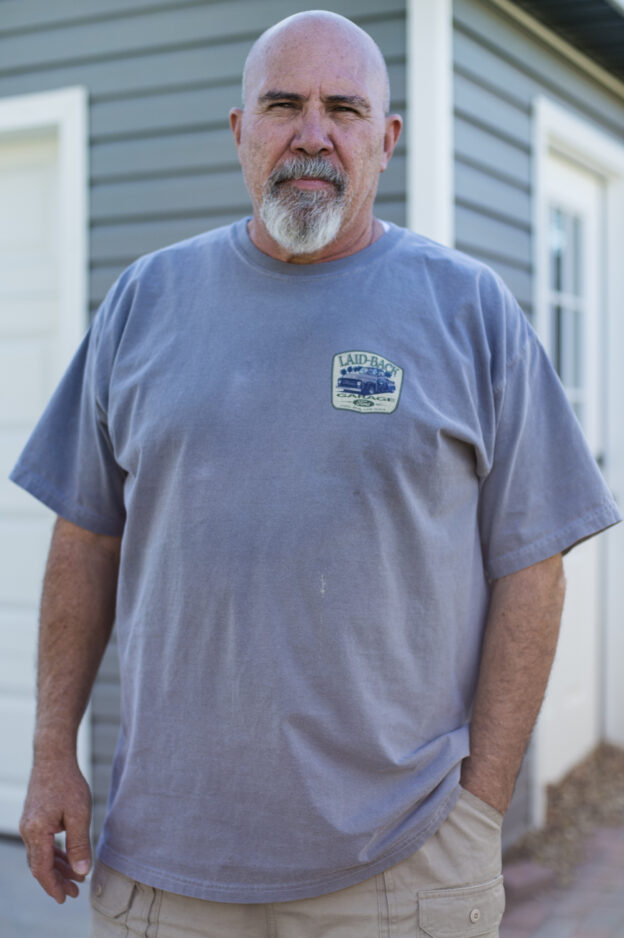
Chad Rackham stands in front of a shed he built on his property Nov. 8, 2016. The structure’s city code violations have led to three criminal charges against him, which he says were the result of miscommunication and bureaucratic hassles on the city’s part.
LAYTON — Chad Rackham built a $12,000 shed where he hoped to restore a 1955 Ford pickup truck, but he’s been ordered to tear it down and now faces three criminal charges filed by Layton City.
Rackham, a 58-year-old postal worker and two-decade Layton resident, said he feels blindsided by the city after months of bureaucratic hassles over the project. He said he went to the city in good faith to get approvals for the proposed addition next to his home and was met by incompetence and intransigence along the way.
He said what’s especially frustrating is that while he tried to follow the system and his conscience, Layton is riddled with residential outbuildings and other improvements whose owners never got permits.
ROBBY LLOYD/Special to the Stand
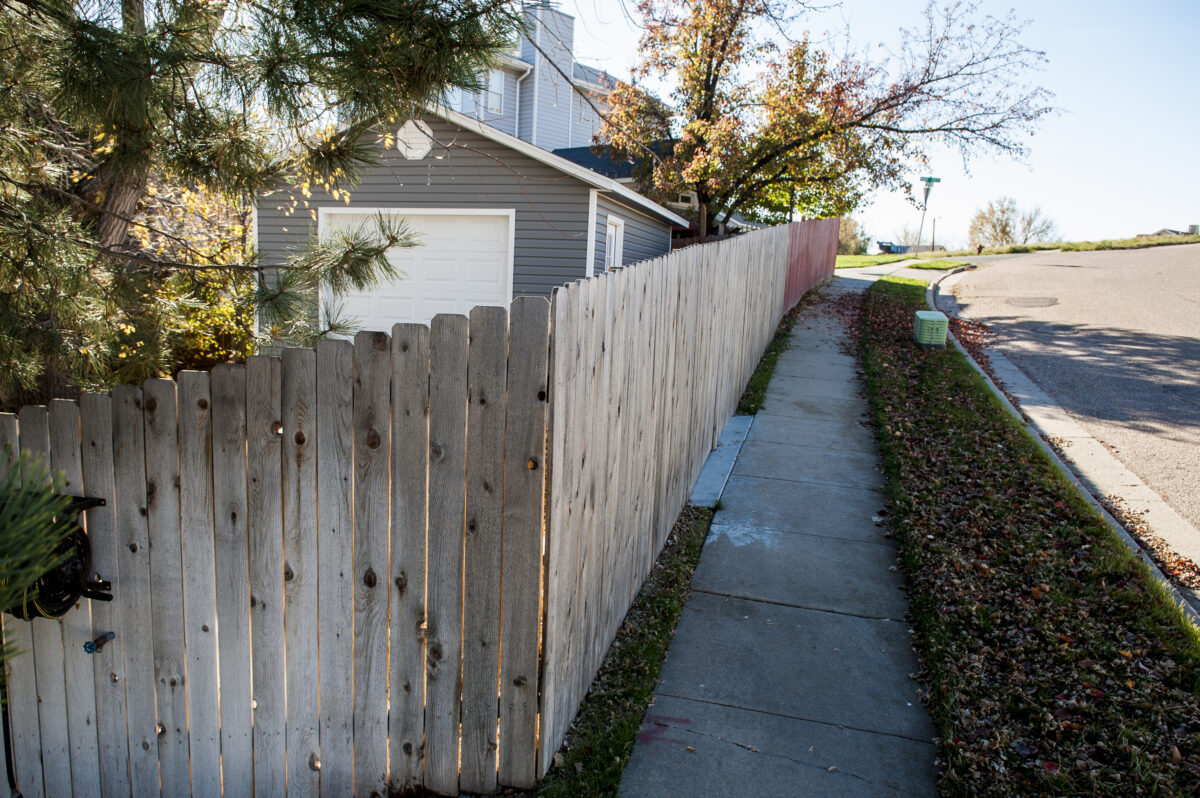
A shed built on Chad Rackham’s property is shown Nov. 9, 2016. He says Layton City originally told him it needed to be 20 feet from the street. However, once concrete was down and a retaining wall built, he says the city told him in should have been 20 feet back from the property line because he has a corner lot. Rackham now faces three criminal charges connected to the structure’s city code violations.
But Layton Assistant City Attorney Steven Garside said Rackham’s case is a simple matter in the municipality’s view. Prosecutions for setback violations and failure to get permits unfortunately are not uncommon, he said.
“When I started this process, I wanted to legally build a structure in my backyard that I could use as a workshop,” Rackham said. “I have an old vehicle I want to restore.”
So in July 2014, he went to the city planning office.
“I asked them exactly what I needed to do,” Rackham said.
He said he was told the structure had to be at least 20 feet from the street. But after he had a $5,000 concrete pad and retaining wall poured in August 2014, planners told him it should have been 20 feet back from the property line because he has a corner lot.
He applied for a variance from the setback, but the city board of adjustments refused to grant one in November 2014. That left Rackham with a cement pad he couldn’t build on.
ROBBY LLOYD/Special to the Stand
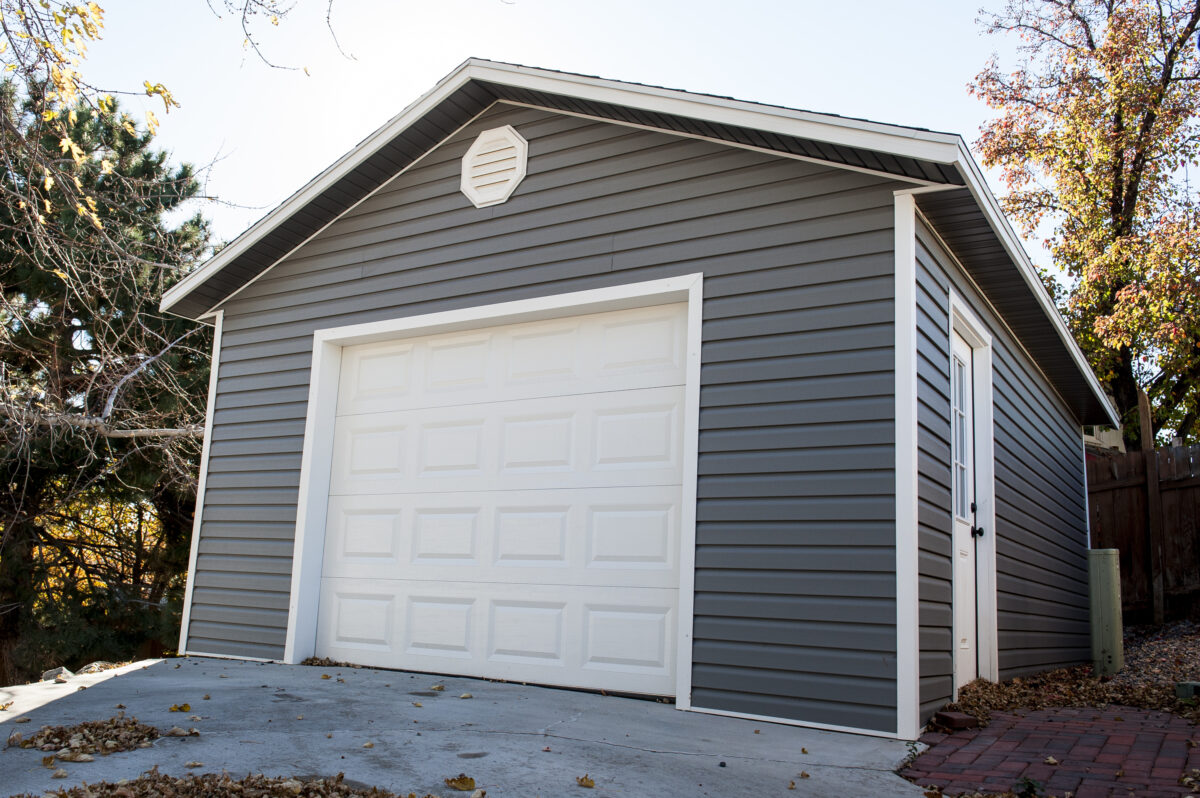
A shed Chad Rackham built on his property is shown Nov. 9, 2016. The structure’s city code violations have led to three criminal charges against him, which he says were the result of miscommunication and bureaucratic hassles on the city’s part. He’s been ordered to tear down the shed, which cost $12,000 to build.
“Nobody can explain what that setback is for,” Rackham said. “No one could tell me how they could justify the ordinance. It doesn’t block the view, it doesn’t offend anybody and it’s not a safety hazard.”
Garside said the equalization board determined Rackham’s situation did not meet state criteria for a variance to be granted.
“All of the setbacks are designed for multiple reasons,” Garside said, including considerations of safety, aesthetics and the environment.
Rackham said he was told he could appeal the variance denial to Layton justice court, but the staff there said he had to go to district court. “The district court told me I have to go to city court, so I am at point A again.”
At that point, Rackham stewed and noticed similar structures around the city that didn’t appear to meet setback and other ordinances.
“I started getting a little bit frustrated,” he said. “It had been suggested, ‘Why even ask for permission, that was your mistake.’ So finally I thought, well, what option do I have?”
Helped by relatives and neighbors, he put up the shed between August and December of last year The day after the siding was installed and the shed was completed, Rackham received a city code enforcement letter. “It was a move-it-or-remove-it order,” he said.
Despite Rackham’s complaint that similar structures around Layton weren’t permitted and violate city code, Garside said the city doesn’t pick and choose which building violations to prosecute.
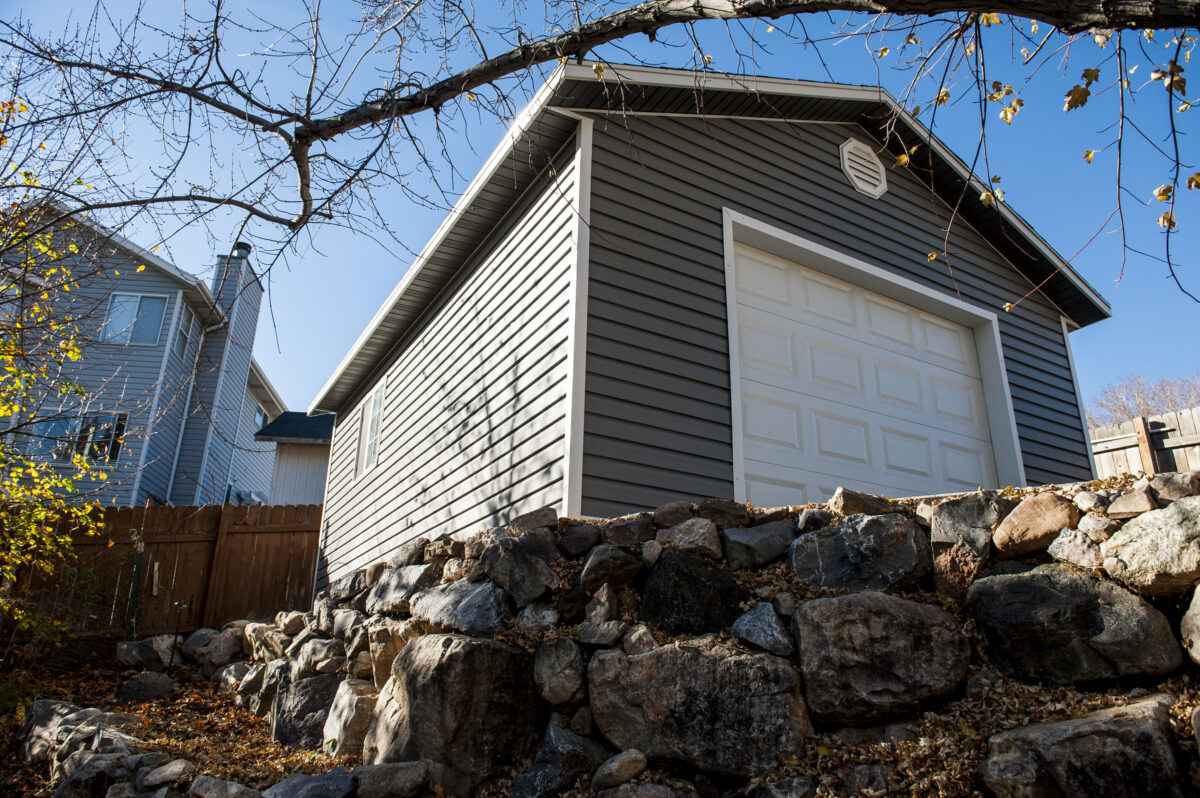
ROBBY LLOYD/Special to the Stand
A shed Chad Rackham built on his property is shown Nov. 9, 2016. The structure’s city code violations have led to three criminal charges against him, which he says were the result of miscommunication and bureaucratic hassles on the city’s part. He’s been ordered to tear down the shed, which cost $12,000 to build.
“If we know about these violations, if we find it or it’s brought to our attention, we do pursue those,” he said. “His is not the only current case we have going on.”
Garside said it’s “no different than most people who violate the speed limit and don’t get caught.”
On Aug. 22 this year, the city attorney’s office filed charges against Rackham in 2nd District Court — one count of no building permit obtained, a class B misdemeanor, and one count of setback violation, a class C misdemeanor, plus a class B misdemeanor charge of violation of a stop-work order.
A class B misdemeanor can draw a maximum penalty of six months in jail and a $1,000 fine.
Rackham pleaded not guilty Oct. 4. He later called Mayor Bob Stevenson, who drove to his home to look at the shed and the lot.
“He said ‘I don’t see a problem with it, but we’ll see,'” Rackham said. “‘The word around the city is they told you no and you just went ahead and did it.'”
Rackham told the mayor about his experience with city offices and red tape. But Stevenson told him the city staff probably was “not going to bend on this.”
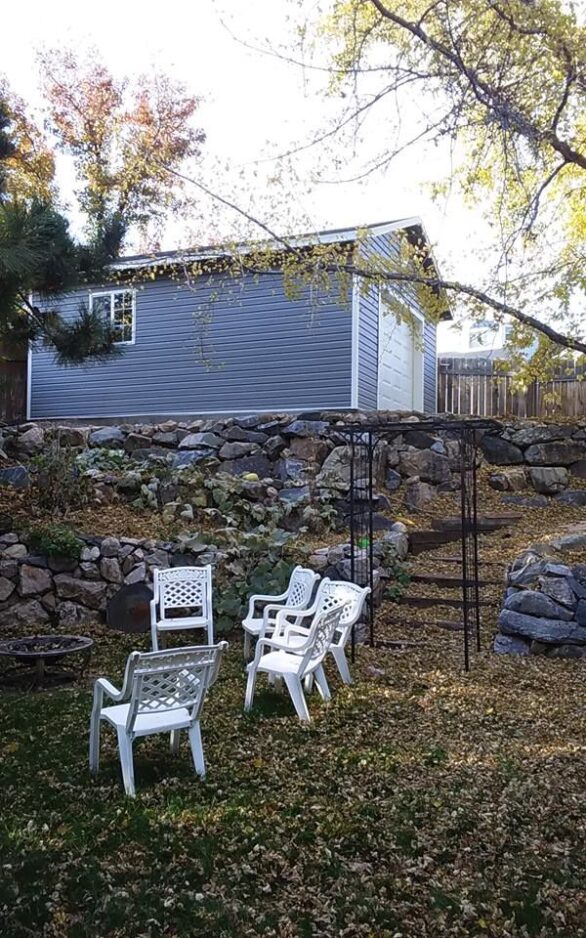
Photo supplied/Lauren Paskett
A shed Chad Rackham built on his property is shown Nov. 9, 2016. The structure’s city code violations have led to three criminal charges against him, which he says were the result of miscommunication and bureaucratic hassles on the city’s part. He’s been ordered to tear down the shed, which cost $12,000 to build.
He said the mayor called him a few days later and said the next court hearing had been postponed until January 2017 and that he hoped they could “work things out at the city level.”
“I don’t want to torpedo the mayor, because he’s really trying to work something out,” Rackham said. “I told him, if you want me to tear it down I’ll just take my losses, but what are you going to do about the hundreds of other things out there?”
Stevenson said Tuesday he hoped some sort of settlement can be reached.
“Chad Rackham is probably one of the most honest people I’ve ever met,” the mayor said. “The situation is on a fine line that we’re trying to define what’s best and according to the law what we need to do. The city is trying to reach out and help Mr. Rackham.”
(CORRECTION: Layton City’s board of adjustments heard Chad Rackham’s appeal of a building permit issue. An earlier version of this story listed an incorrect name for the board.)
You can reach reporter Mark Shenefelt at mshenefelt@standard.net or 801 625-4224. Follow him on Twitter at @mshenefelt and like him on Facebook.